A Comprehensive Guide to the Easemotion Quality Control System for High-End Yogawear Manufacturing
The activewear market is undergoing a significant transformation, driven by a growing class of consumers whose purchasing decisions are increasingly shaped by personal values, environmental concerns, and ethical production practices. This shift demands that brands prioritize not only exceptional product quality but also verifiable social and environmental responsibility. Fast fashion's exploitative labor practices and environmental impact have ignited a call for greater accountability within the industry, positioning sustainability and ethical manufacturing as non-negotiable core tenets for reputable brands. This presents a complex challenge for manufacturers to integrate these values into every stage of production.
This guide delves into the easemotion Quality Control System, a comprehensive framework designed to ensure that high-end yogawear manufacturing not only meets the most stringent quality benchmarks but also adheres to the highest standards of ethical and sustainable production.
Key Takeaways
- Ethical and Sustainable Foundations: The Easemotion system prioritizes fair labor practices, including equitable wages and safe working environments, alongside a transparent supply chain. It mandates the use of environmentally conscious materials, such as textiles certified by GOTS, OEKO-TEX, and bluesign, and incorporates resource-saving production methods.
- The Role of Third-Party Verification: To combat greenwashing and build consumer trust, the system relies on unbiased external validation from certifications like the Global Recycled Standard (GRS), Recycled Claim Standard (RCS), and Fair Trade Certified™. This provides concrete, verifiable evidence of a brand's commitment to social and environmental stewardship.
- Precision Engineering for Performance: Easemotion focuses on strategic material selection, utilizing advanced textile technologies like moisture-wicking and four-way stretch to ensure optimal comfort, performance, and longevity. A multi-stage inspection process, from fabric procurement to final stitching, guarantees superior quality in every garment.
- Uncompromising Durability: The system challenges the misconception that sustainable materials compromise performance. By engineering fabrics for superior tensile strength, anti-pilling, and abrasion resistance, Easemotion creates durable products designed for an extended lifespan, actively resisting the trend of "planned obsolescence" and enhancing long-term consumer value.
Establishing Foundational Integrity: Ethical and Sustainable Practices within the Easemotion Quality Control System for High-End Yogawear Production
The very foundation of high-end activewear is no longer just about the feel of the fabric or the precision of the stitch; it's about the principles woven into its creation. For the modern consumer, the story behind the garment—its impact on people and the planet—is as critical as its performance. The Easemotion Quality Control System is built upon this understanding, embedding ethical and sustainable practices into the core of the manufacturing process. This approach ensures that every piece of yogawear is a product of integrity, from the sourcing of raw materials to the hands that craft it. It’s a holistic view that transforms manufacturing from a simple production line into a value-driven ecosystem, where responsibility and quality are inextricably linked.
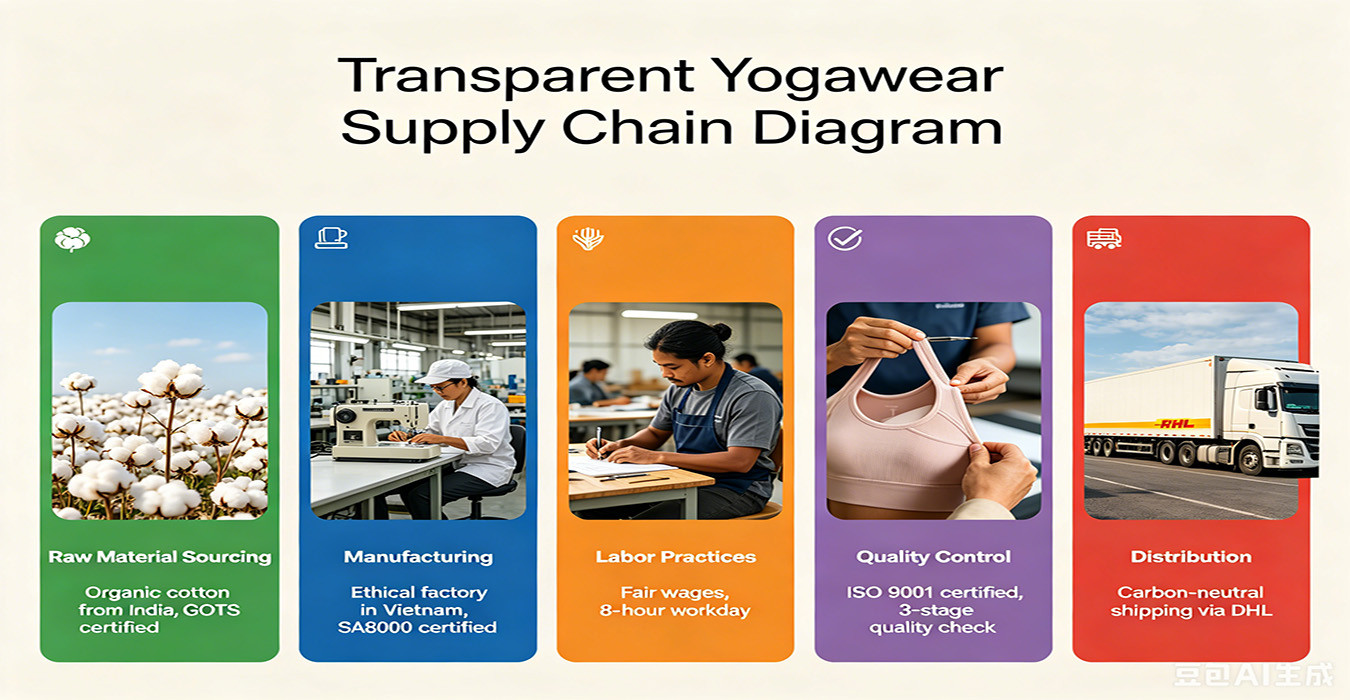
Prioritizing Fair Labor and Transparent Supply Chain Management
True quality cannot be achieved in a system that devalues human life or operates in obscurity. Acknowledging this, Easemotion places paramount importance on creating a supply chain that is both ethical and fully transparent. This commitment goes beyond mere compliance; it's about fostering a culture of respect and accountability, ensuring that every individual involved in the manufacturing process is treated with dignity and fairness. By shining a light on every step of the supply chain, from the farm or recycling facility to the final packaged product, brands can confidently stand behind their claims and build a powerful, lasting bond of trust with their customers.
Ensuring Equitable Wages and Secure Working Environments to Uphold Human Dignity
At the heart of ethical manufacturing lies the principle of human dignity. The Easemotion system is uncompromising in its requirement that all partner facilities provide compensation that goes beyond the legal minimum. It champions the implementation of a living wage, which is defined as the income necessary for a worker to meet the basic needs of their family, including food, housing, healthcare, and education, with a small amount of discretionary income. This stands in stark contrast to the legal minimum wage in many garment-producing countries, which is often insufficient to lift workers out of poverty. In fact, a 2023 report highlighted a staggering 48.5% gap between minimum and living wages in major garment-producing nations.
Beyond fair pay, a secure and healthy working environment is non-negotiable. The textile industry presents numerous potential hazards, including chemical exposure from dyes, musculoskeletal stress from repetitive tasks, and risks from machinery. The Easemotion framework mandates adherence to strict occupational health and safety standards, such as those outlined by the International Labour Organization (ILO) and ISO 45001. This includes:
- Chemical Safety: Strict protocols for handling, storing, and disposing of chemicals used in dyeing and finishing, along with the mandatory use of Personal Protective Equipment (PPE).
- Physical Safety: Regular machine maintenance, clear safety guards, sufficient lighting, and established emergency procedures for fire or equipment malfunctions.
- Workplace Environment: Proper ventilation to reduce exposure to fabric dust and chemical fumes, as well as ergonomic workstation design to prevent long-term physical strain.
- Freedom of Association: Respecting the rights of workers to form and join trade unions and bargain collectively without fear of reprisal, a key principle of organizations like the Fair Labor Association (FLA).
By ensuring workers are compensated fairly and protected from harm, we create a manufacturing ecosystem rooted in respect and dignity, where the creation of beautiful activewear does not come at a human cost.
Implementing Robust Traceability from Raw Material Sourcing to Final Assembly
In a complex global supply chain, claims are easy to make but difficult to verify. Robust traceability—the ability to track a product's journey from its earliest origins to the final consumer—is the only way to ensure integrity. It allows brands to substantiate claims about materials, ethics, and environmental impact, transforming vague promises into verifiable facts. Traceability is the backbone of accountability, empowering brands to manage their supply chains effectively and giving consumers the confidence to make informed choices.
The Easemotion system architects this traceability through a multi-pronged approach that leverages both physical and digital technologies:
- Unique Identification: From the outset, batches of raw materials are assigned unique identifiers. This can be achieved through technologies like QR codes, RFID tags, or even advanced physical tracers like synthetic DNA markers embedded into fibers. This unique ID acts as a passport for the material, traveling with it through every subsequent stage.
- Digital Ledger Technology (Blockchain): To ensure data integrity, many traceability systems are now incorporating blockchain. Blockchain creates a decentralized, immutable digital record of every transaction and handoff in the supply chain. Each step—from the recycled-material collector to the spinner, weaver, dyer, and garment factory—is recorded as a "block" of information that is cryptographically linked to the previous one. This makes the record secure, transparent, and tamper-proof, providing a single source of truth for all stakeholders.
- Supply Chain Mapping: The system requires a comprehensive mapping of all suppliers at every tier. This visibility is crucial for identifying and mitigating risks related to labor practices, environmental compliance, and geopolitical issues. It moves beyond knowing the final assembly factory (Tier 1) to understanding the fabric mills (Tier 2), yarn spinners (Tier 3), and raw material sources (Tier 4).
- Documentation and Verification: At each stage, critical documentation—such as transaction certificates for recycled materials, organic certifications for cotton, or chemical compliance sheets from dye houses—is digitized and linked to the material's unique ID on the digital ledger. This creates a verifiable chain of custody that can be audited at any point.
By implementing such a robust system, brands can confidently trace a pair of yogawear leggings from the retail shelf back to the specific batch of recycled plastic bottles it was made from, verifying every ethical and sustainable claim along the way. This level of transparency not only builds immense consumer trust but also provides invaluable data for improving supply chain efficiency and sustainability.
Integrating Environmentally Conscious Materials and Manufacturing Processes
The environmental impact of fashion is one of the most pressing issues of our time. From the depletion of natural resources to water pollution and carbon emissions, traditional manufacturing methods have taken a significant toll on the planet. The Easemotion system directly confronts this challenge by requiring a fundamental shift towards sustainable materials and production techniques. This is not about a single "green" collection but about re-engineering the entire process to prioritize ecological health. It involves a deliberate and strategic move away from virgin, resource-intensive inputs and wasteful processes, and a commitment to a circular, regenerative model of production.
Strategically Sourcing GOTS, OEKO-TEX, and bluesign Certified Textiles
Navigating the world of "eco-friendly" textiles can be confusing. To cut through the noise, the Easemotion system mandates the use of materials certified by globally recognized, independent third-party standards. This ensures that claims are backed by rigorous, scientific verification. The three cornerstone certifications are GOTS, OEKO-TEX, and bluesign. While they all contribute to a more sustainable product, they focus on different aspects of the production chain.
| Certification | Primary Focus | Key Guarantees | Relevance for Yogawear |
|---|---|---|---|
| GOTS (Global Organic Textile Standard) | Organic Fibers & Full Supply Chain | Ensures the textile is made from a minimum of 70% certified organic natural fibers. It also includes strict environmental criteria (e.g., wastewater treatment) and social criteria (e.g., fair labor) for the entire processing and manufacturing chain. | Ideal for yogawear made from natural fibers like organic cotton or hemp. Guarantees the material's organic origin and ethical production from farm to factory. |
| OEKO-TEX STANDARD 100 | Product Safety (Human Ecology) | Tests the final product (and all its components, like thread and buttons) for over 1,000 harmful substances. If a product carries this label, it is certified to be harmless to human health. | Essential for all yogawear, as the garments are in direct, prolonged contact with the skin. It provides confidence that the fabric is free from allergens, carcinogens, and other harmful chemicals. |
| bluesign® SYSTEM | Input Stream & Chemical Management | Audits the entire manufacturing process, not the final product. It focuses on eliminating harmful substances from the very beginning of the process (input stream management). It ensures that the chemicals, water, and energy used are safe, efficient, and responsibly managed. | Crucial for synthetic fabrics like recycled polyester and nylon, common in high-performance yogawear. It guarantees that the dyeing and finishing processes have the lowest possible impact on the environment and workers. |
A brand adhering to the Easemotion framework strategically combines these certifications. For instance, a pair of high-performance yogawear leggings might be made from a bluesign APPROVED recycled synthetic fabric that is also certified under OEKO-TEX STANDARD 100. This combination assures the consumer that the manufacturing process was environmentally sound and that the final garment is safe to wear against their skin. Using these certifications is not just a matter of compliance; it is a clear commitment to providing products that are safe, high-quality, and produced with respect for both people and the planet.
Implementing Advanced Water-Saving and Energy-Efficient Production Methodologies
Beyond material choices, the Easemotion system places a strong emphasis on how products are made. The textile industry is notoriously resource-intensive, particularly in its use of water and energy during the dyeing and finishing stages. To address this, the framework mandates the adoption of cutting-edge, eco-efficient manufacturing technologies.
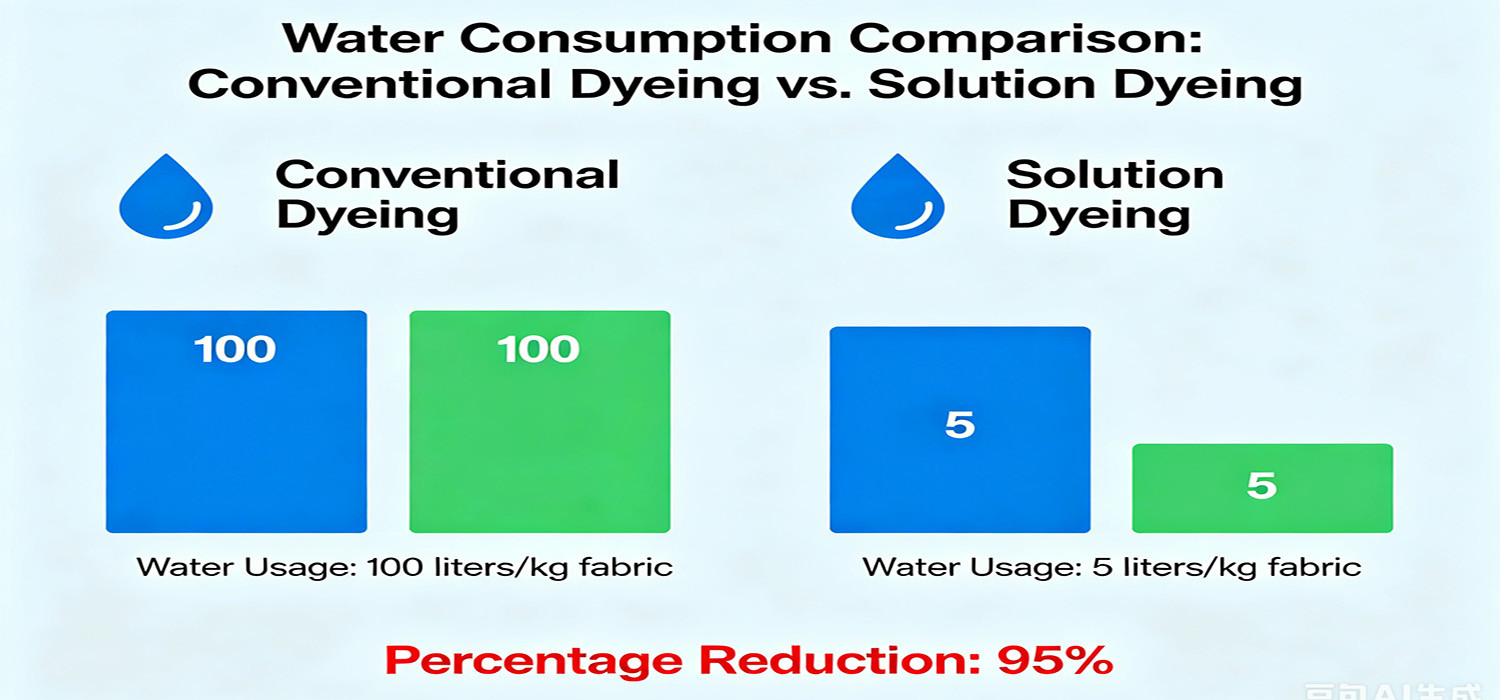
Water-Saving Technologies: Traditional fabric dyeing is one of the most water-intensive and polluting processes in all of manufacturing. The Easemotion system champions a move towards radically more efficient methods:
- Solution Dyeing (Dope Dyeing): This is one of the most impactful technologies for synthetic fibers like recycled polyester and nylon. Instead of dyeing the finished fabric, color pigments are added to the molten polymer before the fiber is extruded. This makes the color an intrinsic part of the fiber itself. The benefits are dramatic, with studies showing it can reduce water consumption by up to 90%, cut CO2 emissions, and decrease chemical usage. An added performance benefit is superior colorfastness, as the color cannot fade or wash out.
- Supercritical CO2 Dyeing: This revolutionary technique uses carbon dioxide in a 'supercritical' state (behaving as both a liquid and a gas) to act as the solvent for the dye. This process completely eliminates the need for water in the dyeing step, and because the CO2 can be recycled and reused in a closed-loop system, it produces virtually no wastewater.
- Foam Dyeing: This method, famously used for denim, applies dye in a foam medium rather than a large liquid bath. This technique can slash water usage by up to 99%, chemical use by 89%, and energy by 65%. While primarily used for indigo, the technology is expanding to other applications.
Energy-Efficient Methodologies: Energy consumption is another major contributor to the environmental footprint of garment production, with processes like spinning, weaving, and chemical processing being highly energy-intensive. The Easemotion QC System promotes a factory-wide approach to energy reduction:
- Investment in Modern Machinery: Upgrading to new generations of manufacturing equipment—from spinning machines to fabric cutters and sewing machines—can be a significant source of energy savings. Modern machinery is often equipped with high-efficiency motors and smart 'stand-by' modes that power down equipment when not in use.
- Process Optimization: Adopting principles of lean manufacturing to streamline the production flow minimizes waste, including wasted energy. This can also involve combining process steps, such as using advanced enzymes that allow scouring and dyeing to happen in a single bath, reducing both water and the energy needed to heat it.
- Renewable Energy Integration: Factories are strongly encouraged to invest in on-site renewable energy generation, such as installing solar panels on rooftops. This not only reduces reliance on the fossil-fuel-powered grid but also enhances energy security and can lead to long-term cost savings.
- Facility Upgrades: Simple but effective measures like upgrading to LED lighting, improving building insulation, and regularly maintaining HVAC systems and burners can collectively result in substantial energy savings.
By integrating these advanced methodologies, manufacturers can dramatically reduce their ecological footprint, conserve precious resources, and often lower operational costs, proving that sustainable production and business viability can go hand-in-hand.
The Imperative of Third-Party Verification in the Easemotion Quality Control System for High-End Yogawear Production
In an era of peak consumer skepticism, making a claim is not enough; it must be proven. "Greenwashing"—the practice of making misleading or unsubstantiated claims about a product's environmental benefits—has eroded consumer trust. To counter this, the Easemotion Quality Control System is built on a foundation of independent, third-party verification. Relying on globally respected certification bodies provides unbiased, objective validation of a manufacturer's ethical and sustainable practices. This moves beyond self-declarations to a system of true accountability. For brands, it offers a credible way to substantiate their marketing messages. For consumers, it provides a clear, reliable signal to identify genuinely responsible products, turning complex supply chain data into a simple mark of trust.
Combating Greenwashing Through Unbiased External Validation
The most effective weapon against greenwashing is credible, external proof. When a factory or material is certified by an independent organization, it means they have undergone rigorous audits and met stringent, publicly available criteria. This process is not a one-time event; it involves regular inspections and continuous compliance. This external validation is crucial because it holds manufacturers accountable to a global standard, not just their own internal policies. By mandating certifications for materials and social practices, the Easemotion system ensures that sustainability is not a marketing buzzword but a core, demonstrable component of the product's DNA.
Leveraging Global Recycled Standard (GRS) and Recycled Claim Standard (RCS) for Material Authenticity
For high-end yogawear that relies on recycled synthetic materials like polyester (from PET bottles) and nylon (from fishing nets and industrial waste), verifying the authenticity of the recycled content is paramount. The Easemotion system mandates certification through standards managed by the Textile Exchange to provide this assurance. The two primary standards are the Recycled Claim Standard (RCS) and the Global Recycled Standard (GRS).
Recycled Claim Standard (RCS): The RCS is a chain of custody standard that verifies the presence of recycled material in a final product. It requires that any product with the RCS label contain at least 5% recycled material. Its main function is to track the recycled input from its source to the final product, ensuring the claim is authentic. However, the RCS does not include social or environmental criteria for the manufacturing processes. It is a valuable business-to-business tool that provides transparency and integrity to recycled material claims.
Global Recycled Standard (GRS): The GRS is a more comprehensive and stringent standard. Like the RCS, it verifies recycled content and ensures a robust chain of custody. However, it goes much further. To achieve GRS certification, a product must contain a minimum of 20% recycled content (and 50% to use the consumer-facing label). Crucially, the GRS also sets strict social and environmental requirements for processing, including:
- Chemical Restrictions: It prohibits the use of potentially harmful chemicals in the production of GRS products.
- Environmental Management: It requires certified facilities to have systems in place for managing water use, energy consumption, and waste.
- Social Responsibility: It mandates compliance with fair labor practices based on the principles of the Global Social Compliance Programme, protecting the welfare of workers.
GRS vs. RCS: A Comparison
| Feature | Recycled Claim Standard (RCS) | Global Recycled Standard (GRS) |
|---|---|---|
| Primary Goal | Verify the amount of recycled material in a product. | Verify recycled content AND ensure sustainable and ethical production. |
| Minimum Recycled Content | 5% | 20% (50% for product label) |
| Chain of Custody | Yes | Yes |
| Social Requirements | No | Yes (fair labor, health & safety) |
| Environmental Requirements | No | Yes (water, energy, waste management) |
| Chemical Restrictions | No | Yes |
For high-end yogawear, GRS is the preferred standard within the Easemotion system because it provides a holistic assurance of integrity. It doesn't just confirm that the material is recycled; it confirms that it was processed responsibly, without harmful chemicals, and by workers who are treated fairly. This multi-faceted validation is a powerful tool against greenwashing, offering brands and consumers complete confidence in the product's sustainable claims.
Achieving Social Justice through Fair Trade Certified™ Frameworks
While material and environmental standards address crucial aspects of sustainability, social justice is the third pillar of a truly ethical product. The Fair Trade Certified™ seal is the leading framework for ensuring that the people who make our products are treated with dignity and fairness. Unlike other certifications that may focus primarily on materials or processes, Fair Trade puts people first. It is a global movement aimed at helping producers in developing countries achieve better trading conditions and promoting sustainability.
The core components of the Fair Trade model, particularly as applied to factory-made goods like apparel, include:
- Rigorous Social, Economic, and Environmental Standards: Fair Trade Certified factories must adhere to strict standards that protect workers' rights. These include ensuring safe working conditions, prohibiting child and forced labor, regulating work hours, and ensuring freedom of association.
- The Fair Trade Premium (Community Development Fund): This is a unique and powerful element of the Fair Trade model. For every Fair Trade Certified product sold, the purchasing company pays an additional sum of money—the Fair Trade Premium—directly into a bank account controlled by the workers. This is called the Community Development Fund. The workers then vote democratically on how to use these funds to address their community's most pressing needs. Projects often include:
- Healthcare Initiatives: Building local health clinics or providing health insurance.
- Educational Programs: Funding scholarships, building schools, or purchasing school supplies.
- Community Infrastructure: Investing in clean water projects, improving housing, or building community centers.
- Direct Financial Support: In some cases, workers may vote to receive the funds as a direct cash bonus to supplement their income.
- Worker Empowerment and Voice: The model requires the formation of a democratically-elected Fair Trade Committee at the factory. This committee, managed by the workers themselves, is responsible for administering the Community Development Fund and serves as a vital channel for communication and negotiation with factory management.
By requiring partner factories to achieve Fair Trade certification, the Easemotion system ensures that the production of high-end yogawear directly contributes to the well-being and empowerment of the communities that create it. It transforms a simple commercial transaction into a partnership for social development, giving consumers the assurance that their purchase has a tangible, positive impact on people's lives.
Empowering Informed Consumer Choices and Fostering Brand Trust
In today's marketplace, trust is the ultimate currency. Consumers are no longer passive recipients of marketing messages; they are active investigators, demanding transparency and proof behind every claim. The strategic use of third-party certifications within the Easemotion system is designed to meet this demand head-on. By providing clear, verifiable, and globally recognized symbols of ethical and sustainable production, certifications empower consumers to align their purchasing power with their values. This transparency is the bedrock of brand trust. It moves the conversation from "take our word for it" to "here is the evidence," fostering a deeper, more resilient relationship between a brand and its community.
Providing Concrete and Verified Evidence of Environmental and Social Stewardship
Labels on a garment are more than just branding; they are a direct line of communication to the consumer, offering a snapshot of the product's values and origins. Within the Easemotion framework, certifications like GRS, Fair Trade, and OEKO-TEX serve as concrete, verifiable pieces of evidence that a brand is practicing what it preaches.
Here’s how these certifications translate into tangible proof:
- Data-Backed Claims: A GRS certification isn't just a promise; it's the result of a rigorous audit that verifies the exact percentage of recycled material. This is based on a "mass balance" calculation that tracks materials through the entire supply chain, preventing companies from overstating their use of recycled content. This provides consumers with quantifiable data, not just vague "eco-friendly" statements.
- Traceable Impact: Fair Trade Certified™ provides a clear link between a product and community benefit. Through the Fair Trade Premium, the positive social impact is not just claimed but is financially tracked and managed by the workers themselves. This creates a transparent and empowering system where consumers know their purchase contributes to tangible projects like schools and healthcare.
- Scientific Assurance of Safety: The OEKO-TEX STANDARD 100 label is backed by scientific laboratory testing for a comprehensive list of over 1,000 regulated and non-regulated harmful substances. This provides consumers with scientific proof that the product is safe for their health, moving beyond simple marketing claims of being "natural" or "safe."
- Independent Validation: Crucially, all these certifications are awarded by independent, third-party organizations. This impartiality is fundamental to building trust. It assures consumers that the brand's claims have been scrutinized and validated by an unbiased expert body, not just the brand's own marketing department.
By requiring these certifications, the Easemotion system provides brands with a powerful toolkit for transparency. It allows them to transform their sustainability and ethical commitments from abstract corporate goals into clear, consumer-facing evidence on every product tag. This builds a foundation of trust based on proof, not just promises.
Cultivating Accountability and Consumer Confidence in Sustainable Offerings
Ultimately, the goal of the Easemotion Quality Control System is to foster a cycle of accountability and trust that benefits everyone in the value chain. Accountability is built through the rigorous, non-negotiable requirement for third-party verification. Confidence is the outcome of this accountability. When consumers see recognizable and trusted certification marks, it has a profound effect on their purchasing behavior and brand perception.
- Simplifying Complex Decisions: In a saturated market filled with confusing "green" claims, certification logos like GRS and Fair Trade act as mental shortcuts. They distill complex supply chain information into a simple, trustworthy signal that a shopper can recognize and act on in seconds. Research shows that a high percentage of consumers trust and are positively influenced by such labels. One study found that 72% of consumers believe the Fairtrade label has a positive impact on brands that carry it.
- Building Brand Loyalty: Transparency is a cornerstone of modern brand loyalty. When a brand voluntarily submits its supply chain to the scrutiny of independent auditors, it demonstrates a commitment to honesty that resonates deeply with conscious consumers. This transparency builds a relationship based on shared values, which is far more durable than one based on price or trends alone. Consumers are more likely to remain loyal to brands they perceive as authentic and trustworthy.
- Creating a Competitive Advantage: In a competitive marketplace, verified sustainability is a powerful differentiator. Brands that can back up their claims with credible, third-party certifications stand out from those that rely on self-declarations. This not only attracts ethically-minded consumers but also positions the brand as a leader, enhancing its reputation and market position.
- Fostering a Culture of Continuous Improvement: Accountability is not a static goal; it's a continuous process. The annual audits required by these certification bodies ensure that manufacturers don't just meet a standard once but maintain and improve upon it over time. This creates a culture of accountability within the supply chain, driving ongoing improvements in environmental performance and social welfare.
By making third-party verification a central pillar of its quality control system, Easemotion helps brands move beyond making claims to providing proof. This shift is fundamental to earning and keeping consumer confidence, creating a virtuous cycle where accountability drives trust, and trust drives loyalty and positive market transformation.
Precision Engineering and Assurance within the Easemotion Quality Control System for High-End Yogawear Production
Beyond the foundational principles of ethics and sustainability, the Easemotion system is defined by an obsession with technical excellence. High-end yogawear is not just apparel; it is performance equipment. It must move with the body like a second skin, manage moisture effectively, endure countless washes and demanding poses, and provide comfort and confidence to the wearer. Achieving this level of quality requires a meticulous approach to precision engineering, from the molecular structure of the fibers to the final stitch on the garment. This section explores the technical pillars of the Easemotion Quality Control System, detailing how strategic material innovation and comprehensive quality assurance protocols converge to create yogawear that excels in both function and longevity.
Strategic Material Selection and Innovative Textile Technologies
The heart of any high-performance garment is its fabric. The selection of materials is not a passive choice but a strategic decision that dictates the final product's comfort, durability, and functionality. The Easemotion system prioritizes the sourcing and development of advanced textiles that are specifically engineered for the unique demands of yoga and active lifestyles. This involves moving beyond generic fabrics to embrace innovative technologies that enhance the wearer's experience. It’s a science-led approach that scrutinizes everything from yarn construction to finishing treatments to ensure every textile meets a precise set of performance criteria.
Ensuring Optimal Performance, Comfort, and Longevity via Advanced Fabric Development
The creation of superior yogawear is a deliberate process of engineering. It begins with a deep understanding of the user's needs—unrestricted movement, thermal comfort, and confidence in the garment's integrity. Advanced fabric development translates these needs into technical specifications. This involves a multi-disciplinary approach that combines fiber science, yarn engineering, and advanced knitting or weaving techniques.
Key areas of focus in fabric development include:
- Fiber and Yarn Engineering: The process starts at the microscopic level. The choice between natural fibers like cotton or synthetics like polyester and nylon is just the beginning. The structure of the yarn itself—whether it is ring-spun for softness or air-jet textured for loft and insulation—directly impacts the final fabric's performance. Blending fibers, such as combining moisture-wicking polyester with the exceptional stretch of elastane (Spandex), is a key strategy for creating materials that offer balanced performance.
- Fabric Construction for Functionality: The way fibers are knitted or woven determines the fabric's mechanical properties. Denser constructions and tighter loop structures in knitted fabrics generally increase resistance to snagging and surface abrasion. For yogawear, knit structures are preferred for their inherent flexibility. The specific type of knit can be engineered to create zones of compression or breathability within the same garment, offering targeted support and ventilation where needed.
- Finishing Treatments for Enhanced Performance: After the base fabric is created, it can be treated with advanced finishes to augment its properties. These are not superficial coatings but are often integrated at a molecular level. Examples include:
- Hydrophilic/Hydrophobic Treatments: Enhancing a fabric's natural ability to either absorb and wick sweat away from the body (hydrophilic) or repel water (hydrophobic).
- Antimicrobial Finishes: Using safe, approved agents (like silver-ion treatments) to inhibit the growth of odor-causing bacteria, which reduces the need for frequent washing and extends the garment's usable life.
- Softening Treatments: Mechanical processes like sueding or peaching can be used to create a soft, velvety hand-feel, but must be carefully controlled to avoid compromising the fabric's structural integrity and abrasion resistance.
This meticulous approach ensures that the final textile is not just a piece of cloth, but a high-performance material designed for optimal comfort during a yoga practice and engineered for longevity, withstanding the rigors of use and care without losing its shape, color, or functionality.
Integrating Moisture-Wicking, Four-Way Stretch, and Highly Durable Fibers
To meet the rigorous demands of a dynamic yoga practice, fabrics must possess a specific trio of performance characteristics. The Easemotion system mandates that all yogawear fabrics are engineered to excel in these three critical areas:
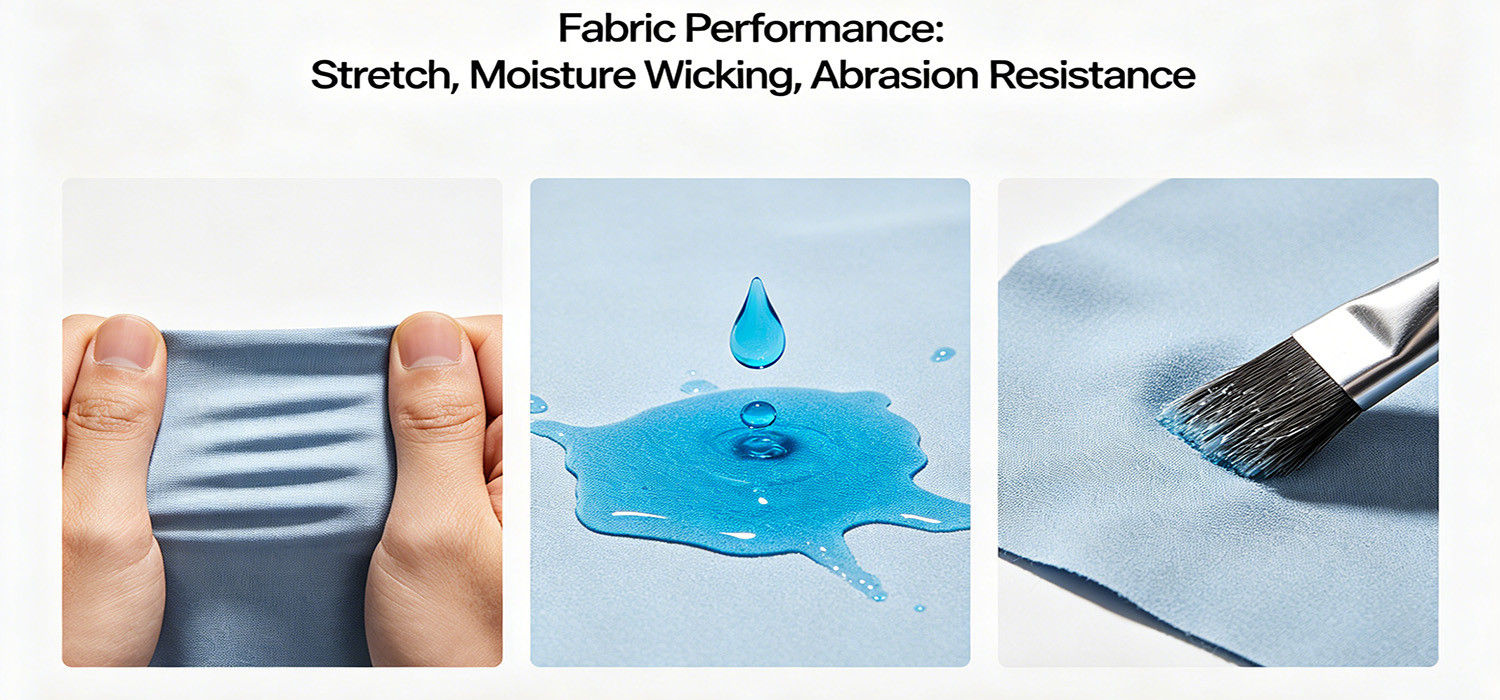
1. Moisture-Wicking Technology During an active yoga session, the body produces sweat to regulate its temperature. Fabrics that trap this moisture become heavy, uncomfortable, and can cause chafing. Moisture-wicking technology is essential for comfort and performance.
- How it Works: This technology relies on "capillary action." The structure of the fibers is engineered to pull moisture away from the skin and move it to the outer surface of the fabric. Once on the surface, the moisture can spread out over a larger area and evaporate quickly.
- The Right Materials: Synthetic fibers like polyester are naturally hydrophobic (water-resistant), meaning they don't absorb moisture into the fiber itself, which is key for effective wicking. Instead of using chemical coatings, advanced fabrics often feature yarns with modified cross-sections (e.g., channels or grooves) that physically enhance this capillary action, keeping the wearer dry and comfortable.
2. Four-Way Stretch Yoga involves a full range of motion, from deep lunges to complex twists and binds. A garment that restricts this movement is not only uncomfortable but can also hinder proper alignment.
- The Science of Stretch: Four-way stretch fabrics, unlike their two-way counterparts, can expand and recover both crosswise and lengthwise. This is typically achieved by blending primary fibers (like polyester or nylon) with a small percentage of elastane (also known as Spandex or Lycra). Elastane is a synthetic polymer renowned for its exceptional elasticity; it can stretch up to five to eight times its original length and then snap back perfectly.
- Benefits in Practice: This multi-directional stretch allows the fabric to move with the body like a second skin, providing support without constriction. It ensures that waistbands stay in place during inversions and that the fabric doesn't become transparent or "thin out" during deep stretches, providing complete coverage and confidence.
3. Highly Durable Fibers High-end yogawear is an investment, and it must be built to last through countless practices and washes. Durability is engineered into the fabric through the strategic selection of high-tenacity fibers.
- Fiber Strength: Both nylon and polyester are known for their durability, but they have different strengths. Nylon generally boasts superior tensile strength and abrasion resistance, making it exceptionally resistant to wear and tear. This is why it's often used in high-stress applications.
- Shape Retention: The inclusion of high-quality elastane is also crucial for durability. Its excellent elastic recovery means the fabric returns to its original shape after being stretched, preventing garments from sagging or becoming baggy over time. This ensures a consistent fit and supportive feel throughout the lifespan of the garment.
By integrating these three core technologies, the Easemotion system ensures that every fabric is a carefully calibrated blend of comfort, flexibility, and resilience, perfectly suited for the demands of modern yogawear.
Comprehensive Quality Assurance Across Each Manufacturing Phase
A superior final product is not the result of a single inspection at the end of the line; it is the culmination of a persistent, multi-stage commitment to quality at every step of the manufacturing process. The Easemotion system embeds quality assurance into the fabric of the production workflow, from the moment raw materials arrive to the final packaging of the garment. This proactive, rather than reactive, approach is designed to identify and rectify potential issues early, minimizing waste, ensuring consistency, and guaranteeing that every piece of yogawear meets the highest standards of excellence. It is a philosophy of continuous oversight that transforms the factory floor into an ecosystem of precision and accountability.
Implementing Multi-Stage Inspections from Initial Fabric Procurement to Final Stitching
A flawless garment is not created by chance. It is the outcome of a systematic and disciplined approach to quality control that is woven into every stage of production. The Easemotion framework moves beyond the traditional model of a single "final inspection" and instead implements a multi-stage inspection process. This philosophy of "building quality in" rather than "inspecting defects out" is more efficient, reduces waste, and ensures a far superior end product.
The process can be broken down into four critical inspection gates:
Fabric and Raw Material Inspection: Quality control begins the moment materials arrive at the factory. Before a single cut is made, a portion of the fabric rolls (typically at least 10%) is rigorously inspected. This involves:
- Visual Inspection: Unrolling the fabric over a lightbox to identify and mark any defects such as holes, stains, slubs, or color inconsistencies (barre). The widely used "4-Point System" is often employed to grade the fabric's quality based on the number and size of defects.
- Specification Verification: Confirming that the fabric meets all technical requirements. This includes checking the fabric's weight (GSM - Grams per Square Meter), width, and color against the approved standard or lab dip.
- Trim Inspection: All accessories and trims—such as zippers, buttons, drawcords, and labels—are also inspected to ensure they match the color, size, and quality specifications of the order.
Pre-Production and Cutting Inspection: Once the fabric is approved, this stage ensures that the foundation for the garment is perfect.
- Marker and Spreading Check: The cutting markers are checked against the patterns to ensure accuracy and minimize fabric waste. The fabric spreading process is monitored for issues like tension or misalignment that could distort the cut pieces.
- Cut Panel Inspection: After cutting, a sample of the cut panels is checked against the master pattern to ensure dimensional accuracy. This prevents sizing issues before sewing even begins.
In-Line (During Production) Inspection: This is arguably the most crucial stage. "In-line" or "roving" quality controllers monitor the garments as they are being sewn. This is a preventative approach that catches errors at their source.
- Stitching and Seam Audits: Inspectors check for issues like incorrect stitch density (SPI - Stitches Per Inch), skipped stitches, puckering seams, or insecure backstitching.
- Mid-Assembly Measurement Checks: Key measurements are checked at various points on the assembly line to ensure consistency and prevent sizing drift across the production run.
- Process Adherence: Inspectors ensure that operators are following the correct assembly sequence and using the specified machine settings. Correcting an error on a single machine is far more efficient than fixing thousands of finished garments.
Final (End-of-Line) Inspection: After garments are fully assembled, pressed, and finished, they undergo one last comprehensive check before being packed.
- Full Garment Review: Finished garments are inspected for overall appearance, cleanliness, and any cosmetic defects (like loose threads or pressing marks).
- Final Measurement Verification: A sampling of garments from different sizes is measured one last time against the full spec sheet to confirm that it meets the approved tolerances.
- Functionality and Trim Checks: All functional elements, like zippers and drawcords, are tested. Labels and hangtags are checked for correct placement and information.
- Packing and Assortment Audit: Inspectors verify that the garments are folded and packed according to specifications and that the carton quantities and size assortments match the packing list.
By implementing these rigorous checks at every stage, the Easemotion system creates a robust quality assurance framework that guarantees consistency, minimizes defects, and ensures that the final product delivered is a true reflection of high-end craftsmanship.
Utilizing Iterative Design and Prototyping for Optimal Garment Fit and Functional Performance
A great design on paper does not always translate to a great garment in reality. The transition from a 2D concept to a 3D product that moves with the human body is fraught with complexity. The Easemotion system addresses this through a structured, iterative design and prototyping process. This cyclical approach of "design, build, test, repeat" is fundamental to refining a garment until it achieves the perfect balance of fit, comfort, and performance.
The iterative prototyping cycle follows these key phases:
Initial Prototype (First Sample):
- Based on the initial sketches and technical specifications (the "tech pack"), a first physical prototype is created. This sample is often made in a base-size and allows designers to see the garment in three dimensions for the first time.
- Goal: To validate the core design concept, construction methods, and initial pattern accuracy.
Fit Session and Feedback Loop 1:
- The first prototype is fitted on a live fit model whose measurements match the brand's target demographic. The garment's performance is assessed during basic movements.
- Feedback Collection: Designers and technical teams evaluate key areas:
- Fit & Balance: Does the garment hang correctly on the body? Are there any areas of pulling, sagging, or twisting?
- Comfort: Are seams placed in high-friction areas? Does any part of the garment dig in or cause discomfort?
- Functionality: Does the waistband stay up? Does the garment provide adequate coverage during stretches and bends?
- All feedback is meticulously documented, and revisions are made to the digital pattern.
Revised Prototype (Second Sample):
- A new prototype is created based on the updated pattern. This sample is often made in the actual, bulk-production fabric to see how it behaves.
- Goal: To verify that the initial fit issues have been resolved and to assess the performance of the chosen fabric.
Wear Testing and Feedback Loop 2:
- The second sample undergoes more rigorous testing. This is a critical step for activewear. A group of testers, who represent the target consumer, will wear the garment during actual yoga classes or workouts.
- Feedback Collection: Wear testers provide invaluable real-world feedback on:
- Performance During Activity: How does the fabric manage sweat? Does the garment stay in place during a dynamic vinyasa flow? Does it restrict movement in any pose?
- Durability: How does the fabric look and feel after a workout and subsequent washing? Are there any early signs of pilling or seam stress?
- Overall Experience: Testers provide qualitative feedback on comfort, confidence, and overall satisfaction.
Pre-Production Sample (PPS) and Final Approval:
- Based on wear-tester feedback, final adjustments are made. The resulting Pre-Production Sample represents the "golden standard" for what will be mass-produced.
- Goal: This sample must be perfect. It is meticulously measured and reviewed to ensure it meets all fit, construction, and aesthetic requirements. Once the PPS is approved and "sealed," it becomes the benchmark against which all bulk production is measured.
This iterative process, with its multiple feedback loops, is essential for de-risking production. It ensures that by the time a design goes to mass manufacturing, every aspect of its fit and function has been thoroughly considered, tested, and perfected, leading to a consistently high-quality product that delights the end consumer.
Delivering Uncompromising Durability and Performance through the Easemotion Quality Control System for High-End Yogawear Production
A common misconception in the world of sustainable fashion is that choosing eco-friendly materials means sacrificing performance and durability. The Easemotion Quality Control System is engineered to definitively disprove this notion. Through a combination of advanced material science and rigorous testing protocols, the system ensures that sustainable yogawear not only meets but often exceeds the performance benchmarks of garments made from conventional, virgin materials. This commitment to longevity is a direct challenge to the "planned obsolescence" model that plagues the fashion industry. By designing for an extended lifespan, Easemotion not only delivers superior value to the consumer but also makes a meaningful contribution to reducing waste and promoting a more circular economy.
Disproving the Notion of Compromised Performance in Sustainable Materials
The narrative that "recycled" or "sustainable" equals "weaker" is outdated and inaccurate. Modern textile innovation has closed the performance gap between virgin and recycled fibers. The key lies in understanding the science of the materials and engineering them for specific end-use applications. The Easemotion system is built on this scientific approach, selecting and developing sustainable materials that are molecularly and physically prepared to withstand the demands of an active lifestyle, ensuring that a commitment to the planet does not require a compromise in performance.
The Chemical and Physical Parity of Modern Recycled and Virgin Fibers
The performance of a fabric begins at the molecular level. For synthetic fibers like polyester, both virgin and recycled versions are made from the same fundamental polymer: polyethylene terephthalate (PET). This means that, chemically, they are identical. The perceived performance difference has historically stemmed from the recycling process itself.
- Mechanical Recycling: This is the most common method, where plastic (like PET bottles) is washed, shredded into flakes, and then melted down to be re-extruded into new fibers. In the past, this process could lead to a shortening of the polymer chains, which would slightly reduce the fiber's tensile strength and consistency compared to virgin polyester. However, modern advancements in mechanical recycling have dramatically improved this process.
- Chemical Recycling: This more advanced process breaks the used polyester back down to its original monomers. These purified building blocks are then repolymerized to create new fibers. The resulting fiber is chemically and structurally indistinguishable from virgin polyester, offering identical performance characteristics.
Thanks to these technological advancements, high-quality recycled polyester (rPET) can now achieve physical properties that are on par with, or even exceed, virgin polyester. Reputable manufacturers aim for recycled fibers to retain at least 85-90% of the strength of their virgin counterparts, a benchmark that ensures they are more than capable of withstanding the demands of high-performance activewear.
Here is a comparison of key properties:
| Property | Virgin Polyester | High-Quality Recycled Polyester (rPET) | Performance Implication |
|---|---|---|---|
| Chemical Composition | Polyethylene Terephthalate (PET) | Polyethylene Terephthalate (PET) | Identical. Both are the same base polymer. |
| Tensile Strength | High | High (with modern processing) | Both offer excellent durability and resistance to tearing. Advances in recycling technology mean rPET strength is now comparable to virgin PET. |
| Moisture-Wicking | Excellent (Hydrophobic) | Excellent (Hydrophobic) | Identical. Both fibers are inherently water-resistant, making them ideal for pulling sweat away from the skin. |
| Durability & Abrasion Resistance | Excellent | Excellent | Identical. Both materials stand up well to friction and repeated wear. |
| Color Fastness | Excellent | Excellent (especially with solution dyeing) | Identical. Both hold color well, ensuring garments don't fade with washing and sun exposure. |
The Easemotion system requires sourcing from suppliers who utilize these modern recycling technologies and can provide data verifying that their recycled fibers meet strict performance standards. By doing so, it ensures that yogawear made from recycled materials delivers the same high level of performance and durability that consumers expect from premium, high-end apparel, rendering the "virgin vs. recycled" performance debate obsolete.
Engineering Superior Tensile Strength, Anti-Pilling, and Abrasion Resistance
Durability is not an accident; it is an engineered outcome. The Easemotion system employs a data-driven approach to ensure that fabrics are built to last, focusing on three core pillars of physical performance: tensile strength, anti-pilling, and abrasion resistance. This is achieved through a combination of smart fiber selection, optimized fabric construction, and rigorous testing protocols.
1. Engineering for Tensile Strength Tensile strength refers to the maximum pulling force a fabric can withstand before it breaks. In yogawear, this is critical for preventing tears in high-stress areas like seams and knees during dynamic movements.
- How it is Engineered:
- Fiber Selection: Using inherently strong fibers like high-tenacity nylon and polyester forms the foundation.
- Yarn Construction: Tightly twisted yarns are stronger and more stable than loosely twisted ones.
- Fabric Structure: Densely woven or knitted structures provide greater strength because the yarns are more closely interlocked, distributing stress more evenly across the fabric.
- How it is Tested: Standardized tests like the strip test or grab test are used. A strip of fabric is clamped into a machine and pulled at a constant rate until it breaks. The force required to break the fabric is measured in Newtons (N) or pounds-force (lbf), providing a clear, quantitative measure of its strength.
2. Engineering for Anti-Pilling Pilling occurs when loose or broken fibers on a fabric's surface tangle together to form small, fuzzy balls, making a garment look old and worn. It is primarily caused by friction during wear and washing.
- How it is Engineered:
- Fiber Length: Using longer staple fibers (in natural fabrics) or filament fibers (in synthetics) reduces the number of fiber ends on the surface that can break loose and pill.
- Yarn Twist: Tightly twisted yarns hold fibers more securely, preventing them from migrating to the surface.
- Finishing Processes: A "singeing" or "bio-polishing" process can be used to remove loose surface fibers from the fabric before it is made into a garment, significantly reducing its tendency to pill.
- How it is Tested: The most common method is the Martindale test, which also measures abrasion. A fabric sample is rubbed against a standard abrasive surface in a complex, figure-eight motion for thousands of cycles. After the test, the fabric is visually graded against a standard scale to assess the degree of pilling.
3. Engineering for Abrasion Resistance Abrasion resistance is a fabric's ability to withstand damage from rubbing against another surface—a crucial attribute for yogawear that comes into frequent contact with yoga mats, props, and the floor.
- How it is Engineered:
- Fiber Type: Fibers like nylon are renowned for their exceptional abrasion resistance.
- Fabric Weave/Knit: Tighter, denser constructions leave less room for yarns to shift and snag, making the fabric more resistant to surface wear.
- Durable Finishes: Special chemical finishes can be applied to increase the fabric's surface durability and resistance to friction.
- How it is Tested: The Martindale test is the gold standard here as well. The test measures the number of "rubs" or cycles a fabric can endure before it shows signs of significant wear, such as yarn breakage or holes. A higher Martindale score indicates greater durability. For general apparel, a score of 15,000-25,000 is good, while high-performance fabrics can exceed 40,000 cycles or more.
By systematically engineering and verifying these three properties, the Easemotion system ensures that every piece of yogawear is not only comfortable and functional but also exceptionally durable, capable of maintaining its integrity and appearance through long-term use.
Designing for Extended Product Lifespan and Enhanced Consumer Value
In a world awash with fast fashion, the most sustainable garment is often the one that lasts the longest. The Easemotion Quality Control System is fundamentally oriented around this principle. By focusing on durability and timeless design, it directly counters the industry-wide problem of "planned obsolescence," where products are intentionally designed to have a short lifespan to encourage frequent replacement. This commitment to longevity is not only an ethical stance against wastefulness but also a strategy for delivering superior, long-term value to the consumer. An investment in high-quality, durable yogawear means fewer replacements, less waste sent to landfills, and a stronger, more trusting relationship between the consumer and the brand.
Easemotion's Resistance to "Planned Obsolescence" via Enduring Product Design
"Planned obsolescence" is a business strategy where products are intentionally designed with a limited lifespan, forcing consumers to repurchase them frequently. This model is the engine of fast fashion, manifesting in two primary ways:
- Technical Obsolescence: Using low-quality materials, weak threads, and poor construction methods that cause the garment to physically fail—tear, lose shape, or fall apart—after only a few wears and washes.
- Psychological (or Style) Obsolescence: Rapidly cycling through micro-trends, driven by aggressive marketing and social media, to make perfectly functional clothing feel "outdated" or "out of style," creating a perceived need for new items.
The Easemotion system represents a direct and conscious rejection of this wasteful model. It champions "Design for Longevity," an approach that prioritizes durability and timelessness.
The principles of Design for Longevity embedded in the Easemotion system include:
- Designing for Physical Durability: As detailed previously, this involves selecting high-tenacity fibers, optimizing fabric construction for strength, and reinforcing high-stress areas of the garment (like seams, knees, and elbows).
- Designing for Aesthetic Durability: This focuses on creating garments with a timeless appeal that transcends fleeting trends. While incorporating modern elements, the core designs are classic, versatile, and functional. The color palettes are chosen for their longevity and ability to be easily integrated into a wearer's existing wardrobe. This reduces the likelihood that a consumer will discard the garment simply because it's no longer "in vogue."
- Designing for Emotional Durability: This involves creating a stronger connection between the consumer and their clothing. When a garment fits perfectly, performs reliably, and is made with integrity (ethically and sustainably), the consumer is more likely to value it, care for it properly, and keep it for a longer period. Providing clear care instructions is a simple but effective way to empower the consumer to extend their garment's life.
By building products that are made to last—physically, aesthetically, and emotionally—the Easemotion system helps brands shift from a high-volume, disposable model to one based on quality and value. This not only builds a more loyal customer base but also significantly reduces the environmental impact associated with the constant churn of the fast fashion cycle. Investing in durable, high-quality clothing is one of the most effective ways for consumers to participate in a more sustainable fashion system.
Features Ensuring Consistent Shape Retention, Lasting Colorfastness, and Prolonged Garment Utility
A durable garment is one that maintains its "as new" qualities for as long as possible. The Easemotion system focuses on engineering specific features that ensure the utility and appearance of the yogawear are preserved through extensive use and washing. The three pillars of this are shape retention, colorfastness, and overall structural integrity.
1. Consistent Shape Retention and Recovery A common failure point in activewear is losing its shape, resulting in sagging knees, a stretched-out waistband, or a generally baggy fit. Preventing this requires a focus on elastic recovery.
- The Role of Elastane: High-quality elastane (Spandex/Lycra) is the key. Its unique molecular structure allows the fibers to stretch significantly and then "snap back" to their original form. A sufficient percentage of elastane (typically 15-25% in high-performance leggings) is crucial.
- Knit Construction: The knit structure must be optimized to work in harmony with the elastane. A well-constructed knit allows the elastane to move freely and recover without being constrained or over-stressed, ensuring the entire fabric matrix returns to its resting state.
- Heat Setting: During the finishing process, fabrics are "heat set." This process uses heat to stabilize the fabric, locking in the elastane and other fibers. This crucial step prevents future shrinkage and distortion, ensuring the garment's dimensions remain consistent throughout its life.
2. Lasting Colorfastness Faded colors make a garment look old and diminish its appeal. Colorfastness is a measure of a fabric's ability to resist fading or bleeding when exposed to various conditions.
- Dyeing Method: As mentioned, solution dyeing is the superior method for colorfastness in synthetic fibers. Because the color is an integral part of the fiber itself, it cannot be washed out or faded by UV light.
- High-Quality Dyes: For other dyeing methods, the quality of the dyestuff is paramount. Using high-quality reactive or disperse dyes that form strong chemical bonds with the fibers is essential.
- Rigorous Testing: Colorfastness is tested against multiple variables:
- Colorfastness to Washing: Assesses if colors bleed or fade during laundering.
- Colorfastness to Light: Simulates exposure to sunlight to check for UV-induced fading.
- Colorfastness to Perspiration: Tests if colors will run or change when exposed to human sweat, which can be acidic or alkaline.
- Colorfastness to Crocking (Rubbing): Checks if color will transfer from the fabric onto another surface when rubbed.
3. Prolonged Garment Utility Beyond shape and color, the overall construction of the garment must be robust to ensure a long and useful life.
- Reinforced Seams: High-stress areas, such as the crotch gusset and waistband, are sewn with high-tenacity thread and often use reinforced stitching techniques like flatlock seams. Flatlock seams are not only more comfortable against the skin but are also incredibly strong and flexible, moving with the fabric without breaking.
- Durable Trims: All components, including drawcords and elastics, are selected for their durability and tested to ensure they will not degrade or fail before the main fabric does.
- Comprehensive Care Instructions: Providing clear, accurate, and easy-to-understand care labels empowers the consumer to properly care for their garment. Simple practices like washing in cold water and avoiding high-heat drying can dramatically extend the life of activewear, and educating the consumer is a key part of designing for longevity.
By embedding these features into the product, the Easemotion system ensures that each garment is a high-performance, long-lasting piece of equipment, delivering sustained value and resisting the throwaway culture of fast fashion.
Frequently Asked Questions (FAQ)
Q1: What is the main difference between all the sustainability certifications like GOTS, OEKO-TEX, GRS, and Fair Trade?
A1: These certifications all contribute to a more ethical and sustainable product, but they focus on different areas. Think of them as experts with different specializations:
- GOTS (Global Organic Textile Standard): Focuses on the organic integrity of natural fibers (like cotton) and the entire manufacturing process. It covers both environmental criteria (no toxic chemicals, wastewater treatment) and social criteria (fair labor).
- OEKO-TEX STANDARD 100: Focuses on product safety for the consumer. It tests the final garment and all its components (thread, buttons, etc.) for over 1,000 harmful substances to ensure it's safe for human health.
- GRS (Global Recycled Standard): Focuses on verifying the recycled content in a product. It provides a chain of custody for recycled materials and also includes stricter social and environmental requirements for the processing of these materials.
- Fair Trade Certified™: Focuses on social justice and worker empowerment. It ensures that farmers and factory workers receive fair wages and safe working conditions. Its unique feature is the Community Development Fund, an extra sum of money paid by brands that workers can invest in community projects like schools and healthcare.
Q2: Is yogawear made from recycled materials as high-quality and durable as items made from virgin materials?
A2: Absolutely. Modern recycling technology has advanced to the point where high-quality recycled fibers, such as recycled polyester (rPET), are chemically and physically on par with their virgin counterparts. The Easemotion system specifically requires the use of these advanced recycled materials that are engineered for high performance. They deliver the same tensile strength, abrasion resistance, and moisture-wicking capabilities. In fact, when combined with superior construction and finishing, yogawear made from recycled materials is just as durable, functional, and long-lasting as—and far more sustainable than—garments made from new, petroleum-based fibers.
Q3: As a consumer, how can I verify a brand's sustainability claims and avoid greenwashing?
A3: The best way to verify claims is to look for credible, third-party certifications on the product's label or website. Vague terms like "eco-friendly," "green," or "conscious" without proof are often red flags for greenwashing. Instead, look for specific, verifiable labels:
- Look for recognized logos: Familiarize yourself with the official logos for GRS, Fair Trade Certified™, OEKO-TEX, and bluesign®.
- Check the details: A legitimate brand will not only show the logo but will often provide details about what the certification means.
- Ask for transparency: Brands that are genuinely committed to sustainability are usually proud to share details about their supply chain, factories, and materials. If this information is hard to find, it can be a warning sign.
- Prioritize data over buzzwords: A claim like "made with 50% GRS-certified recycled polyester" is a verifiable fact. A claim like "made with eco-conscious materials" is a vague marketing statement. Trust the data.
Q4: Why is a stringent quality control system so important for high-end yogawear specifically?
A4: High-end yogawear is fundamentally performance apparel, and it faces unique stresses. A quality control system is critical for three main reasons:
- Functionality and Safety: Yogawear must stretch in all directions without becoming transparent ("squat-proof"), manage sweat effectively, and stay in place during inversions and dynamic movements. Failures in fabric or construction can compromise performance and even lead to discomfort or distraction during practice.
- Durability and Longevity: Consumers expect a premium product to last. The constant stretching, friction against mats, and frequent washing can quickly degrade low-quality garments. A stringent QC system ensures the fabric's durability (pilling, abrasion resistance) and the strength of its seams, protecting the consumer's investment.
- Comfort: Because yogawear is worn like a second skin, any imperfections—such as rough seams, poorly placed tags, or irritating fabrics—can be a significant source of discomfort. A meticulous QC process checks for these details to ensure an optimal wearing experience.
Q5: How does an iterative design and prototyping process lead to a better final product?
A5: An iterative design and prototyping process is a cyclical workflow of designing, building a sample, testing it, and refining the design based on feedback. This is far more effective than a linear "design-to-production" model because it builds in multiple opportunities for improvement. It ensures optimal fit by allowing designers to make adjustments on live fit models and various body types. It validates functional performance through real-world wear testing, where issues with stretch, moisture-wicking, or durability can be identified in actual use cases. Finally, it significantly reduces the risk of costly errors, as potential problems are caught and corrected early in the process rather than after thousands of units have already been produced. The result is a highly refined, user-tested product that truly meets the needs of the consumer.
Conclusion
The Easemotion Quality Control System stands as a testament to how high-end yogawear manufacturing can seamlessly integrate superior quality with steadfast ethical and environmental principles. This holistic framework addresses the complex demands of the modern market by moving beyond mere aesthetics and focusing on a product's entire lifecycle—from the integrity of its raw materials to the well-being of the people who craft it, and its ability to perform and endure for the consumer.
By adhering to stringent internal standards and actively seeking credible third-party certifications like GRS, OEKO-TEX, and Fair Trade, Easemotion provides brands with a transparent and verified pathway to meet the discerning preferences of today's conscious consumers. This is not about 'greenwashing' with empty claims, but about providing concrete, data-backed evidence of responsible stewardship.
Ultimately, this comprehensive commitment not only ensures the delivery of high-performance and durable products but also significantly contributes to building greater trust, accountability, and sustainability throughout the entire fashion supply chain. It proves that excellence in quality and a deep respect for people and the planet are not mutually exclusive goals, but are, in fact, the essential pillars of modern, responsible manufacturing.
We encourage you to share this guide with others who are passionate about making informed and ethical choices. Join the conversation and help advocate for a fashion industry that values durability, transparency, and integrity.