Building Your Own Sports Bra Brand: Identity, Customization, and Aesthetics Explained
The rapidly evolving activewear market presents a unique opportunity for entrepreneurs looking to establish a distinctive sports bra brand. Success in this dynamic industry, projected to reach $547 billion by 2024, hinges on a clear understanding of brand identity, strategic product customization, and compelling aesthetic appeal. This guide will walk you through the essential steps, from defining your core purpose to mastering the nuances of design, helping you build a brand that not only stands out but also resonates deeply with its intended audience.
Key Takeaways
- Brand Identity is Foundational: Before any product is designed, a clear brand identity must be established. This involves defining your mission (your purpose now), vision (your future aspirations), and core values (your guiding principles). Your identity must also pinpoint a specific target audience, whether it's professional athletes, athleisure enthusiasts, or a niche group with unmet needs. This foundation will inform every subsequent decision, from marketing language to product aesthetics.
- Aesthetics and Design Must Be Cohesive: Visual consistency is paramount in building brand recognition. A strong design language, which includes your logo, color palette, and typography, should be applied across every product to create a unified and memorable collection. While it's important to incorporate current trends, such as full-print designs or unique material textures, these elements must align with a timeless core aesthetic to ensure longevity and prevent the brand from feeling dated.
- Customization Drives Innovation and Inclusivity: The ability to offer tailored solutions is a powerful differentiator. This starts with a diverse product line featuring essential styles like standard, full-print, and longline sports bras to cater to different activities and style preferences. Innovation also comes through user-centric design features like ergonomic cuts to minimize chafing, adjustable straps for a better fit, and inclusive sizing to serve a broader audience.
- Material Quality is Non-Negotiable: The success of an activewear brand is intrinsically linked to the quality of its products. Fabric selection is critical. Materials must offer the right balance of stretch, breathability, moisture-wicking properties, and durability to meet consumer expectations for both performance and comfort. Investing in high-quality textiles and rigorous testing ensures customer satisfaction and builds a reputation for reliability.
- Strategic Marketing and Partnership are Crucial: A brilliant product line needs a strategic marketing plan to reach its audience. This involves building a strong social media presence, creating engaging content that tells your brand's story, and collaborating with influencers or athletes who align with your brand's values. Furthermore, choosing the right manufacturing partner, like easemotion, who understands quality and can bring your unique designs to life, is essential for success.
Crafting Your Brand's Unique Identity: How To Build Your Own Sports Bra Brand
Building a brand is more than just creating a product; it's about forging an emotional connection with your customers. Your brand's identity is its soul—it's what you stand for, who you speak to, and how you make people feel. In the competitive activewear landscape, a clearly defined identity is not a luxury, it's a necessity for survival and growth. It serves as the compass for all your business decisions, ensuring that every choice, from the smallest design detail to the largest marketing campaign, is cohesive and authentic.
Defining Your Vision, Values, and Target Audience
The first step in building any successful brand is to look inward and establish a clear an unwavering purpose. This involves articulating a powerful vision for the future, defining the core values that guide your actions, and identifying the specific group of people you aim to serve. These foundational elements will serve as the bedrock of your brand, providing direction and ensuring consistency across all touchpoints.
Pinpoint your core mission, values, and the specific demographic your sports bra line aims to empower, from professional athletes to those embracing active, comfortable casual lifestyles.
Your mission statement defines your brand’s purpose in the present: what problem you are solving, who you are serving, and what value you are creating. It's your "why" beyond making a profit. For a sports bra brand, this could be "To empower women of all shapes and sizes to move confidently" or "To create high-performance athletic wear that respects the planet." Your vision, on the other hand, is your long-term aspiration—what the world will look like if you succeed. It should be ambitious and inspiring, like "A world where every woman feels strong in her own body." Core values, such as sustainability, inclusivity, or innovation, are the guiding principles that dictate your brand's behavior and decisions.
Equally critical is defining your target audience. The activewear market is not a monolith; it's comprised of diverse segments. These include:
- Professional Athletes: Who require high-performance, durable gear.
- Fitness Enthusiasts & Gym-Goers: A disciplined group looking for functional, stylish workout apparel.
- Athleisure Consumers: This dominant group, largely driven by Millennials and Gen Z, wears activewear for both workouts and casual daily life, valuing style and comfort.
- Niche Groups: Such as plus-size women, who are a growing and often underserved market, or eco-conscious consumers who prioritize sustainable materials.
Understanding the psychographics of your chosen demographic—their aspirations, values, and pain points—is essential to creating products and messaging that truly resonate. For example, 54% of female consumers in the U.S. buy sports bras for both athletic and casual wear, highlighting the importance of the athleisure trend. By focusing on a specific customer profile, you can tailor your offerings to meet their unique needs and build a loyal community around your brand.
Developing a Distinctive Brand Voice and Visual Language
Once you've defined who you are and who you're for, the next step is to determine how you will communicate that identity. A distinctive brand voice and a compelling visual language are the tools you'll use to bring your brand's personality to life. These elements work together to create a memorable and cohesive brand experience that differentiates you from the competition and builds recognition and trust with your audience.
Cultivate an authentic narrative that resonates deeply with your audience and sets your brand apart. Design a memorable logo, typography, and color scheme expressing your unique brand personality.
An authentic brand narrative is the story behind your brand—what inspired you, what challenges you've overcome, and what you aim to achieve. This narrative should be genuine and relatable, creating an emotional connection that turns customers into loyal advocates. Share your journey through content marketing, behind-the-scenes looks, and social media to build a community invested in your story. Your brand's voice—the tone and style of your communication—should reflect your brand's personality. Whether you are empowering and motivational, or edgy and rebellious, this voice must be applied consistently across all channels, from your website copy to your social media posts.
Your visual identity is the face of your brand.
- Logo: This is often the most recognizable element. Whether it's a wordmark, a symbol like Nike's swoosh, or a combination, your logo should be distinctive, simple, and reflect your brand's essence. For an activewear brand, a dynamic, clean logo often works well.
- Typography: The fonts you choose convey personality. A sleek, modern sans-serif font might suggest innovation and performance, while a classic serif could evoke a sense of heritage and luxury. Consistency in typography across all platforms is key to a professional look.
- Color Scheme: Color psychology plays a huge role in perception. Red can convey energy and passion, blue suggests trust and stability, and green can symbolize health and sustainability. Your color palette should be unique and used consistently to build strong brand recall.
A comprehensive brand style guide is an invaluable tool for ensuring that every visual and verbal element works together to reinforce your unique identity, building a brand that is both recognizable and trusted.
Mastering Aesthetics and Design Principles: How To Build Your Own Sports Bra Brand's Visual Appeal
Aesthetics in activewear are not just about looking good; they are about communicating your brand's core identity at a glance. It's the strategic use of design, color, and form to create a product line that is not only visually attractive but also deeply resonant with your target audience. Mastering these principles is what transforms a simple sports bra into a desirable piece of a larger lifestyle, fostering a powerful sense of brand loyalty and recognition.
The Importance of Cohesive Design Language
A cohesive design language is the silent ambassador of your brand. It is a unified system of visual elements—from color and typography to the specific cut of a garment—that work together to create a consistent and recognizable brand presence. Just as a verbal language allows for communication, a design language allows your brand to speak to its customers without saying a word.
Ensure every product, irrespective of its specific style, maintains a consistent and recognizable brand aesthetic. Understand how visual elements contribute significantly to brand recall and fostering customer loyalty.
A consistent design language is crucial for building a strong brand. When every product in your collection shares a common visual thread—be it a signature seam detail, a recurring color palette, or a specific fabric texture—it reinforces your brand identity and makes your products instantly recognizable. This consistency builds trust and credibility with customers, creating a sense of professionalism and reliability. Think of iconic brands; their products are often identifiable even without a logo, purely due to their distinct aesthetic.
The human brain processes images much faster than text, making visual cues a powerful tool for brand recall. When customers can easily identify your products in a crowded market, they are more likely to develop a lasting connection. This visual harmony doesn't just make your collection look good together; it tells a unified story, strengthens brand identity, and improves the user experience by making your brand feel familiar and dependable. Ultimately, this strong visual consistency fosters brand loyalty, turning one-time buyers into lifelong fans who trust your brand to deliver a specific look and feel.
Incorporating Trends While Maintaining Timelessness
One of the greatest challenges in fashion, including activewear, is balancing the allure of current trends with the need for enduring style. A successful brand is one that feels modern and relevant without becoming quickly dated. This requires a strategic approach to design, where trends are not just copied but thoughtfully integrated into a core aesthetic that is built to last.
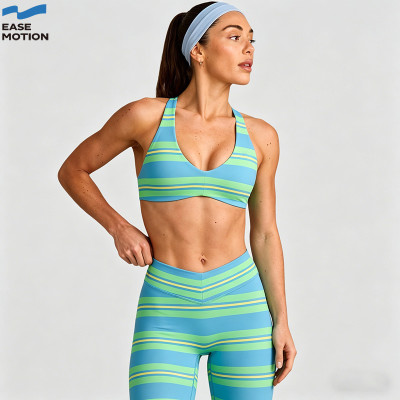
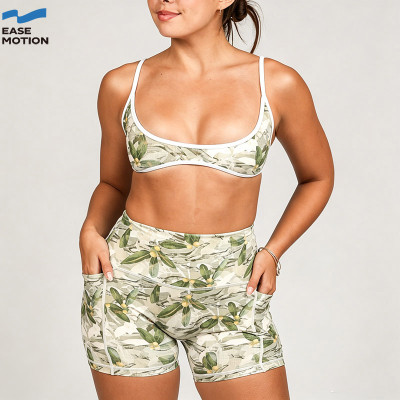
Explore the impactful versatility of full print designs, which offer a broad spectrum from subtle patterns to vibrant graphical expressions, a key trend in modern activewear. Strategically leverage color psychology and material textures for appeal, aligning with current fashion cycles while ensuring enduring style, a principle easemotion embodies.
Full print designs are a significant trend in activewear, offering a canvas for self-expression that ranges from subtle, tone-on-tone patterns to bold, eye-catching graphics. Incorporating prints like modern zebra stripes or abstract florals can instantly make a collection feel current. However, to ensure timelessness, these prints should align with your brand's core color story and aesthetic.
Color psychology is another powerful tool. Colors evoke specific emotions and can significantly impact performance and perception. Red, for instance, is associated with energy and passion, making it great for high-intensity gear, while blue conveys calmness and trust. The 2025 activewear color landscape includes a mix of high-energy brights and versatile neutrals, offering plenty of options. By building a palette around core neutrals (like black, grey, or navy) and using trendy colors as accents, you can create a collection that feels fresh yet classic.
Material textures, such as ribbed fabrics, waffle knits, or mesh panels, add another layer of depth and sophistication. These not only enhance visual appeal but can also improve functionality by adding breathability or contouring effects. The key is to create pieces that people want to keep wearing, not just because they are durable, but because they remain functionally relevant and personally expressive over time. By partnering with an innovative manufacturer like easemotion, you can leverage expertise in both trend forecasting and quality construction to build a brand that masterfully blends the modern with the timeless.
Prioritizing Comfort and Durability in Material Selection
While aesthetics capture the eye, it is the performance and feel of the fabric that ultimately determines a customer's satisfaction and loyalty. In activewear, and especially for a garment as intimate as a sports bra, the choice of material is paramount. The right fabric must deliver on a complex set of demands, including support, comfort, moisture management, and longevity.
Select high-quality fabrics offering optimal stretch, breathability, and moisture-wicking properties for an active, comfortable lifestyle. Ensure all materials meet rigorous standards for longevity and sustained performance.
The ideal sports bra fabric is a technical marvel. It must provide the perfect balance of stretch and recovery. Fabrics containing elastane (like Spandex or Lycra) are essential, as they allow the bra to move with the body and then snap back into shape without bagging or losing support over time. A high-quality fabric will offer firm, controlled stretch to minimize bounce during high-impact activities.
Moisture management is another non-negotiable feature. Fabrics like polyester and nylon are a popular choice because their hydrophobic fibers pull sweat away from the skin and push it to the surface of the garment to evaporate quickly. This moisture-wicking process keeps the wearer dry, comfortable, and reduces the risk of chafing and skin irritation. In contrast, materials like cotton, while soft, absorb moisture and become heavy and wet during exercise, making them unsuitable for performance wear.
Finally, durability is key. A sports bra endures significant stress from intense movement, sweat, and frequent washing. High-quality synthetic blends are engineered to resist pilling, abrasion, and degradation from heat and oils, ensuring the garment maintains its shape, color, and supportive properties through countless workouts. Investing in superior fabrics isn't just about creating a better product; it's about building a reputation for quality and reliability that your customers can count on.
| Fabric Feature | Importance for Sports Bras | Common Materials |
|---|---|---|
| Moisture-Wicking | Pulls sweat away from the skin to keep the wearer dry and comfortable, preventing chafing. | Polyester, Nylon, Bamboo Rayon |
| Stretch & Recovery | Allows for freedom of movement while providing a snug, supportive fit. High recovery ensures the bra keeps its shape. | Spandex/Elastane blends (e.g., Lycra) are crucial. |
| Breathability | Permits air circulation to regulate body temperature and prevent overheating during intense workouts. | Mesh panels, lightweight knits, perforated fabrics. |
| Durability | Withstands repeated stretching, washing, and exposure to sweat without losing integrity or support. | High-tenacity Polyester, Nylon blends. |
| Soft Hand-Feel | Ensures next-to-skin comfort and prevents irritation, especially important for seamless designs. | Micro-polyester, nylon, modal (bamboo) blends. |
Ultimately, a brand that consistently delivers on the promise of an active, comfortable lifestyle through superior material selection will earn the trust and long-term loyalty of its customers.
Driving Innovation Through Customization: How To Build Your Own Sports Bra Brand with Unique Offerings
In a market saturated with options, customization is the key to creating a product that truly stands out. It allows a brand to move beyond one-size-fits-all solutions and deliver specialized garments that cater to specific needs, preferences, and body types. By focusing on innovative and diverse offerings, you can carve out a unique space in the activewear industry and build a brand celebrated for its thoughtful and user-centric approach.
Diversifying Your Product Line with Essential Styles
A robust product line is one that offers variety without sacrificing brand identity. To meet the diverse needs of the modern consumer, it's essential to offer a range of foundational sports bra styles. Each style should serve a distinct purpose while still aligning with the brand's overall aesthetic and quality standards. This strategic diversification ensures that every customer can find a piece that fits her lifestyle, activity level, and fashion sense, thereby broadening your market appeal.
Offer foundational sports bras, including standard and full print options, designed for both rigorous activity and as an integral part of a leisure sports set. Introduce specialized comforts like full print padded sports bras, providing enhanced support and shaping, crucial for diverse body types and activities. Develop versatile full print longline sports bras, extending coverage for modest wear or layered styling, blending fashion with unparalleled functionality.
To build a comprehensive sports bra collection, consider including these essential styles:
Foundational Sports Bras: These are the workhorses of the collection, available in both solid colors and full-print designs. They should be engineered for performance, providing reliable support for activities ranging from low-impact yoga to high-impact running, while also being stylish enough to be worn as part of an athleisure set. These bras typically fall into three support categories:
- Low-Impact: Ideal for activities like yoga, walking, and Pilates, offering light compression and flexibility.
- Medium-Impact: Suited for cycling, hiking, and strength training, providing a balance of comfort and support.
- High-Impact: Designed for running, aerobics, and HIIT, featuring robust construction to minimize bounce and protect breast tissue.
Full Print Padded Sports Bras: Padding offers several key benefits, making it a valuable addition to your line. A padded sports bra provides enhanced shaping and a smooth silhouette under clothing, which many women prefer. It also offers extra support and modesty, preventing nipple visibility during workouts. For high-impact activities, styles with structured or molded pads can offer superior bounce control and comfort. By offering these in your signature full-print designs, you combine function with a strong fashion statement.
Full Print Longline Sports Bras: The longline silhouette, which features a band that extends further down the ribcage, is both a functional and stylistic winner. Functionally, the wider band provides excellent anchored support, helps distribute weight more evenly, and prevents the bra from riding up. Aesthetically, it offers more coverage, allowing it to double as a crop top when paired with high-waisted leggings. This versatility makes the longline sports bra a popular choice for everything from gym workouts to casual streetwear, seamlessly blending fashion and function.
Integrating Performance Features and User-Centric Design
Beyond style and fabric, the most successful activewear brands are those that obsess over the details of fit and function. User-centric design is an approach that places the wearer's experience at the forefront of the creation process. This means designing with a deep understanding of human anatomy, movement, and the real-world challenges athletes face, resulting in garments that are not just worn, but experienced.
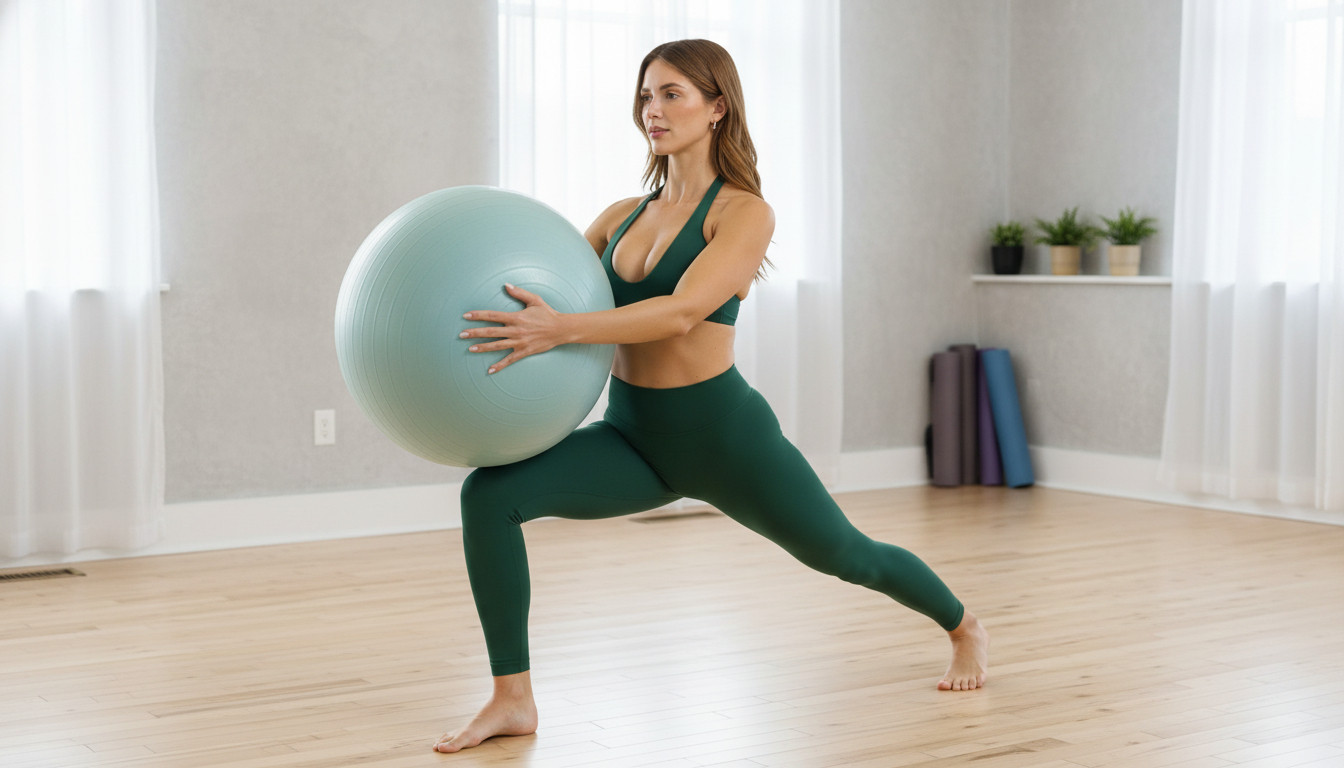
Implement ergonomic cuts and seam placements to minimize chafing and maximize freedom of movement during various activities. Focus on adjustable features and inclusive sizing to cater to a broader audience, ensuring every wearer finds their perfect fit for an active, comfortable lifestyle.
Ergonomics and Comfort: The true test of a sports bra is how it performs in motion. Ergonomic design is the science of creating apparel that works in harmony with the body.
- Ergonomic Cuts: Garments should be tailored to follow the body's natural contours. This approach eliminates excess fabric that could cause drag or bunching and ensures the bra moves with the athlete, not against them.
- Seam Placement: Poorly placed seams are a primary cause of chafing and discomfort. By using flatlock stitching and strategically placing seams away from high-friction areas (like under the arms or across the shoulders), you can create a "second-skin" feel that prevents irritation, even during the most intense workouts.
Adjustability and Inclusivity: A perfect fit is crucial for both comfort and support, and a one-size-fits-all approach simply doesn't work.
- Adjustable Features: Features like adjustable straps and multi-level hook-and-eye closures are game-changers. They allow the wearer to customize the fit to their unique body shape, ensuring the bra is perfectly snug and supportive without digging in. Adjustable straps are particularly important for distributing weight evenly and preventing shoulder strain, especially for women with larger busts.
- Inclusive Sizing: Offering a wide range of sizes is not just a trend; it's a commitment to making fitness accessible and empowering for all body types. True size inclusivity goes beyond simply extending a size chart; it involves thoughtful design and testing on diverse bodies to ensure a consistent and supportive fit across all sizes. When brands champion size diversity, they send a powerful message of equality and representation, fostering a more positive and inclusive fitness culture.
By focusing on these user-centric details, you can create a sports bra line that not only looks great but also delivers an unparalleled experience of comfort and performance. For brands looking to execute such precise and thoughtful designs, partnering with a technically-proficient manufacturer like easemotion{target="_blank"} is essential to bring your vision to life with quality and consistency.
Conclusion
A truly successful sports bra brand is built upon a strong foundation of clear identity, intelligent customization, and captivating aesthetics. These three pillars work in synergy to create a brand that is not only profitable but also meaningful and enduring. By meticulously defining your unique offering, embracing innovative user-centric design, and prioritizing the non-negotiable elements of comfort and quality, your brand can resonate deeply with its target market.
This journey begins with an authentic story and a deep understanding of who you serve. It's brought to life through a cohesive visual language and a product line that is both diverse and purposeful. Finally, it's sustained through a relentless commitment to performance, from ergonomic cuts to superior materials that support an active, comfortable lifestyle. Ultimately, brands that consistently deliver on this promise, much like the high standards upheld by partners such as easemotion, are poised for enduring success in the dynamic activewear industry. Now is the time to build a brand that empowers movement and inspires confidence.
Frequently Asked Questions (FAQ)
1. What are the most important first steps in starting a sports bra brand? The most critical first step is identifying a problem in the market and defining your niche. This involves researching your target audience to understand their specific needs—whether it's for high-impact support, sustainable materials, or inclusive sizing. Once you have a clear audience and purpose, you must develop a strong brand identity, including your mission, vision, values, and a unique visual language (logo, colors, etc.).
2. How much does it typically cost to start a sports bra line? The cost can vary dramatically based on factors like design complexity, fabric quality, order quantity, and marketing spend. Initial costs will include design and tech pack creation, fabric sourcing, sample production, manufacturing (often with minimum order quantities), and setting up an e-commerce platform and marketing budget. It is wise to start with a minimum viable product (MVP)—a small, focused collection of 2-4 key styles—to test the market before investing in a larger inventory.
3. What are the key differences between low, medium, and high-impact sports bras? The difference lies in the level of support they provide, which corresponds to the intensity of the activity.
- Low-impact sports bras are for activities with minimal bounce, like yoga, Pilates, and walking. They prioritize comfort and flexibility with lighter fabrics and often have simpler constructions.
- Medium-impact sports bras are for activities like cycling, hiking, and weightlifting. They offer a balance of compression and support to reduce moderate movement.
- High-impact sports bras are essential for running, HIIT, and other activities involving jumping. They use robust construction, such as encapsulation (separate cups), compression, wider straps, and firm underbands, to minimize breast movement significantly and prevent ligament damage.
4. How do I ensure my sports bras are comfortable and prevent chafing? Comfort and anti-chafing design come from a combination of fabric choice and construction. Use soft, moisture-wicking fabrics like polyester or nylon blends to keep skin dry. Employ ergonomic design principles, such as placing seams away from high-friction zones (e.g., under the arms). Using flatlock seams or seamless knitting technology can create a smooth, next-to-skin surface that drastically reduces irritation during movement.
5. Why is inclusive sizing so important for an activewear brand? Inclusive sizing is crucial because it promotes equality and representation in fitness. Historically, many brands have catered to a narrow range of body types, excluding a large portion of the population. By offering a wide spectrum of sizes that are thoughtfully designed and tested on diverse bodies, you make fitness more accessible and welcoming. This not only broadens your customer base but also builds strong brand loyalty and fosters a positive, body-confident community around your brand.
6. What is a "longline" sports bra and what are its advantages? A longline sports bra features a band that extends further down the torso, often to the natural waist. Its primary advantages include enhanced support and stability, as the wider band helps anchor the bra and distribute weight more evenly, preventing it from riding up. Aesthetically, it offers more coverage and can be worn as a crop top, making it a versatile piece for both the gym and everyday athleisure wear.
7. How can I find a reliable manufacturer for my sports bra brand? Finding the right manufacturing partner is key to your brand's success. Look for manufacturers who specialize in activewear and have experience with technical fabrics and complex constructions. Ask for samples of their work to assess quality. It's also important to find a partner who aligns with your brand's values, whether it's sustainability or innovation. A high-end manufacturer like easemotion can provide expertise in custom design, material sourcing, and quality control, ensuring your vision is executed to the highest standard.