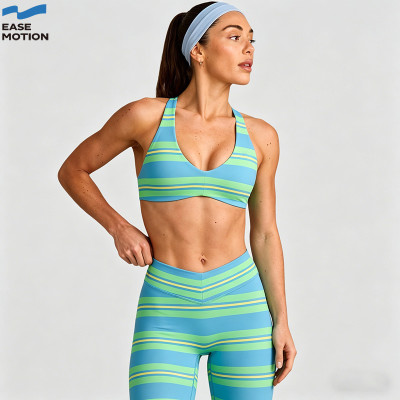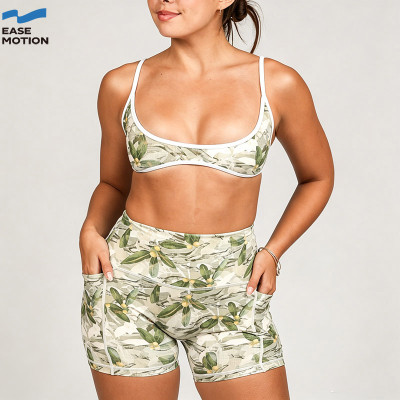
Everything You Should Know About Custom Sports Bra with Logo Manufacturing
As the athleisure market continues its explosive growth, projected to surpass $660 billion by 2030, brands are constantly seeking ways to distinguish themselves in a crowded field. The consumer shift towards versatile, comfortable, and stylish apparel that seamlessly transitions from workouts to daily life has solidified athleisure not just as a trend, but as a permanent lifestyle. For businesses aiming to make a lasting impression, creating a custom sports bra with a logo is a powerful strategy. It allows a brand to build a strong identity, connect with a health-conscious audience, and offer specialized products tailored to various fitness needs.
This guide explores the essential aspects of manufacturing a custom sports bra with a logo, from the initial concept to the final product. For brands aiming to thrive, understanding the intricacies of fabrication, design, and manufacturing is paramount. We will delve into critical considerations and provide a comprehensive roadmap to help you navigate the process, ensuring your final product delivers on performance, style, and brand integrity.
Key Takeaways
This guide provides a comprehensive roadmap for brands looking to develop a custom sports bra with a logo. Here are the essential points to remember:
Strategic Sourcing is Foundational: Your manufacturing partner is the most critical element of your success. The location of your manufacturer significantly impacts cost, logistics, and access to specialized materials. Regions like Guangdong in China offer comprehensive, integrated supply chains, while areas like Fujian are renowned for their expertise in high-performance and technical fabrics. Choosing a partner with a proven track record, like easemotion, provides access to industry experience and streamlined OEM/ODM services, mitigating risks and ensuring a higher quality outcome.
Material Science Dictates Performance: The feel and function of your sports bra are determined by your fabric choices. Technical fabrics—typically blends of polyester, nylon, and spandex—are essential for achieving the right balance of support, flexibility, and comfort. Key characteristics to prioritize include moisture-wicking and quick-drying properties, four-way stretch for unrestricted movement, and excellent breathability. Understanding fabric weight (GSM) and compression levels is crucial for tailoring the bra to its intended impact level, from low-impact yoga to high-impact running.
Design Must Balance Branding and Functionality: A successful custom sports bra is more than just a canvas for your logo. Strategic design is critical for user comfort and performance. This includes thoughtful logo placement that enhances the design without compromising the fabric's integrity. Seam placement, anti-chafing features like flatlock stitching, and the structural design (compression, encapsulation, or hybrid) must all be carefully considered to match the bra's intended use and support level. Your design should be a harmonious blend of your brand's aesthetic and ergonomic principles.
Quality Control and Sustainability are Non-Negotiable: Rigorous quality control (QC) is essential for brand reputation. This process begins with detailed tech packs and continues through multiple sampling stages, fit confirmations, and in-line production inspections. It ensures that every piece meets your specifications for fit, function, and durability. Furthermore, modern consumers increasingly prioritize sustainability. Partnering with a manufacturer that offers eco-friendly fabric options (like recycled polyester) and employs sustainable production methods is not only ethically responsible but also a powerful marketing tool that resonates with a growing segment of the market. By integrating these practices, you build a brand that is both high-quality and conscientious.
Strategic Sourcing: Finding the Right Partner for Your Custom Sports Bra with Logo
The success of your custom sports bra line hinges on finding a manufacturing partner who can translate your vision into a high-quality product. This is more than a simple transaction; it's a strategic partnership. China remains a global leader in sportswear manufacturing, offering an unparalleled ecosystem of fabric innovation, skilled labor, and supply chain efficiency. However, navigating this vast landscape requires a deep understanding of its regional specializations to find a factory that aligns with your brand's specific needs for quality, cost, and customization.
Optimizing Manufacturing Locations for Custom Sports Bra with Logo Production
China's manufacturing prowess is not monolithic. Different regions have developed unique strengths, creating specialized hubs for different aspects of apparel production. For activewear, and specifically for a technical garment like a sports bra, the key manufacturing clusters are concentrated in provinces like Guangdong, Zhejiang, and Fujian. Understanding these regional strengths is the first step in optimizing your sourcing strategy.
China's Regional Specialization in Activewear
The country's dominance in activewear production stems from its ability to integrate the entire supply chain, from raw material sourcing and fabric development to cutting, sewing, and international logistics. Major activewear manufacturing clusters include Guangdong, Fujian, Zhejiang, and Jiangsu. These regions have cultivated ecosystems where fabric mills, accessory suppliers, and garment factories operate in close proximity, creating efficiencies that are difficult to replicate elsewhere. For a brand owner, this means faster development times, access to a wider variety of materials, and a more streamlined production process.
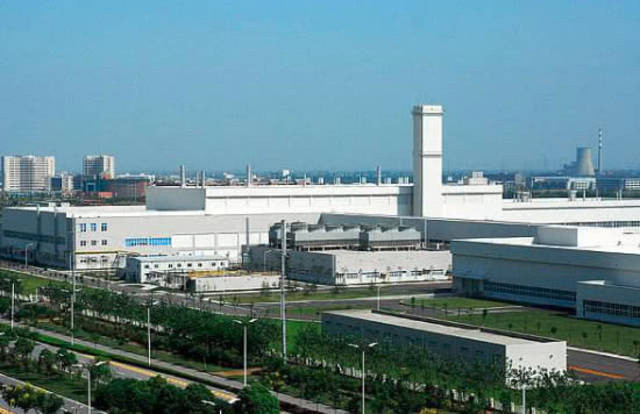
Guangdong: Comprehensive Supply Chains for Custom Sports Bra with Logo
Located in the Pearl River Delta, Guangdong province, with its key city Guangzhou, is a powerhouse for apparel manufacturing. It is renowned for its comprehensive and highly integrated supply chain. Factories in this region, like those in the city of Dongguan, provide a "one-stop-shop" solution, managing everything from material sourcing and sample making to bulk production and quality control. This makes Guangdong an excellent choice for brands that require full-package services and want to streamline the transition from a design concept to a market-ready product. Many manufacturers in this area cater to both startups and established brands, offering expertise in custom designs, private labeling, and flexible order quantities.
Fujian: Expertise in Performance Fabrics for Custom Sports Bra with Logo
Fujian province has carved out a niche as a center for high-tech and functional textiles. Companies in this region are often leaders in the research, development, and production of innovative performance fabrics. If your custom sports bra design demands specific technical features—such as advanced moisture-wicking, cooling technology, high abrasion resistance, or sustainable materials like recycled nylon—Fujian-based suppliers are an ideal starting point. Many have established strategic partnerships with global sportswear brands to advance green and sustainable initiatives, holding certifications like GRS (Global Recycled Standard) and OEKO-TEX. Partnering with a manufacturer here gives you direct access to the latest fabric innovations.
Partnering with easemotion for Quality Custom Sports Bra with Logo Manufacturing
Selecting the right partner is about more than just location; it's about expertise, reliability, and a shared commitment to quality. An experienced manufacturer acts as a strategic growth partner, guiding you through the complexities of product development.
Leveraging easemotion's Experience in Yoga and Activewear
A specialized manufacturer like easemotion brings invaluable industry knowledge to the table. With a deep focus on yoga and activewear, they possess a nuanced understanding of what makes a sports bra successful—from the optimal fabric blends for different activities to the construction techniques that provide the best support and comfort. This specialized experience means they can provide targeted advice on material selection, fit, and functionality, helping you avoid common pitfalls and create a product that genuinely meets the needs of your target audience.
Seamless OEM/ODM Services for Your Custom Sports Bra with Logo
For many brands, particularly new or growing ones, navigating the manufacturing process can be daunting. This is where a robust Original Equipment Manufacturing (OEM) and Original Design Manufacturing (ODM) service model is crucial. OEM services allow you to bring your unique design (often in the form of a detailed "tech pack") to a factory for production. ODM involves selecting and customizing a pre-existing design from the manufacturer's portfolio.
easemotion offers seamless OEM/ODM services, providing a flexible framework that supports your brand at any stage. They can work from a simple sketch to develop a full tech pack or collaborate on customizing their proven designs with your unique logo and branding. This integrated approach, which covers everything from pattern design and sampling to sourcing and final production, streamlines the entire process, reduces time-to-market, and ensures that your vision for a custom sports bra with a logo is executed with precision and quality.
Mastering Material Selection for Your Performance-Driven Custom Sports Bra with Logo
The soul of a sports bra lies in its fabric. The material you choose will dictate its performance, comfort, durability, and ultimately, its success in the market. Creating a performance-driven custom sports bra requires a deep understanding of technical fabrics and their specific properties. The goal is to select a material that can withstand intense physical activity while providing optimal support and comfort.
Essential Technical Fabrics for a High-Quality Custom Sports Bra with Logo
High-quality sports bras are engineered with specialized technical fabrics. These are typically synthetic blends designed to offer a combination of stretch, support, and moisture management that natural fibers like cotton cannot provide for active use. While cotton is soft, it absorbs moisture and becomes heavy, which is undesirable during a workout.
Polyester, Nylon, and Spandex Blends for Optimal Support
The foundation of most modern sportswear is a blend of primary synthetic fibers with an elastane component.
- Polyester: This is the workhorse of activewear. Polyester is hydrophobic, meaning it repels water, which makes it exceptionally good at wicking moisture away from the skin and drying quickly. It is also highly durable, resistant to pilling, and holds color and prints exceptionally well, making it ideal for vibrant, branded apparel.
- Nylon (Polyamide): Known for its silky-smooth, luxurious handfeel, nylon is often used in premium activewear. It is incredibly strong and has excellent abrasion resistance and stretch recovery. While it absorbs slightly more moisture than polyester, modern nylon fabrics are engineered for effective moisture management and offer superior softness against the skin.
- Spandex (Elastane/Lycra): This is the key ingredient for stretch. Spandex is blended into polyester or nylon (typically in proportions from 10% to 25%) to provide the essential four-way stretch that allows a sports bra to move with the body without losing its shape. A higher percentage of spandex generally equates to greater compression and shape retention.
The most common and effective blends for sports bras are Polyester/Spandex and Nylon/Spandex. The choice between them often comes down to balancing performance priorities: polyester excels in moisture management for high-intensity workouts, while nylon offers a softer, more premium feel ideal for studio activities like yoga and pilates.
Understanding Fabric Weight and Compression for Your Custom Sports Bra with Logo
Fabric weight, measured in Grams per Square Meter (GSM), is a critical specification that directly impacts the thickness, opacity, and compressive support of the sports bra.
- Lightweight (150-200 GSM): These fabrics are best suited for low-impact activities like yoga or for use as lining. They offer maximum breathability and flexibility but provide minimal compression.
- Midweight (210-250 GSM): This is the most versatile and common range for sports bras. It provides a good balance of support, coverage (ensuring it's not see-through), and comfort, making it suitable for gym workouts, cycling, and dance. A fabric around 220 GSM can provide excellent support for medium-impact activities.
- Heavyweight (260-320+ GSM): Chosen for high-impact sports bras, these dense, heavy fabrics offer the highest level of compression to minimize bounce during activities like running and HIIT. These fabrics often have a higher spandex content (15-25%) to provide firm, structural support.
It's crucial to align the GSM with the bra's intended impact level to ensure it provides the right amount of support without feeling overly restrictive or failing to provide enough security.
| Fabric Weight (GSM) | Common Applications & Support Level | Key Characteristics |
|---|---|---|
| 150–200 GSM | Low-Impact (Yoga, Pilates, Loungewear), Linings | Lightweight, highly breathable, flexible, minimal compression. |
| 210–250 GSM | Medium-Impact (Gym, Cycling, Dance), All-Purpose | Balanced support and flexibility, good opacity, comfortable for extended wear. |
| 260–320+ GSM | High-Impact (Running, HIIT, Field Sports) | Maximum compression and bounce control, structural support, durable. |
Key Characteristics for Superior Custom Sports Bra with Logo Fabrics
Beyond the basic composition and weight, several functional properties define a superior activewear fabric. These are non-negotiable for a product that needs to perform under pressure.
Moisture-Wicking and Quick-Drying Properties
A fabric's ability to manage sweat is arguably its most important performance feature. Moisture-wicking technology works through capillary action, where the fabric's fibers are engineered to pull moisture away from the skin and transport it to the outer surface of the garment. This allows the sweat to evaporate quickly, keeping the wearer dry, cool, and comfortable. This process is crucial for regulating body temperature and preventing the chilling effect and chafing that can occur from sweat-soaked-fabric. Polyester is particularly effective at this due to its hydrophobic nature.
Four-Way Stretch and Durability for Longevity
A sports bra must move like a second skin. Four-way stretch fabric, which stretches and recovers on both the crosswise and lengthwise grains, is essential for providing an unrestricted range of motion. This is achieved by adding elastane fibers like Spandex. Equally important is durability. The fabric must withstand the stress of intense workouts and frequent washing without losing its shape, pilling, or color. Nylon is known for its exceptional durability and abrasion resistance, while polyester is also highly resilient.
Breathability and Ventilation for Maximum Comfort
While wicking moisture away is key, the fabric also needs to be breathable, allowing air to circulate and heat to escape. This prevents overheating during intense exercise. While synthetic fabrics are generally less breathable than natural ones, their construction can be engineered for better airflow. To enhance ventilation, many sports bra designs strategically incorporate panels of breathable mesh fabric in high-sweat zones, such as the back, center front, and under the bust. This combination of a supportive main fabric and breathable mesh panels creates a perfect balance of function and comfort.
Design and Customization: Elevating Your Brand with a Unique Custom Sports Bra with Logo
A well-designed custom sports bra does more than just perform; it tells your brand's story. The design phase is where functionality, aesthetics, and brand identity converge. A thoughtful approach to customization can elevate a standard piece of activewear into a signature product that builds brand loyalty and stands out in a competitive market.
Critical Design Considerations for Your Custom Sports Bra with Logo
Every design choice, from logo placement to seam construction, impacts the user's experience. A successful design is a harmonious blend of visual appeal and ergonomic engineering, ensuring the bra is as comfortable as it is stylish.
Strategic Placement of Logos and Branding Elements
The logo is the centerpiece of your custom apparel, but its placement requires careful thought. The goal is to maximize visibility without compromising the garment's performance or comfort.
Common high-visibility locations include:
- Center Back: A small, subtle logo placed on the back, either between the shoulder blades or on the underbust band, is a popular and clean choice. It's visible and gives an "airy" and premium appearance.
- Front Chest: The left or right chest is a traditional spot that offers great visibility. However, consider the type of logo application; a large, stiff heat transfer in this area could interfere with the fabric's stretch.
- Side Panels or Straps: These areas offer unique branding opportunities but should be used thoughtfully to avoid a cluttered look.
The size and type of logo also matter. A small icon on the center back waistband offers a subtle, elevated look, while a bold wordmark down the side feels more sporty and performance-focused. Always consider how the logo will look when the garment is worn and in motion.
Ensuring Comfort: Seam Placement and Anti-Chafing Features
Chafing is the enemy of performance. It's an uncomfortable irritation caused by friction between fabric and skin, often exacerbated by moisture and repetitive movement. Excellent sports bra design prioritizes anti-chafing features.
- Flatlock Seams: Unlike traditional overlock seams that have a raised edge, flatlock stitches create a seam that lies completely flat against the skin. This significantly reduces friction and bulk, making them a hallmark of premium activewear. They are essential for any part of the bra that will have close-contact and movement, such as side seams and around the armholes.
- Seamless Construction: Some sports bras are designed with minimal to no seams, which virtually eliminates the risk of chafing. While comfortable, this construction method affects the level of structural support, so it is often best for low to medium-impact activities.
- Bonded Seams: This technique uses adhesive to fuse fabric edges together, creating a completely flat and smooth join. It's another excellent option for preventing irritation.
The placement of seams is as important as their type. Seams should be moved away from high-friction areas like directly under the arms or over the shoulder blades where possible.
Impact Level and Support Styles (Compression, Encapsulation, Hybrid)
The structural design of the sports bra is the most critical factor for support. There are three primary styles, each suited for different body types and activities:
- Compression Bras: These are the classic "uniboob" style bras. They function by pressing the breast tissue firmly against the chest to minimize movement. Compression bras are generally pullover styles, great for smaller cup sizes (A/B cups) and ideal for low-to-medium-impact activities like yoga, weightlifting, or walking.
- Encapsulation Bras: These bras are designed with two distinct, separate cups, much like a traditional bra. Each breast is supported individually, which provides better shaping and reduces movement without the intense squeezing of a compression bra. Encapsulation bras are excellent for larger busts and are often preferred for high-impact activities like running, as they offer superior motion control.
- Hybrid Bras: Combining the best of both worlds, hybrid bras offer individual encapsulated cups underneath an outer layer of compressive fabric. This dual-action support system provides maximum bounce control and comfort, making it the most effective option for high-impact workouts across a wide range of bust sizes.
Choosing the right support style is fundamental. A mismatched support level can lead to discomfort, inadequate protection, and a poor customer experience.
Leveraging easemotion's Design Expertise for Your Custom Sports Bra with Logo
Translating a design idea into a manufacturable product requires technical expertise. Partnering with a manufacturer that has a strong design and development team can streamline this process and elevate the final product.
From Concept to Tech Pack: A Collaborative Approach
A tech pack is the comprehensive blueprint for your custom sports bra. It's a detailed document that communicates every single specification to the manufacturer, including technical sketches, fabric details, color codes, seam types, measurements for every size, and logo placement instructions.
Creating a professional tech pack can be a daunting task for new brands. An experienced partner like easemotion can collaborate with you, turning your initial sketches or inspiration into a factory-ready tech pack. This collaborative approach ensures that your design is not only aesthetically pleasing but also manufacturable and optimized for performance. It helps avoid miscommunication and costly errors during sampling and production.
Flexible Customization Options and Low Minimum Order Quantities
For startups and growing brands, flexibility is key. High minimum order quantities (MOQs) can be a significant barrier to entry, tying up capital and increasing inventory risk. Manufacturers offering low MOQs empower brands to test new designs, launch with a smaller initial investment, and manage their inventory more effectively.
easemotion supports brands by offering flexible customization and accessible MOQs. This allows you to launch your custom sports bra with a logo without the pressure of large-volume orders, providing a pathway to test the market, gather feedback, and scale your business with less risk.
Quality Control and Sustainable Practices in Custom Sports Bra with Logo Manufacturing
In the high-stakes world of activewear, your brand's reputation is built on consistency and trust. A rigorous quality control (QC) process is not a choice but a necessity to ensure every product meets customer expectations for performance, fit, and durability. Simultaneously, the growing consumer demand for transparency and environmental responsibility makes sustainable manufacturing a critical component of a modern brand's identity.
Ensuring Excellence: Rigorous Quality Control for Your Custom Sports Bra with Logo
A comprehensive QC strategy is a multi-stage process that runs parallel to production, from initial concept to final shipment. It is a systematic approach to preventing defects rather than just catching them at the end.
The Importance of Sampling and Fit Confirmation
The sampling stage is arguably the most crucial part of quality control. It is where the digital design on a tech pack is translated into a physical product for the first time. This process serves several key functions:
- Design Validation: It allows you to see, touch, and feel the garment, confirming that the fabric, construction, and overall look align with your vision.
- Fit Confirmation: This is the core of the sampling process. A fit sample is created to be tested on a fit model or mannequin. This allows you to evaluate how the garment moves and sits on the body, checking for any issues like restricted movement, poor proportions, or discomfort. Getting the fit right is essential, as poor fit is a primary driver of customer returns.
- Clarifying Communication: A physical sample serves as an unambiguous communication tool between you and your manufacturer, overcoming potential language barriers or misinterpretations of technical drawings.
This is an iterative process. It may take several rounds of samples (proto sample, fit sample, pre-production sample) to perfect the design. Rushing this stage can lead to costly mistakes in bulk production.
In-line Inspections and Final Product Testing
Quality control must continue once bulk production begins.
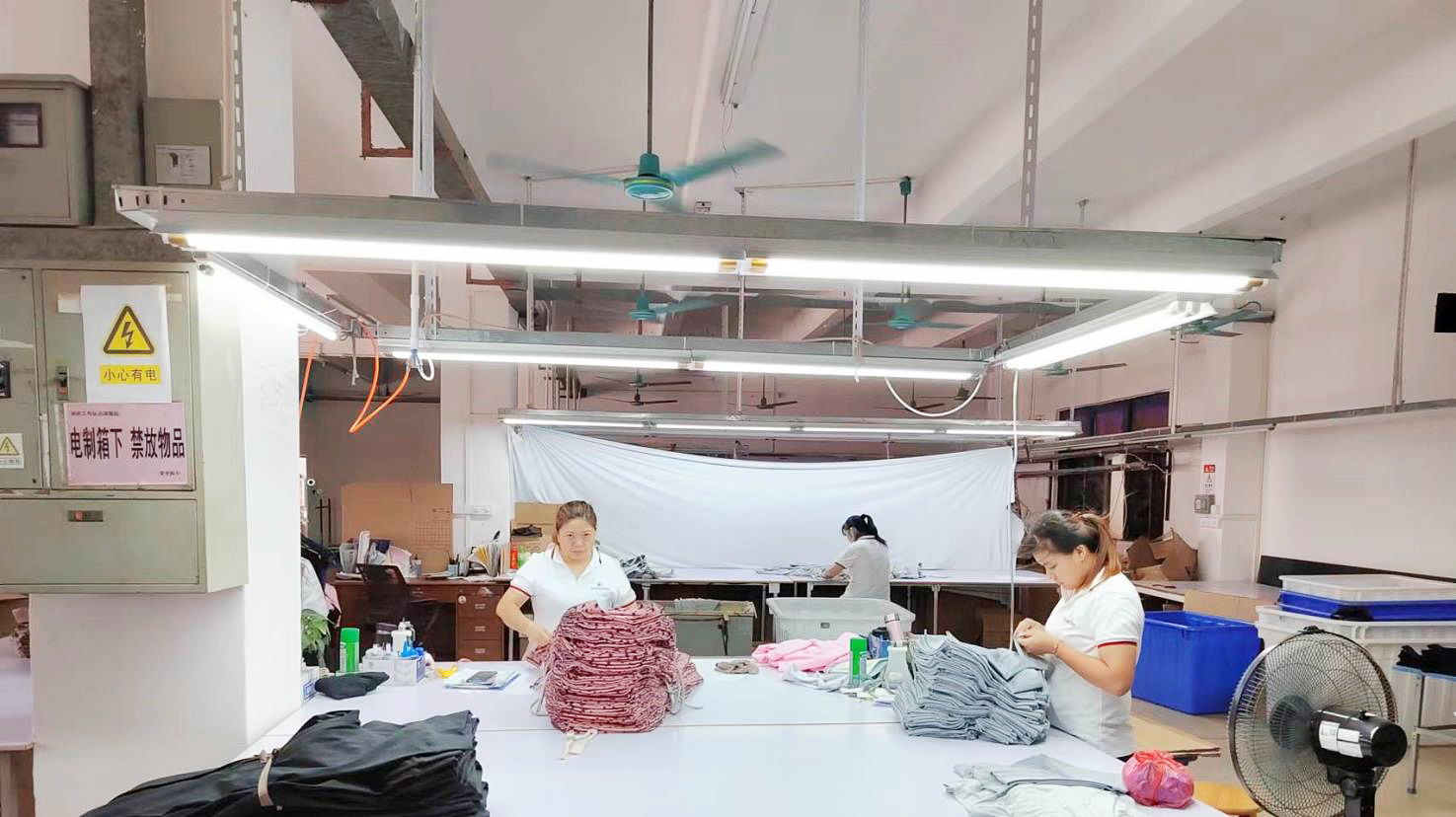
- In-Line Inspections: Also known as in-process inspections, these are checks conducted at various stages of the assembly line—such as after cutting, during sewing, and before finishing. By identifying issues early, manufacturers can correct them immediately, preventing a small error from being replicated across thousands of units. This proactive approach minimizes waste and rework, ensuring greater consistency across the entire production run.
- Final Product Testing: Before garments are packed for shipment, a final inspection is performed to verify they meet all established standards. This includes checking measurements against the approved specs, looking for any fabric or stitching defects, and confirming that logos and labels are correctly placed and applied. For a performance garment like a sports bra, this may also include specific tests to verify its functionality. Some advanced testing methods use 3D motion capture to scientifically measure how well a bra reduces breast movement during activities like running, providing objective data on its support level.
Embracing Sustainability in Custom Sports Bra with Logo Production with easemotion
Sustainable manufacturing is no longer a niche concern but a core expectation for modern consumers and a hallmark of a responsible brand. It encompasses the entire lifecycle of a product, from sourcing eco-friendly materials to minimizing waste and ensuring ethical labor practices.
Eco-Friendly Fabric Options and Ethical Manufacturing
The foundation of sustainable activewear lies in material selection. Manufacturers are increasingly offering a range of eco-friendly fabrics that deliver high performance with a lower environmental footprint.
Key eco-friendly fabric options include:
- Recycled Polyester (rPET): Made from post-consumer plastic bottles, this material reduces landfill waste and dependence on virgin petroleum.
- Recycled Nylon: Often created from post-consumer waste like old fishing nets, recycled nylon offers the same durable, high-stretch performance as its virgin counterpart.
- Organic Cotton: While less common for high-sweat activewear, organic cotton is grown without synthetic pesticides, making it a safer choice for both the environment and workers.
- Plant-Based Fibers: Materials like Tencel™ (Lyocell), derived from sustainably sourced wood pulp, and bamboo offer biodegradable alternatives that are soft and breathable.
Partnering with a manufacturer like easemotion, who is committed to these principles, gives you access to a supply chain that values both environmental stewardship and social responsibility. This includes ensuring fair wages, safe working conditions, and holding certifications like OEKO-TEX®, which guarantees fabrics are free from harmful substances.
Reducing Waste through Optimized Production Processes
A significant amount of waste in the fashion industry comes from the production process itself, particularly during fabric cutting. Sustainable manufacturers employ several strategies to combat this:
- Optimized Cutting: Advanced software and AI can be used to plan the most efficient layouts for pattern pieces on a roll of fabric, minimizing the amount of unused scraps.
- Waste Recycling: Instead of sending fabric offcuts to a landfill, they can be collected and recycled. Some manufacturers recycle these scraps into new fibers or use them for smaller products and accessories.
- Circular Design: This approach involves designing garments with their end-of-life in mind, making them easier to disassemble and recycle.
- Efficient Inventory Management: By offering low MOQs, manufacturers like easemotion help brands avoid overproduction, a primary source of post-consumer waste. This allows you to produce closer to demand, reducing the risk of unsold inventory ending up in landfills.
Key Takeaways
This guide provides a comprehensive roadmap for brands looking to develop a custom sports bra with a logo. Here are the essential points to remember:
Strategic Sourcing is Foundational: Your manufacturing partner is the most critical element of your success. The location of your manufacturer significantly impacts cost, logistics, and access to specialized materials. Regions like Guangdong in China offer comprehensive, integrated supply chains, while areas like Fujian are renowned for their expertise in high-performance and technical fabrics. Choosing a partner with a proven track record, like easemotion, provides access to industry experience and streamlined OEM/ODM services, mitigating risks and ensuring a higher quality outcome.
Material Science Dictates Performance: The feel and function of your sports bra are determined by your fabric choices. Technical fabrics—typically blends of polyester, nylon, and spandex—are essential for achieving the right balance of support, flexibility, and comfort. Key characteristics to prioritize include moisture-wicking and quick-drying properties, four-way stretch for unrestricted movement, and excellent breathability. Understanding fabric weight (GSM) and compression levels is crucial for tailoring the bra to its intended impact level, from low-impact yoga to high-impact running.
Design Must Balance Branding and Functionality: A successful custom sports bra is more than just a canvas for your logo. Strategic design is critical for user comfort and performance. This includes thoughtful logo placement that enhances the design without compromising the fabric's integrity. Seam placement, anti-chafing features like flatlock stitching, and the structural design (compression, encapsulation, or hybrid) must all be carefully considered to match the bra's intended use and support level. Your design should be a harmonious blend of your brand's aesthetic and ergonomic principles.
Quality Control and Sustainability are Non-Negotiable: Rigorous quality control (QC) is essential for brand reputation. This process begins with detailed tech packs and continues through multiple sampling stages, fit confirmations, and in-line production inspections. It ensures that every piece meets your specifications for fit, function, and durability. Furthermore, modern consumers increasingly prioritize sustainability. Partnering with a manufacturer that offers eco-friendly fabric options (like recycled polyester) and employs sustainable production methods is not only ethically responsible but also a powerful marketing tool that resonates with a growing segment of the market. By integrating these practices, you build a brand that is both high-quality and conscientious.
Frequently Asked Questions (FAQ)
1. What is the typical minimum order quantity (MOQ) for custom sports bras?
The Minimum Order Quantity (MOQ) can vary significantly depending on the manufacturer and the level of customization required. For fully custom designs (OEM), where the product is built from scratch based on your unique tech pack, MOQs commonly start around 300 pieces per style/color. However, many modern manufacturers, especially those catering to startups and small businesses, offer more flexible options. Some provide low MOQs of 30 to 100 pieces per style, particularly for semi-custom (ODM) orders where you are modifying an existing design. When simply adding a logo to a stock "blank" product, some suppliers may have no MOQ at all.
2. How long does the entire manufacturing process take from concept to delivery?
The total lead time for custom sportswear production typically ranges from 25 to 40 days after the final sample is approved. However, the complete timeline from initial idea to receiving the final product can take 3 to 8 months. This process is broken into several stages:
- Design & Tech Pack Development: 2–6 weeks
- Sampling & Revisions: 4–12 weeks (this can be longer if multiple revisions are needed)
- Fabric & Material Sourcing: 2–12 weeks (custom fabrics take much longer than stock materials)
- Bulk Production: 3–8 weeks.
- Shipping & Logistics: 1–6 weeks, depending on whether you choose air or sea freight. Factors like design complexity, custom fabric dyeing, and peak production seasons can extend this timeline.
3. Can I provide my own design for a custom sports bra?
Absolutely. This is known as Original Equipment Manufacturing (OEM). You provide the manufacturer with your unique design, typically in the form of a detailed document called a tech pack. This document should include technical sketches, exact measurements, fabric and trim specifications, color codes, and details on logo placement and construction. A good manufacturer can work with you to turn your vision into a production-ready design.
4. What is the difference between OEM and ODM manufacturing?
- OEM (Original Equipment Manufacturer): You provide your own exclusive design, and the factory produces it for you. This offers complete creative control and brand exclusivity but typically involves higher MOQs, longer development times, and greater upfront investment in design.
- ODM (Original Design Manufacturer): You choose from a range of pre-existing designs offered by the factory and customize them with your own branding, colors, and minor modifications. ODM is faster, more cost-effective, and often has lower MOQs, making it an excellent option for new brands looking to test the market quickly.
5. What are the best logo application methods for stretchy sports bra fabrics?
Applying logos to high-stretch fabrics requires special techniques to ensure the logo stretches with the garment and doesn't crack or peel.
- Silicone Heat Transfer: This is widely considered the best option. It is highly elastic, durable, and provides a premium, clean look.
- Dye Sublimation: This method infuses ink directly into polyester fibers, resulting in a vibrant, permanent design with zero texture that won't crack or fade. It only works on polyester-based fabrics.
- Screen Printing with Stretch Ink: A cost-effective option for larger orders, but it requires special stretch-formulated inks (like silicone-based inks) to maintain flexibility. It is best used on low-to-medium stretch zones. Embroidery is generally not recommended for high-stretch areas as it can restrict movement and feel uncomfortable.
6. What are the most important performance features to look for in a custom sports bra?
A high-performance sports bra should deliver on several key features:
- Moisture-Wicking Fabric: Materials like polyester or nylon blends are essential to pull sweat away from the skin, keeping you dry and comfortable.
- Breathability: Strategic use of mesh panels or breathable fabric construction helps regulate body temperature.
- Support Structure: The bra should be designed for a specific impact level (low, medium, or high) using a compression, encapsulation, or hybrid style to control bounce effectively.
- Comfort and Fit: Features like wide, adjustable straps, a firm underband, and flatlock or seamless construction are critical to prevent chafing and ensure a secure, comfortable fit.
Conclusion
Manufacturing a custom sports bra with a logo is a complex but rewarding journey that requires careful planning across sourcing, material science, and design. From selecting the right regional manufacturing hub to understanding the nuances of fabric performance and support structures, every decision plays a role in creating a product that performs exceptionally and resonates with your target audience. By prioritizing these critical elements, brands can navigate the production process effectively and build a strong foundation for success.
Ultimately, the most crucial step is finding an experienced and reliable manufacturing partner. A partner like easemotion is invaluable for navigating the intricate details of custom activewear production. Their deep expertise in fabric sourcing, technical design, quality assurance, and sustainable practices ensures that your brand's vision is transformed into a high-quality, market-ready product. This partnership empowers you to stand out in a dynamic and competitive industry, delivering a sports bra that truly connects with and supports your customers. We encourage you to share this guide and start the conversation about what makes a truly great custom sports bra.