How Easemotion Helps Brands Create Their Own Premium Yoga Clothing Line
The global activewear market continues its robust expansion, with projections indicating a valuation exceeding $66 billion by 2034, driven by escalating consumer interest in health, wellness, and versatile fashion. Within this flourishing sector, the yoga clothing segment presents a particularly lucrative opportunity for new and established brands to carve out a distinct niche, especially with the rising demand for sustainable and high-quality options. The market is projected to grow from USD 34.37 billion in 2026 to USD 66.34 billion by 2034, exhibiting a significant compound annual growth rate.
For brands aspiring to enter or enhance their presence in this competitive landscape, partnering with an experienced manufacturer like Easemotion can be a pivotal step towards success, offering expertise from concept to market. Easemotion specializes in helping fashion and lifestyle brands transition into activewear, providing ready-to-go styles, a collaborative design approach, and transparent timelines. This partnership is crucial for navigating a market where consumers increasingly value authenticity, performance, and ethical production.
Key Takeaways
Creating a premium yoga clothing line in today's market requires a strategic approach that balances market trends, quality craftsmanship, ethical production, and strong brand identity. The global yoga clothing market is on a significant upward trajectory, fueled by a cultural shift towards wellness, the popularity of athleisure, and a growing consumer demand for sustainable and versatile apparel. For brands looking to enter this space, success hinges on several key factors.
First, understanding and adapting to market dynamics is crucial. This involves in-depth research into consumer preferences, which are increasingly leaning towards health, wellness, and multi-functional clothing that fits a hybrid lifestyle. Furthermore, integrating major industry trends like sustainability and inclusivity is no longer optional but a core expectation.
Second, the quality and design of the apparel are paramount. This means sourcing high-performance, eco-friendly materials and utilizing advanced textile technologies to ensure comfort, durability, and functionality. The design process must be precise and collaborative, with a focus on creating garments that offer an optimal fit for diverse body types.
Third, ethical and sustainable production is a key differentiator. Brands must ensure transparent supply chains, fair labor practices, and environmentally conscious manufacturing processes to build trust and meet the demands of modern consumers.
Finally, building a distinct brand identity and ensuring a streamlined launch are essential for market penetration and growth. This includes developing custom branding that tells a unique story, offering production flexibility to scale with demand, implementing rigorous quality control, and managing efficient timelines to hit strategic launch dates. Partnering with an expert manufacturer like Easemotion can provide the necessary foundation and support across all these areas, enabling brands to successfully launch and grow a premium yoga clothing line that resonates with today's mindful consumer.
Navigating Market Dynamics: How Easemotion Helps Brands Build Their Own Yoga Clothing Line
The journey to creating a successful yoga clothing line begins with a deep understanding of the market's pulse. The landscape is no longer just about activewear; it's a fusion of lifestyle, wellness, and fashion. With the North American yoga clothing market valued at USD 8.7 billion and poised for steady growth, the opportunities are immense, but so is the competition. Success requires a partner who can dissect market trends and translate them into a tangible, marketable collection.
Comprehensive Market Research and Trend Analysis
A data-driven approach is fundamental. Before a single stitch is sewn, it's essential to analyze what drives consumers, what the competition is doing, and where untapped opportunities lie. Easemotion provides brands with this crucial insight, laying a solid foundation for a product line that is both relevant and desirable.
Identifying Growth Opportunities in the Yoga Wear Sector
The yoga clothing market is expanding rapidly, with a projected global value of $58.8 billion by 2032. This growth is fueled by an increasing number of people embracing yoga for its physical and mental health benefits. North America currently dominates this space, accounting for a significant share of the market, which presents a prime opportunity for brands targeting this region. Key growth drivers include the rising popularity of yoga among all demographics, the mainstream acceptance of athleisure as everyday wear, and a strong consumer push towards products that are both functional and fashionable. Easemotion helps brands capitalize on these trends by identifying specific niches, from premium, high-performance gear to versatile, everyday pieces, ensuring the final collection meets a clear market need.
Deciphering Evolving Consumer Preferences: Health, Wellness, and Versatility
Today's consumer is more discerning than ever. They seek apparel that supports a holistic lifestyle centered around health and wellness. This means yoga wear is expected to perform during a vinyasa flow, offer comfort while working from home, and look stylish for a casual outing. The fusion of performance and style is no longer a niche trend but a core expectation. Consumers, particularly millennials and Gen Z, prioritize versatility and are willing to invest in high-quality pieces that can transition seamlessly between different activities. Easemotion's design philosophy is built around this "hybrid" wardrobe concept, creating collections that offer the perfect blend of comfort, functionality, and modern aesthetics to meet the demands of this wellness-oriented consumer.
Integrating Key Industry Trends: Sustainability and Inclusivity
Beyond performance and style, two major trends have become non-negotiable for modern brands: sustainability and inclusivity. These are not just buzzwords but powerful movements reflecting a collective shift in consumer values. A successful yoga clothing line must be built on a foundation of ethical practices and cater to a diverse audience.
The Imperative of Sustainable Practices in Modern Activewear
The demand for sustainable and eco-friendly activewear is a dominant market force. Consumers are actively seeking brands that use environmentally friendly materials like organic cotton, recycled polyester, and other innovative, biodegradable fabrics. They are also more aware of the environmental impact of production and favor brands that are transparent about their supply chain and manufacturing processes. Brands that prioritize sustainability not only appeal to the conscious consumer but also build long-term trust and loyalty. Partnering with a manufacturer like Easemotion ensures that sustainable practices are integrated from the start, from sourcing eco-friendly textiles to implementing water and energy-saving production techniques.
Designing for Diverse Body Types and Needs
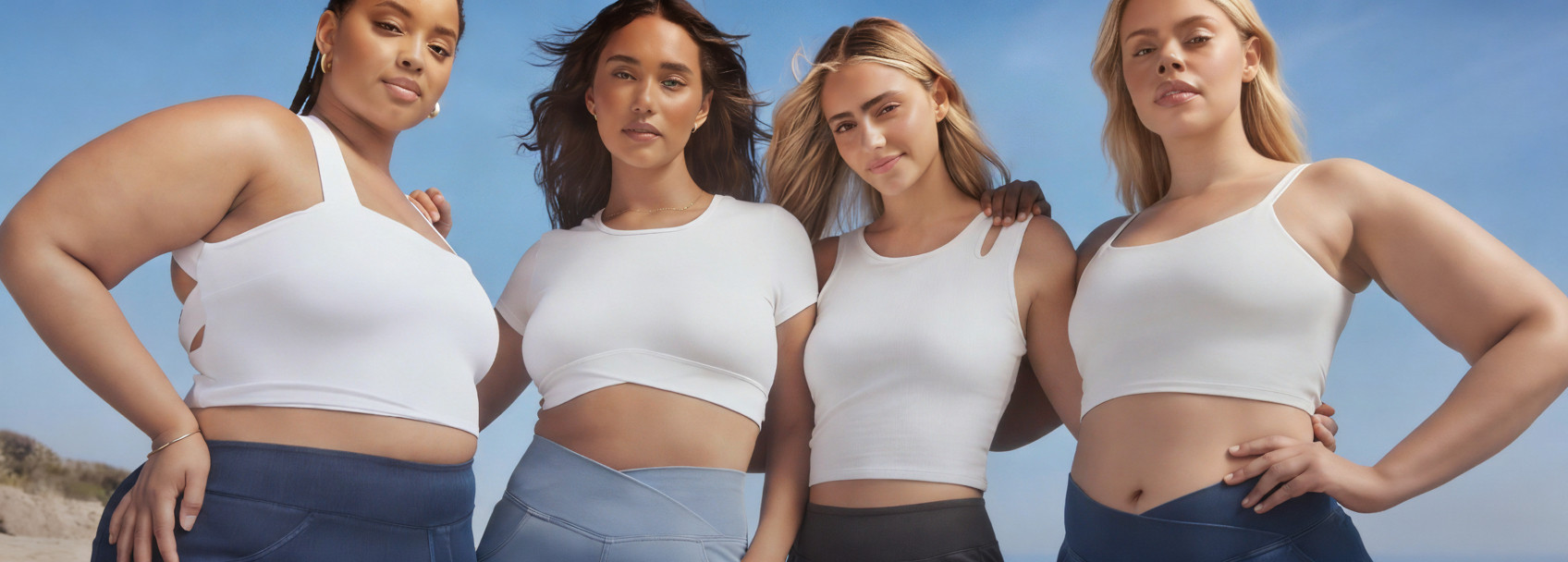
Inclusivity is a cornerstone of the modern yoga community and, by extension, the apparel that serves it. There is a growing demand for yoga wear that is designed for all body shapes and sizes. Brands are moving away from a one-size-fits-all approach and instead creating collections that flatter and support a wide range of body types, including apple, pear, hourglass, athletic, and plus-size figures. This involves thoughtful design choices, such as high-waisted leggings for support, tops that provide adequate coverage without restricting movement, and the use of four-way stretch fabrics. Easemotion champions this inclusive approach, working with brands to develop patterns and conduct fittings that ensure every piece offers a comfortable, confidence-boosting fit for every body. This focus on size positivity and gender-inclusive options is critical for reaching a broader, more diverse customer base.
Crafting Premium Quality and Design: How Easemotion Helps Brands Build Their Own Yoga Clothing Line
In the premium yoga apparel market, quality and design are the ultimate differentiators. Consumers are not just buying a product; they are investing in garments that must support their practice, feel exceptional against their skin, and endure through countless washes and wears. This is where a manufacturer's expertise becomes invaluable. Easemotion works as a collaborative partner, guiding brands through the intricate process of material selection, technological innovation, and precision design to create a truly premium collection.
Material Selection and Innovation for Superior Performance
The foundation of any high-quality yoga garment is the fabric. The right material choice impacts everything from comfort and movement to durability and sustainability. The process involves more than just selecting a color; it's about understanding the technical properties that will deliver the best possible experience for the end-user.
Sourcing High-Performance, Eco-Friendly Fabrics like Organic Cotton and Recycled Polyester
There is a powerful and growing consumer-led movement towards sustainable choices in activewear. Brands are expected to prioritize materials that are kind to the planet without compromising on performance. Easemotion specializes in sourcing a wide range of high-performance, eco-friendly fabrics. This includes popular options like GOTS-certified organic cotton, which is grown without harmful chemicals and offers natural softness and breathability. Another key material is recycled polyester (rPET), which gives new life to post-consumer waste like plastic bottles, significantly reducing the carbon footprint of the garment. Other innovative and sustainable options include bamboo, known for its silky feel and natural antibacterial properties, and Tencel™ Lyocell, a biodegradable fabric made from sustainably sourced wood pulp in a closed-loop system that minimizes environmental impact. By focusing on these materials, brands can meet consumer demand for eco-conscious products and build a reputation for environmental responsibility.
Ensuring Comfort, Durability, and Functionality through Advanced Textile Technologies
Modern activewear is a marriage of fashion and science. Advanced textile technologies are crucial for creating yoga apparel that meets the high expectations of today's athletes. These innovations enhance comfort, durability, and overall performance. Key technologies include moisture-wicking capabilities, which use capillary action to pull sweat away from the skin to the fabric's surface for quick evaporation, keeping the wearer dry and comfortable. Another vital feature is four-way stretch, achieved through blends with elastane or spandex, which allows for complete freedom of movement in any yoga pose.
Furthermore, advancements have led to fabrics with inherent benefits like thermoregulation, which helps maintain an optimal body temperature during exercise. Some textiles are even infused with materials that offer added benefits, such as antibacterial properties that regulate odor. Durability is also a primary concern; high-performance fabrics are engineered to be resistant to abrasion and to maintain their shape and color after repeated use and washing. Easemotion leverages these cutting-edge textile technologies to ensure every garment is not just beautiful but also highly functional and built to last.
Precision in Design and Prototyping
A brilliant concept is only as good as its execution. Transforming a design idea into a perfectly fitting, functional garment requires a meticulous and collaborative process. This phase is critical for refining the fit, feel, and function of each piece before moving to bulk production.
Collaborative Design Development from Concept to Sample
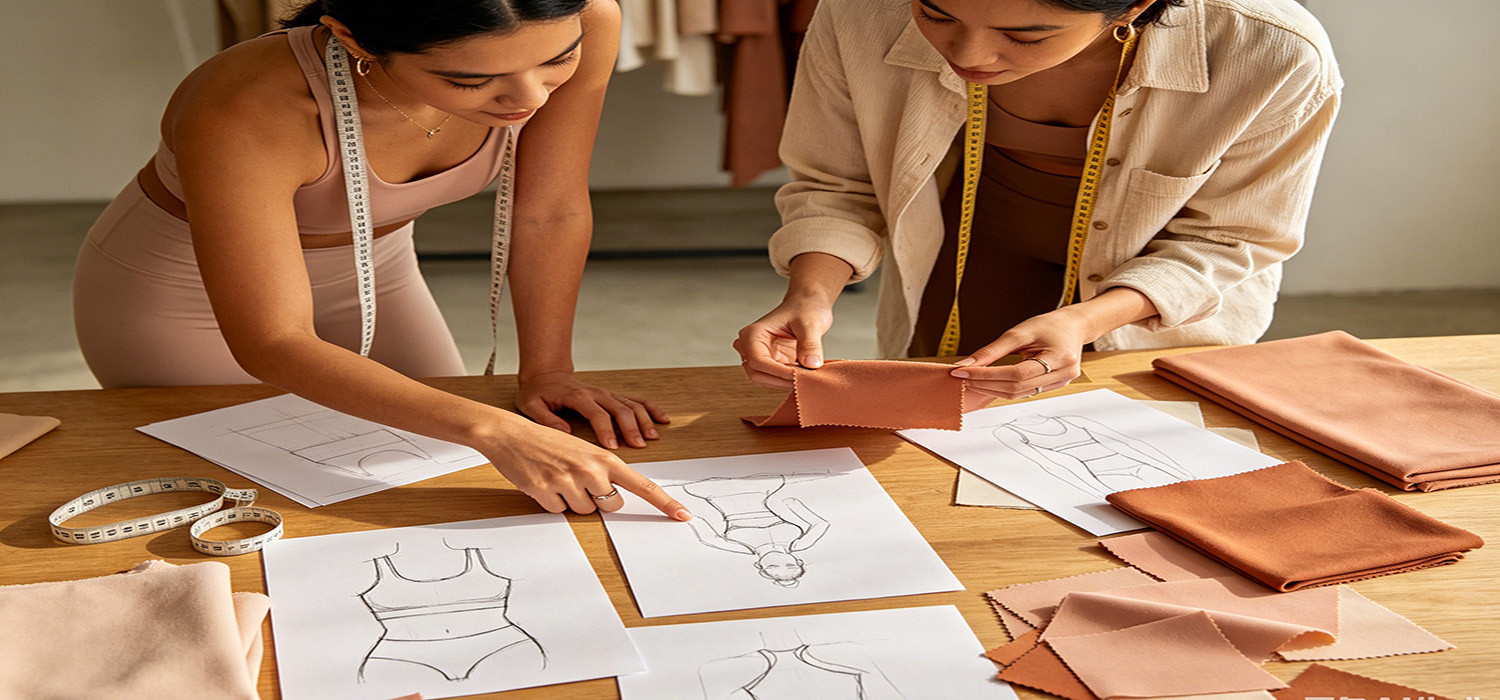
The journey from a simple sketch to a physical sample is a highly collaborative one. Easemotion works closely with brands to bring their unique vision to life. This private label process allows brands to either customize pre-developed styles or create entirely new designs from scratch. The process begins by defining the product concept and aesthetic direction. From there, technical designers translate these ideas into detailed specifications. The collaboration continues as the manufacturer provides feedback on fabric suitability, construction techniques, and potential production challenges. This partnership ensures that the final design is not only aesthetically pleasing but also manufacturable to the highest quality standards. The goal is to create a sample that perfectly reflects the brand's identity and meets all functional requirements before committing to a full production run.
Iterative Fitting Sessions for Optimal Garment Construction and User Experience
Fit is everything in yoga wear. A garment that pulls, bunches, or restricts movement can ruin a practice. That's why iterative fitting sessions are a non-negotiable part of the development process. During a fit session, a prototype garment is tried on by a fit model who represents the target customer's body type. This allows designers and technicians to assess every aspect of the fit in real-time. They check for comfort, range of motion, and any construction issues like seams that chafe or waistbands that roll. Based on feedback from these sessions, adjustments are made to the pattern, and a new sample is created. This cycle of sampling and fitting is repeated—often 2 to 4 times—until the garment's fit, comfort, and construction are perfected. This meticulous, iterative process is essential for ensuring an optimal user experience and minimizing returns, ultimately leading to a product that customers will love and trust.
Ensuring Ethical and Sustainable Production: How Easemotion Helps Brands Build Their Own Yoga Clothing Line
In today's conscious consumer market, how a product is made is just as important as the product itself. For a premium yoga clothing line, this means a deep commitment to ethical and sustainable production is no longer a "nice-to-have" but a fundamental pillar of the brand's integrity and market appeal. Consumers are demanding transparency and accountability, pushing brands to ensure their values are reflected in every step of the supply chain. Easemotion partners with brands to build this foundation of trust, integrating ethical standards and sustainable practices into the core of the manufacturing process.
Adherence to Ethical Manufacturing Standards
Creating a truly premium brand goes beyond high-quality fabrics and flawless design; it extends to the well-being of every person involved in the production process. The grim realities of the fast fashion industry, including unsafe working conditions and unfair wages, have made consumers rightly skeptical. Establishing and adhering to strict ethical manufacturing standards is crucial for building a brand that customers can be proud to support.
Transparent Supply Chain Management and Fair Labor Practices
Supply chain transparency is essential for accountability. It allows brands to trace their products from raw material to finished garment, ensuring that ethical standards are upheld at every stage. This visibility is key to mitigating risks associated with labor violations and building consumer trust. Easemotion is committed to fair labor practices, which includes ensuring workers receive fair wages, are not subjected to excessive hours, and have the right to associate freely. Partnering with a manufacturer that prioritizes supply chain transparency means a brand can confidently communicate its commitment to ethical sourcing and responsible production, a factor that heavily influences the purchasing decisions of modern consumers.
Safe Working Conditions and Social Responsibility
The safety and well-being of garment workers are non-negotiable. Tragic events in the garment industry have highlighted the devastating consequences of neglecting workplace safety. A commitment to social responsibility means ensuring that all factory environments are safe, healthy, and free from harassment or discrimination. This includes upholding structural, fire, and electrical safety standards; providing proper ventilation; and managing exposure to any chemicals used in the production process. Many manufacturers demonstrate this commitment through internationally recognized certifications like SA8000 or inspections by bodies like the Fair Labor Association, which validate that fair and safe working conditions are maintained. By ensuring these standards are met, Easemotion helps brands fulfill their social responsibility and protect the human element behind their products.
Implementing Sustainable Manufacturing Processes
Alongside ethical considerations, environmental stewardship is a critical component of modern manufacturing. The textile industry has historically been a significant contributor to pollution and resource depletion. To create a truly premium and responsible yoga line, brands must actively work to minimize their environmental footprint. This requires a holistic approach, from reducing resource consumption to minimizing waste throughout the production cycle.
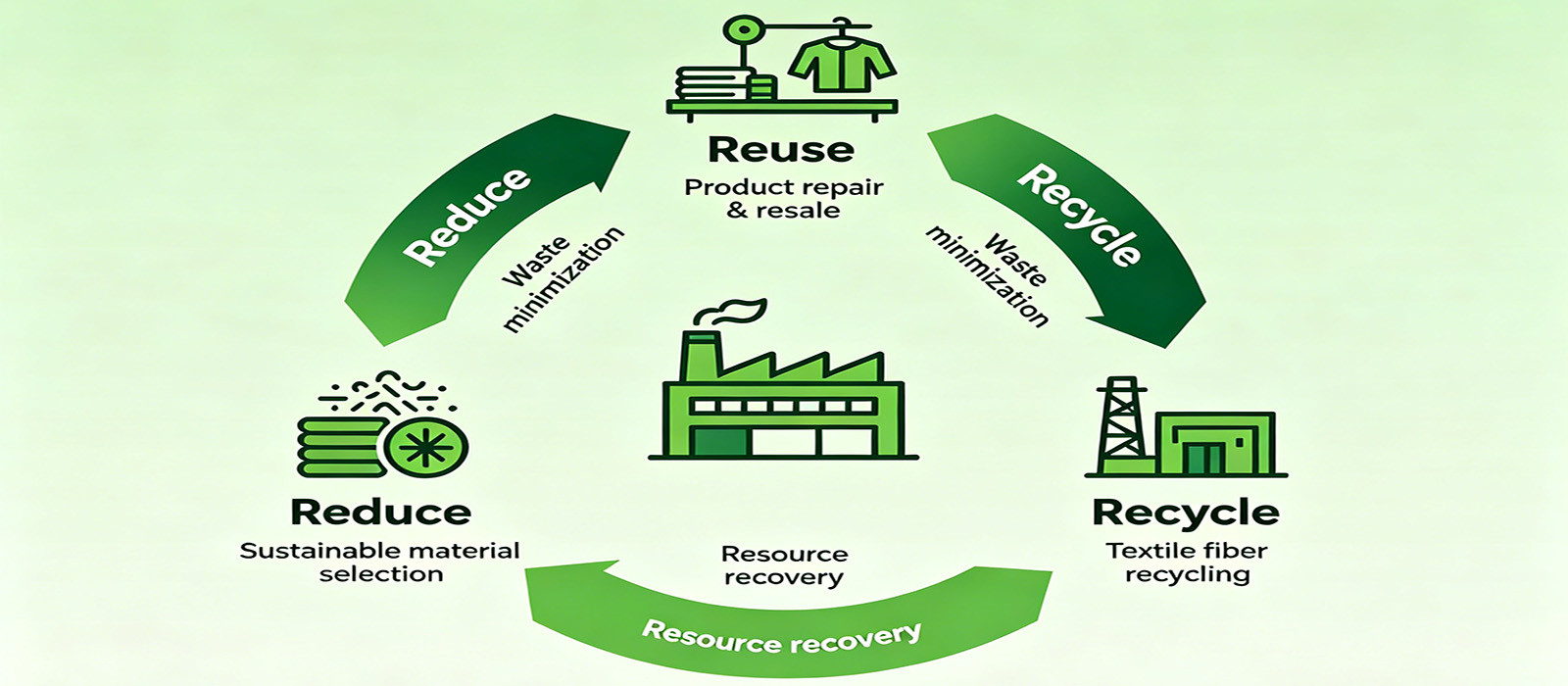
Reducing Environmental Footprint through Water-Saving and Energy-Efficient Techniques
Textile production, particularly wet processing stages like dyeing and finishing, is notoriously water and energy-intensive. Sustainable manufacturing focuses on implementing innovative techniques to drastically reduce this consumption. Water-saving technologies include low-liquor ratio dyeing machines, which can cut water use by up to 50%, and advanced wastewater treatment and recycling systems that allow water to be reused in the production process. Energy efficiency is achieved by using renewable energy sources like solar panels, installing energy-efficient lighting and machinery, and implementing heat recovery systems that capture and reuse thermal energy. By adopting these eco-friendly production processes, brands working with Easemotion can significantly lower their environmental impact.
Waste Minimization and Resource Efficiency in Production
The concept of "waste" is being redefined in sustainable manufacturing, shifting from a linear "take-make-dispose" model to a circular one. Waste minimization is a key priority, starting from the design and cutting stages, which are the largest sources of pre-consumer fabric waste. Techniques to improve resource efficiency include using advanced software for pattern making to maximize fabric utilization, designing garments that use the full width of the fabric, and finding creative uses for fabric scraps. Furthermore, this principle extends to reducing the use of chemicals by opting for non-toxic, biodegradable alternatives and careful purchasing practices to avoid excess raw materials. A systematic approach to waste minimization not only benefits the environment but also improves cost-efficiency, making it a win-win for the planet and the brand's bottom line.
Defining Brand Identity and Market Presence: How Easemotion Helps Brands Build Their Own Yoga Clothing Line
In a saturated marketplace, a strong brand identity is what elevates a product from a simple commodity to a desirable lifestyle choice. It's the story, the values, and the unique aesthetic that create an emotional connection with consumers. For a premium yoga clothing line, this identity must be woven into the very fabric of the brand, from the design of the garments to the message it communicates to the world. Partnering with a manufacturer like Easemotion provides the essential tools and flexibility to build not just a product line, but a powerful and recognizable brand.
Custom Branding and Private Label Solutions
Creating a distinct brand requires more than just a quality product; it demands a unique look, feel, and voice. Private label manufacturing offers a strategic pathway for brands to achieve this, providing full control over the final product's identity without the immense overhead of building a factory from the ground up. This collaborative approach allows brands to focus on what they do best: building a community and connecting with customers.
Tailoring Designs to Reflect Brand Aesthetics and Values
Every brand has a unique story and aesthetic, and the clothing should be a physical embodiment of that. Easemotion's private label solutions offer brands a high degree of customization to ensure the final products perfectly align with their vision. This goes beyond simply adding a logo. Brands can tailor everything from the fabric composition and color palette to specific design details like seam placement, waistband construction, and custom trims. Whether the brand's aesthetic is minimalist and earthy or bold and vibrant, the design can be meticulously crafted to match, ensuring a cohesive and authentic brand presentation.
Emphasizing Unique Selling Propositions and Brand Storytelling
In a competitive market, a clear Unique Selling Proposition (USP) is critical for success. It’s the answer to the question: "Why should a customer choose you over another brand?". A USP could be a commitment to using only certified organic materials, a focus on performance-enhancing technology, or a mission to promote body positivity through inclusive sizing.
This USP is the heart of the brand's story. Authentic storytelling creates a deeper, emotional connection with consumers, transforming them from one-time buyers into a loyal community. Every element of the yoga line, from the hangtags to the online marketing, should communicate this narrative. Easemotion helps brands emphasize their USP through custom details and high-quality production that backs up their claims, enabling them to build a brand narrative that is both compelling and credible.
Scalability and Production Flexibility for Growth
The journey of a clothing brand involves constant evolution, from a small startup to a growing enterprise. The ability to scale production efficiently and adapt to market demands is crucial for long-term survival and success. A manufacturing partner must be able to support this growth, offering flexibility that accommodates the brand at every stage.
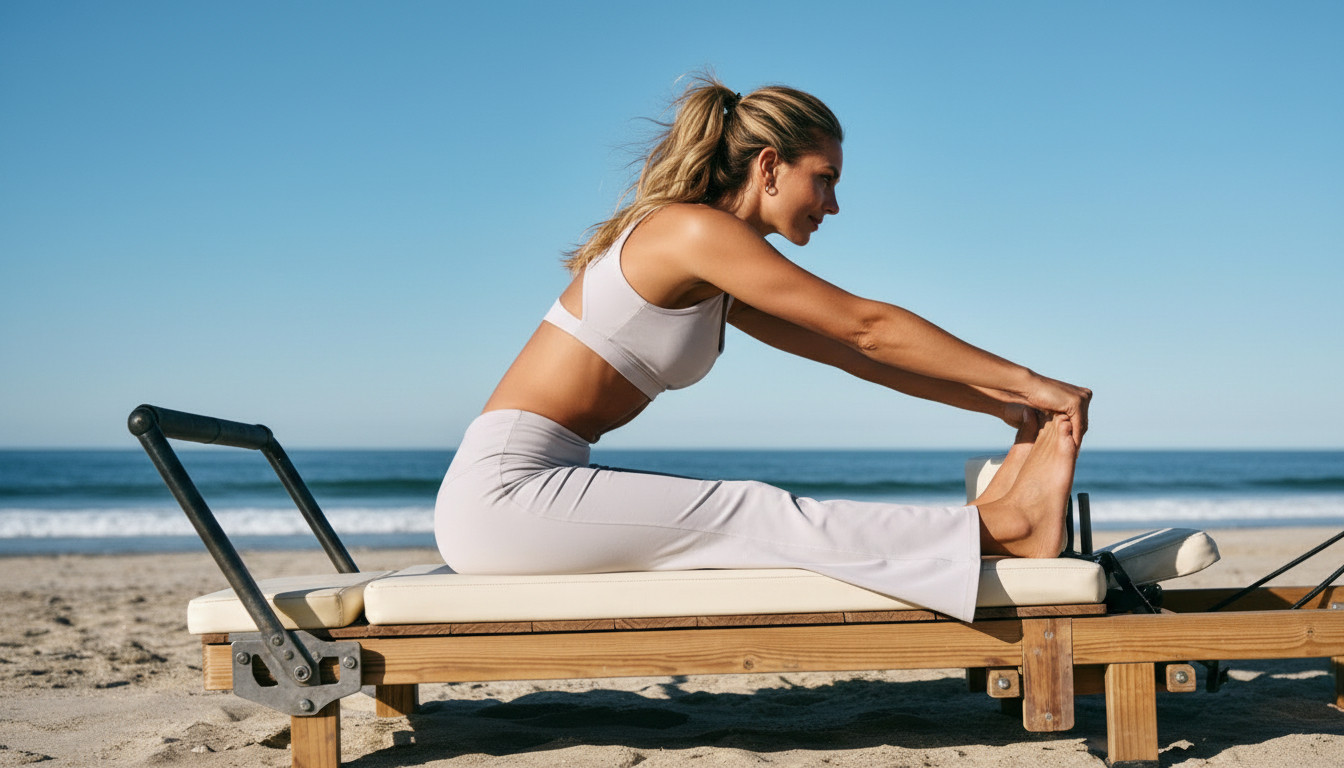
Adapting to Varying Order Sizes and Market Demands with Flexible MOQ
For startups and emerging brands, high Minimum Order Quantities (MOQs) can be a significant barrier to entry, tying up capital and creating the risk of unsold inventory. Low MOQ manufacturers are invaluable partners because they allow brands to start small, test new designs, and validate market demand before committing to large-scale production. Easemotion's MOQs for activewear can start as low as 100 pieces per style, which is ideal for new launches or capsule collections. This flexibility allows brands to be more agile, responding quickly to trends and customer feedback without the financial burden of overstocking. Easemotion's adaptable production capabilities provide this crucial support, enabling brands to manage risk and grow at a sustainable pace.
Supporting Brand Growth from Startup to Expansion
As a brand gains traction, its production needs will inevitably increase. The transition from producing hundreds of units to thousands requires a manufacturing partner with scalable infrastructure. A factory that excels at small-batch production may not have the systems in place to handle large-volume orders without compromising quality or extending lead times. True scalability means a manufacturer can grow with the brand, maintaining consistent quality, clear communication, and efficient timelines as order volumes increase. This seamless scalability prevents the logistical nightmares that can arise when a brand outgrows its initial manufacturer. By offering a production pathway that supports a brand's entire lifecycle, Easemotion acts as a long-term strategic partner, ensuring that as the brand expands, its production capabilities can expand right along with it.
Streamlined Launch and Assured Quality: How Easemotion Helps Brands Build Their Own Yoga Clothing Line
The final hurdles in bringing a premium yoga clothing line to market are often the most critical: ensuring every single piece is flawless and that the entire collection is delivered on time for a strategic launch. A breakdown in either quality control or timeline management can immediately undermine a brand's reputation and financial viability. This is where a partnership with a seasoned manufacturer like Easemotion proves its ultimate value, offering rigorous quality assurance processes and efficient production management to ensure a smooth and successful market entry.
Rigorous Quality Control Throughout the Production Cycle
For a premium brand, there is no room for error. Customers paying for high-end yoga apparel expect perfection in every detail, from the feel of the fabric to the integrity of the stitching. A single flaw can lead to returns, negative reviews, and a loss of consumer trust. To prevent this, a robust, multi-stage quality control (QC) system is not just a best practice—it's essential.
Multi-Stage Inspections for Flawless Products and Consistency
Effective quality control is not a single event but a continuous process integrated throughout the manufacturing cycle. Easemotion employs a multi-stage inspection strategy to identify and correct issues early, minimizing waste and ensuring consistency. This process typically includes:
- Pre-Production Inspection: Before production begins, all raw materials, including fabrics and trims (zippers, threads, etc.), are thoroughly checked to ensure they meet the specified quality standards. This prevents defective materials from ever entering the production line.
- In-Process Inspection: Quality checks are performed at various stages of production, from cutting to sewing. This allows for the early detection of any workmanship errors, such as inconsistent stitching or incorrect measurements, preventing these mistakes from being replicated across the entire batch.
- Final Inspection: Once the garments are complete and before they are packaged, a final, comprehensive inspection is conducted. This can be a 100% check of every item or a random sampling based on established Acceptable Quality Limit (AQL) standards to ensure the entire shipment meets the brand's auality benchmarks.
Meeting International Quality Standards and Certifications
Adhering to internationally recognized quality standards is a hallmark of a credible and trustworthy manufacturer. These standards provide a framework for consistent quality and operational efficiency. One of the most critical certifications in the textile industry is ISO 9001, a global standard for Quality Management Systems (QMS). An ISO 9001 certified manufacturer demonstrates a proven commitment to customer satisfaction, continuous improvement, and delivering high-quality products. This certification is often a requirement for brands looking to enter global markets, as it signals a reliable and professional operation to international buyers. By partnering with an ISO-certified manufacturer like Easemotion, brands can be confident that their products are being produced in a facility that upholds the highest standards of quality and efficiency.
Efficient Production Timelines for Strategic Market Entry
In the fast-paced fashion industry, timing is everything. A successful launch depends on having the right product available at the right time. Delays in production can lead to missed seasonal sales windows, irrelevant inventory, and significant financial losses. Strategic management of production schedules is therefore critical for a brand's success.
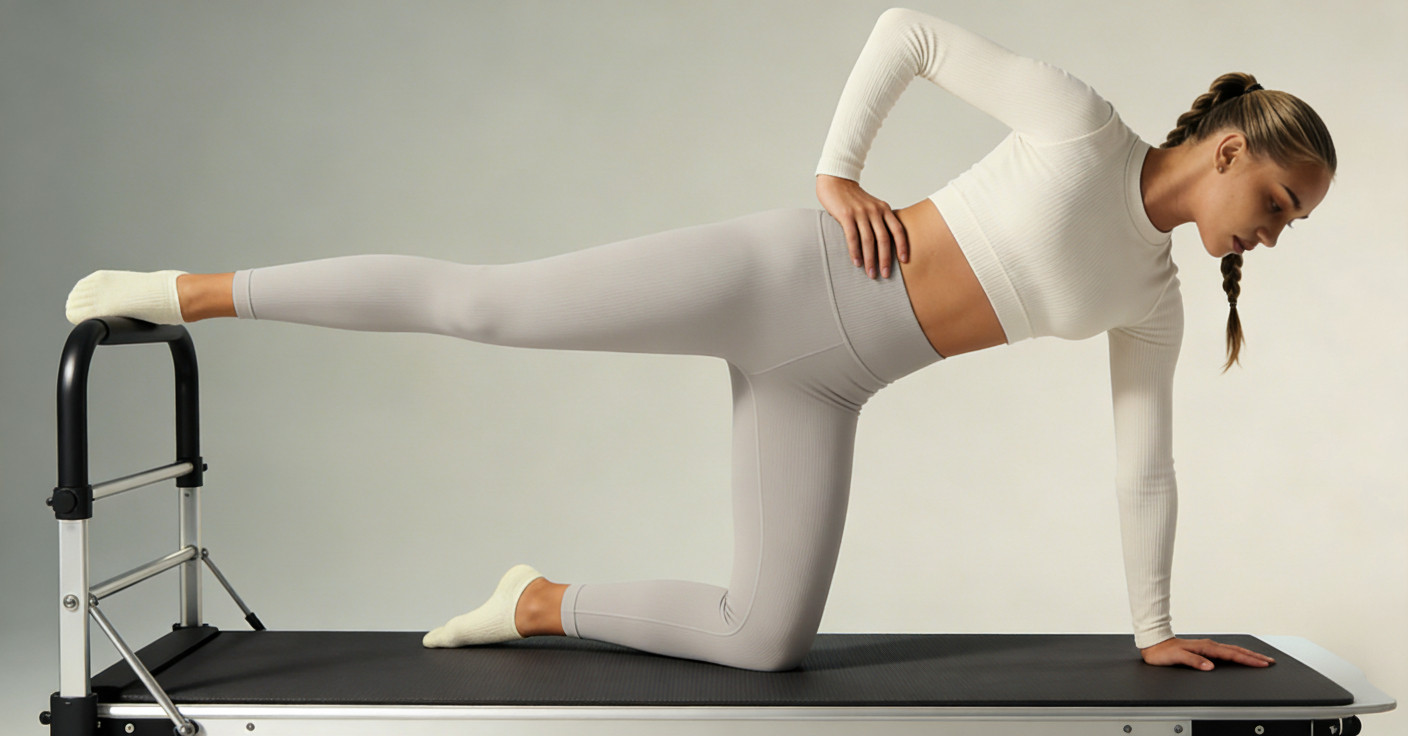
Managing Production Schedules to Align with Launch Goals
Bringing a collection from concept to customer is a lengthy process that can take anywhere from 9 to 18 months. Effective timeline management involves working backward from the target launch date to create a detailed production calendar. This calendar maps out key milestones, including design finalization, tech pack creation, material sourcing, sampling, and bulk production. Easemotion collaborates closely with brands to establish these realistic timelines, ensuring that each phase is completed on schedule. Proactive communication and transparent progress tracking are key to navigating potential delays, such as challenges in sourcing materials or necessary sample revisions, keeping the project on track to meet its launch goals.
Delivering Ready-to-Sell Premium Yoga Apparel, from concept to sample to launch
The ultimate goal is to deliver a finished product that is ready to sell the moment it arrives. This means the garments are not only perfectly made but also properly packaged and prepared for distribution. The final stage involves careful folding, application of hangtags and labels, and packing in materials like poly bags or boxes appropriate for the product. Easemotion manages this entire end-to-end process, transforming a brand's initial concept into high-quality, market-ready apparel. This comprehensive service allows brands to focus on their marketing and sales strategies, confident that the product will be delivered on time, on quality, and ready to delight their customers.
Frequently Asked Questions (FAQ)
1. What is the typical minimum order quantity (MOQ) for starting a custom yoga clothing line? For startup brands, many manufacturers offer flexible, low MOQs to help test the market with minimal risk. Depending on the complexity and customization, MOQs can range from as low as 100 pieces per style to around 100-300 pieces for more specialized activewear. Easemotion's MOQs for activewear can start as low as 100 pieces per style
2. What are the most important qualities to look for in yoga apparel fabrics? The best fabrics for yoga wear are a blend of performance and comfort. Key qualities include four-way stretch for flexibility, moisture-wicking properties to keep you dry, breathability for comfort, and durability to withstand frequent washing and wear. Sustainable options like organic cotton, recycled polyester, and bamboo are also highly sought after.
3. How long does the entire process take, from design concept to receiving the final product? The full production timeline for a new apparel collection typically ranges from 9 to 18 months. This includes stages like design (4-8 weeks), tech pack and sourcing (6 weeks), iterative sampling (6-8 weeks per round), and bulk production (8-16 weeks), followed by shipping.
4. Why is an ethical and sustainable supply chain so important for a yoga brand? Today's consumers are highly conscious of the environmental and social impact of their purchases. A brand that can demonstrate a commitment to ethical labor practices, safe working conditions, and sustainable manufacturing processes builds significant trust and loyalty. Transparency in the supply chain is no longer a bonus but a core expectation for any premium wellness brand.
5. How does a manufacturer like Easemotion help with branding and scalability? A manufacturing partner like Easemotion offers private label solutions that allow for deep customization, enabling a brand to tailor every aspect of the apparel to reflect its unique identity. They also provide production flexibility with adaptable MOQs for startups and the scalable infrastructure to support a brand's growth from small batches to large-volume orders, ensuring a smooth transition as the business expands.
Easemotion offers an indispensable partnership for brands aiming to establish or elevate a premium yoga clothing line, guiding them from initial concept through design, ethical production, and successful market presence. By leveraging Easemotion's expertise in design, sustainable manufacturing, and quality assurance, brands can confidently navigate the complexities of the activewear market and meet evolving consumer demands for eco-friendly and high-performance apparel. The collaboration with Easemotion ultimately enables brands to deliver exceptional yoga apparel that resonates with consumer demand for quality, sustainability, and style, fostering both brand loyalty and market success. Take the next step in building your premium yoga line today.