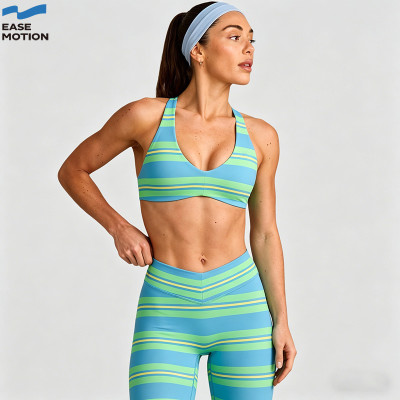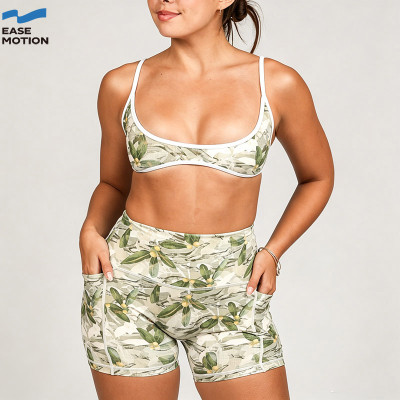
How Eco-Friendly Dyeing Processes Reduce the Environmental Impact of Yoga Apparel Production
The global demand for activewear, especially yoga apparel, has placed its environmental impact under intense scrutiny. Traditional textile dyeing and printing methods are notoriously resource-heavy, often depending on hazardous chemicals that significantly contribute to water pollution and carbon emissions. It's a stark reality that the vibrant colors on our clothes can come at a significant environmental cost.
In response to these urgent concerns, the apparel industry is making a pivotal shift towards more sustainable practices. This article delves into how eco-friendly dyeing processes, particularly advanced techniques like sublimation printing, are revolutionizing the production of yoga apparel. These innovations aim to reduce the industry's environmental footprint, proving that high performance and ecological responsibility can coexist.
Key Takeaways
The shift to eco-friendly dyeing in yoga apparel production offers a multi-faceted approach to sustainability, addressing critical environmental and health concerns associated with traditional methods. By embracing innovative techniques like sublimation printing and non-toxic inks, the industry can significantly mitigate its impact. Here are the crucial takeaways:
Elimination of Hazardous Chemicals: Traditional dyeing is a major source of pollution, using over 70 toxic chemicals identified by the World Bank, including Azo dyes, heavy metals (like lead and chromium), and formaldehyde. These substances are linked to cancer, ecological damage, and severe health risks for textile workers. Eco-friendly alternatives, such as certified water-based inks, are non-toxic, biodegradable, and free from these harmful compounds, creating a safer product and a healthier work environment.
Significant Water and Energy Conservation: The textile industry is a massive consumer of water, with traditional dyeing for a single kilogram of fabric requiring up to 150 liters. This process is responsible for 20% of global industrial water pollution. In contrast, dry sublimation printing is a virtually waterless process, transferring dye to fabric via heat and pressure, which eliminates the creation of toxic wastewater. Furthermore, new dyeing technologies are designed for lower temperature settings, reducing the significant energy consumption and carbon footprint associated with heating vast amounts of water in conventional methods.
Reduction of Material and Inventory Waste: Eco-friendly processes like sublimation printing are perfectly suited for on-demand manufacturing. This "print-as-needed" model allows brands like easemotion to produce apparel based on actual orders, drastically cutting down on overproduction and the waste associated with unsold inventory. This precision also minimizes fabric waste during the production phase, as designs can be printed exactly to pattern shapes on transfer paper.
Enhanced Product Durability and Longevity: A core tenet of sustainability is creating products that last. Dyes used in eco-friendly processes like sublimation form a permanent chemical bond with fabric fibers. The color becomes part of the material itself, meaning it won't fade, crack, or peel over time, even with frequent washing and stretching. This superior durability extends the lifespan of yoga apparel, encouraging a shift away from disposable "fast fashion" and promoting more conscious consumption habits. By investing in long-lasting apparel, consumers reduce the overall cycle of production, consumption, and disposal.
Commitment to a Circular Economy: The adoption of sustainable dyeing is a significant step towards a circular economy in fashion. By using non-toxic, often biodegradable inks and recycled fabrics (like those made from PET bottles), the industry can create products that are safer for the planet from start to finish. This holistic approach considers the entire lifecycle of a garment, from resource extraction to end-of-life, ultimately creating a more responsible and regenerative system for apparel production.
Revolutionizing Dyeing: How Eco-Friendly Dyeing Processes, such as those leveraged by easemotion, Reduce the Environmental Impact of Yoga Apparel Production by Eliminating Harmful Chemicals
The vibrant colors that define modern yoga apparel often conceal a dark secret: a history of toxic chemical use. Fortunately, a revolution is underway, led by brands committed to cleaner production. By moving away from hazardous substances and embracing safer alternatives, the industry is creating a healthier future for both the planet and its people. This shift, championed by forward-thinking companies like easemotion, demonstrates a profound commitment to sustainable manufacturing without compromising on quality or performance.
The Detrimental Legacy of Traditional Dyeing Methods
For decades, the standard method for coloring textiles has been a chemical-laden process with devastating environmental consequences. Traditional dyeing is one of the most polluting aspects of the apparel industry, responsible for an estimated 20% of global industrial water pollution. Factories discharge vast quantities of untreated wastewater daily, a toxic cocktail of dyes, salts, and heavy metals that contaminates rivers, lakes, and groundwater. In some textile-producing regions, waterways are visibly stained with the colors of the season, a stark reminder of the industry's impact.
The chemicals at the heart of this problem are highly hazardous:
- Azo Dyes: These are the most common synthetic dyes, accounting for up to 80% of all colorants used today. While effective at creating vivid colors, certain Azo dyes can break down and release aromatic amines, which are classified as carcinogens.
- Heavy Metals: Substances like chromium, lead, mercury, and cadmium are frequently used as mordants to fix color to fabric. These metals are persistent, meaning they don't break down in the environment and can accumulate in the food chain, causing long-term harm to ecosystems and human health.
- Formaldehyde: Often used in finishing processes to make fabrics wrinkle-free, formaldehyde is a known carcinogen and can cause respiratory problems and severe skin irritation for workers and consumers.
- Phthalates and PFCs: These chemical groups are used in printing inks and for water-resistant finishes. They are known endocrine disruptors, interfering with hormonal systems in both wildlife and humans.
The toll on human health, particularly for textile workers, is severe. Daily exposure to this chemical soup can lead to lung diseases, skin disorders, and an increased risk of cancer. This detrimental legacy underscores the urgent need for a paradigm shift in how we color our clothes.

Adopting Non-Toxic, Water-Based Inks for Safer Production
The transition to a safer, more sustainable dyeing process begins with the inks themselves. Water-based inks are emerging as the gold standard for eco-friendly textile printing, offering a powerful alternative to their toxic, solvent-based predecessors.
Unlike traditional inks that rely on petroleum-based solvents and contain harmful substances, water-based inks use water as the primary solvent to carry the pigment. This fundamental difference yields numerous environmental and health benefits:
- Non-Toxic and Low in VOCs: Water-based inks are free of the hazardous chemicals that plague conventional dyeing, such as heavy metals, formaldehyde, and phthalates. They have extremely low levels of Volatile Organic Compounds (VOCs), which are harmful pollutants that contribute to poor air quality and can cause respiratory issues. This creates a much safer working environment for printing professionals.
- Biodegradable: Many high-quality water-based inks are designed to be biodegradable, meaning they can break down naturally without leaving toxic residues in the environment. This drastically reduces their impact on landfills and waterways compared to persistent chemical dyes.
- Reduced Carbon Footprint: The production of water-based inks is less energy-intensive and reduces reliance on non-renewable fossil fuels. Some estimates suggest their carbon footprint can be 30-40% lower than that of solvent-based inks.
By adopting these non-toxic, water-based inks, yoga apparel manufacturers can ensure their products are safe for workers, consumers, and the planet. This switch not only complies with increasingly strict global regulations on chemical use but also meets the growing consumer demand for truly sustainable products. It represents a tangible commitment to cleaning up the fashion industry from the inside out.
Resource Conservation: How Eco-Friendly Dyeing Processes Substantially Reduce the Environmental Impact of Yoga Apparel Production Through Enhanced Water and Energy Efficiency
Beyond chemical safety, true sustainability in apparel production hinges on the responsible use of natural resources. Traditional dyeing methods are notoriously thirsty and energy-hungry, consuming vast quantities of water and power. In contrast, modern, eco-friendly dyeing processes are engineered for efficiency, paving the way for a production cycle that conserves vital resources and minimizes its planetary footprint.
The Water-Free Advantage of Dry Sublimation for Yoga Wear
The textile industry's water consumption is staggering. Conventional dyeing processes can use between 100 to 200 liters of water to color just one kilogram of fabric. This water is used at multiple stages—from preparing the fabric to the dye bath itself and extensive rinsing afterward. The result is not only massive water depletion but also the creation of toxic wastewater, which is responsible for about 20% of global industrial water pollution.
This is where dry sublimation printing emerges as a game-changing solution. As a virtually waterless process, it offers a stark contrast to traditional methods. Here's how it works:
- A design is digitally printed onto specialized transfer paper using solid, eco-friendly inks.
- This paper is placed onto the fabric (typically polyester or a polyester blend).
- Heat and pressure are applied, causing the solid ink to turn directly into a gas (sublimation).
- The gas permeates the fabric fibers and solidifies, forming a permanent, vibrant bond with the material.
The process completely bypasses the need for water as a medium to transfer dye, thereby eliminating wastewater entirely. Some comparisons estimate that sublimation uses up to 40,000 times less water than traditional dyeing. This water-free advantage makes it an exceptionally clean and resource-efficient method for coloring high-performance yoga wear, which is often made from the polyester-based fabrics ideal for sublimation.
Optimized Energy Consumption in Sustainable Dyeing Workflows
The energy toll of conventional dyeing is just as significant as its water footprint. A large portion of the energy consumed in a garment's production is dedicated to heating the enormous volumes of water required for traditional dye baths. This reliance on thermal energy, often generated from fossil fuels, contributes heavily to the apparel industry's carbon emissions.
Eco-friendly dyeing workflows are specifically designed to tackle this issue through several innovative strategies:
- Low-Temperature Dyeing: New dye formulations have been developed to work effectively at lower temperatures, significantly cutting down on the energy needed to heat water. Some modern machinery can reduce energy use by operating at 60°C instead of the traditional 95°C.
- Energy-Efficient Machinery: The latest generation of dyeing machines is built for efficiency, featuring ultra-low liquor ratios that use less water and, consequently, less energy to heat it. Additionally, investing in modern equipment like energy-efficient yarn dyeing machines can greatly reduce power consumption without sacrificing quality.
- Heat Recovery Systems: Smart factories are implementing heat recovery systems that capture and reuse heat from wastewater or steam, minimizing energy waste throughout the facility.
- Process Optimization: Sublimation printing, in addition to being water-free, is also energy-efficient. The heat presses used are designed to operate at precise temperatures for short, defined periods, conserving energy compared to the prolonged heating required for large dye vats.
By integrating these energy-saving technologies and processes, sustainable dyeing workflows drastically lower the overall carbon footprint of yoga apparel production, marking a critical step towards a greener manufacturing cycle.
Minimizing Material Waste: How Eco-Friendly Dyeing Processes Significantly Reduce the Environmental Impact of Yoga Apparel Production via Smart Manufacturing Practices
The environmental impact of fashion isn't limited to chemicals and resource consumption; it also includes the immense amount of waste generated. From leftover fabric on the cutting room floor to entire collections of unsold clothing ending up in landfills, the traditional "make-and-sell" model is inherently wasteful. Eco-friendly dyeing processes, however, are catalysts for smarter manufacturing practices that target waste at its source.
On-Demand Production and Inventory Optimization for easemotion
One of the biggest drivers of waste in the apparel industry is overproduction. Brands have historically relied on forecasting models to predict consumer demand months in advance, often leading to massive amounts of deadstock—clothing that is made but never sold.
Eco-friendly digital printing techniques like sublimation are perfectly suited to a more intelligent approach: on-demand manufacturing. This model flips the traditional system by producing items only after a customer has placed an order. The benefits are profound:
- Elimination of Unsold Inventory: By producing only what is sold, brands like easemotion can completely avoid the problem of deadstock. This ensures that no resources are wasted on creating garments that will ultimately be discarded.
- Reduced Fabric Waste: On-demand production often involves printing designs precisely onto fabric rolls before cutting. AI-powered software can optimize the placement of pattern pieces to minimize leftover scraps, tackling waste at the production stage.
- Greater Agility and Efficiency: This model allows businesses to be more responsive to real-time market trends without the financial risk of holding large inventories. It streamlines the entire supply chain, connecting an online order directly to the factory floor for efficient, waste-free production.
By adopting on-demand manufacturing, companies can significantly cut down on material and inventory waste, creating a leaner, more profitable, and far more sustainable business model.

Integrating Design and Utilizing Recycled Fabrics to Combat Waste
A holistic approach to waste reduction involves smart material choices from the very beginning. The rise of sustainable dyeing methods has coincided with a growing movement to incorporate recycled materials into activewear, creating a powerful synergy for eco-friendly production.
The most common material for yoga apparel decorated with sublimation printing is polyester, due to its excellent performance characteristics and ability to bond with sublimation dyes. While virgin polyester is derived from non-renewable petroleum, recycled polyester (rPET) offers a brilliant, sustainable alternative. This fabric is made by recycling post-consumer plastic waste, such as PET bottles.
Using recycled polyester offers numerous benefits:
- Diverts Plastic from Landfills: It gives a second life to plastic that would otherwise pollute our oceans and landfills.
- Reduces Dependence on Fossil Fuels: Making polyester from recycled materials consumes significantly less energy (up to 59% less) and reduces our reliance on virgin petroleum extraction.
- High Performance: Recycled polyester delivers the same high-performance qualities as its virgin counterpart, including durability, moisture-wicking properties, and breathability, making it ideal for activewear.
When brands combine the use of recycled fabrics with waste-reducing production methods like on-demand sublimation printing, they create a product that is sustainable at every stage of its life. This integrated approach—choosing recycled inputs and minimizing outputs—is fundamental to building a circular economy in the fashion industry, where waste is designed out of the system from the start.
Boosting Durability: How Eco-Friendly Dyeing Processes Extend Product Lifespan, Thereby Reducing the Environmental Impact of Yoga Apparel Production
A crucial, yet often overlooked, aspect of sustainability is longevity. The most sustainable garment is one that is worn, loved, and lasts for years, reducing the need for replacement and minimizing the environmental impact associated with new production. Eco-friendly dyeing processes like sublimation printing play a vital role in this by creating exceptionally durable products that resist the wear and tear of an active lifestyle.
Unwavering Print Quality: Resisting Fading, Cracking, and Peeling
One of the most common points of failure in printed activewear is the design itself. Traditional printing methods, such as screen printing, apply a layer of ink onto the surface of the fabric. With repeated stretching, washing, and exposure to the elements, this top layer is prone to several issues:
- Cracking: The ink layer becomes brittle and develops splits or cracks as the fabric flexes.
- Peeling: The edges of the design can lift and peel away from the fabric over time.
- Fading: Harsh detergents, UV rays, and the abrasion from washing cycles can cause the colors to lose their vibrancy.
Sublimation printing offers a superior solution due to the unique way the dye integrates with the fabric. Because the ink is transformed into a gas that bonds with the polyester fibers at a molecular level, the color becomes an integral part of the material itself. This results in a print with remarkable durability:
- No Cracking or Peeling: Since there is no ink layer sitting on top of the fabric, there is nothing to crack or peel off. The design is as flexible and durable as the fabric itself.
- Exceptional Fade Resistance: The deep infusion of the dye ensures that colors remain vibrant and sharp, even after hundreds of washes. Sublimated prints can last for years without losing their visual appeal.
- Smooth and Breathable: Unlike heavy screen prints that can create a stiff, plastic-like feel and obstruct airflow, sublimated designs do not add any texture or weight to the fabric. This maintains the garment's original breathability and comfort, which is essential for high-performance yoga apparel.
This unwavering print quality ensures that the garment not only performs well but also maintains its aesthetic appeal for its entire lifespan.
easemotion's Commitment to Longevity: A Key to Sustainable Consumption
In a world dominated by fast fashion's cycle of rapid consumption and disposal, choosing longevity is a powerful act of sustainability. When a garment lasts longer, it reduces the overall demand for new products, which in turn saves the resources, water, and energy required for manufacturing.
A commitment to durability is a cornerstone of responsible brand stewardship. By leveraging advanced dyeing techniques like sublimation, a brand like easemotion invests in the longevity of its products. This focus on long-lasting quality directly challenges the throwaway culture and encourages a more mindful approach to consumption.
Consumers are increasingly looking for value and are willing to invest in high-quality pieces that endure. A durable piece of yoga apparel that maintains its fit, function, and color for years is not only a better financial investment but also a more sustainable one. By delivering products that are built to last, brands foster a stronger relationship with their customers, built on trust and a shared commitment to quality and environmental responsibility. This focus on longevity is not just about making better products; it's about promoting a fundamental shift in consumer behavior toward more conscious and sustainable habits.
Conclusion
The integration of eco-friendly dyeing processes, particularly advancements like sublimation printing, offers a comprehensive solution to the environmental challenges posed by yoga apparel production. By eliminating harmful chemicals, conserving vital resources like water and energy, minimizing waste through smart manufacturing, and enhancing product longevity, these methods collectively foster a more sustainable and responsible apparel industry. The shift is not just an incremental improvement but a fundamental rethinking of how vibrant, high-performance clothing can be made.
Brands like easemotion, by prioritizing and adopting these innovative dyeing technologies, are setting a new standard for sustainable manufacturing. Their commitment not only delivers top-tier yoga apparel that stands up to the demands of an active lifestyle but also contributes significantly to a healthier planet. This proves that fashion-forward design and environmental stewardship can—and must—go hand in hand to create a better future for the industry and the world.
Frequently Asked Questions (FAQs)
Q1: What exactly makes traditional textile dyeing so bad for the environment?
Traditional textile dyeing is one of the most polluting industrial processes globally for several key reasons. Firstly, it is incredibly water-intensive, with estimates suggesting it can take up to 200 tons of water to produce one ton of dyed fabric. This wastewater is often discharged directly into local rivers and lakes, containing a toxic mix of residual dyes, mordants, and other chemicals. The World Bank has identified over 70 hazardous chemicals used in textile dyeing, including heavy metals like lead and chromium, formaldehyde, and Azo dyes, which can be carcinogenic. This chemical-laden effluent pollutes drinking water sources, harms aquatic ecosystems by blocking sunlight and deoxygenating the water, and can accumulate in the food chain, posing long-term health risks to both wildlife and humans.
Q2: Is sublimation printing truly eco-friendly if it only works on polyester, a synthetic fabric?
This is an important question that touches on the complexities of sustainability. While it's true that sublimation printing works best on synthetic polymers like polyester, its environmental benefits are substantial. The key lies in two areas: the process and the material sourcing. The sublimation process itself is virtually waterless, which eliminates a primary source of pollution in textile manufacturing. It also allows for on-demand production, drastically reducing waste from unsold inventory. Secondly, the polyester used doesn't have to be virgin polyester derived from fossil fuels. High-quality yoga apparel increasingly uses recycled polyester (rPET), which is made from post-consumer plastic bottles. Using rPET diverts plastic waste from landfills and oceans and requires significantly less energy and water to produce than virgin polyester. Therefore, when sublimation printing is paired with recycled polyester, it creates a powerful, sustainable solution that addresses waste, water pollution, and resource depletion.
Q3: How can I tell if my yoga apparel was made with eco-friendly dyeing processes?
Identifying sustainably dyed apparel is becoming easier as consumer awareness grows. Here are a few things to look for:
- Brand Transparency: Check the brand's website for a sustainability page. Brands committed to eco-friendly practices, like easemotion, will openly discuss their manufacturing processes, including the types of dyes and materials they use.
- Certifications: Look for credible third-party certifications on product tags or websites. Standards like OEKO-TEX® test for harmful substances, while the Global Organic Textile Standard (GOTS) ensures organic fibers and environmentally and socially responsible processing. Bluesign® certification guarantees that chemicals, processes, and materials are safe for the environment, workers, and consumers.
- Look for "Waterless Dyeing" or "Sublimation Print": Brands often highlight these advanced, eco-friendly techniques in their product descriptions.
- Material Composition: If a garment is made from "recycled polyester" or other sustainable materials, it's a strong indicator that the brand is conscious of its environmental impact across the board.
Q4: Do garments with eco-friendly dyes last as long as traditionally dyed ones?
Yes, and in many cases, they last even longer. This is particularly true for sublimation printing. In traditional dyeing and printing, inks sit on the surface of the fabric, making them susceptible to fading, cracking, and peeling over time with washing and wear. In contrast, sublimation is a process where the dye turns into a gas under heat and pressure, permanently bonding with the fabric's fibers at a molecular level. The design becomes part of the fabric itself. This means the colors will not crack, peel, or fade, even after extensive use and hundreds of washes. This superior durability extends the garment's life, which is a core principle of sustainability—the longer a product lasts, the less frequently it needs to be replaced, reducing overall consumption and waste.