How Fabric Innovation Fuels Competitiveness in Yoga Apparel Brands
In the fiercely competitive landscape of the burgeoning yoga apparel market, brands are in a constant state of flux, driven by the need to innovate and differentiate themselves. Fabric innovation has evolved far beyond being a simple competitive advantage; it has become the fundamental pillar for any brand aspiring to achieve relevance, growth, and a devoted following. This article explores how cutting-edge material science is revolutionizing the user experience, elevating athletic performance, and setting new sustainability standards, thereby fundamentally reshaping the competitive dynamics for yoga apparel brands.
Enhancing Performance and Unrivaled Comfort: Why Fabric Development Capability Determines the Competitiveness of Yoga Apparel Brands
The essence of a superior yoga garment lies in its ability to become an extension of the practitioner's body. It must support, move, and breathe in perfect harmony with every asana. This is where the science of fabric development truly shines, transforming a simple piece of clothing into a high-performance tool that enhances the practice. Brands that invest in material innovation are not just selling apparel; they are offering an enhanced experience of comfort, focus, and physical freedom.
The Second-Skin Experience: Advanced Stretch, Support, and Mobility
The concept of a "second-skin" fit is the holy grail of yoga apparel design. It's an experience defined by fabric that offers complete freedom of movement without sacrificing crucial support. This delicate balance allows yogis to move through complex sequences with confidence, knowing their apparel will adapt to every bend and stretch without pinching, sagging, or becoming a distraction.
Unrestricted Movement and Precise Fit for Yoga Poses
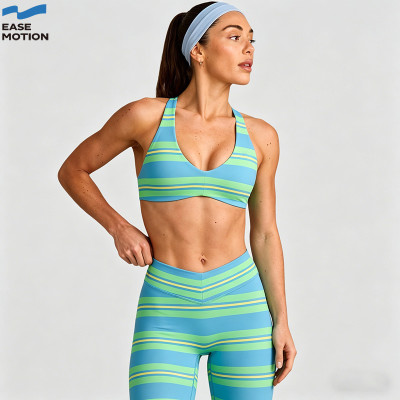
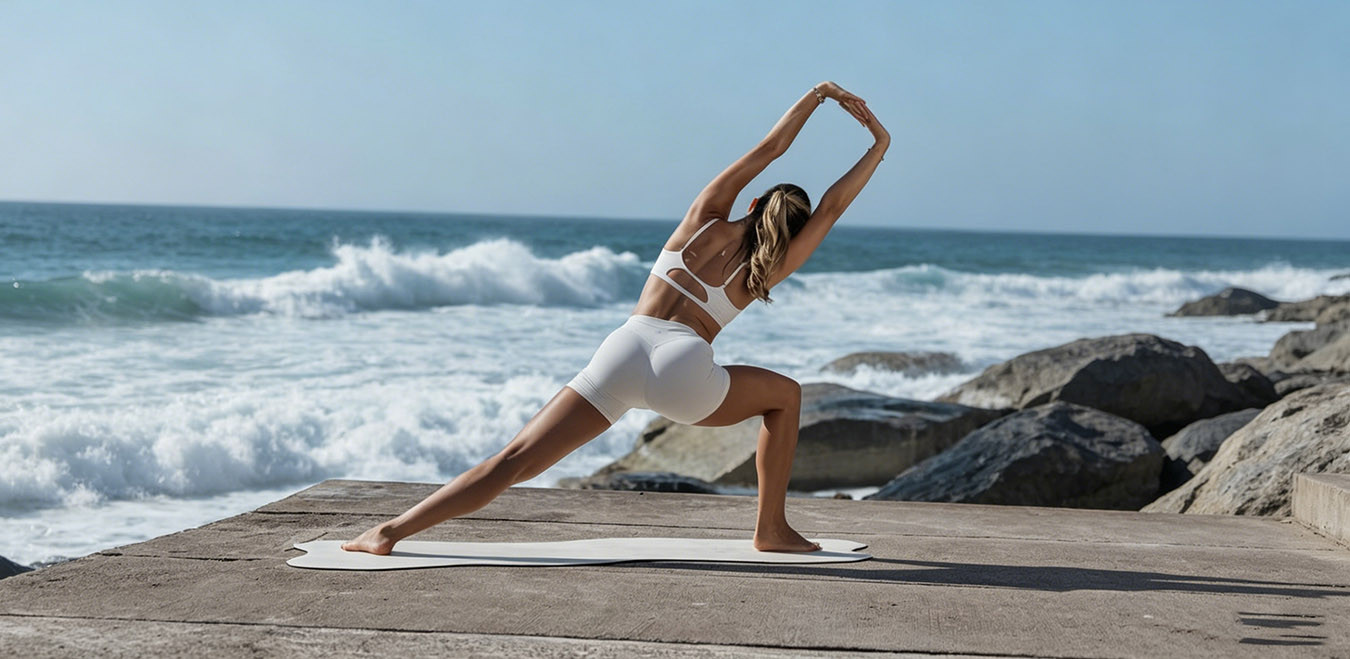
To achieve a truly unrestricted range of motion, fabrics must possess exceptional elasticity and recovery. Four-way stretch materials, typically crafted from sophisticated blends of nylon or polyester with a high percentage of elastane (like Lycra or spandex), are the industry standard. These fabrics stretch both crosswise and lengthwise, perfectly contouring to the body's unique shape. This ensures a precise fit that moves with the yogi during dynamic flows and holds its form during deep, extended poses, preventing the need for constant readjustment and allowing for deeper mental focus.
How easemotion Crafts Apparel for Seamless Flow and Support
Achieving this perfect synthesis of flexibility and stability is a complex engineering challenge that requires deep expertise in textile development. This is where pioneering fabric specialists like easemotion distinguish themselves. By focusing on the intricate interplay between fiber composition, yarn construction, and knitting techniques, they create textiles that offer graduated compression and targeted support precisely where needed. These intelligent fabrics can feature denser knit patterns in areas requiring more stability, such as around the core and joints, while offering greater elasticity elsewhere to facilitate movement. This meticulous approach to fabric engineering results in apparel that not only fits perfectly but also actively enhances the practice by providing a feeling of secure, seamless support.
Optimal Moisture Management: Keeping Yogis Dry, Cool, and Focused
A yoga practice, whether a gentle Hatha session or an intense Vinyasa flow, can generate significant heat and perspiration. Effective moisture management is therefore not a luxury but a necessity for maintaining comfort and focus. Fabrics that trap sweat can become heavy, clammy, and lead to chafing, creating a significant distraction. Advanced moisture-wicking technology is the key to preventing this, ensuring the practitioner remains dry and comfortable from the first sun salutation to the final Savasana.
 Caption: A
Innovative Wicking Technologies for Low and High-Intensity Practice
Modern moisture-wicking fabrics are engineered with a specific capillary action. Instead of absorbing moisture like cotton, these synthetic fibers (such as polyester and nylon) are hydrophobic, meaning they repel water. The fabric is structured to pull sweat away from the skin and transport it to the outer surface, where it can evaporate quickly. For high-intensity practices like hot yoga, some fabrics incorporate advanced chemical finishes or uniquely shaped fibers that increase the surface area, accelerating this evaporation process and creating a cooling effect.
The Role of Breathable Fabrics in Regulating Body Temperature
Breathability is the other side of the thermal regulation coin. A fabric's ability to allow air to circulate freely is crucial for dissipating heat and preventing overheating. The breathability of a fabric is determined by its composition and construction. Looser knits, micro-perforations, and the incorporation of mesh panels in high-sweat zones (like the back and underarms) are common strategies to enhance airflow. Materials like TENCEL™ Modal and certain bamboo blends are also known for their natural breathability and soft feel, making them excellent choices for less intense yoga styles where comfort and gentle temperature regulation are paramount.
The Art of Seamless Design and Integrated Technologies for Superior Practice
The pursuit of ultimate comfort has led to significant advancements in garment construction, most notably the rise of seamless knitting technology. By eliminating bulky seams, brands can create apparel that feels incredibly smooth against the skin, removing potential sources of irritation and chafing. This, combined with the subtle integration of functional technologies, elevates the user experience to new heights, allowing the garment to perform its function almost invisibly.
Minimizing Friction and Maximizing Comfort Through Seamless Knitting
Seamless apparel is typically produced on circular knitting machines, which weave garments in a tubular fashion. This process largely eliminates the need for cut-and-sew construction, resulting in fewer seams, less material waste, and a smoother, more body-hugging fit. For yoga, where the body is constantly moving and folding, the absence of seams on the sides, waist, and inner legs means a dramatic reduction in friction and an unparalleled level of comfort. This allows practitioners to fully immerse themselves in their practice without the nagging distraction of a rubbing seam.
Invisible Functionality: Tech Integration Without Visual Distraction
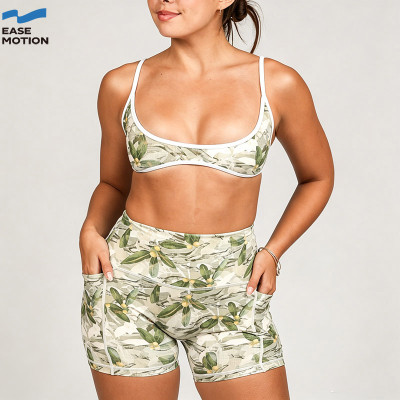
The beauty of modern fabric innovation lies in its subtlety. Functionality no longer needs to be visually obvious. Technologies like bonded seams (using adhesive instead of thread for a completely flat finish), laser-cut ventilation patterns, and integrated compression zones can all be incorporated without disrupting the garment's clean aesthetic. For example, a pair of leggings might feature a bonded, reinforced waistband for core support or subtly integrated pockets that lie flat when not in use. This "invisible functionality" ensures that the technology serves the practitioner without compromising the minimalist, elegant design that is central to the yoga aesthetic.
Prioritizing Hygiene and Durability for Longevity: Why Fabric Development Capability Determines the Competitiveness of Yoga Apparel Brands
In addition to performance and comfort, the longevity and hygienic properties of yoga apparel are critical factors in consumer satisfaction and brand loyalty. Yogis invest in high-quality gear with the expectation that it will withstand repeated, rigorous use and frequent washing. Fabrics that maintain their shape, color, and functional properties over time, while also offering features like odor control, represent a significant value proposition and a powerful differentiator for competitive brands.
Antibacterial and Odor-Control Textiles for Lasting Freshness in Yoga Practice
The warm, moist environment created by an intense yoga session is an ideal breeding ground for odor-causing bacteria. To combat this, leading fabric developers have engineered textiles with inherent antimicrobial properties. These technologies ensure that garments remain fresher for longer, both during and between washes, enhancing the overall user experience and sense of well-being.
Inhibiting Bacterial Growth and Reducing Unwanted Odors
One of the most common methods for creating antibacterial fabric involves treating it with agents that inhibit microbial growth. Silver-ion technology is a popular and effective solution; silver ions are embedded or bonded to the fibers and work to disrupt the cell walls of bacteria, preventing them from multiplying and generating odor. Other solutions include treatments with zinc or copper, as well as technologies that use a fabric's physical structure to prevent bacteria from thriving. These innovations are key to producing apparel that practitioners can wear with confidence, even through the most demanding sessions.
Advanced Materials for Enhanced Hygiene and Wellness
Beyond simple odor control, the focus on hygiene extends to a broader sense of wellness. Consumers are increasingly aware of what they put on their skin, and brands are responding with materials that are not only hygienic but also hypoallergenic and gentle. Using certified, skin-safe finishes and avoiding harsh chemicals are crucial aspects of this. Advanced materials that offer these assurances contribute to a more holistic and health-conscious yoga practice, reinforcing consumer trust in the brand.
Reinforcing Garment Lifespan and Maintaining Peak Performance Over Time
Durability is a cornerstone of sustainability and value. A high-quality yoga garment should be an investment, not a disposable item. The ability of a fabric to resist pilling, fading, and loss of elasticity is a direct result of the quality of its fibers and the sophistication of its construction. Brands that prioritize durability not only earn customer loyalty but also promote a more mindful approach to consumption.
High-Quality Fabrics Engineered for Resilience and Shape Retention
The resilience of a yoga fabric depends on several factors. The quality of the elastane is critical for shape retention, ensuring that leggings and tops snap back to their original form after being stretched. Furthermore, the use of high-quality, long-staple nylon or polyester fibers minimizes the risk of pilling, which occurs when short, broken fibers tangle together on the surface of the fabric. Abrasion resistance is another key metric, tested in labs to simulate the friction a garment might encounter against a yoga mat or the body, ensuring the fabric remains smooth and intact through countless sessions.
easemotion's Commitment to Durable Yoga Wear That Withstands Rigorous Use
A commitment to durability is a hallmark of a premier fabric developer. For a company like easemotion, this means an unwavering focus on quality control and material science. By engineering textiles specifically designed to withstand the unique stresses of yoga—deep stretches, friction, and frequent laundering—they provide apparel brands with the foundation for creating truly long-lasting products. This dedication to longevity ensures that the performance features of the garment, such as its moisture-wicking and supportive properties, are not compromised after just a few washes, delivering sustained value to the end consumer.
Driving Sustainability and Cultivating Consumer Trust: Why Fabric Development Capability Determines the Competitiveness of Yoga Apparel Brands
In today's conscious consumer market, sustainability is no longer a niche interest but a core driver of purchasing decisions. For yoga apparel brands, a commitment to environmental and social responsibility is intrinsically linked to the ethos of yoga itself. Fabric innovation plays a pivotal role in this arena, enabling brands to reduce their environmental footprint, foster transparency, and build deep, lasting trust with their community.
Embracing Eco-Conscious Materials and Responsible Production Methods
The shift towards sustainability in the textile industry is being driven by the development of innovative, eco-friendly materials and more responsible manufacturing processes. From recycled plastics to plant-based fibers, the options for creating beautiful, high-performance yoga wear with a lighter environmental touch have never been more abundant.
The Rise of Recycled, Organic, and Sustainably Sourced Fabrics
Recycled polyester (rPET), often made from post-consumer plastic bottles, has become a mainstay of sustainable activewear, diverting waste from landfills and oceans. Similarly, recycled nylon offers a way to repurpose pre- and post-consumer waste, such as fishing nets and industrial plastics, into a durable, high-quality fiber. Beyond recycled synthetics, the industry is seeing a rise in bio-based and cellulosic fibers like TENCEL™ Lyocell and Modal, which are derived from sustainably managed wood pulp and produced in a closed-loop system. Organic cotton, grown without synthetic pesticides or fertilizers, also remains a popular choice for more relaxed yoga styles.
| Fabric Type | Source | Key Sustainability Benefits |
|---|---|---|
| Recycled Polyester (rPET) | Post-consumer plastic bottles | Diverts waste from landfills; lower energy & water use than virgin polyester. |
| Recycled Nylon (Econyl®, etc.) | Fishing nets, fabric scraps | Reduces ocean plastic; has the same quality as virgin nylon. |
| TENCEL™ Lyocell/Modal | Sustainably sourced wood pulp | Produced in a closed-loop process; biodegradable; soft and breathable. |
| Organic Cotton | Organic cotton plants | Eliminates synthetic pesticides; healthier for soil and farmers. |
Minimizing Environmental Impact Throughout the Supply Chain
True sustainability extends beyond raw materials to encompass the entire production process. This includes using dyeing methods that require significantly less water and energy, such as dope dyeing (where pigment is added to the fiber solution before it is extruded) or digital printing. It also involves partnering with manufacturing facilities that adhere to strict environmental standards, manage waste responsibly, and ensure fair labor practices. Brands committed to sustainability must consider the entire lifecycle of their products, from sourcing to end-of-life.
Building Brand Loyalty Through Transparency and Ethical Initiatives
In an era of greenwashing, authenticity and transparency are paramount. Consumers are looking for brands that not only claim to be sustainable but can also substantiate those claims with clear, verifiable information. Building a brand story around genuine ethical commitments is a powerful way to connect with values-driven yogis and cultivate a loyal community.
Communicating Sustainable Practices to Values-Driven Consumers
Effective communication is key. Brands can build trust by being transparent about their supply chain, sharing details about the factories they work with, and providing clear explanations of the materials they use. Third-party certifications, such as the Global Organic Textile Standard (GOTS), OEKO-TEX®, and Fair Trade, offer consumers credible, at-a-glance confirmation of a brand's claims. By integrating this information into their marketing, product descriptions, and brand storytelling, companies can empower consumers to make informed choices that align with their values.
easemotion's Role in Leading Environmentally Friendly Solutions in Yoga Apparel
Fabric innovators are at the forefront of the sustainability movement. A forward-thinking developer like easemotion plays a crucial role by investing in the research and development of next-generation eco-friendly materials. By pioneering new recycling technologies, exploring bio-based alternatives, and optimizing production processes to reduce water and energy consumption, they provide their brand partners with a toolbox of sustainable solutions. This leadership enables apparel brands to meet and exceed consumer expectations for environmentally responsible products, cementing their position as trusted leaders in a conscious market.
The Holistic Design Language and Brand Differentiation: Why Fabric Development Capability Determines the Competitiveness of Yoga Apparel Brands
In a saturated market, a strong, recognizable brand identity is essential. Fabric is the medium through which a brand's design philosophy is expressed. It dictates the garment's drape, texture, and silhouette, and it underpins the transition from functional athletic wear to versatile lifestyle apparel. By mastering material innovation, brands can create a unique and holistic design language that sets them apart and resonates deeply with their target audience.
Integrating Functionality with Elegant Aesthetic Appeal
The modern yogi demands apparel that performs flawlessly in the studio but also looks polished and stylish on the street. The challenge for designers is to integrate high-tech performance features into a clean, minimalist aesthetic. The right fabric choice is the key to achieving this an elegant fusion of form and function.
Crafting Sleek Silhouettes and Minimalist Designs for Versatility
Fabrics with a smooth hand-feel, a subtle matte finish, and excellent drape are fundamental to creating sleek, minimalist silhouettes. These materials allow designers to craft garments that skim the body without constricting it, creating a look that is both flattering and sophisticated. The ability of a fabric to hold a clean, bonded edge or a sharp laser-cut detail without fraying further enables a minimalist design language free of unnecessary stitching or embellishment. This aesthetic purity enhances the garment's versatility, making it appropriate for a wide range of settings.
The Seamless Transition from Studio to Street Wear
The "athleisure" movement has blurred the lines between activewear and everyday fashion, and yoga apparel is at the heart of this trend. For a garment to successfully make the transition from a yoga class to a coffee meeting, its fabric must be opaque, resist pilling, and have a refined appearance. Materials that combine the performance of a technical fabric—like stretch and moisture management—with the luxurious feel and look of a fashion textile are highly sought after. This allows a single garment to serve multiple purposes in a consumer's wardrobe, offering enhanced value and convenience.
easemotion's Vision: Where Material Innovation Meets Intentional, Multi-Functional Design
A brand's vision is ultimately realized through its products, and the choice of fabric is the most fundamental decision in that process. For a specialist like easemotion, the vision is to empower brands by providing them with innovative materials that are not just technically superior but also serve as a canvas for a unique and compelling brand story.
Leveraging Advanced Fabrics to Create Distinctive Brand Identity
A signature fabric can become synonymous with a brand. By developing exclusive textiles with a unique feel, texture, or performance characteristic, a brand can create a powerful point of differentiation that is difficult for competitors to replicate. This could be a uniquely soft and compressive fabric for leggings, a feather-light and breathable material for tops, or a sustainably sourced textile with a compelling environmental story. Fabric innovators work collaboratively with brands to translate their identity into a tangible, tactile experience for the consumer.
Meeting Diverse Consumer Needs Across Various Yoga Practices and Lifestyles
The world of yoga is incredibly diverse, encompassing everything from hot and sweaty Power Vinyasa to gentle and meditative Restorative yoga. A one-size-fits-all approach to fabric is no longer sufficient. Advanced fabric development allows brands to create curated collections tailored to different practices and consumer needs. This might mean offering ultra-lightweight, quick-drying options for hot yoga enthusiasts, cozy, brushed-fleece fabrics for post-practice layering, or durable, highly supportive materials for acrobatic and aerial yoga. By offering this level of specialization, brands can better serve their diverse community and build a more inclusive and appealing product line.
Key Takeaways
This exploration into yoga apparel underscores a critical reality: fabric innovation is the engine of competitiveness. Brands that lead in material science are not just making better clothes; they are crafting superior experiences, building deeper trust, and future-proofing their business. Here are the essential takeaways for any brand aiming to thrive:
Performance is Non-Negotiable: The core of any successful yoga garment is its ability to perform. This begins with the fabric. A "second-skin" experience, achieved through multi-directional stretch and intelligent support, is the baseline expectation. Materials must allow for complete freedom of movement during complex poses without losing their shape. Simultaneously, superior moisture management is crucial. Fabrics must actively pull sweat away from the skin and allow it to evaporate, keeping the practitioner dry, cool, and focused, regardless of the intensity of the practice. Investing in textiles that excel in both stretch and moisture-wicking is the first step to earning a place in a yogi's wardrobe.
Durability and Hygiene Build Lasting Value: Consumers are increasingly viewing their apparel as an investment. A garment's ability to withstand the rigors of frequent use and washing is a powerful driver of brand loyalty. Fabrics engineered for durability—resisting pilling, fading, and loss of elasticity—demonstrate a commitment to quality and sustainability. Furthermore, hygienic properties like antibacterial and odor-control technologies are becoming standard. These features not only enhance the user experience by keeping garments fresher for longer but also speak to a broader wellness-oriented mindset, reinforcing the idea that the brand cares about the practitioner's holistic health.
Sustainability is the New Standard of Trust: The modern consumer is conscientious. They want to know where their products come from and what impact they have on the planet. Transparency is no longer optional. Brands must not only embrace sustainable materials—like recycled polyester, bio-based fibers (TENCEL™), and organic cotton—but also be able to communicate their eco-friendly practices authentically. This involves providing clear information about the supply chain, responsible manufacturing processes, and credible third-party certifications. A genuine commitment to sustainability, woven into the very fabric of the product, is one of the most effective ways to build a deep, values-based connection with the yoga community.
Fabric Defines the Brand's Identity and Aesthetic: In a sea of black leggings, fabric is the ultimate differentiator. It dictates how a garment feels, how it drapes, and how it performs, collectively shaping the brand's unique identity. A signature fabric can become a brand's most valuable asset, creating a distinct tactile experience that customers recognize and seek out. Moreover, fabric choice is central to the "studio-to-street" versatility that defines modern athleisure. By selecting materials that merge high performance with a sophisticated, elegant aesthetic, brands can create multi-functional apparel that offers consumers greater value and seamlessly integrates into their lifestyle. This ability to craft a holistic design language through fabric is what separates market leaders from followers.
Frequently Asked Questions (FAQ)
Q1: What is the best fabric for yoga pants?
There isn't one single "best" fabric, as the ideal choice depends on the type of yoga and personal preference. However, the most effective yoga pants are typically made from a blend of synthetic fibers. A combination of Polyester or Nylon with a high percentage of Elastane (also known as Spandex or Lycra) is the industry standard for a reason. Nylon offers durability, a smooth feel, and is lightweight, while polyester is also durable and excels at wicking moisture. Elastane is the key ingredient that provides the crucial four-way stretch and shape retention, allowing the pants to move with you without sagging. For hot yoga, look for fabrics with enhanced moisture-wicking technology and a lightweight feel. For restorative or slower practices, a softer blend containing fibers like TENCEL™ Modal or even a high-quality organic cotton blend can provide superior comfort.
Q2: Why do my yoga leggings start to smell, and how can I prevent it?
The unpleasant odor that can build up in activewear is caused by bacteria that thrive in the warm, moist environment created by sweat. Synthetic fibers, while excellent at wicking moisture, can be particularly prone to harboring these odor-causing microbes. To combat this, many high-performance brands incorporate antibacterial technology into their fabrics. These are often treatments with silver ions (like Polygiene) or other antimicrobial agents that are embedded in the fibers and work to inhibit bacterial growth. When shopping, look for terms like "anti-odor," "antimicrobial," or specific technology brand names. To prevent smells in your existing gear, avoid leaving sweaty clothes in a gym bag, wash them promptly after use, and consider using a sports-specific detergent.
Q3: Are sustainable yoga clothes as good as regular ones?
Absolutely, and in many cases, they are superior. The technology behind sustainable fabrics has advanced dramatically. Recycled polyester (rPET) and recycled nylon (like ECONYL®) now offer the same level of performance—durability, stretch, and moisture-wicking—as their virgin counterparts, with the significant benefit of diverting waste from landfills and oceans. Plant-based and cellulosic fibers like TENCEL™ Lyocell are renowned for their incredible softness, breathability, and natural moisture management, all while being produced in environmentally sound, closed-loop systems. Brands that invest in high-quality sustainable materials are often the same brands that are deeply committed to overall product excellence, meaning you are likely getting a thoughtfully designed, high-performance, and durable garment that also aligns with conscious values.
Q4: How can I tell if my yoga pants will be see-through?
The dreaded "see-through" problem, often called "sheer," is a common concern. It's usually a result of a few factors: low-quality fabric, a loose knit, or a fabric that is too thin. A good way to test this is the "squat test." If you're in a store, try on the leggings and perform a deep squat in front of a well-lit mirror to check for transparency. If buying online, this is trickier. Look for brands that explicitly mention "squat-proof," "full coverage," or "opaque" in their descriptions. Pay attention to the fabric weight (GSM - grams per square meter); a higher GSM often indicates a denser, less transparent fabric. Reading customer reviews can also be incredibly revealing, as people will almost always comment on whether the leggings are sheer. Generally, reputable brands dedicated to yoga apparel have invested heavily in creating non-sheer fabrics.
Q5: Is it worth investing in expensive yoga apparel?
While price doesn't always equal quality, in the case of technical apparel, a higher price point often reflects significant investment in research, development, and superior materials. More expensive yoga wear typically uses premium fibers that provide better stretch retention, meaning the garment won't lose its shape after a few wears. They feature more advanced moisture-wicking and anti-odor technologies, and are constructed with techniques like seamless knitting or flatlock seams for enhanced comfort and durability. An expertly engineered pair of leggings can actively improve your practice by offering targeted support and staying put, allowing you to focus on your breath and movement rather than your clothes. While a higher initial cost, these garments are designed to last for years, making them a more sustainable and valuable investment in the long run compared to cheaper alternatives that need frequent replacement.
Conclusion
In the final analysis, fabric innovation stands as the undisputed bedrock for any yoga apparel brand aspiring to not just compete, but to lead the market. Superior performance, elevated comfort, a profound commitment to environmental responsibility, and the cultivation of a meticulously crafted brand identity are all direct and tangible outcomes of advanced material development. The brands that are winning are those that understand that they are not merely selling clothes, but are engineering an experience—an experience that begins with the very fibers of the fabric.
The trajectory of yoga apparel is undeniably intertwined with the continuous advancements in material science. As we look to the future, we can anticipate even more intelligent, responsive, and sustainable textiles that will further blur the lines between apparel and personal technology. For practitioners, this promises a future of ever-greater comfort and performance. For brands, the message is clear: commitment to excellence through fabric innovation is the only path forward. We encourage you to consider the feel and function of your gear in your next practice and to share this article with fellow enthusiasts who appreciate the art and science behind what they wear.