How Plastic Bottles Transform into Yoga Apparel: A Guide to Recycled Fabric Production
The global textile industry is grappling with profound challenges related to waste management and resource depletion. Annually, the world produces a staggering 92 million tonnes of textile waste. This colossal amount of discarded fabric significantly burdens landfills and contributes to widespread environmental pollution. If current trends persist, this figure is projected to climb to 134 million tonnes per year by 2030.
This article explores the transformative potential of recycled fabric production, charting the innovative journey from post-consumer waste to high-performance activewear. By analyzing the production process of recycled fabrics, specifically how plastic bottles are turned into yoga apparel, we illuminate a sustainable path forward that marries performance with planetary stewardship. This shift represents a critical evolution, offering a viable solution to mitigate the textile industry's environmental impact while fostering groundbreaking innovation.
Key Takeaways
- The Scale of Textile Waste: The fashion industry is a primary contributor to global pollution, generating millions of tons of waste annually. A significant portion of this waste, including 11.3 million tons in the US in 2018 alone, ends up in landfills. Synthetic materials like polyester can take over 200 years to decompose, releasing harmful substances into the environment during this lengthy process.
- The Microfiber Problem: Washing synthetic clothing, such as activewear made from polyester and nylon, releases vast quantities of microfibers. These microscopic plastic particles are a major source of ocean pollution, with laundering synthetic textiles accounting for an estimated 35% of primary microplastics in marine environments. These fibers can absorb toxins and are ingested by marine life, traveling up the food chain and posing risks to both ecosystems and human health.
- Recycling as a Solution: Transforming post-consumer waste, like PET plastic bottles and fishing nets, into new textiles is a cornerstone of the circular economy. This process significantly reduces the reliance on virgin resources, decreases energy and water consumption, and lowers greenhouse gas emissions compared to producing new materials. Recycled polyester (rPET) production, for instance, can reduce energy use by 33-53%.
- The Production Process: The journey from bottle to fabric involves several key stages:
- Collection and Sorting: Post-consumer waste is gathered and meticulously sorted by material type and color.
- Cleaning and Shredding: The sorted materials are thoroughly cleaned to remove contaminants and then shredded into small flakes.
- Processing: These flakes are melted down and extruded through a spinneret to create long, continuous filaments.
- Yarn and Fabric Creation: The filaments are spun into yarn, which is then woven or knitted into high-performance fabrics ready for garment manufacturing.
- Benefits of Recycled Fabrics: Modern recycled fabrics, such as those used in high-performance yoga apparel, offer quality and functionality that is equivalent or even superior to their virgin counterparts. They provide excellent moisture-wicking, durability, and four-way stretch, making them ideal for activewear. Brands leading this charge demonstrate that sustainability does not require a compromise on performance.
- Challenges and the Future: The industry still faces hurdles, including the complexity of recycling blended fabrics, the cost of recycling technologies, and the need for more robust collection infrastructure. However, growing consumer demand for sustainable products, coupled with innovations in both mechanical and chemical recycling, is paving the way for a more circular and responsible textile industry. Supporting brands committed to transparency and eco-conscious production is a powerful way for consumers to drive this positive change.
The Environmental Imperative: Addressing Waste and Driving Innovation in Textile Production
The modern textile industry stands at a critical crossroads, defined by the dual pressures of mass production and environmental accountability. The rise of "fast fashion" has accelerated consumption cycles, leading to an unprecedented volume of waste that strains our planet's resources and ecosystems. This reality necessitates a radical shift in how we produce, consume, and dispose of clothing. The transformation of waste materials, such as plastic bottles, into high-performance yoga apparel is not just an innovation but an environmental imperative, offering a tangible solution to some of the industry's most pressing challenges.
Staggering Statistics of Textile Waste and Plastic Pollution
The data surrounding textile and plastic waste paints a stark picture of the environmental challenge at hand. Globally, the fashion industry produces an estimated 92 million metric tons of textile waste each year. This is equivalent to a garbage truck full of clothes being landfilled or incinerated every single second. In the United States alone, 11.3 million tons of textile waste were landfilled in 2018, a figure that has grown dramatically over the past two decades due to the acceleration of fast fashion. Shockingly, only about 15% of post-consumer textile waste is collected for reuse or recycling.
This deluge of discarded clothing has several devastating consequences:
- Landfill Overload: Synthetic fabrics like polyester, which are prevalent in activewear, do not biodegrade easily and can persist in landfills for over 200 years. As they slowly break down, they release harmful chemicals and dyes into the soil and groundwater.
- Greenhouse Gas Emissions: The decomposition of organic fibers in anaerobic landfill conditions releases methane, a greenhouse gas significantly more potent than carbon dioxide. The incineration of textiles also emits large amounts of CO2 and other pollutants.
- Resource Depletion: The "take-make-dispose" model wastes valuable resources. Every year, an estimated $500 billion in value is lost due to clothing that is barely worn and not recycled. Producing new textiles is also incredibly resource-intensive; for example, making a single cotton t-shirt requires approximately 2,700 liters of water.
The statistics are a clear call to action. The linear economic model that has long defined the fashion industry is unsustainable, and a transition to circular practices is essential for the health of our planet.
The Microfiber Menace and the Impact of Fast Fashion on Ecosystems
Beyond the visible mountains of textile waste, a more insidious threat is accumulating in our environment: microfibers. These tiny plastic fragments, shed from synthetic clothing during washing, are a major contributor to plastic pollution. It's estimated that 35% of all primary microplastics in the ocean originate from laundering synthetic textiles like polyester, nylon, and acrylic. A single load of laundry can release hundreds of thousands of these fibers, which are too small to be filtered by most wastewater treatment plants and thus flow directly into our rivers and oceans.

Once in the environment, microfibers act like sponges for other pollutants, absorbing toxic chemicals. They are ingested by marine organisms, from plankton to whales, causing digestive issues and introducing toxins into the food chain. This process of biomagnification means that these harmful substances can eventually end up on our plates. Researchers have found microfibers in the most remote corners of the globe, from the Arctic snow to the depths of the Mariana Trench, and even in human lungs and bloodstreams.
This widespread contamination is a direct consequence of fast fashion's reliance on cheap, petroleum-based synthetic materials. The industry's business model encourages overproduction and overconsumption, leading to a host of other ecological problems:
- Habitat Destruction: The demand for materials like viscose contributes to deforestation, while the cultivation of conventional cotton often involves heavy pesticide use that harms pollinators and degrades soil health.
- Water Pollution: Textile dyeing is the world's second-largest polluter of water, with residual toxic chemicals often discharged directly into local water systems, devastating aquatic ecosystems.
- Carbon Emissions: The fashion industry is responsible for up to 10% of global carbon emissions—more than international flights and maritime shipping combined. Emissions from textile manufacturing alone are projected to increase by 60% by 2030 if business as usual continues.
Addressing the microfiber menace and the broader ecological impact of fast fashion requires systemic change, including developing fabrics that shed less, improving wastewater filtration, and, most importantly, shifting away from a disposable culture toward a circular economy where materials are valued and reused.
From Waste to Wearable: The Detailed Production Process of Recycled Fabrics
The transformation of post-consumer waste into high-quality, wearable textiles is a testament to modern innovation and a cornerstone of the circular economy. For brands like easemotion, this process is central to creating sustainable activewear without sacrificing performance. The journey from a discarded plastic bottle or fishing net to a pair of functional, stylish yoga pants involves a sophisticated, multi-stage process that reclaims value from materials once destined for landfills or oceans. This evolution represents a critical departure from the linear "take-make-dispose" model, paving the way for a more responsible and resource-efficient textile industry.
The Foundational Principles of Recycled Fiber Production
Recycled fiber production is built on the core principle of circularity: transforming waste materials back into valuable raw materials for new products. This approach fundamentally decouples textile manufacturing from the consumption of virgin resources, offering significant environmental benefits. The two primary methods for recycling textiles are mechanical and chemical recycling.
Mechanical Recycling: This is the most established and widely used method, particularly for single-material waste streams like 100% cotton or PET plastic bottles. The process involves physically shredding or pulling apart the waste material to break it down into its constituent fibers. These fibers are then cleaned, carded (a process that aligns the fibers), and re-spun into yarn. While energy-efficient, mechanical recycling can shorten fiber length, which sometimes affects the strength of the final fabric. To counteract this, recycled fibers are often blended with a small percentage of virgin fibers to enhance durability.
Chemical Recycling: This more advanced method uses chemical processes to break down synthetic polymers (like polyester) into their original molecular building blocks, or monomers. These monomers are then purified and re-polymerized to create new fibers that are virtually identical in quality to virgin materials. Chemical recycling is particularly advantageous for handling complex materials like blended fabrics (e.g., cotton-polyester) and colored textiles, which are challenging for mechanical methods to process. While more energy-intensive, it offers the potential for true, closed-loop "textile-to-textile" recycling without quality degradation.
Both methods are vital for turning waste into wearable art, enabling the creation of high-performance fabrics from sources that would otherwise pollute the planet.
The Journey of Post-Consumer Waste Transformation: Collection, Cleaning, and Preparation
The production of recycled fabric begins long before any material reaches a factory floor. It starts with the systematic collection and meticulous preparation of post-consumer waste. This foundational stage is critical, as the quality of the final recycled fabric is directly dependent on the purity of the input materials. The process can be broken down into three essential steps: collection, sorting, and cleaning.
Sourcing Diverse Waste Streams: From Plastic Bottles to Fishing Nets
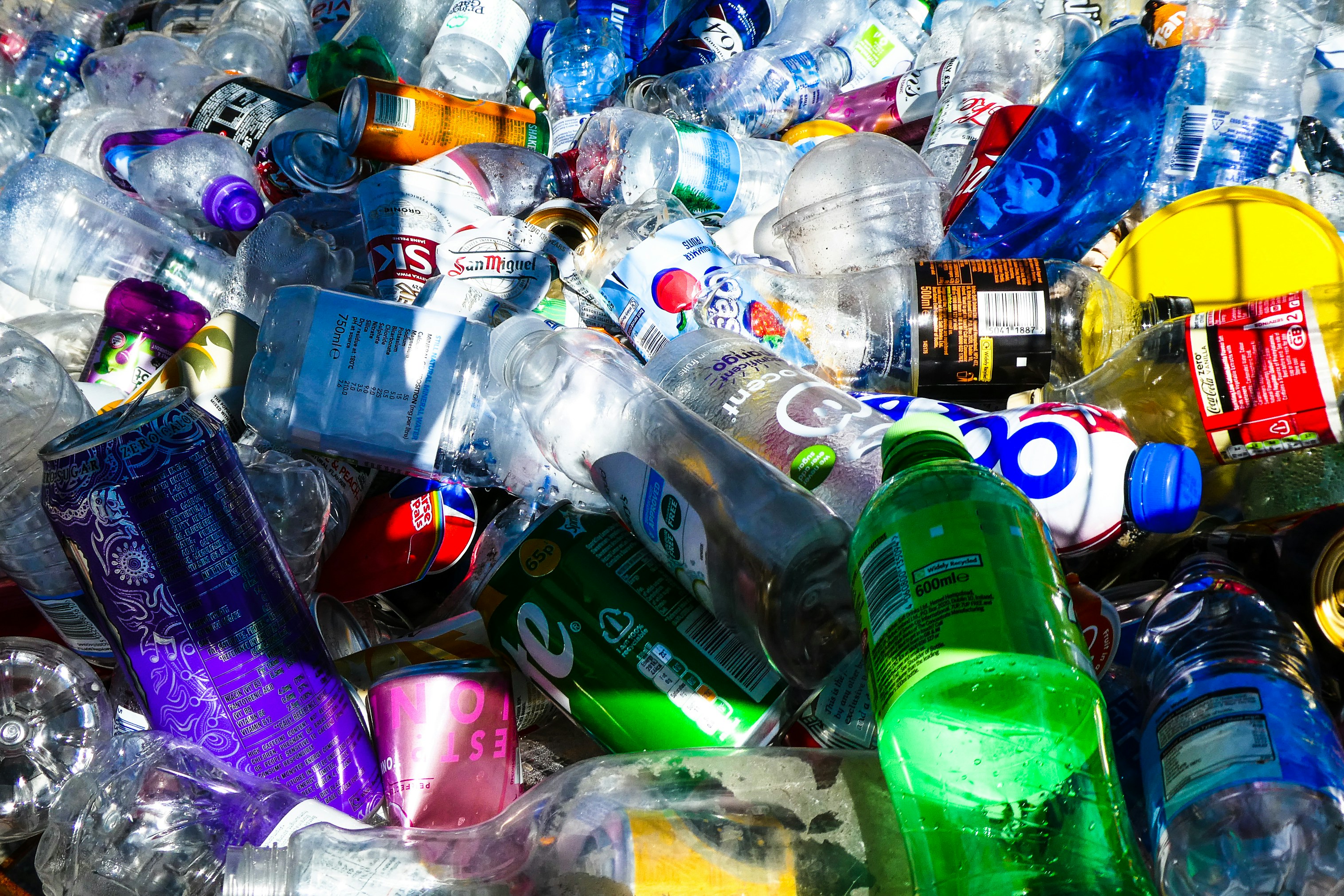
The raw materials for recycled fabrics are sourced from a variety of post-consumer and post-industrial waste streams. The most common and well-established source is PET (polyethylene terephthalate) plastic bottles, which are recycled into rPET, a versatile and durable polyester fabric. However, innovation has expanded the range of viable materials significantly:
- Discarded Fishing Nets: These "ghost nets" are a major source of ocean pollution, entangling marine life for decades. Recycling initiatives collect these nets and transform them into high-quality regenerated nylon (such as ECONYL®), which is ideal for swimwear and durable activewear due to its strength and resilience.
- Industrial Fabric Waste: Scraps and offcuts from garment manufacturing, which would otherwise be discarded, are collected and re-integrated into the recycling process.
- Old Carpets and Other Textiles: Materials like used carpets are also a source for regenerated nylon, diverting bulky waste from landfills.
By sourcing from these diverse streams, the industry not only cleans up existing pollution but also creates economic incentives for waste collection, supporting a more robust circular economy.
Advanced Sorting and Purification Processes
Once collected, the raw waste must undergo rigorous sorting and purification to ensure the final product is free from contaminants. This is a highly technical and crucial step in the recycling journey.
- Initial Sorting: Materials arrive at recycling facilities where they are first sorted manually and mechanically. This initial pass removes large contaminants, non-recyclable items, and separates materials by type (e.g., PET from HDPE) and color.
- Shredding and Washing: The sorted plastics or textiles are shredded into small pieces or flakes. These flakes then go through an intensive washing process, often involving hot water and caustic solutions, to remove labels, adhesives, residual food or drink, and other impurities.
- Advanced Optical and AI-Powered Sorting: To achieve the high level of purity required for quality textile production, facilities now use advanced technologies. Optical sorters equipped with near-infrared (NIR) spectroscopy can identify different types of plastics based on their unique material properties. AI-powered systems can detect and eject hard-to-classify objects like opaque bottles or foreign polymers with incredible speed and accuracy, achieving purity rates of over 99%. This ensures that only the target material moves on to the next stage, which is essential for creating high-performance, contaminant-free yarns.
This meticulous preparation phase is what allows a discarded bottle to be reborn as a pristine, high-quality fiber ready for its second life as yoga apparel.
Technological Processes: Transforming Waste into New Fibers for Yoga Apparel
Once the post-consumer waste has been cleaned and purified into flakes, the true alchemy of modern recycling begins. This is where the solid material is technologically transformed back into a state from which new, high-performance fibers can be created. The two primary pathways for this transformation are mechanical and chemical recycling, each with its own methodology and applications tailored for creating functional and sustainable textiles, including those perfect for yoga apparel. These processes not only reduce landfill waste but also significantly cut down on energy consumption, water usage, and carbon emissions compared to virgin fiber production.
Mechanical Recycling Techniques and Their Applications
Mechanical recycling is the most common and direct method for converting PET plastic flakes into polyester yarn, often referred to as rPET. This process re-melts and extrudes the plastic without altering its fundamental chemical structure.
The step-by-step process is as follows:
- Drying and Melting: The clean, purified PET flakes are thoroughly dried to remove any remaining moisture, which is critical for maintaining the polymer's integrity. The flakes are then melted at high temperatures (around 260-280°C) into a thick, viscous liquid.
- Extrusion and Spinning: The molten polyester is forced through a spinneret—a device with many tiny holes, similar to a showerhead. As the liquid polyester emerges, it forms long, continuous filaments.
- Cooling and Solidifying: These hot filaments are rapidly cooled, often in a liquid bath or with air, causing them to solidify into strong fibers.
- Drawing and Texturing: The solidified fibers are then stretched or "drawn" to align the polymer chains, which significantly increases their strength and durability. They can also be textured to give the final yarn different properties, such as a softer feel or more stretch.
- Spinning into Yarn: Finally, these continuous filaments are cut into staple fibers of a desired length or combined to form yarns, which are then wound onto bobbins, ready to be woven or knitted into fabric.
This method is highly efficient for clean, single-material waste streams like plastic bottles and is widely used to produce the durable, moisture-wicking polyester ideal for activewear.
Chemical Recycling: Unlocking Purity and Performance
Chemical recycling represents the next frontier in textile sustainability, offering a way to recycle more complex waste and create fibers of virgin-like quality. This process breaks down the polymer's chemical bonds, allowing it to be completely purified and then rebuilt.
There are several methods of chemical recycling, including:
- Depolymerization: This is a common method for polyester. The PET flakes are broken down into their base molecules, terephthalic acid (TPA) and ethylene glycol (EG). This process effectively separates the polyester from any dyes, contaminants, or other fiber types (like cotton in a poly-cotton blend).
- Purification: The resulting monomers are then filtered and purified to a very high standard, removing all impurities that would affect the quality of the new polymer.
- Re-polymerization: The purified monomers are then chemically recombined in a process called polymerization to create a brand new polyester polymer. This resulting material is indistinguishable from virgin polyester made from petroleum.
- Melt Spinning: From this point, the process mirrors mechanical recycling: the new polymer is melted, extruded through a spinneret to form fibers, and spun into yarn.
Chemical recycling is particularly valuable because it can handle materials that mechanical recycling cannot, such as blended fabrics and heavily dyed garments. This opens the door to a truly circular "textile-to-textile" recycling system, where old yoga pants can be broken down and reborn as new ones, cycle after cycle, without any loss of performance.
The Superiority of Recycled Materials in Modern Textiles, Exemplified by easemotion Products
There was once a perception that recycled materials were inherently inferior to their virgin counterparts. However, thanks to advancements in recycling technology, this is no longer the case. Today's recycled fabrics, particularly those used in high-performance activewear, often match and sometimes even exceed the quality of virgin materials. Brands like easemotionexemplify this new standard, proving that sustainability and high performance can go hand-in-hand.
The key performance attributes of modern recycled fabrics include:
- Durability and Strength: Recycled polyester (rPET) and recycled nylon are known for their exceptional strength and resistance to abrasion. This makes them ideal for activewear that needs to withstand intense workouts and frequent washing.
- Moisture-Wicking and Breathability: Like virgin polyester, rPET excels at wicking moisture away from the skin, keeping the wearer dry and comfortable during exercise. The fabrics can be engineered with knit structures that enhance breathability.
- Four-Way Stretch and Recovery: When blended with spandex, recycled polyester and nylon provide excellent four-way stretch, allowing for complete freedom of movement in activities like yoga. Crucially, they also have great recovery, meaning the fabric returns to its original shape and doesn't sag or become baggy over time.
- Color Vibrancy and Feel: Modern dyeing and finishing techniques ensure that recycled fabrics can achieve deep, vibrant colors that last. The yarns can also be processed to have a soft, comfortable hand-feel that is pleasant against the skin.
Products from a sustainably focused manufacturer like easemotionare a testament to this progress. By prioritizing verified sustainable sourcing through certifications like the Global Recycled Standard (GRS), they ensure that their materials are not only eco-friendly but also meet rigorous performance criteria. This commitment demonstrates that choosing recycled apparel is not a compromise; it's an upgrade to a smarter, more responsible, and equally high-performing product. The use of these advanced recycled textiles allows consumers to enjoy superior functionality while actively participating in a solution to the global waste crisis.
Pioneering Sustainability: Innovations and the Circular Economy in Fabric Production
The shift towards a sustainable textile industry is being driven by pioneering brands and innovators who are fundamentally rethinking the lifecycle of a garment. They are moving beyond the linear model of "take-make-waste" and embracing a circular economy where materials are kept in use for as long as possible. This involves not only recycling waste into new products but also designing products from the outset to be durable, repairable, and recyclable. Companies like easemotionare part of this movement, contributing to a future where high-performance apparel and environmental responsibility are inextricably linked.
Industry Trailblazers: Spotlight on Ecoalf's Vision for a Waste-Free Future
Spanish fashion brand Ecoalf stands as a prominent example of a company built on a foundation of sustainability and innovation. Founded by Javier Goyeneche, the brand's mission is to create a new generation of recycled products that match the quality and design of the best non-recycled goods, proving that fashion can be both stylish and environmentally conscious. Ecoalf's vision is to avoid the careless use of natural resources by transforming waste into high-quality textiles. The company has developed over 500 recycled fabrics from a wide range of waste materials, including:
- Plastic bottles retrieved from the bottom of the ocean.
- Discarded fishing nets, which are turned into durable nylon.
- Used tires and post-industrial cotton and wool.
One of their most impactful initiatives is the "Upcycling the Oceans" project. Launched in 2015 through the Ecoalf Foundation, this program collaborates with over 4,200 fishermen across the Mediterranean Sea to collect marine debris. The fishermen bring the waste they recover to port, where it is sorted and processed. This initiative has already removed nearly 1,500 tons of waste from the ocean, giving a second life to materials that would otherwise harm marine ecosystems. Ecoalf's commitment extends to its design philosophy; around 70% of its collection is made from mono-materials to facilitate easier recycling at the end of the garment's life, truly closing the loop.
Closing the Loop: Gabriel Loop's Textile-to-Textile Innovations
Another key innovator in the circular economy is the Danish furniture fabric specialist, Gabriel, with its Gabriel Loop system. This initiative represents a groundbreaking approach to closed-loop textile recycling, specifically designed to transform discarded polyester into new, high-quality fabrics. The core of Gabriel Loop is an industrial-scale take-back system that encourages customers and production partners to return their polyester textile waste.
Instead of letting these materials end up in landfills or incinerators, Gabriel collects them and reinvents them. The waste is recycled into a specialized black yarn that becomes the foundation for all Gabriel Loop products. This system demonstrates a tangible way to decouple textile production from the use of new resources, instead harnessing the value of materials already in circulation.
The Gabriel Loop collection proves that fabrics born from waste can meet the highest standards of quality, aesthetics, and durability. All products are designed to be fully recyclable, ensuring they can re-enter the loop at the end of their life, embodying the principles of a true circular system. This model transforms "rubbish" into a valuable resource, creating beautiful, functional textiles while significantly reducing carbon footprint and resource depletion.
The Imperative of Circular Economic Models in Textile Manufacturing
The traditional linear model of the textile industry—extract, manufacture, use, and dispose—is fundamentally unsustainable. It depletes finite resources, generates massive amounts of waste, and causes extensive pollution. A circular economy offers a systemic solution by redesigning the entire lifecycle of textiles. This model is based on three core principles:
- Design out waste and pollution: This involves creating products that are durable, easy to repair, and made from mono-materials or materials that can be easily separated for recycling.
- Keep products and materials in use: This is achieved through reuse, repair, remanufacturing, and recycling. Business models like rental services, resale platforms, and take-back programs are crucial for extending the life of garments.
- Regenerate natural systems: This principle focuses on using renewable materials and returning biological nutrients to the earth safely.
Implementing circular models is not just an environmental necessity but also an economic opportunity. It retains the value of materials that would otherwise be lost, reduces reliance on volatile commodity markets, and meets the growing consumer demand for sustainable products. For the textile industry, this means investing in recycling technologies, designing for circularity, and collaborating across the supply chain to create closed-loop systems where textile waste becomes the feedstock for new textiles.
Advancements in Waste Management Technologies and easemotion's Commitment to Transparency
Achieving a truly circular textile economy hinges on technological advancements, particularly in sorting and recycling. The complexity of textile waste, with its mix of fibers, colors, and components like zippers and buttons, has long been a major bottleneck. However, recent innovations are breaking down these barriers:
- AI-Powered Automated Sorting: New systems are revolutionizing the sorting process. A team at the Golisano Institute for Sustainability (GIS) at RIT has developed a system using specialized cameras, AI, and laser cutters to automatically identify fabric composition, detect non-recyclable elements like logos and zippers, and precisely cut them away. This allows for the recovery of high-purity materials suitable for high-value recycling. Systems using near-infrared (NIR) sensors can also rapidly sort garments by fiber type at industrial speeds, making the process far more efficient and economical.
- Advanced Chemical Recycling: Technologies are emerging that can successfully separate and recycle blended fabrics, which make up a large portion of textile waste. For example, companies like Worn Again Technologies use a solvent-based process to separate polyester and cellulose (from cotton) in poly-cotton blends, recovering both materials to be made into new, virgin-quality fibers.
- Enzymatic Recycling: Enviro-tech innovators are developing processes that use plastic-eating enzymes to break down polymers. This "molecular recycling" can handle various materials, including polyester and nylon, to create infinitely recyclable textiles.
For these advancements to be truly effective, transparency is key. Consumers and industry partners need to trust that the materials labeled as "recycled" are what they claim to be. This is where the commitment of brands like easemotionbecomes crucial. By adhering to rigorous third-party certifications like the Global Recycled Standard (GRS), they provide verifiable proof of their sustainable sourcing. This transparency builds trust and empowers consumers to make informed choices, ensuring that their purchasing decisions support genuine environmental progress and contribute to a more sustainable and circular future for fashion.
Strategic Challenges and Future Opportunities in the Production of Recycled Fabrics
While the journey from a plastic bottle to yoga apparel represents a monumental step forward for sustainable fashion, the path is not without its obstacles. The burgeoning recycled fabric industry faces a series of strategic challenges that must be addressed to achieve widespread, scalable impact. These hurdles range from technical material complexities to economic pressures. At the same time, a growing global consciousness around sustainability is creating unprecedented opportunities for innovation and market growth, charting an exciting course for the future.
Navigating Material Complexity and Maintaining Fiber Integrity
One of the most significant technical challenges in textile recycling is the sheer complexity of modern fabrics. Many garments are not made from a single material but from intricate blends of natural and synthetic fibers, such as cotton-polyester or nylon-spandex.
The Blended Fabric Problem: Separating blended fibers is a major hurdle. Mechanical recycling, which physically shreds fabrics, cannot effectively separate different fiber types that are intimately mixed in a yarn. While chemical recycling shows great promise in dissolving or depolymerizing specific polymers to isolate them from a blend, these technologies are still maturing and not yet widely available or cost-effective for all blend types. Consequently, a vast amount of blended textile waste cannot be recycled back into high-value fabrics and is often downcycled or sent to landfills.
Maintaining Fiber Integrity: Mechanical recycling, while energy-efficient, can degrade the quality of fibers. The process of shredding and tearing fabrics shortens the fiber length, which can result in a weaker yarn and a less durable final product. To compensate, mechanically recycled fibers often need to be blended with virgin fibers to maintain strength and quality, which limits the circularity of the process. While chemical recycling can produce fibers of virgin-like quality, ensuring the process itself is efficient and doesn't damage the polymer structure is a continuous area of research and development. Addressing these issues is key to producing 100% recycled textiles that meet the high-performance standards expected in activewear.
Addressing Cost Implications and Environmental Footprints of Recycling Processes
While recycling offers clear environmental benefits over virgin production, it comes with its own set of economic and environmental costs that pose significant challenges to scalability.
Cost Competitiveness: Recycled fibers can often be more expensive than their virgin counterparts. In 2025, reports indicated that recycled fibers can cost between 1.2 to 3 times more than virgin materials. This price difference is due to several factors, including the high costs of collection, sorting, and processing waste, as well as the advanced, and sometimes energy-intensive, technologies required for recycling. Virgin material supply chains have been optimized for decades and are often supported by subsidies, making them difficult to compete with on price alone.
Environmental Footprint of Recycling: While recycling processes generally have a lower carbon footprint and use less water and energy than producing virgin materials, they are not without their own environmental impact. Chemical recycling, for instance, can involve the use of solvents and other chemicals that need to be managed responsibly to prevent pollution. The energy required to melt plastics or power chemical reactions must also be factored into the overall lifecycle assessment of a recycled product. Continuous innovation is focused on making these processes more efficient and reducing their environmental footprint to maximize the net positive impact of recycling.
The Expanding Market for Sustainable Fashion and Second-Hand Textiles
Despite the challenges, the future for recycled fabrics is incredibly bright, largely driven by a powerful shift in consumer and market dynamics. There is a rapidly growing global demand for sustainable products, creating immense opportunities for brands committed to circularity.
Market Growth Projections: The sustainable fashion market is experiencing explosive growth. Valued at USD 7.8 billion in 2023, it is projected to soar to over USD 33 billion by 2030, expanding at a robust compound annual growth rate (CAGR) of around 22.9%. This growth is fueled by increasing consumer awareness of environmental issues and a greater willingness to support brands that prioritize ethical and eco-friendly practices. Younger generations, in particular, are driving this trend, demanding transparency and accountability from the brands they support.
Rise of the Second-Hand Market: Alongside the demand for new sustainable apparel, the second-hand clothing market is also booming. This trend reflects a broader cultural shift away from the disposability of fast fashion and toward embracing pre-loved items, extending the life of garments and reducing waste. Online platforms and curated resale shops have made it easier than ever for consumers to participate in this circular ecosystem.
This expanding market creates a powerful incentive for the textile industry to invest in recycling infrastructure and innovation. As more consumers choose sustainable options, the economies of scale for recycled fabrics will improve, helping to lower costs and make them even more competitive with virgin materials. This virtuous cycle of demand and innovation is paving the way for a future where recycled fabrics are not just a niche alternative but the industry standard.
Frequently Asked Questions (FAQ)
Is yoga apparel made from recycled plastic bottles as good as apparel made from new materials?
Absolutely. Thanks to major advancements in recycling technology, yoga apparel made from recycled materials, such as rPET (recycled polyethylene terephthalate) from plastic bottles, performs just as well as—and sometimes even better than—apparel made from virgin polyester. The process creates fibers that retain all the essential qualities needed for high-performance activewear, including exceptional durability, moisture-wicking capabilities, breathability, and four-way stretch. The myth that recycled fibers are of lower quality is outdated; modern chemical and mechanical recycling can produce materials that are strong, flexible, and have a soft feel, ensuring that your eco-conscious choice doesn't mean compromising on comfort or performance during your yoga practice.
How can I be sure the clothing I'm buying is actually made from recycled materials?
Transparency and certification are key. To be confident that you are purchasing a genuinely recycled product, look for third-party certifications on the product label or brand's website. The most widely recognized standard in the textile industry is the Global Recycled Standard (GRS). This standard verifies the recycled content in the final product, tracks the material through the supply chain (chain of custody), and ensures responsible social and environmental practices are followed during production. Brands that are truly committed to sustainability, such as easemotion{:target="_blank"}, proudly display these certifications, as they provide consumers with trusted, verifiable proof of their claims.
What is the difference between mechanical and chemical recycling for fabrics?
Mechanical and chemical recycling are the two primary methods used to transform waste into new fibers, each with distinct advantages.
- Mechanical recycling is a physical process where materials like plastic bottles or fabrics are shredded, melted, and re-spun into fibers. It is energy-efficient and well-suited for clean, single-material waste streams. However, this process can sometimes shorten the fibers, potentially reducing the material's strength, which is why it's often blended with virgin fibers.
- Chemical recycling is a more advanced process that uses chemicals or enzymes to break down a material's polymer structure into its original molecular building blocks (monomers). These monomers are then purified and re-polymerized to create a new fiber of virgin-like quality. This method is ideal for mixed-fiber blends and can be repeated multiple times without degrading quality, making it a cornerstone for a true closed-loop, textile-to-textile recycling system.
Why are some recycled fabrics more expensive than new ones?
It may seem counterintuitive, but recycled fabrics can sometimes cost more than their virgin counterparts. This is due to several factors. The process of collecting, sorting, and thoroughly cleaning post-consumer waste is labor-intensive and requires significant infrastructure. Additionally, the advanced technologies needed for both mechanical and chemical recycling involve high capital investment and operational costs. In contrast, the manufacturing processes for virgin materials have been optimized over decades and are often supported by government subsidies, making them artificially cheaper. However, as the demand for sustainable fashion grows and recycling technologies become more widespread and efficient, the cost of recycled materials is expected to decrease and become more competitive.
What types of waste can be turned into yoga apparel?
The range of waste materials being transformed into high-performance fabrics is constantly expanding. The most common source is PET plastic bottles, which are turned into recycled polyester (rPET). This material is a staple in sustainable activewear due to its durability and performance characteristics. Additionally, innovators are now sourcing from other significant waste streams, including discarded fishing nets and old carpets, which are recycled into high-quality nylon perfect for swimwear and resilient activewear. Other sources include pre-consumer textile waste, such as fabric scraps from factory floors. These efforts not only divert waste from landfills and oceans but also help clean up existing pollution.
Does washing recycled activewear contribute to microfiber pollution?
Yes, like their virgin counterparts, synthetic fabrics made from recycled materials (such as polyester and nylon) will shed microfibers during washing. While using recycled materials is a huge step forward in reducing plastic production and waste, it does not eliminate the issue of microfiber pollution. To mitigate this, consumers can take several steps: wash synthetic garments less frequently, use a cold and shorter wash cycle, wash full loads to reduce friction, and use a specialized laundry bag (like a Guppyfriend bag) or a washing machine filter designed to capture microfibers before they enter the water system. These practices help minimize the environmental impact of your laundry routine.
Conclusion
The journey "From Plastic Bottles to Yoga Apparel" is more than just a marvel of manufacturing; it represents a critical and inspiring shift towards a more sustainable and responsible textile industry. By transforming post-consumer waste into high-performance fabrics, this process directly addresses the monumental environmental impact of plastic pollution and textile waste, mitigating the burden on our landfills and oceans while simultaneously fostering profound innovation.
By embracing recycled materials and embedding the principles of the circular economy into their core operations, forward-thinking brands like easemotionare doing more than just creating high-quality, eco-conscious products. They are actively paving the way for a future where fashion and environmental stewardship are not mutually exclusive but are seamlessly integrated. This movement empowers consumers to make choices that align with their values without compromising on performance, proving that true style and sustainability can and should coexist. As this transformation continues, it offers a path to a cleaner planet and a more thoughtful, circular approach to the clothes we wear every day.