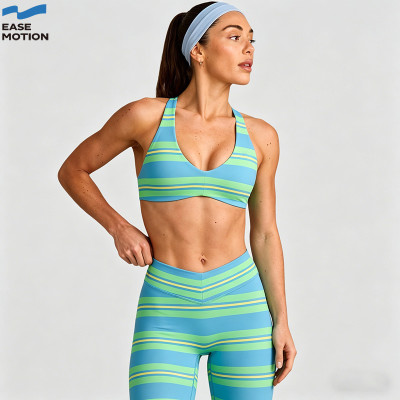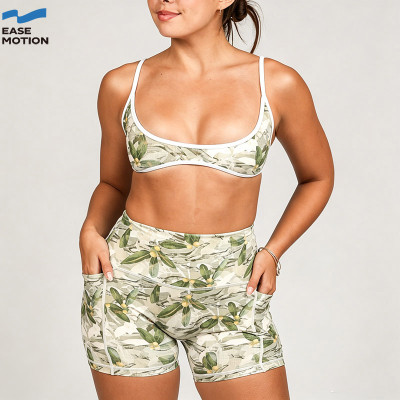
How Recycled Polyester Fabric Drives Sustainable Development in the Yoga Apparel Industry
The global yoga apparel industry is experiencing a profound transformation, driven by an escalating demand for sustainable practices and ethical production. More than just a fleeting trend, this movement reflects a deeper consciousness among consumers and brands, who now recognize that the principles of mindfulness and well-being central to yoga should also extend to the clothes they wear. Central to this paradigm shift is the innovative use of recycled polyester fabric, which is redefining how the industry approaches environmental responsibility, material science, and product performance. This remarkable material, often derived from post-consumer plastic bottles, is at the heart of a circular economy model that minimizes waste and conserves precious resources. This article explores how recycled polyester fabric drives sustainable development in the yoga apparel industry, examining the key trends, material innovations, consumer demands, and the future outlook shaping this eco-conscious evolution.
Key Takeaways
- Recycled Polyester (rPET) is Mainstream: Once a niche material, rPET is now a core component in yoga apparel, offering a sustainable alternative to virgin polyester by using post-consumer plastic waste. This shift significantly reduces landfill use, energy consumption, and carbon emissions.
- Performance is Not Compromised: Modern rPET fabrics match the performance of virgin polyester, providing the essential moisture-wicking, durability, and stretch that yoga practitioners demand.
- Certifications Ensure Trust: The Global Recycled Standard (GRS) is crucial for validating the recycled content and ensuring responsible social and environmental manufacturing practices, offering transparency throughout the supply chain.
- Consumer Demand Drives Change: A growing number of consumers are willing to pay more for sustainably produced goods, pushing brands to adopt transparent and ethical sourcing.
- Leading Brands are Innovating: Major players like Lululemon, Adidas, and Puma are heavily investing in recycled materials and closed-loop systems, setting new industry benchmarks for sustainability.
- The Future is Circular: The industry is moving towards even more advanced solutions, including bio-based polyesters and sophisticated textile-to-textile recycling, promising a future where fashion waste is minimized and resources are endlessly repurposed.
The Transformative Role of Recycled Polyester Fabric in Driving Sustainable Development in the Yoga Apparel Industry
Recycled polyester, commonly known as rPET, has become a cornerstone of the sustainable fashion movement, fundamentally altering the landscape of the yoga apparel industry. This material is primarily produced by collecting post-consumer plastic waste, such as PET bottles, which are then cleaned, shredded, melted, and spun into new polyester fibers. The process diverts significant amounts of plastic from landfills and oceans, giving a second life to materials that would otherwise take hundreds of years to decompose. This transition from conventional materials to recycled alternatives represents a strategic pivot, allowing brands to credibly merge high-performance functionality with a tangible commitment to environmental stewardship.
Shifting Industry Standards: From Niche to Mainstream Adoption
The adoption of recycled polyester has rapidly evolved from a niche environmental statement to a mainstream industry standard. This shift is fueled by a combination of technological advancements, economic viability, and a strong market pull from eco-conscious consumers. What was once considered a novel, alternative material is now a key pillar in the collections of both established global brands and emerging independent labels.
Integration of recycled polyester (rPET) as a core material across yoga apparel collections.
Recycled polyester is no longer an outlier but a central element in modern activewear design. Brands are increasingly featuring rPET not just in standalone "eco" collections but across their entire product lines. This integration is possible because rPET now delivers performance qualities—such as durability, moisture-wicking capabilities, and elasticity—that are comparable to virgin polyester. The production of rPET significantly lowers the environmental footprint of a garment; studies show it can reduce carbon emissions by up to 60% compared to its virgin counterpart. Additionally, it conserves natural resources by reducing the industry's heavy reliance on petroleum, the raw material for virgin polyester. This makes it an ideal choice for yoga apparel, where fabric performance is just as important as the garment's environmental credentials.

Industry-wide adoption of Global Recycled Standard (GRS) certification, exemplified by manufacturers like easemotion who prioritize verified sustainable sourcing.
To lend credibility to sustainability claims, the Global Recycled Standard (GRS) has become an indispensable tool. This international, voluntary standard verifies the recycled content in a final product and ensures responsible social, environmental, and chemical practices throughout its production. GRS certification provides a robust chain of custody, tracking the recycled material from its source to the finished garment, which gives both brands and consumers confidence in the product's integrity. Forward-thinking manufacturers like easemotion demonstrate this commitment by prioritizing GRS-certified materials. By doing so, they not only offer products with verified recycled content but also showcase their dedication to ethical manufacturing, which includes fair labor conditions and the restricted use of harmful chemicals.
Convergence of rPET costs with virgin polyester, accelerating its accessibility and market penetration.
A significant barrier to the widespread adoption of sustainable materials has traditionally been cost. However, the price gap between recycled and virgin polyester is narrowing. While rPET can sometimes be more expensive due to the complex processes of collection, sorting, and recycling, economies of scale and technological advancements are making it more competitive. In some markets, the cost of recycled PET pellets is becoming comparable to virgin materials, especially when fluctuating oil prices make virgin polyester more expensive. Furthermore, some analyses suggest that when considering the total cost of ownership—including long-term environmental and regulatory costs—recycled polyester can offer greater value. As the cost converges, rPET becomes a more accessible option for a broader range of brands, accelerating its market penetration and solidifying its position as a go-to sustainable fabric.
Balancing Performance and Eco-Consciousness in Yoga Apparel
For yoga apparel, the fabric must perform. It needs to stretch with the body, manage sweat during a vigorous practice, and endure countless washes without losing its shape or function. The success of recycled polyester lies in its ability to meet these demanding performance criteria while simultaneously upholding a strong environmental ethos. This dual achievement has been pivotal in its adoption by the activewear industry.
Successful integration of rPET into high-performance fabrics without compromising critical attributes such as moisture-wicking, breathability, elasticity, and durability.
The recycled polyester used in today's yoga wear is a far cry from earlier iterations. Modern rPET yarns are engineered to match or even exceed the technical properties of virgin polyester. They can be woven or knitted into fabrics that are lightweight, breathable, and excellent at wicking moisture away from the skin, keeping the wearer dry and comfortable. Furthermore, rPET demonstrates impressive durability and resilience, ensuring that leggings and tops maintain their form and function over time. Its strength is comparable to conventional polyester, making it suitable for high-intensity activities. By delivering on these critical attributes, rPET proves that sustainability does not require a sacrifice in performance.

How brands like easemotion demonstrate a commitment to both superior functionality and reduced environmental footprint through their material innovations.
Brands that are leaders in the sustainable activewear space, such as easemotion, exemplify the successful marriage of performance and eco-consciousness. These companies invest in material innovation, working with textile mills to develop rPET fabrics that not only meet high functional standards but also align with a mission to reduce environmental impact. This commitment is evident in their sourcing of GRS-certified materials, which guarantees the recycled content and responsible production practices. By offering collections that are both high-performing and verifiably sustainable, these brands cater directly to the modern yogi who values both personal well-being and planetary health. This approach demonstrates that a reduced environmental footprint can be a core feature of a premium, functional product.
Beyond Recycled Polyester: A Holistic View of Sustainable Materials
While recycled polyester is a powerful driver of sustainability in yoga wear, it is part of a broader ecosystem of eco-friendly materials that are transforming the textile industry. Brands and consumers are increasingly looking at a holistic range of options, each offering unique benefits and contributing to a more diversified and resilient sustainable market. This expanded material library allows for greater innovation in creating apparel that is not only good for the planet but also tailored to specific performance and comfort needs.
Overview of other eco-friendly alternatives in sportswear: organic cotton and bamboo fibers.
Alongside rPET, several other materials have gained prominence in sustainable sportswear. Organic cotton, grown without synthetic pesticides and fertilizers, offers a natural, breathable, and soft alternative that is gentle on the skin. Its cultivation promotes healthier soil and uses significantly less water than conventional cotton. Bamboo fiber is another popular choice, celebrated for its rapid growth as a renewable resource, its silky texture, and its natural antimicrobial properties. Other notable materials include Tencel™ Lyocell, derived from sustainably sourced wood pulp in a closed-loop process, and hemp, a durable and fast-growing plant that requires minimal water. These materials are often used on their own or blended with others, like rPET, to create fabrics with customized performance characteristics.
Emergence of intelligent fabrics with enhanced features like temperature regulation and antimicrobial properties, meeting modern consumer demands.
The future of sustainable textiles lies not only in eco-friendly sourcing but also in advanced functionality. "Intelligent fabrics" are emerging with embedded technologies that offer enhanced features. These can include temperature regulation, where fabrics adapt to body heat to keep the wearer cool or warm, and permanent antimicrobial properties that inhibit odor-causing bacteria, reducing the need for frequent washing. Innovations also extend to biodegradable yarns that can break down at the end of their life cycle, addressing the issue of microplastic pollution. These smart features meet the demands of discerning consumers who seek high-performance apparel that is also convenient, long-lasting, and aligned with a minimalist, sustainable lifestyle.
Consumer Demand and Brand Innovation: How Recycled Polyester Fabric Drives Sustainable Development in the Yoga Apparel Industry
The widespread adoption of recycled polyester is not only a supply-side phenomenon; it is profoundly influenced by a powerful combination of conscious consumerism and forward-thinking brand innovation. As yogis and fitness enthusiasts become more educated about the environmental and social impacts of fashion, they are using their purchasing power to demand change. In response, leading and emerging brands are not just meeting this demand but are actively competing to set new standards for sustainability, creating a dynamic cycle of progress.
Empowering Ethical Consumer Choices and Market Shifts
The modern consumer is more informed and values-driven than ever before. This shift in mindset is reshaping market dynamics, rewarding brands that prioritize ethics and sustainability while creating pressure for others to adapt or be left behind. The principles of yoga—mindfulness, non-harm (ahimsa), and truthfulness (satya)—are increasingly extending off the mat and into purchasing decisions.
Rising consumer awareness regarding ethical sourcing, environmental impact, and a willingness to pay a premium for recycled and sustainably produced goods.
Today's consumers are actively seeking information about where their clothes come from and how they are made. This heightened awareness has led to a significant trend where a growing number of shoppers are willing to pay more for products that align with their values. Studies show that a majority of global consumers consider the use of recycled materials to be a key purchasing factor. This willingness to invest in sustainable products sends a clear signal to the market: sustainability is not just a "nice-to-have" but a core component of a product's value. This consumer-led movement is a primary driver behind the proliferation of eco-friendly yoga apparel made from recycled polyester and other sustainable materials.

The increasing demand for transparency and traceability in product origins and manufacturing processes.
Alongside the demand for sustainable materials is a powerful call for supply chain transparency. Consumers are no longer satisfied with vague "eco-friendly" labels; they want verifiable proof of a brand's claims. This includes information about where raw materials were sourced, the conditions under which garments were manufactured, and the environmental practices of the factories involved. The rise of movements like Fashion Revolution, with its #WhoMadeMyClothes campaign, highlights this global demand for accountability. Brands that embrace transparency by openly sharing details about their supply chain are building deeper trust and loyalty with their customers.
Leading Brands and Their Visionary Sustainable Initiatives
Global sportswear giants have recognized this market shift and are now leading the charge with ambitious sustainability initiatives. By leveraging their scale and innovation capabilities, they are making recycled materials a cornerstone of their product lines and pushing the boundaries of what's possible in circular fashion.
Lululemon's pioneering role in combining luxury, function, and responsible practices within the yoga and athleisure market.
Lululemon has built its brand on premium quality and performance, and it is now integrating sustainability as a core pillar of that identity. The company launched an ambitious Impact Agenda in 2020, setting goals to make its products with sustainable materials and create end-of-use solutions like resale and recycling. Lululemon has already achieved its recycled polyester target ahead of schedule and is investing heavily in next-generation materials. It has entered into significant partnerships with innovators like Samsara Eco to develop enzymatically recycled nylon and polyester, aiming for these materials to constitute up to 20% of its total fiber usage. These initiatives show a commitment to embedding circularity directly into its luxury, high-performance product ethos.
Adidas's impactful Primeblue and Primegreen collections, showcasing large-scale utilization of recycled ocean plastic.
Adidas has made a bold commitment to "End Plastic Waste" and aims to use only recycled polyester across all its products by 2024. Central to this strategy are its Primeblue and Primegreen fabrics. Primeblue is a high-performance material made in part with Parley Ocean Plastic—plastic waste intercepted from remote islands, beaches, and coastal communities. Primegreen is another performance fabric made from 100% recycled materials, ensuring no virgin plastic is used. Through its long-standing partnership with Parley for the Oceans, Adidas has scaled this initiative dramatically, producing millions of pairs of shoes from ocean-bound plastic and showcasing how large-scale brands can effectively turn waste into a valuable resource.
Puma's Forever Better initiative, focusing on recycled materials and reduction of water usage in production.
Puma's "Forever Better" sustainability strategy sets clear and ambitious targets, including sourcing 75% of the polyester for its apparel and accessories from recycled sources by 2025. The brand has already made significant progress, achieving its goal of making 9 out of 10 products with recycled or certified materials in 2024, a year ahead of schedule. A key innovation is its RE:FIBRE program, which focuses on textile-to-textile recycling, turning old garments into new high-quality polyester. This initiative is crucial for creating a truly circular system and reducing the industry’s reliance on downcycled plastic bottles.
Nike's ongoing commitment to incorporating recycled materials and sustainable manufacturing into its extensive performance wear lines.
Nike's "Move to Zero" initiative is its ambitious journey toward a zero-carbon and zero-waste future. A key part of this strategy is the use of sustainable materials. Nike diverts over 1 billion plastic bottles from landfills annyally, turning them into recycled polyester for its high-performance apparel and Flyknit shoes. This recycled material now makes up a significant portion of its product lines, reducing carbon emissions by up to 30% compared to virgin polyester without compromising performance. The "Move to Zero" collection features apparel made with at least 60% recycled or organic fabrics, demonstrating Nike's commitment to embedding sustainability at scale across its global operations.
easemotion's Dedication to Sustainability and Peak Performance
In this competitive landscape, specialized manufacturers like easemotion play a crucial role by providing brands with the sustainable, high-performance materials they need to meet consumer demand and their own environmental goals. By focusing on both technical excellence and ethical production, these manufacturers form the backbone of the industry's sustainable transformation.
Highlighting easemotion's proactive efforts in offering GRS-certified recycled polyester options across its product range.
easemotion actively supports the shift to sustainable materials by offering a wide array of Global Recycled Standard (GRS)-certified recycled polyester fabrics. This certification is vital as it provides verifiable assurance that the materials are genuinely recycled and that their production adheres to strict environmental and social standards. By making these certified options readily available, easemotion empowers yoga apparel brands of all sizes to develop products they can market with confidence and integrity.
easemotion's strategic focus on meeting both stringent performance requirements and high ethical production standards for yoga apparel.
Understanding that yoga apparel must withstand demanding physical activity, easemotion places a dual emphasis on functionality and ethics. Their fabrics are engineered to deliver superior stretch, breathability, and durability, ensuring they meet the high expectations of performance activewear. Simultaneously, the company upholds high ethical production standards, aligning with the growing demand for transparency and fair labor practices in the supply chain. This strategic focus ensures that client brands do not have to choose between performance and responsibility.
Responding to the athleisure trend with durable, comfortable, and environmentally responsible leggings and various apparel pieces.
The rise of the athleisure trend—where apparel is designed for both athletic activities and everyday wear—has increased demand for garments that are versatile, comfortable, and durable. easemotion caters to this by developing fabrics perfect for leggings, tops, and other apparel that can transition seamlessly from the yoga studio to the street. By creating materials that are not only stylish and long-lasting but also environmentally responsible, they help brands capitalize on this major market trend while furthering the industry's collective sustainability goals.
Navigating Supply Chain Transparency and Ethical Labor: How Recycled Polyester Fabric Drives Sustainable Development in the Yoga Apparel Industry
As the use of recycled materials like polyester becomes standard, the focus of sustainability is broadening to encompass the entire supply chain. A truly sustainable product is not just about eco-friendly materials; it's also about a transparent production journey and the assurance of ethical labor practices. For the yoga apparel industry, where principles of mindfulness and integrity are paramount, demonstrating accountability from start to finish is no longer optional—it's essential for brand credibility and consumer trust.
The Imperative for Transparent and Traceable Supply Chains
A transparent supply chain is one where information about the sourcing of raw materials, manufacturing processes, and distribution is openly accessible. Traceability is the mechanism that makes this possible, allowing brands and consumers to follow a product's journey from origin to final sale. In an industry historically criticized for its opacity, the push for transparency is a revolutionary force for positive change.
Increased brand requirements for comprehensive factory certifications, such as OEKO-TEX, and detailed sustainability reports.
To build trustworthy supply chains, brands are increasingly mandating that their manufacturing partners obtain comprehensive certifications. Among the most crucial is OEKO-TEX® STANDARD 100, which tests finished textiles for over 1,000 harmful substances, ensuring they are safe for human health. This certification gives consumers peace of mind, particularly for apparel like yoga wear that has direct and prolonged skin contact. Beyond product safety, brands also rely on process-oriented certifications like STeP by OEKO-TEX®, which audits facilities for environmental and social responsibility. These requirements, coupled with detailed public sustainability reports, are becoming standard practice for demonstrating a commitment to responsible manufacturing.
Consumer pressure demanding verifiable information on manufacturing processes, material origins, and labor practices.
Modern consumers are digital detectives. Empowered by technology and a growing desire for authenticity, they are demanding verifiable information about the products they buy. Vague claims of "sustainability" are no longer enough; shoppers want proof. Research shows that a vast majority of consumers believe brands should disclose their supply chain information and are more likely to trust and buy from those that do. This pressure is compelling brands to provide detailed insights into their manufacturing locations, the origin of their materials (like recycled polyester), and the labor conditions of the workers who make their clothes.
The increasing role of QR codes and compelling responsible manufacturing narratives in fostering consumer trust and loyalty.
To meet this demand for transparency, brands are adopting innovative tools like QR codes on their product labels. A simple scan with a smartphone can transport a consumer to a digital experience that tells the story of their garment—from the recycled bottles that formed the yarn to the factory where it was stitched. This technology turns a static product into an interactive gateway for information about its journey, materials, and care instructions. When combined with powerful and authentic storytelling about responsible manufacturing, these narratives create a strong emotional connection, humanizing the brand and fostering a deep sense of trust and loyalty.
Upholding Ethical Labor Practices Throughout the Production Cycle
The social pillar of sustainability—fair and ethical labor—is just as critical as the environmental one. The global garment industry has long faced challenges related to worker exploitation, making it imperative for brands to take proactive steps to ensure human dignity is respected at every stage of production. The promise of a mindful product is empty if it comes at the cost of human well-being.
Ensuring fair wages, safe working conditions, and equitable treatment for all workers across the global supply chain.
Ethical production begins with the fundamental rights of workers. This means ensuring they receive a fair living wage that covers their basic needs, not just the legal minimum wage, which is often insufficient. It also requires guaranteeing safe and healthy working conditions, free from hazards and exploitation. Brands must take responsibility for the conditions within their supply chains, often engaging with multi-stakeholder initiatives and implementing robust codes of conduct to protect workers. These commitments must apply universally, protecting all individuals, especially vulnerable groups like women and migrant workers who form a large part of the garment workforce.
The industry's collective move towards greater accountability in material sourcing and production methodologies.
There is a collective push for greater accountability across the fashion industry, moving from voluntary promises to binding commitments. This includes adopting buyer codes that ensure fair pricing and reasonable timelines for suppliers, which in turn enables them to pay workers fairly. Accountability also means taking responsibility for the full lifecycle of a product. By investing in sustainable material sourcing and cleaner production methods, brands can reduce risks for workers, such as exposure to harmful chemicals used in conventional dyeing processes. This holistic view of accountability is becoming the new norm for responsible business conduct.
Illustrating how compliant companies, including easemotion, provide comprehensive certifications and transparent documentation to meet rigorous ethical and environmental demands.
Companies at the forefront of this movement, including manufacturers like easemotion, demonstrate their commitment through concrete actions. By obtaining and providing clients with comprehensive certifications—such as GRS for recycled content and OEKO-TEX® for chemical safety—they offer verifiable proof of their adherence to global standards. Transparent documentation on factory audits, labor practices, and environmental management systems allows their brand partners to meet the rigorous demands of both regulators and conscious consumers. This level of compliance and transparency is what enables a brand to build an authentic, trustworthy, and truly sustainable yoga apparel line.
The Future Landscape: How Recycled Polyester Fabric Continues to Drive Sustainable Development in the Yoga Apparel Industry
The journey of recycled polyester in the yoga apparel industry is far from over. As technology, consumer expectations, and global regulations continue to evolve, the future landscape promises even greater innovation and deeper integration of sustainability. The groundwork laid by rPET is paving the way for a truly circular economy where waste is eliminated, resources are conserved, and performance is continuously enhanced.
Advancements in Recycling Technology and Material Innovation
The engine of sustainable development is innovation. The textile industry is on the cusp of a technological revolution that will transform how materials are sourced, created, and repurposed. These advancements are moving beyond simply recycling plastic bottles and are heading toward a more sophisticated, holistic, and circular system.
The anticipated emergence and growth of bio-based polyester derived from plant sources as a next-generation sustainable material.
The next frontier in polyester innovation is bio-based polyester, a material derived from renewable, plant-based sources like corn, sugarcane, or even agricultural waste. Unlike traditional polyester, which relies on finite fossil fuels, bio-based alternatives offer a significantly lower carbon footprint. While some partially bio-based polyesters are already on the market, the long-term goal is to develop 100% bio-based PET that is commercially viable. These materials are not only more sustainable to produce but are also being engineered to be biodegradable, breaking down into natural elements at the end of their life—a stark contrast to petroleum-based plastics.
Development of sophisticated closed-loop recycling projects designed to minimize waste and maximize resource utility.
True circularity is achieved through closed-loop recycling, a system where old garments are used as the raw material for new ones. This "textile-to-textile" (T2T) model is the ultimate goal for the industry, as it creates a self-sustaining cycle that minimizes the need for virgin resources. Tremendous progress is being made in this area. Advanced chemical and enzymatic recycling technologies can now break down complex fiber blends (like cotton-polyester) at a molecular level, separating and recovering each material in a pure form, ready to be spun into new, high-quality yarn. These innovations are making closed-loop systems not just a theoretical possibility but a scalable reality.
Ongoing innovation in fiber development to enhance comfort, durability, and the overall circularity of textile products.
Fiber innovation is at the heart of the circular fashion movement. Scientists and engineers are constantly developing new fibers with enhanced properties that support both performance and sustainability. This includes creating fibers that are inherently more durable, which extends the life of a garment and reduces waste. Innovations also focus on "designing for disassembly," creating materials and products where components can be easily separated for recycling. Furthermore, new fibers are being developed from unconventional sources like seaweed, fruit waste, and even captured carbon emissions, pushing the boundaries of what is possible in sustainable material science.
Regional Dynamics in Sustainable Adoption and Market Growth
The global movement toward sustainability is not uniform; different regions are leading the charge in distinct ways, influenced by local consumer attitudes, regulatory environments, and economic priorities. North America and Europe, in particular, have emerged as key drivers of the sustainable apparel market.
North America's continuing strong emphasis on sustainability as a primary market driver and consumer preference.
The North American market, particularly in the U.S., is characterized by strong consumer-driven demand for sustainable products. It is the largest regional market for sustainable athleisure, with a projected value expected to grow significantly. This growth is fueled by high consumer awareness of environmental issues and a willingness to pay a premium for eco-friendly goods. This powerful market preference has prompted brands to prioritize sustainability, not just as a corporate responsibility initiative but as a core business strategy for capturing market share and building brand loyalty.
Europe's progressive focus on circular economy principles, resource efficiency, and innovative recycling initiatives.
Europe is leading the way in terms of policy and regulation. The EU's Strategy for Sustainable and Circular Textiles aims to fundamentally reshape the industry by 2030, introducing mandatory requirements for product durability, recyclability, and recycled content. Key measures include Extended Producer Responsibility (EPR) schemes, which will hold brands financially accountable for the end-of-life management of their products, and the introduction of a Digital Product Passport to increase transparency. These top-down regulatory actions are accelerating the transition to a circular economy, forcing brands to innovate and adopt sustainable practices to remain competitive in the European market.
easemotion's Vision for a Sustainable Tomorrow in Yoga Apparel
As the industry moves toward a more circular and technologically advanced future, manufacturers like easemotion are pivotal in translating these macro trends into tangible products. Their role is to stay at the forefront of innovation, providing the materials and solutions that enable brands to evolve and meet the demands of a changing world.
easemotion's ongoing exploration and integration of advanced sustainable materials and eco-friendly production methods.
Staying true to its commitment to sustainability, easemotion is continuously exploring and integrating the next generation of eco-friendly materials. This includes not only sourcing the highest quality recycled polyester but also investigating emerging options like bio-based fibers and materials from other recycled feedstocks. By staying ahead of material science trends, they ensure their clients have access to the most innovative and responsible fabrics on the market, from initial design concepts to full-scale production.
Commitment to evolving with industry trends to consistently offer cutting-edge, environmentally responsible, and high-performance yoga apparel.
The yoga apparel industry is dynamic, with trends in aesthetics, functionality, and sustainability constantly shifting. easemotion's vision for the future is one of agile adaptation. The company is committed to evolving alongside these trends, ensuring it can consistently offer solutions that meet the trifecta of modern consumer demands: cutting-edge performance, environmental responsibility, and appealing design. This commitment ensures that their brand partners are always equipped to create yoga apparel that resonates with the conscious consumer of today and tomorrow. By focusing on this forward-thinking approach, easemotion positions itself as a key enabler of a truly sustainable and high-performing future for the yoga wear industry.
Conclusion
The integration of recycled polyester fabric has irrevocably reshaped the yoga apparel industry, firmly positioning sustainability as a fundamental pillar of innovation, ethical responsibility, and consumer appeal. This shift from a niche interest to a mainstream requirement has catalyzed a wave of progress, pushing brands to reconsider their materials, manufacturing processes, and overall impact on the planet. By embracing materials like rPET and prioritizing transparent, ethical practices, brands are not only adeptly meeting current market demands but are also actively contributing to the establishment of a more sustainable and circular economy for athletic wear. The journey is ongoing, but the direction is clear. The continuous evolution in material science, heightened consumer awareness, and unwavering commitment to supply chain transparency ensures that the future of yoga apparel will remain deeply intertwined with its environmental stewardship and social responsibility. As we look ahead, the collaboration between innovators, manufacturers, brands, and consumers will continue to be the driving force behind a truly mindful and sustainable industry. Let's continue to support this positive transformation. Share this article to spread awareness and join the conversation on how we can collectively build a more sustainable future for the clothes we practice in.
Frequently Asked Questions (FAQ)
1. Is recycled polyester as good as virgin polyester for yoga clothes? Yes, modern recycled polyester (rPET) performs just as well as virgin polyester. It offers the same durability, stretch, moisture-wicking properties, and breathability required for high-performance yoga apparel, but with a significantly lower environmental footprint.
2. What does Global Recycled Standard (GRS) certification mean? The Global Recycled Standard (GRS) is an international, third-party certification that verifies the recycled content in a product. It also ensures that the production process meets strict social, environmental, and chemical standards, providing transparency and trust throughout the supply chain.
3. Are clothes made from recycled polyester more expensive? While recycled polyester can sometimes have a higher initial cost due to the complex recycling process, the price gap is narrowing as technology improves. Many consumers are also willing to pay a premium for sustainable products, recognizing their long-term value for the environment.
4. What is the next big innovation after recycled polyester? The industry is moving towards even more advanced solutions like bio-based polyesters, which are made from renewable plant sources, and developing sophisticated closed-loop or "textile-to-textile" recycling systems that turn old clothes directly into new ones.
5. How can I ensure the yoga apparel I buy is truly sustainable? Look for trusted certifications like the Global Recycled Standard (GRS) and OEKO-TEX® on the label. Support brands that are transparent about their supply chain and manufacturing processes. Tools like QR codes on garments are also emerging to give consumers direct access to this information.