Inside Easemotion: A Guide to Sustainable Yoga Wear Production, From Fabric to Apparel
The modern yoga apparel market demands a delicate balance between high performance, comfort, and sustainability, challenging manufacturers to innovate at every stage, from initial fabric development to the final garment. The global yoga clothing market, valued at over USD 52.81 billion in 2025, is projected to grow significantly, reflecting a worldwide increase in health consciousness. This surge is driven by consumers who seek apparel that not only supports their practice but also aligns with their values, especially concerning environmental responsibility.
This comprehensive guide by easemotion, a leader in innovative activewear, delves into the critical factors shaping the 2026 landscape of yoga wear production. We will explore the journey from selecting optimal fabrics to delivering finished, functional, and eco-conscious apparel. As the market for sustainable athleisure is expected to grow from $117.37 billion in 2026 to $164.11 billion by 2030, understanding these elements is more crucial than ever. The fusion of performance with everyday fashion has transformed yoga wear into a versatile wardrobe staple, making the right material and manufacturing choices paramount for success.
Key Takeaways
- Performance is Non-Negotiable: The foundation of quality yoga wear lies in its performance metrics. Key characteristics include four-way stretch for unrestricted movement, moisture-wicking properties to keep the practitioner dry, and adequate compression for muscle support and recovery. The fabric must feel like a "second skin" to minimize distractions and enhance focus.
- Material Innovation is Core: The choice of material directly dictates the final garment's function and feel. While synthetic blends like polyester, nylon, and spandex have long dominated due to their durability and elasticity, there is a growing trend towards natural and sustainable alternatives. Materials like recycled polyester (rPET), organic cotton, TENCEL™ Modal and Lyocell, and even hemp are becoming prominent as they offer a reduced environmental footprint without significantly compromising performance.
- Sustainability Drives the Future: The demand for eco-friendly clothing is a major force propelling the growth of the athleisure market. Consumers are increasingly aware of the environmental impact of their purchases, from microplastic pollution caused by synthetic fabrics to the water usage in conventional cotton farming. Brands are responding by adopting recycled materials, pioneering bio-based synthetics, and ensuring ethical, transparent supply chains. Balancing sustainability with production cost remains a key challenge, but it is a necessary step for long-term brand trust and market relevance.
- Quality Assurance is Crucial: From fabric to finished product, rigorous testing is essential to create exceptional yoga apparel. This includes "squat-proof" opacity tests, stretch and recovery analysis to ensure the garment retains its shape, and evaluations for common issues like pilling and color inconsistency. Manufacturing techniques, such as seamless versus cut-and-sew, also play a vital role in the comfort, design, and performance of the final piece.
Dissecting Performance Metrics: How Fabric Choices Shape Finished Yoga Apparel Inside Easemotion
The effectiveness of any piece of yoga apparel is determined by the science of its fabric. Choosing the right material is not merely a matter of aesthetics; it is a technical decision that directly impacts the wearer's comfort, freedom of movement, and overall practice experience. As yoga continues to merge with everyday life, the demand for multifunctional apparel that performs under pressure while offering all-day comfort has intensified. This section dissects the critical performance metrics that are defined by fabric selection, showcasing how these choices are fundamental to creating high-quality finished garments.
Essential Characteristics for Unrestricted Movement and Comfort
For a yoga practitioner, the clothing should be an invisible partner, supporting every pose without causing distraction. This requires a fabric engineered with specific properties that work in harmony with the body. The goal is to create a "second-skin" experience that allows for complete focus on breath and alignment. The right apparel enhances confidence and performance, making the investment in quality materials worthwhile.
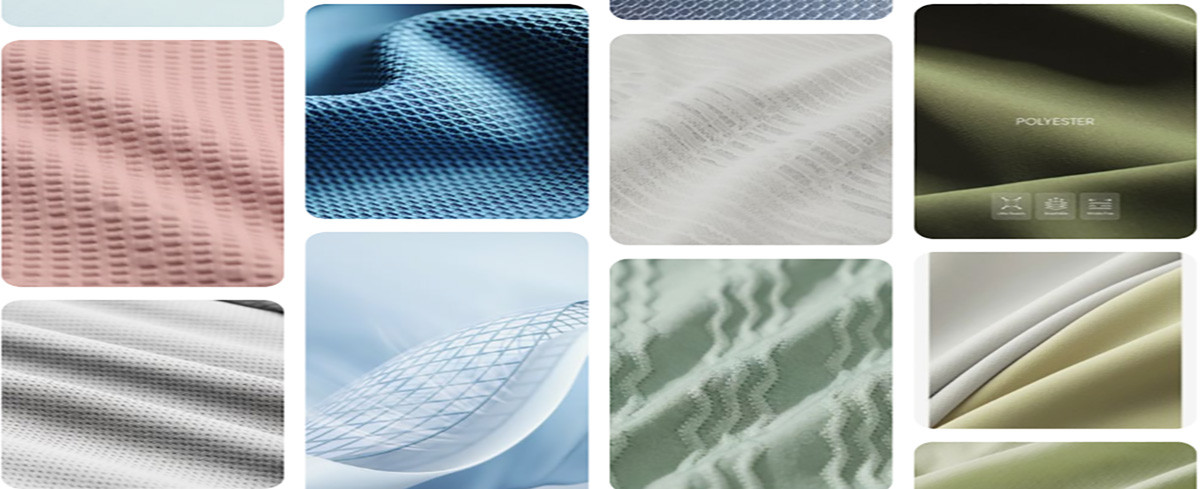
Moisture-Wicking and Breathability: Staying Dry and Regulating Temperature
During a yoga session, especially a vigorous one, the body sweats to regulate its temperature. The right fabric manages this moisture to keep the practitioner comfortable and focused. This is achieved through two related but distinct properties: moisture-wicking and breathability.
Moisture-wicking is a fabric's ability to pull sweat away from the skin and move it to the garment's outer surface, where it can evaporate. This process relies on "capillary action," where the fibers act like channels to transport moisture. Synthetic fabrics like polyester and nylon are excellent at this because their fibers are hydrophobic (resist water), preventing sweat from being absorbed and trapped against the skin.
Breathability, on the other hand, allows air to circulate through the fabric, helping to release heat and water vapor. A breathable garment prevents overheating and the feeling of being in a "sauna suit." Many advanced activewear materials are engineered with micro-pores or mesh panels in key areas to enhance this airflow without sacrificing coverage.
Fabrics to look for include:
- Polyester: The gold standard for moisture-wicking, it is lightweight, durable, and dries quickly.
- Nylon: Known for its soft feel and durability, nylon also has excellent moisture-wicking and breathable properties.
- Bamboo: A natural option that is praised for its breathability and soft texture.
- Merino Wool: This natural fiber is surprisingly effective at regulating temperature in both hot and cold conditions and naturally resists odor.
Conversely, fabrics like 100% cotton should be avoided for active yoga practices. Cotton is highly absorbent and holds onto moisture, becoming heavy, clingy, and slow to dry, which can lead to discomfort and chafing.
Four-Way Stretch and Durability: Flexibility for Every Pose
Yoga involves a vast range of motion, from deep lunges to intricate twists. Apparel that restricts this movement is not just uncomfortable—it's a hindrance to the practice itself. This is why four-way stretch is a non-negotiable feature in high-quality yoga wear.
Unlike two-way stretch fabrics that only extend in one direction (typically from side to side), four-way stretch fabric is engineered to stretch both horizontally and vertically. This provides unparalleled freedom and flexibility, allowing the garment to move seamlessly with the body.
Key aspects of this feature include:
- Mechanism: Four-way stretch is achieved by blending elastic fibers like spandex (also known as elastane or Lycra) with base fibers such as polyester or nylon. These specialized knits or weaves allow the fabric to extend in all directions and, crucially, recover its original shape.
- Benefit in Practice: Imagine holding a deep squat or a warrior pose. A four-way stretch fabric will expand to accommodate the movement without pulling, tightening, or becoming sheer. This "second-skin" quality ensures that the practitioner feels supported, not restricted.
- Shape Retention: A critical component of stretch is "recovery"—the fabric's ability to return to its original form after being stretched. Poor recovery leads to sagging at the knees or a loose waistband over time. High-quality yoga wear maintains its shape and compressive fit, wash after wash.
Durability is the other side of this coin. Yoga apparel endures a lot of stress: friction from the mat, repeated stretching, and frequent washing. A durable fabric must resist common activewear issues. Manufacturers perform several key tests to ensure longevity:
- Abrasion Resistance Testing: This measures how well the fabric withstands wear from friction, which is crucial for preventing pilling and thinning.
- Tensile Strength Testing: Assesses the force a fabric can handle before it tears, ensuring it holds up during intense poses and movements.
- Colorfastness Testing: Guarantees that the fabric's color remains vibrant and doesn't bleed when exposed to sweat, washing, and sunlight.
For consumers, this means investing in garments that not only feel good and perform well but also last longer, providing better long-term value.
Compression and Support: Enhancing Performance and Recovery
Beyond flexibility, the right yoga apparel offers targeted muscular support through compression. Compression wear is engineered to apply gentle, consistent pressure to the muscles, which yields benefits both during and after practice.
How Compression Works: Made from high-elasticity fabrics—typically a blend of nylon or polyester with a significant percentage of spandex—compression garments fit snugly against the body. This pressure helps improve blood circulation. By constricting the veins, compression increases the velocity and volume of blood flowing back to the heart, which in turn delivers more oxygen to working muscles.
Benefits During Yoga Practice:
- Enhanced Muscle Support and Stability: Compression helps reduce muscle oscillation (vibration) during dynamic movements. This can decrease fatigue and make you more aware of your alignment and core engagement.
- Improved Proprioception: The snug fit heightens your awareness of your body's position in space (proprioception), which is key for mastering complex poses and maintaining balance.
- Increased Performance: By improving blood flow and oxygenation, compression fabrics can help muscles work more efficiently, potentially enhancing stamina during long sessions.
Benefits for Post-Practice Recovery:
- Reduced Muscle Soreness: Compression wear is widely used to mitigate Delayed Onset Muscle Soreness (DOMS). The increased blood flow helps flush out metabolic waste products like lactic acid that can accumulate during exercise.
- Decreased Swelling: The gentle pressure helps reduce inflammation and fluid buildup in the muscles after a strenuous workout.
- Faster Recovery: Studies have shown that wearing compression garments after exercise can lead to quicker muscle recovery, allowing for more consistent practice.
Whether it’s light support for a gentle flow or firm compression after a power yoga class, this feature plays a crucial role in a well-rounded and sustainable practice.
Lightweight Comfort: The "Second-Skin" Feel for Focus
Ultimately, the goal of yoga apparel is to facilitate focus by eliminating physical distractions. Clothing that is heavy, restrictive, or ill-fitting pulls attention away from the practice. This is why a lightweight, "second-skin" feel is so highly valued. This quality is not just about the weight of the fabric in grams per square meter but about the holistic experience of wearing the garment.
Achieving the Second-Skin Sensation:
- Ultra-Fine Fibers and Advanced Knitting: Fabrics described as having a "second-skin" or "buttery-soft" feel are often created with ultra-fine synthetic fibers, such as microfiber nylon or polyester, and advanced knitting techniques. These methods produce a fabric that is exceptionally smooth, soft, and form-fitting without being restrictive.
- Seamless Construction: Many garments aiming for this feel use seamless technology, which eliminates bulky and potentially irritating side seams. This enhances comfort and creates a sleek, minimalist silhouette.
- Lightweight yet Opaque: The challenge is to create a fabric that is lightweight and breathable but also completely opaque, even when stretched. This ensures the wearer feels confident and covered in all poses.
- Minimalist Design: In line with yogic principles of simplicity (Aparigraha, or non-hoarding), a minimalist aesthetic is often preferred. This means no unnecessary zippers, buttons, or bulky embellishments that could dig into the skin or cause distraction during floor poses. Minimizing physical distractions is a key way to deepen meditative focus.
When apparel feels like a natural extension of the body, the practitioner can move with complete freedom and turn their focus inward, which is the true purpose of yoga.

Advanced Features Defining Next-Generation Yoga Apparel
As textile technology evolves, so does yoga wear. Beyond the foundational characteristics of stretch and moisture management, manufacturers are integrating advanced fabric treatments and properties to enhance hygiene, safety, and longevity. These features address specific needs of the modern practitioner, whether they're practicing in a crowded studio, a sunny park, or transitioning their yoga wear to everyday life.
Antimicrobial Properties: Addressing Odor and Hygiene
Sweat itself is largely odorless. The smell we associate with a tough workout is caused by bacteria on our skin breaking down the proteins and fats in sweat. In the warm, moist environment of activewear, this bacteria can multiply rapidly. To combat this, advanced yoga wear incorporates antimicrobial properties.
How Antimicrobial Fabrics Work: Antimicrobial fabrics are textiles treated with or infused with agents that inhibit the growth of these microorganisms. This is typically achieved in one of two ways:
- Fiber-Infused Technology: In this method, antimicrobial agents are embedded directly into the yarn fibers during manufacturing. This provides durable, long-lasting protection that doesn't wash out.
- Topical Treatments: The fabric is treated with a chemical coating after it's been woven. While effective, this method can be less durable and may lose potency over repeated launderings.
Common Antimicrobial Agents:
- Silver: The most prevalent agent used in activewear is silver.. Silver ions (Ag+) are highly effective at disrupting the cellular functions of microbes, preventing them from reproducing and causing odor.. Fabrics infused with silver nanoparticles can neutralize bacteria on contact..
- Zinc: Zinc-based compounds are another popular, skin-friendly alternative that works by blocking the transport of nutrients within bacterial cells, effectively starving them..
- Quaternary Ammonium Compounds (QACs): These are synthetic chemicals that create a positively charged surface on the fabric. This charge attracts negatively charged bacteria and punctures their cell membranes, killing them on contact..
Benefits for the Yogi:
- Odor Control: The primary benefit is that the apparel stays fresher for longer, even after a sweaty hot yoga session.. This increases confidence during and after class.
- Improved Hygiene: By inhibiting bacterial growth, these fabrics reduce the transfer of microbes back to the skin, which can help prevent skin irritation or breakouts..
- Enhanced Durability and Sustainability: Because the clothing resists odor buildup, it requires less frequent washing, which conserves water and energy and extends the lifespan of the garment..
When choosing antimicrobial yoga wear, it's important to look for brands that use high-quality, durable treatments to ensure the benefits last for the lifetime of the product.
UV Protection: Safeguarding Outdoor Practice
As yoga increasingly moves outdoors—to parks, beaches, and rooftops—protection from the sun's harmful ultraviolet (UV) radiation becomes a critical feature of apparel. While sunscreen is essential, specially designed clothing offers a reliable, consistent first line of defense. This protection is measured by the Ultraviolet Protection Factor (UPF).
Understanding UPF Ratings:
- What it is: UPF is the standard used to rate the effectiveness of fabrics in blocking both UVA (aging) and UVB (burning) rays. This is different from SPF (Sun Protection Factor) in sunscreens, which primarily measures protection against UVB rays.
- The Scale: UPF ratings range from 15 to 50+. A higher number signifies greater protection.
- UPF 15-20: Good protection (blocks 93.3-95% of UV radiation).
- UPF 25-35: Very good protection (blocks 96-97.4% of UV radiation).
- UPF 40-50+: Excellent protection (blocks 97.5% or more of UV radiation).
- A garment with a UPF 50 rating allows only 1/50th (or 2%) of available UV radiation to pass through it. In contrast, a standard white cotton t-shirt has a UPF of about 5-7, offering minimal protection.

How is UV Protection Achieved in Fabric? Several factors contribute to a fabric's UPF rating:
- Fabric Construction: Tightly woven or densely knit fabrics leave less space between the yarns, physically blocking more UV rays from reaching the skin.
- Fiber Type: Synthetic fibers like polyester and nylon are naturally more effective at disrupting UV light than natural fibers like cotton or linen.
- Color: Darker and more saturated colors absorb more UV rays, providing better protection than lighter or paler shades.
- Fabric Treatments: Some fabrics are treated with UV-absorbing chemicals (like zinc oxide or benzotriazole) during the finishing process to boost their UPF rating. These treatments are designed to be durable and last through many washes.
For yogis who enjoy practicing under the sun, investing in UPF-rated apparel is a smart choice for long-term skin health. It provides consistent coverage that won't sweat off or require reapplication, allowing for a safer and more enjoyable outdoor experience.
Material Innovation: The Core of Finished Yoga Apparel Inside Easemotion from Fabric Development
The heart of any high-performance yoga garment is its material. The evolution of yoga wear from simple cotton basics to sophisticated technical apparel is a story of material innovation. Fabric development is where function, feel, and sustainability converge. The choice of fiber and blend determines not just the stretch and breathability of the final product but also its durability, aesthetic appeal, and environmental impact. At Easemotion, we see fabric as the fundamental building block of exceptional yoga apparel, and our focus on material science drives our entire production process.
Dominant Synthetic Blends and Their Advantages
For decades, synthetic fabrics have been the cornerstone of activewear, and for good reason. They offer a level of performance, durability, and consistency that is difficult to achieve with natural fibers alone. Blends of polyester, nylon, and spandex are engineered to meet the specific demands of a rigorous yoga practice, providing a reliable foundation for high-quality apparel.
Polyester: The Foundation for Durability and Dryness
Polyester is a synthetic fabric derived from petroleum and serves as a workhorse in the activewear industry. Its inherent properties make it an excellent choice for yoga apparel, especially for high-intensity styles where sweat and movement are constant factors.
Key Advantages of Polyester:
- Exceptional Durability: Polyester fibers are incredibly strong and resilient, able to withstand repeated stretching, abrasion, and frequent washing without losing their shape or strength. This makes polyester-based garments a long-lasting investment.
- Superior Moisture-Wicking: Polyester is hydrophobic, meaning its fibers naturally repel water. Instead of absorbing sweat like cotton, it pulls moisture away from the skin and pushes it to the fabric's surface, where it can evaporate quickly. This keeps the wearer dry, comfortable, and free from chafing.
- Quick-Drying Performance: Because it doesn't absorb moisture, polyester dries significantly faster than natural fibers. This is a major benefit for practitioners who sweat heavily or need their gear to dry quickly between sessions.
- Wrinkle and Shrink Resistance: Polyester retains its shape well and is resistant to wrinkling and shrinking, making it a low-maintenance fabric that is easy to care for and ideal for travel.
- Excellent Color Retention: The fabric holds dye exceptionally well, ensuring that vibrant prints and colors remain bright and don't fade over time.
While polyester is a performance powerhouse, it is often blended with other fibers, like spandex, to add the necessary stretch for yoga. Its primary limitation can be a less natural feel compared to fibers like cotton or nylon, and it can sometimes retain odors if not treated with an antimicrobial finish. However, modern advancements in polyester manufacturing have created softer, more breathable versions that significantly enhance comfort.
Nylon: Offering a Premium Feel and Strength
Nylon is another synthetic polymer that has become a mainstay in high-performance activewear. Often considered a more premium alternative to polyester, nylon is celebrated for its exceptional combination of softness, strength, and elasticity. This makes it an ideal fabric for yoga apparel that requires a luxurious, "second-skin" feel without sacrificing performance.
Key Advantages of Nylon:
- Exceptional Strength and Durability: Nylon is renowned for its toughness and high resistance to abrasion, tearing, and wear. This ensures that yoga garments made from nylon blends are long-lasting and can withstand the rigors of frequent practice and washing.
- Superior Softness and Smooth Feel: Compared to polyester, nylon generally has a smoother, silkier hand-feel.. This creates a more luxurious and comfortable experience against the skin, reducing the potential for friction and irritation during movement.
- Excellent Elasticity and Shape Retention: Nylon has impressive elastic properties, allowing it to stretch significantly without losing its shape. When blended with spandex, it provides outstanding four-way stretch and recovery, conforming to the body like a second skin and moving with the practitioner through any pose..
- Effective Moisture-Wicking: Like polyester, nylon is hydrophobic and effectively wicks moisture away from the skin to the fabric's surface for quick evaporation.. This keeps the wearer dry and comfortable during sweaty sessions.
- Lightweight and Quick-Drying: Nylon fabrics are lightweight and dry quickly, which adds to their overall comfort and makes them practical for both active use and travel.
While nylon is often slightly more expensive to produce than polyester, its superior comfort and silky texture make it a preferred choice for premium yoga and activewear lines. For those prioritizing a soft, luxurious feel combined with high performance, nylon blends are an excellent option.
Spandex (Elastane/Lycra): The Critical Element for Elasticity
Spandex, also known as elastane or by the brand name Lycra, is the synthetic fiber that gives yoga wear its indispensable stretch. It is rarely used on its own; instead, it is blended in small quantities with base fabrics like polyester or nylon to impart elasticity and shape retention. Spandex is the key ingredient that allows a garment to move, bend, and stretch with the body without restriction.
What is Spandex? Spandex is a synthetic polyurethane-polyurea copolymer invented in the late 1950s. Its name is an anagram of the word "expands." Its molecular structure gives it incredible elasticity—it can be stretched up to five to eight times its original length and will snap back to its original shape.
The Role of Spandex in Yoga Wear:
- Four-Way Stretch: Spandex is the enabling element for four-way stretch. When woven or knitted with polyester or nylon fibers, it allows the resulting fabric to stretch both lengthwise and crosswise, providing complete freedom of movement for any yoga pose.
- Shape Retention and Recovery: Perhaps even more important than stretch is recovery. High-quality spandex ensures that after a garment is stretched, it returns to its original form. This prevents bagging at the knees and waist and ensures a consistent, supportive fit over the life of the apparel.
- Compression and Fit: The percentage of spandex in a fabric blend directly influences its compressive properties. A higher spandex content (e.g., 20-25%) results in a firmer, more supportive fit, ideal for compression leggings. A lower content (e.g., 10-15%) provides a comfortable, flexible stretch for looser-fitting tops or pants. For most high-performance yoga leggings, a spandex content between 15% and 20% is considered ideal, offering a balance of flexibility and long-term shape recovery.
- Comfort: By allowing the fabric to conform to the body's contours, spandex provides a comfortable "second-skin" fit that eliminates the need for constant adjustment and minimizes distractions during practice.
Without spandex, activewear would lack the fundamental flexibility and form-fitting comfort that practitioners have come to expect. It is the critical, non-negotiable component that transforms a standard textile into high-performance yoga apparel.
Growing Appeal of Naturals and Blends in Yoga Apparel
While synthetics have long dominated the performance wear market, there is a powerful and growing movement toward natural fibers and strategic blends. Driven by a desire for enhanced comfort, a softer feel, and greater sustainability, consumers and brands are rediscovering the benefits of materials like bamboo. Furthermore, the art of blending natural and synthetic fibers allows manufacturers to create innovative fabrics that capture the best qualities of both worlds—marrying the performance of synthetics with the comfort and eco-credentials of naturals.
Bamboo: Softness and Breathability for Specific Practices
Bamboo fabric, typically processed into bamboo viscose or rayon, has gained significant popularity in the yoga community, especially for less intensive practices like Hatha, restorative, or gentle flow yoga. It is prized for its exceptional softness and luxurious feel, often compared to silk or cashmere.
Key Characteristics of Bamboo Fabric:
- Unparalleled Softness: The fibers of bamboo rayon are naturally round and smooth, resulting in a fabric that is incredibly gentle and non-irritating, even on sensitive skin. This buttery-soft feel enhances overall comfort during practice.
- Excellent Breathability: Bamboo fabric is highly breathable due to microscopic gaps in its fibers, which allow for excellent air circulation. This helps regulate body temperature, keeping the wearer cool and comfortable.
- Good Moisture-Wicking: While not always as fast-drying as polyester, bamboo is very absorbent and can wick moisture away from the skin effectively, preventing a damp or clammy feeling during light to moderate sweating.
- Natural Antimicrobial Properties: Raw bamboo contains a bio-agent known as "bamboo kun," which has natural antibacterial properties.. While some of these properties may be diminished during the viscose processing, bamboo fabric is still known for resisting odor buildup better than many synthetics..
- Hypoallergenic: Because of its smooth fiber structure and the reduced need for pesticides in its cultivation, bamboo fabric is often recommended for people with allergies or sensitive skin..
Best Use Cases in Yoga: The primary strengths of bamboo—softness and breathability—make it ideal for practices where comfort and a gentle feel are prioritized over high-performance metrics like compression and rapid drying. It is perfect for:
- Gentle and restorative yoga
- Meditation and mindfulness practices
- Loungewear and post-practice apparel
However, for high-sweat, high-intensity workouts like hot yoga or power vinyasa, a synthetic blend with faster drying times might be more suitable. When blended with a small amount of spandex, bamboo fabric also offers good stretch, making it a versatile and comfortable choice for a wide range of yogic activities.
Strategic Blending: Optimizing Function, Feel, and Value
The perfect fabric is rarely a single fiber. The art and science of textile manufacturing lie in strategic blending—combining different fibers to create a composite material that amplifies their strengths and minimizes their weaknesses. By blending natural fibers like cotton with high-performance synthetics like polyester and spandex, it's possible to create yoga apparel that offers the ideal balance of comfort, function, durability, and value.
The "Best of Both Worlds" Approach:
A common and highly effective strategy is to blend the three powerhouse fibers:
- Polyester for durability, moisture-wicking, and color retention.
- Cotton for breathability, softness, and a natural feel against the skin.
- Spandex for essential stretch and shape recovery.
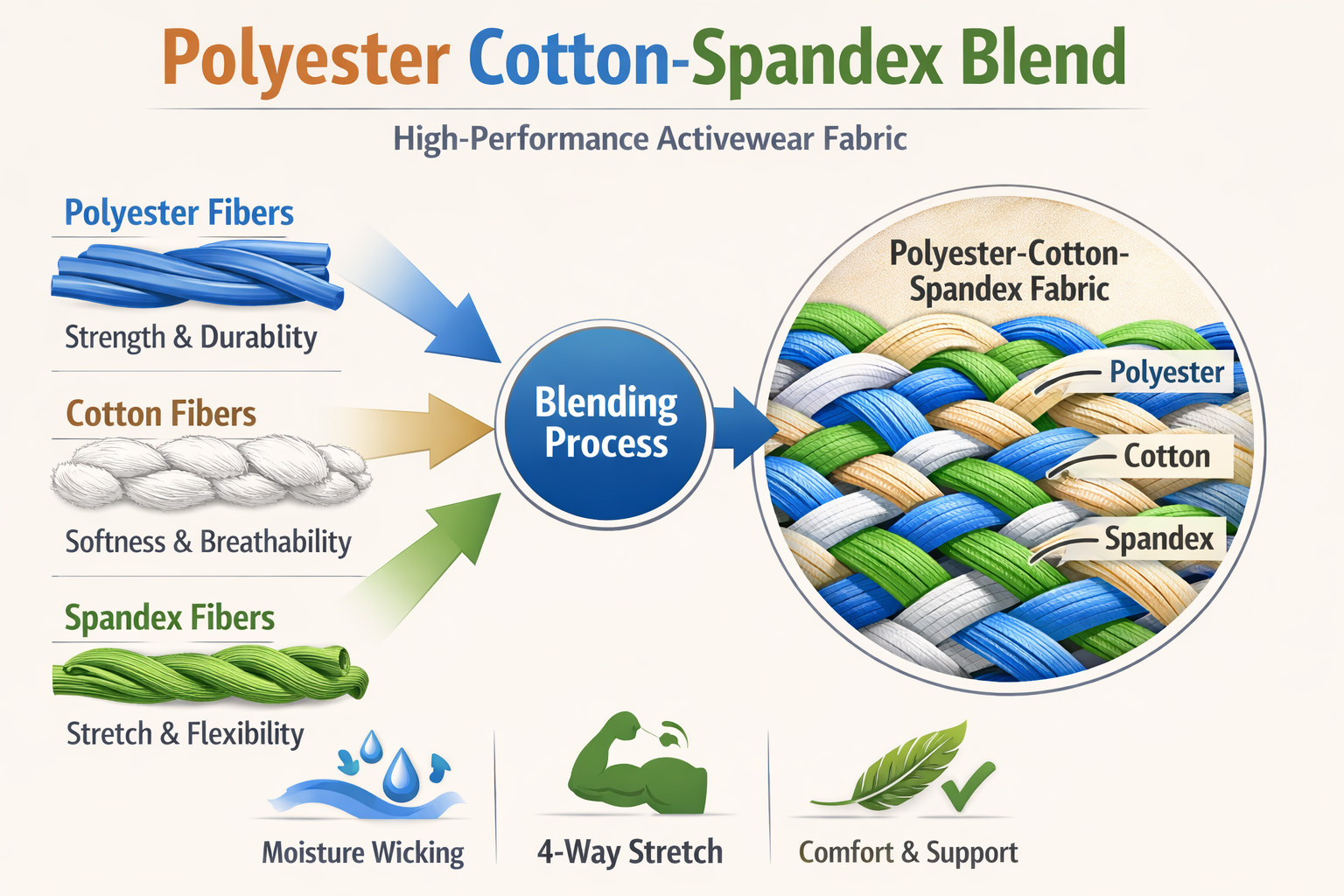
Example Blend: The Polyester-Cotton-Spandex Trifecta
A typical blend for versatile yoga wear might be 65% polyester, 30% cotton, and 5% spandex. Let's break down why this combination works so well:
- Polyester (65%): As the dominant fiber, polyester provides the fabric's core structure and performance. It ensures the garment is durable, quick-drying, and resistant to wrinkles and shrinking. Its excellent moisture-wicking capabilities keep the wearer dry.
- Cotton (30%): The inclusion of cotton significantly enhances the comfort and feel of the fabric. It lends a natural softness and improves breathability, making the garment feel less "synthetic" and more comfortable for extended wear.
- Spandex (5%): Even a small percentage of spandex introduces the necessary elasticity for unrestricted movement. It ensures the fabric can stretch during deep poses and recover its shape afterward, providing a reliable and supportive fit.
Optimizing for Different Needs:
Fabric blending allows for endless customization to target specific uses and price points.
- For higher performance: Increase the polyester and spandex content to maximize moisture-wicking and compression.
- For enhanced comfort and a more natural feel: Increase the cotton or introduce other natural fibers like modal or bamboo.
- For value-driven lines: A higher polyester content can help manage costs while still delivering solid performance.
Strategic blending is the key to creating truly optimized yoga apparel. It allows manufacturers to move beyond the limitations of a single fiber and engineer textiles that are perfectly tuned to the needs of the modern yogi—delivering function, feel, and value in one cohesive package.
The Green Imperative: Crafting Sustainable Finished Yoga Apparel Inside Easemotion From Fabric Development
In today's conscious market, sustainability is no longer a niche preference but a core expectation. The environmental impact of the apparel industry is significant, and as a result, yogis and athletes are increasingly demanding that the values they cultivate on the mat—mindfulness, respect, and interconnectedness—are reflected in the clothes they wear. For Easemotion, this "green imperative" is a driving force behind our innovation. Crafting sustainable finished yoga apparel requires a deliberate and holistic approach, starting with the very first step: fabric development. We are committed to pioneering and implementing eco-conscious choices that reduce our footprint without compromising the performance and quality our customers expect.
Leading Eco-Conscious Choices in Fabric Development
Adopting sustainability begins with material selection. Traditional fabric production, especially of virgin synthetics and conventional cotton, is resource-intensive and can be detrimental to the environment. Fortunately, a new generation of eco-friendly materials has emerged, offering performance characteristics comparable to their conventional counterparts but with a significantly smaller environmental footprint. These materials are at the forefront of the sustainable activewear revolution.
Recycled Polyester (rPET): Performance with a Reduced Footprint
One of the most impactful sustainable materials in activewear is recycled polyester, commonly known as rPET. This innovative fabric is made by melting down existing post-consumer plastics, primarily PET plastic bottles, and re-spinning the material into new polyester fiber. Rather than creating new plastic from petroleum, rPET gives a second life to waste that would otherwise clog landfills and oceans..
Environmental Benefits:
- Reduced Plastic Waste: The most significant benefit of rPET is that it directly diverts plastic from landfills and marine environments. It takes approximately five standard water bottles to create enough fiber for one t-shirt.
- Lower Energy Consumption: The production of recycled polyester requires significantly less energy than creating virgin polyester. Studies show that manufacturing rPET can use up to 59% less energy..
- Decreased Carbon Emissions: By avoiding the petroleum extraction and primary polymerization steps, producing rPET generates substantially fewer greenhouse gas emissions—some analyses show a reduction of 32% to 75% compared to its virgin counterpart.
- Conserves Natural Resources: Using rPET reduces our dependence on crude oil and natural gas, which are the non-renewable resources used to create virgin polyester.
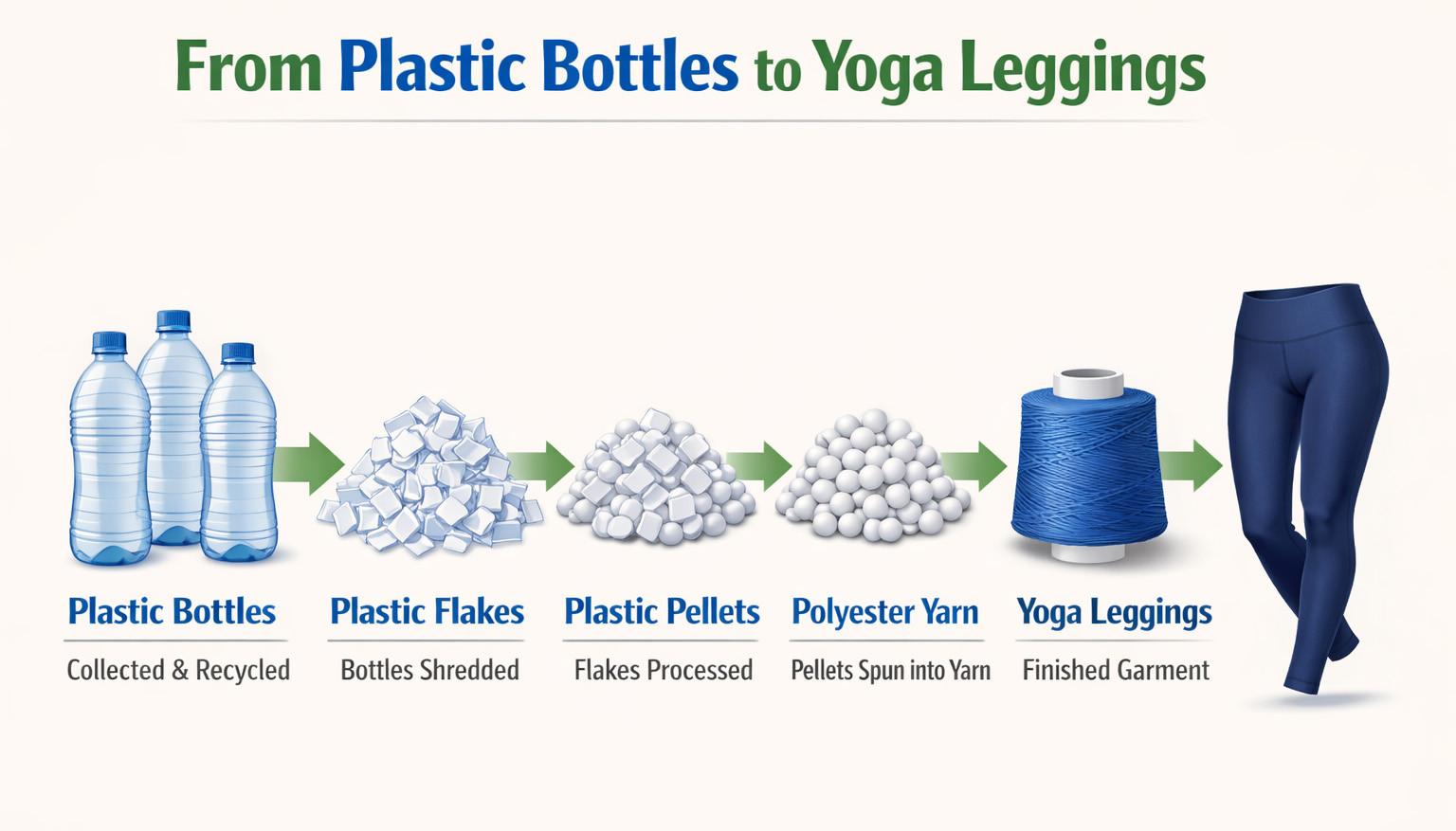
Performance and Quality: Critically, recycled polyester does not sacrifice performance for sustainability. The resulting fiber is chemically identical to virgin polyester, offering the same key benefits essential for high-quality yoga wear:
- Durability and Strength: rPET is just as strong and resilient as new polyester.
- Moisture-Wicking and Quick-Drying: It retains its excellent ability to manage moisture, keeping practitioners dry and comfortable.
- Color Retention and Softness: Modern rPET can be engineered to be soft, vibrant, and long-lasting.
While rPET is not a perfect solution—it still sheds microplastics and has limitations in its own recyclability—it represents a major step forward. By choosing activewear made from recycled polyester, consumers can support a more circular economy and significantly reduce the environmental impact of their apparel without compromising on the performance they need.
Organic Cotton: Natural Comfort and Environmental Stewardship
For those who prioritize natural comfort and environmental values, organic cotton is a premier choice. Unlike conventional cotton, which is one of the most chemically-intensive crops in the world, organic cotton is grown and processed using methods that create a healthier ecosystem for farmers, consumers, and the planet.
The Environmental Advantage of Organic Cotton:
When compared to its conventional counterpart, organic cotton farming has a dramatically lower environmental impact:
- Reduced Water Consumption: Organic cotton farming can reduce water consumption by as much as 91%. This is largely because organic practices promote healthier soil that retains water more effectively, often allowing crops to be rain-fed rather than intensively irrigated.
- Elimination of Harmful Chemicals: Organic standards prohibit the use of toxic synthetic pesticides and fertilizers. Instead, farmers rely on natural methods like crop rotation and biological pest control. This prevents harmful chemical runoff into waterways and protects biodiversity.
- Lower Carbon Footprint: By avoiding energy-intensive synthetic fertilizers, organic cotton production emits significantly fewer greenhouse gases—up to 46% less than conventional cotton..
- Improved Soil Health: Organic farming practices build and maintain healthy soil, which enhances its ability to sequester carbon from the atmosphere.
Performance and Feel:
From a performance standpoint, organic cotton offers a distinct set of benefits ideal for many forms of yoga:
- Superior Breathability and Softness: Organic cotton is naturally soft, breathable, and gentle on the skin.. It allows for excellent air circulation, making it very comfortable for gentle to moderate yoga practices.
- Hypoallergenic: Free from harsh chemical residues, organic cotton is an excellent choice for individuals with sensitive skin or allergies..
While pure organic cotton absorbs moisture rather than wicking it away (making it less suitable for high-sweat activities), it is often blended with a small percentage of spandex. An organic cotton/spandex blend (such as 92% organic cotton, 8% spandex) offers the best of both worlds: the natural comfort and breathability of cotton combined with the essential stretch needed for a full range of motion. This makes it an ideal choice for low- to mid-impact yoga, restorative practices, and everyday wear.
Pioneering Sustainable Fabric Innovations in Yoga Wear
The quest for the perfect sustainable yoga fabric goes beyond just recycled polyester and organic cotton. A new wave of material innovation is drawing from nature—specifically from renewable resources like wood and hemp—to create high-performing, eco-friendly textiles. These pioneering fabrics, including TENCEL™ branded lyocell and modal fibers, as well as emerging bio-based synthetics, represent the future of sustainable activewear. They offer a unique combination of luxurious softness, impressive performance characteristics, and a production process designed to minimize environmental impact, setting a new standard for what it means to create truly conscious apparel.
TENCEL™ Lyocell & Modal: Softness from Sustainable Wood Pulp
TENCEL™ is the flagship brand of the Austrian company Lenzing AG, specializing in two types of next-generation regenerated cellulosic fibers: Lyocell and Modal. Both are derived from sustainably sourced wood pulp and are renowned for their environmental responsibility, exceptional softness, and impressive performance characteristics, making them increasingly popular in conscious activewear.
The TENCEL™ Production Process: A Model of Sustainability
What sets TENCEL™ fibers apart is their pioneering closed-loop production process.
- Lyocell Process: The wood pulp is dissolved in a non-toxic organic solvent. This solution is then extruded to create the fibers. Crucially, over 99.8% of the solvent and water used in this process is recovered, purified, and reused in a continuous loop.. This results in minimal waste and significantly reduces water and energy consumption compared to other fiber production methods.
- Modal Process: TENCEL™ Modal is also produced with high resource efficiency and recovery rates of chemicals. It is known for being exceptionally soft and flexible.
Key Benefits of TENCEL™ Fibers for Yoga Wear:
- Exceptional Softness: Both TENCEL™ Lyocell and Modal fibers are famous for their luxurious, silky-smooth feel against the skin. They are often compared to high-end natural fibers like silk but with added durability. This buttery softness minimizes friction and enhances comfort during practice.
- Excellent Moisture Management: These fibers are hydrophilic (water-loving) and have a high moisture absorption capacity, even more so than cotton.. They effectively pull sweat away from the body, keeping the skin feeling dry and comfortable.
- High Breathability: The natural structure of the fibers allows for excellent airflow, which helps regulate body temperature and prevents overheating, making them ideal for a wide range of yoga styles.
- Unfavorable for Bacterial Growth: The efficient moisture management of TENCEL™ fibers creates an environment that is less favorable for bacteria to grow. This results in better hygiene and reduced odor compared to some synthetic fabrics.
- Gentle on Skin: Due to their smooth fiber surface and chemical-free production, TENCEL™ garments are naturally soft and hypoallergenic, making them an excellent choice for sensitive skin..
By blending TENCEL™ Lyocell or Modal with spandex, manufacturers can create yoga apparel that is not only luxuriously soft and comfortable but also highly functional and one of the most sustainable options available on the market today.
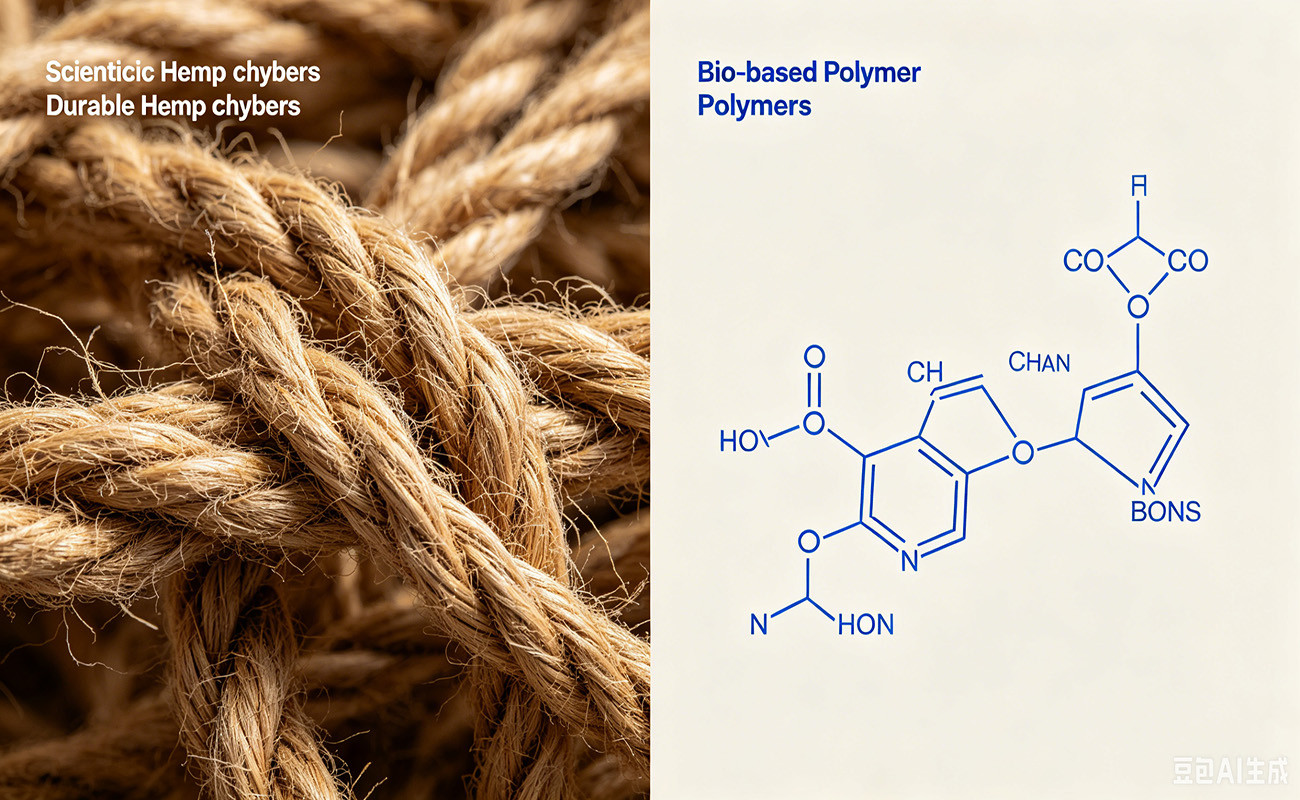
Hemp and Bio-Based Synthetics: Emerging Eco-Friendly Options
Beyond established sustainable materials, the textile industry is actively developing the next generation of eco-friendly fabrics. These emerging options leverage natural resources and innovative science to create textiles with unique properties and a minimal environmental footprint.
Hemp: The Durable and Sustainable Natural Fiber
Hemp is a fast-growing plant that has been used for centuries to make textiles. Its re-emergence in modern apparel is driven by its exceptional sustainability profile and performance characteristics.
- Environmental Benefits: Hemp is a highly sustainable crop. It requires minimal water, grows rapidly without the need for synthetic pesticides or fertilizers, and even enriches the soil it grows in.. It also absorbs large amounts of CO2 from the atmosphere..
- Performance:
- Durability: Hemp fibers are among the strongest natural fibers, resulting in a very durable and long-lasting fabric.
- Breathability: The fabric is naturally breathable and has excellent moisture-wicking properties, helping to keep the wearer cool and dry..
- Natural Antimicrobial Qualities: Hemp has inherent antibacterial properties that help it resist odor buildup..
- Comfort: While pure hemp can feel coarse initially, it softens significantly with each wash, developing a comfortable, lived-in feel over time..
For yoga, pure hemp's main drawback is its limited stretch. However, when blended with spandex, it becomes a formidable choice for durable, breathable, and sustainable activewear, particularly suited for practices where comfort and breathability are key..
Bio-Based Synthetics: The Future of Performance Fabrics
A groundbreaking area of innovation is the development of bio-based synthetics. These are polymer fabrics that perform like traditional synthetics (nylon, polyester) but are derived from renewable plant sources instead of petroleum.
- What They Are: Bio-based synthetics are made by converting plant sugars from sources like corn, sugarcane, or castor beans into the chemical building blocks for synthetic fibers.. For example, some companies are creating plant-based nylon alternatives using castor bean oil..
- Key Advantages:
- Reduced Fossil Fuel Dependence: Their primary benefit is that they replace non-renewable petroleum with renewable plant-based feedstocks.
- Lower Carbon Footprint: The production of bio-based synthetics generally uses less energy and generates significantly fewer greenhouse gas emissions compared to their fossil-fuel-based counterparts.. For instance, one type of bio-based elastane claims a 27% lower carbon footprint than conventional spandex..
- Performance: These materials are engineered to deliver the high performance expected of synthetics, including excellent stretch, durability, and moisture management.
While still an emerging and often more expensive category, bio-based synthetics represent a promising path toward a truly circular and sustainable activewear industry, where performance is no longer dependent on fossil fuels.
Balancing Sustainability with Production Costs
While the shift to sustainable materials is crucial, it presents a significant economic challenge for apparel manufacturers. Embracing eco-friendly fabrics and ethical production almost invariably leads to higher costs. Navigating this complex landscape requires a strategic approach to balance the "green imperative" with the economic realities of production and consumer pricing.
Why Sustainable Production Costs More:
Several key factors contribute to the higher price tag of sustainable apparel:
Raw Material Costs: Eco-conscious materials are often more expensive to source.
- Organic Cotton: Lower crop yields and the costs associated with organic certification and labor-intensive farming practices make organic cotton lint 20-30% more expensive than its conventional counterpart..
- Recycled Fibers (like rPET): While the cost of rPET is becoming more competitive, the complex processes of collecting, sorting, and reprocessing plastic waste can still make it more expensive than virgin polyester, which benefits from established, large-scale production.
- Specialty Fibers (like TENCEL™): The advanced, closed-loop technology required to produce fibers like TENCEL™ Lyocell is sophisticated and requires significant capital investment, which is reflected in the fabric's price..
Smaller Production Scale: Unlike fast fashion giants that rely on mass production to drive down costs, many sustainable brands produce in smaller, more deliberate batches. This approach reduces waste but sacrifices the economies of scale, leading to a higher cost per garment..
Certification and Compliance: Ensuring that a fabric is genuinely sustainable involves rigorous third-party certification processes (e.g., Global Organic Textile Standard - GOTS, OEKO-TEX®, Forest Stewardship Council - FSC). These certifications add an extra layer of cost but provide essential transparency and verification for consumers..
Ethical Labor: A core component of true sustainability is a commitment to fair labor. Paying workers a living wage and ensuring safe working conditions is more expensive than the exploitative labor practices often seen in the fast-fashion industry..
Strategies for Balancing Cost and Sustainability:
Despite these challenges, it is possible to create high-quality, sustainable apparel that offers good value. Key strategies include:
- Strategic Blending: By blending premium sustainable fibers with more cost-effective ones (e.g., a Tencel/recycled polyester blend), manufacturers can create a fabric that retains eco-friendly credentials while managing overall cost.
- Supply Chain Optimization: Working directly with mills and consolidating sourcing can create efficiencies that help offset higher material costs.
- Focus on Durability and Value: Sustainable fashion is about quality over quantity. By producing durable, timeless garments, brands can offer a better "cost-per-wear" value. A higher initial price is justified if the garment lasts significantly longer than a cheaper, fast-fashion alternative..
- Consumer Education: Transparently communicating why sustainable products cost more can build brand loyalty. When consumers understand that the higher price reflects fair wages, cleaner materials, and environmental responsibility, they are often willing to invest in products that align with their values..
Ultimately, balancing sustainability with production cost is not just about managing expenses; it is about redefining value. It requires a commitment to long-term environmental and social health over short-term profits, a philosophy that deeply resonates with the core principles of the yoga community.
Quality Assurance and Manufacturing Strategies: From Fabric Development to Exceptional Finished Yoga Apparel Inside Easemotion
Creating exceptional yoga apparel is a journey that extends far beyond initial fabric selection. It requires a relentless commitment to quality at every stage of the manufacturing process. From rigorous, hands-on testing of raw materials to the strategic choice between different production techniques, every decision impacts the final garment's performance, comfort, and longevity. At Easemotion, our quality assurance and manufacturing strategies are designed to transform innovative fabrics into finished yoga wear that is truly exceptional, ensuring every piece meets our uncompromising standards before it reaches the customer.
Rigorous Fabric Testing for Uncompromising Quality
Before a roll of fabric is ever cut, it must undergo a battery of tests to ensure it can withstand the demands of an active yoga practice. This crucial step weeds out materials that may look good but will fail under pressure, preventing common issues like pilling, sheerness, and loss of shape. Our testing protocols are designed to simulate real-world conditions, guaranteeing that every garment we produce is built to last.
Stretch Recovery and Squat-Proof Opacity Testing
Two of the most critical quality markers for yoga leggings are their ability to remain opaque during deep poses and their capacity to retain shape over time. These features are not accidental; they are the result of specific and rigorous testing protocols that separate high-performance apparel from fast-fashion alternatives.
1. Squat-Proof Opacity Testing
The term "squat-proof" has become a benchmark for quality in yoga leggings. It refers to the fabric's ability to remain completely opaque, with no sheerness or transparency, even when stretched to its maximum during movements like a deep squat or forward fold. A failure in opacity can lead to embarrassing and confidence-damaging situations, making this test essential.
How Opacity is Tested:
- Visual and Practical Tests: The most straightforward method involves physically wearing the leggings and performing a series of deep movements in front of a mirror under bright, direct light. This exposes any potential for the fabric to become see-through. Some testers may wear brightly colored garments underneath to make any sheerness more obvious.
- Instrumental Testing: For more scientific, repeatable results, manufacturers use a reflectance spectrophotometer. This instrument measures the amount of light that passes through the fabric. The test is often conducted with the fabric placed over both black and white backgrounds to determine its opacity percentage. To simulate real-world use, these tests can be performed on fabric that is stretched to specific tensions. A high opacity rating ensures the material provides full coverage.
Fabric choice is critical here. Dense, high-quality knit constructions, often using nylon or high-grade polyester blends, are less likely to become sheer. Fabrics with a higher weight (measured in Grams per Square Meter, or GSM) also tend to offer better opacity.
2. Stretch and Recovery Testing
This test evaluates a fabric's elasticity and, more importantly, its ability to "snap back" to its original dimensions after being stretched. Poor recovery leads to garments that sag, bag at the knees, or lose their supportive fit over time.
How Stretch and Recovery are Tested:
- Standardized Methods: Laboratories follow established international standards like ASTM D2594 (for knits), ASTM D3107 (for wovens), and ASTM D6614 to ensure consistent and comparable results.
- The Process: A fabric specimen is clamped into a testing machine and subjected to a specific load or extended to a specific length for a set period.
- Stretch is measured by calculating the percentage of elongation under force.
- Recovery (or "growth") is measured by releasing the force and recording how close the fabric returns to its original length after a relaxation period.
- The Goal: A high-performance activewear fabric should exhibit significant stretch but, critically, have very low "growth" or residual extension, meaning it recovers almost perfectly. This ensures leggings maintain their fit and compressive qualities through countless yoga sessions and washes.
By subjecting fabrics to these uncompromising tests, manufacturers can guarantee that their finished yoga apparel will provide the confidence, support, and longevity that dedicated practitioners demand.
Addressing Common Issues: Pilling, Translucency, and Color Inconsistency
Even the highest quality fibers can result in a subpar garment if not manufactured correctly. Beyond initial testing, a robust quality assurance program must address common but frustrating issues that can arise during production and wear. Protecting the consumer from pilling, ensuring opacity, and guaranteeing color consistency are hallmarks of a premium manufacturing process.
1. Pilling: Preventing Unsightly Fuzzballs
Pilling occurs when loose or broken fibers on a fabric's surface tangle together to form small knots or balls. It's primarily caused by friction and abrasion during wear and washing.. While all fabrics can pill to some extent, it is particularly common in looser knits and garments made with shorter fibers like some cotton and polyester blends..
How to Prevent Pilling:
- Fabric Selection: Choosing fabrics made from long, strong fibers (like high-quality nylon) and having a tight, dense knit structure is the first line of defense.
- Anti-Pilling Finishes: Some fabrics are treated with a chemical finish that helps to bind fibers together more securely.
- Proper Care: Educating consumers on proper garment care is key. This includes washing clothes inside out, using gentle wash cycles with cold water, avoiding overloaded machines, and air-drying when possible, as high dryer heat can damage fibers.. Detergents with enzymes can also help by smoothing fabric fibers..
2. Translucency: Ensuring Consistent Opacity
Translucency, or sheerness, in leggings is often the result of the fabric stretching beyond its engineered limit. Even high-quality leggings can become see-through if they are the wrong size or made from a fabric not suited for deep flexion.
Causes and Solutions:
- Fabric Density and Weave: Low-density or loose-knit fabrics will naturally have more space between fibers, which becomes visible when stretched.. Manufacturers must select dense, tightly knit fabrics to ensure coverage.
- Material Quality: Cheaper, lower-grade materials often lack the structure and recovery needed to remain opaque under tension. Quality blends with a sufficient percentage of spandex (at least 15%) are crucial.
- Correct Sizing: An item that is too small will be over-stretched, causing the fibers to separate and the fabric to become sheer.. Brands must provide accurate sizing guides to help customers choose the correct fit.
- Color Limitations: Light-colored fabrics are inherently more prone to appearing translucent. They may require a heavier knit or a lining to achieve the same level of opacity as a darker color.
3. Color Inconsistency: Achieving Uniform Hues
Maintaining consistent color across different production batches—and even within a single garment—is a significant challenge in textile manufacturing. Variations can ruin the aesthetic of a product and signal poor quality control.
Common Causes of Inconsistency:
- Dye Lot Variation: Minor differences in the dyeing process from one batch to another can result in slight variations in hue, saturation, or brightness.
- Fabric Absorbency: Different types of fibers (e.g., cotton vs. polyester) absorb dye differently. In blended fabrics, this can lead to a heathered or inconsistent look if not managed correctly.
- Metamerism: This phenomenon occurs when two colors appear to match under one light source (e.g., factory lighting) but look different under another (e.g., natural daylight)..
- Component Mismatch: Different components of a garment, like the main fabric, thread, and waistband elastic, might be sourced from different suppliers and can be difficult to match perfectly.
Solutions in Manufacturing:
- Spectrophotometer Use: This instrument provides precise, objective color data, allowing manufacturers to match colors to a digital standard rather than relying on subjective visual checks.
- Standardized Lighting: Using color-matching cabinets with standardized light sources helps to identify and correct for metamerism..
- Controlled Dyeing Processes: Strict control over temperature, water quality, and dye concentration during the dyeing process helps ensure consistency from one batch to the next.
By proactively addressing these common issues through rigorous testing and controlled manufacturing processes, a brand can consistently deliver the high-quality, reliable, and aesthetically pleasing yoga apparel that consumers expect.
Optimized Production Techniques and Supply Chains
The final quality and performance of a yoga garment are not just determined by the fabric it's made from, but also by how it is constructed. The choice between different manufacturing techniques, like seamless knitting versus traditional cut-and-sew methods, has a profound impact on the comfort, fit, and aesthetic of the final product. Just as important is a resilient and transparent supply chain, which ensures that quality standards are upheld from the initial yarn spinning all the way to the finished apparel, guaranteeing efficiency, ethical practices, and an unwavering commitment to excellence.
Seamless vs. Cut-and-Sew: Considerations for Design and Comfort
When creating yoga apparel, manufacturers primarily choose between two distinct production methods: traditional cut-and-sew and modern seamless knitting. Each approach offers a unique set of trade-offs in terms of design flexibility, comfort, performance, and cost.
Cut-and-Sew Manufacturing
This is the classic method of garment production. The process involves:
- Pattern Creation: Patterns for each part of the garment (e.g., front leg panel, back leg panel, waistband) are created.
- Fabric Cutting: Large rolls of fabric are laid out and the pattern pieces are cut from them.
- Assembly: The individual pieces are then sewn together using various stitching techniques (like flatlock or overlock) to construct the final garment.
Advantages of Cut-and-Sew:
- Design Versatility: This method offers nearly limitless design freedom. It allows for the easy integration of different fabric types, colors, mesh panels, pockets, and intricate style lines.
- Fabric Flexibility: Brands can use a wide variety of woven and knit fabrics, giving them more control over the final texture and performance.
- Lower Minimum Orders: The barrier to entry for cut-and-sew is generally lower, making it more accessible for smaller brands or limited-edition collections.
Disadvantages of Cut-and-Sew:
- Presence of Seams: The seams, even when flat-locked, can sometimes cause chafing or irritation for individuals with sensitive skin, especially during repetitive movements.
- Fabric Waste: The process of cutting patterns from large sheets of fabric inevitably generates scrap material, which can be a source of environmental waste if not managed properly.
Seamless Knitting
Seamless technology revolutionized the activewear industry. This method uses highly advanced circular knitting machines to create an entire garment in a single, continuous process, practically free of seams..
Advantages of Seamless:
- Unparalleled Comfort: The most significant benefit is the reduction or elimination of seams, which minimizes the risk of chafing and irritation. This creates a smooth, "second-skin" feel that is ideal for yoga.
- Enhanced Fit and Flexibility: Seamless garments offer a 360-degree stretch that conforms to the body like a glove, providing a supportive yet non-restrictive fit that moves with the practitioner.
- Integrated Design Features: Technology allows for different knit structures—like compression zones, ventilation panels, and textures—to be knitted directly into the fabric without adding extra seams.
- Reduced Waste: Since garments are knitted to shape, there is very little fabric waste, making it a more sustainable production method.
Disadvantages of Seamless:
- Design Limitations: While patterns and textures can be integrated, seamless production offers less flexibility for combining different fabric types or creating complex style lines compared to cut-and-sew.
- Higher Minimum Orders: The complexity and cost of the machinery mean that manufacturers often require larger production runs (MOQs), which can be a barrier for smaller brands..
Making the Choice
| Feature | Seamless | Cut-and-Sew |
|---|---|---|
| Comfort | Superior (fewer seams, less chafing) | Good (can have bulky seams) |
| Fit | Body-hugging, second-skin fit | More structured, depends on pattern |
| Design Flexibility | Limited (patterns knit-in) | High (can mix fabrics, add pockets) |
| Durability | High (no seams to fail) | Good (depends on stitch quality) |
| Sustainability | Higher (less fabric waste) | Lower (generates cutting waste) |
| Cost / MOQ | Higher minimum orders | Lower minimum orders |
The choice between seamless and cut-and-sew depends on the brand's priorities. Seamless is often the preferred choice for high-performance, comfort-focused core items like leggings and sports bras. Cut-and-sew is ideal for more fashion-forward pieces, garments with specific features like pockets, or when a wider variety of fabrics is desired. Many successful activewear brands utilize both methods across their collections to offer a diverse and functional range of products.
Leveraging Supply Chains for Efficiency and Quality Assurance
A world-class yoga garment is the product of a world-class supply chain. From the ethical sourcing of raw materials to the final stitch, a transparent, efficient, and well-managed supply chain is fundamental to ensuring consistent quality, minimizing environmental impact, and upholding brand integrity. Leveraging an optimized supply chain is not just a logistical advantage; it is a core component of quality assurance.
The Pillars of a High-Performing Apparel Supply Chain:
Traceability and Transparency: A transparent supply chain allows a brand to trace every component of a garment back to its origin. This visibility is essential for:
- Verifying Sustainability Claims: Ensuring that materials marketed as organic or recycled are genuinely certified and that production processes meet environmental standards.
- Ethical Sourcing: Confirming that all partners in the chain adhere to fair labor practices, providing safe working conditions and living wages. This accountability builds trust with consumers who increasingly demand to know who made their clothes and under what conditions..
- Brand Reputation: Transparency fosters consumer trust and protects a brand's reputation by mitigating risks of association with unethical or environmentally damaging practices..
Supplier Collaboration and Audits: A strong supply chain is built on strong partnerships. This involves:
- Setting Clear Standards: Establishing comprehensive quality standards for raw materials, from yarn quality to dye consistency, and communicating them clearly to all suppliers.
- Regular Audits: Conducting regular assessments of supplier facilities to ensure ongoing compliance with quality, environmental, and labor standards.
- Collaborative Improvement: Working with suppliers to provide training and support helps foster a culture of continuous improvement and shared commitment to excellence.. This proactive approach is part of Quality Assurance (QA), which focuses on preventing defects before they happen..
Efficiency and' Agility: An optimized supply chain is lean, responsive, and efficient, which directly impacts quality and value.
- Reduced Lead Times: Efficient logistics and production planning mean products get to market faster, allowing brands to be more responsive to consumer trends..
- Cost Optimization: Streamlining operations, optimizing resource use, and minimizing waste at every stage help to manage production costs.. These savings can then be invested back into higher-quality materials or passed on to the consumer.
- Inventory Management: Advanced systems like just-in-time (JIT) inventory reduce the risk of overproduction—a major source of waste in the apparel industry—and ensure that resources are used effectively.
Integrating Technology: Modern supply chains leverage technology to enhance visibility and quality control.
- Digital Platforms: Cloud-based platforms can provide real-time tracking of materials and production, creating a single source of truth for all stakeholders.
- IoT and AI: The Internet of Things (IoT) and Artificial Intelligence (AI) can be used to monitor factory conditions, predict maintenance needs, and even detect defects on the production line, further embedding quality control into the manufacturing process..
By integrating these principles, a brand can build a resilient and ethical supply chain that does more than just move products. It becomes a fundamental part of the quality assurance framework, ensuring that every garment delivered is a testament to the brand's commitment to excellence and integrity.
Frequently Asked Questions (FAQ)
Q1: What is the most important fabric characteristic to look for in yoga wear?
A: While several characteristics are important, four-way stretch is arguably the most critical for yoga. Yoga involves a wide and dynamic range of motion, and a fabric must be able to stretch in all directions (lengthwise and crosswise) without restricting movement. This elasticity, typically provided by fibers like spandex, ensures that a garment moves with your body like a second skin, allowing for complete freedom and focus in every pose. Without adequate stretch, apparel can feel constricting, hinder alignment, and detract from the practice.
Q2: Are natural fabrics like cotton or bamboo suitable for all types of yoga?
A: Not necessarily. Natural fabrics like organic cotton and bamboo are exceptionally soft, breathable, and comfortable, making them excellent choices for gentle, restorative, or Hatha yoga where sweating is minimal. However, they tend to absorb moisture rather than wick it away, meaning they can become heavy and damp during more intense, high-sweat practices like hot yoga or Power Vinyasa. For these styles, synthetic fabrics like polyester and nylon, or advanced blends engineered for moisture-wicking and quick-drying, are generally a better performance choice.
Q3: Why are my yoga leggings pilling, and how can I prevent it?
A: Pilling is caused by the abrasion of short or broken fibers on the fabric's surface, which tangle together into small balls. It's most often a result of friction—either from the garment rubbing against itself, a yoga mat, or other surfaces during wear, or from the agitation of a washing machine. To prevent it, choose high-quality leggings made from tightly knit fabrics with long-staple fibers (like high-grade nylon). At home, wash your leggings inside out on a gentle cycle with cold water, avoid washing them with heavy or rough items like towels and denim, and air dry them instead of using a high-heat dryer.
Q4: What does "UPF 50+" mean on a garment, and do I need it for yoga?
A: UPF stands for Ultraviolet Protection Factor, and it measures how much of the sun's UVA and UVB radiation a fabric blocks. A UPF 50+ rating is the highest available for clothing, indicating that the fabric blocks at least 98% of UV rays. While you don't need it for indoor practice, UPF-rated apparel is highly recommended for any outdoor yoga sessions—whether at the beach, in a park, or on a retreat. Unlike sunscreen, the protection offered by the clothing doesn't sweat off or need to be reapplied, providing a reliable and consistent shield for your skin.
Q5: Is seamless yoga wear better than cut-and-sew?
A: It depends on your priorities. Seamless activewear is often considered superior for comfort because the absence of stitches minimizes chafing and creates a smooth, second-skin feel. It also offers excellent, body-hugging stretch. However, cut-and-sew construction allows for much greater design versatility, including the ability to add pockets, use different fabric panels, and create more intricate styles. For pure performance and comfort during practice, seamless is often preferred. For a more fashion-forward look or for garments where features like pockets are desired, cut-and-sew is the better option.
Q6: Why is sustainable and ethical yoga wear more expensive?
A: Sustainable yoga wear typically costs more due to several factors. First, eco-friendly materials like organic cotton or TENCEL™ have higher raw material and processing costs. Second, ethical production involves paying workers a fair living wage, which is more expensive than the exploitative labor often used in fast fashion. Finally, sustainable brands often produce in smaller batches to avoid waste, which forgoes the cost savings of mass production. The higher price reflects a true cost that includes environmental stewardship and social responsibility.
In the journey from fabric development to a finished garment, Easemotion's dedication is unwavering. Our holistic approach to yoga wear production ensures that every piece of apparel delivers on its promise of superior performance, deep-seated comfort, and genuine sustainability. We believe that what you wear should support your practice, align with your values, and feel incredible against your skin.
By meticulously selecting the most advanced and eco-conscious fabrics, engineering them for optimal function, and upholding the most rigorous quality control standards, easemotion continues to shape the future of high-quality, sustainable yoga apparel. We are committed to creating garments that not only empower your movement on the mat but also contribute positively to the world off the mat. We invite you to experience the difference that thoughtful production makes.