Sports Bra vs Bralette: The Ultimate Guide to Choosing by Activity Intensity
In the modern wardrobe, undergarments are no longer a one-size-fits-all affair. They are specialized pieces of apparel designed for a vast range of purposes, activities, and styles. Among the most common yet frequently confused items are sports bras and bralettes. Both offer a departure from traditional underwire bras, but they serve fundamentally different roles. Their shared identity as wire-free options often blurs the lines, leading to improper use that can compromise comfort, support, and even breast health.
This definitive guide is designed to cut through the confusion. We will meticulously delineate the distinctions between sports bras and bralettes, establishing a clear framework for choosing the right garment. The cornerstone of this guide is activity intensity—a critical factor that dictates the level of support your body needs. By understanding this principle, you can make informed decisions that enhance your comfort, confidence, and overall well-being, whether you're tackling a high-intensity workout, lounging on the couch, or heading out for a casual day.
Key Takeaways
For those seeking a quick summary, here are the essential points to understand when choosing between a sports bra and a bralette:
- Primary Function Dictates Choice: The core difference lies in their purpose. Sports bras are performance-oriented garments engineered to minimize breast movement (or "bounce") during physical activity. Their design prioritizes support, stability, and moisture management. Bralettes, in contrast, are style and comfort-focused. They are unstructured, lightweight, and designed for lounging, low-key daily wear, or as a fashion statement, offering minimal support.
- Activity Intensity is Non-Negotiable: The most critical factor in your decision is the intensity of your activity.
- High-Impact Activities (e.g., running, HIIT, court sports): A high-support sports bra is essential and non-negotiable. It uses features like encapsulation, compression, wide straps, and a firm band to protect breast tissue and prevent pain or damage. A bralette should never be worn for these activities.
- Medium-Impact Activities (e.g., cycling, hiking, power yoga): A medium-support sports bra is ideal. It offers a balance of robust support to reduce bounce while allowing for more flexibility and range of motion than its high-impact counterpart.
- Low-Impact Activities (e.g., yoga, Pilates, walking): A low-support sports bra is an excellent choice, providing gentle containment and comfort. A bralette can also be suitable here, especially for those with smaller cup sizes, but a low-impact sports bra will almost always offer better security and moisture-wicking properties.
- Lounging and Everyday Wear: This is the bralette's domain. For sedentary tasks, relaxing at home, or running simple errands, the bralette provides an unparalleled level of unrestricted comfort.
- Construction and Materials Matter: The design and fabrics used in these two garments are worlds apart. Sports bras utilize advanced technical fabrics like nylon, polyester, and spandex blends, which are chosen for their durability, stretch, and moisture-wicking capabilities. They feature structured components such as wide underbands, padded or molded cups, and adjustable features. Bralettes are typically made from softer, more delicate materials like cotton, modal, lace, or mesh, prioritizing a soft feel against the skin over performance. They are generally free of pads, wires, and complex structures.
- Fit and Sizing Are Crucial for Both: An improper fit negates the benefits of either garment. For a sports bra, a snug fit around the band is vital, as this is where most of the support comes from. The cups should fully contain the breast tissue without spillage or gaps, and the straps should not dig in. For a bralette, the focus is on comfortable, non-restrictive coverage. The band should lie flat without riding up, and the fabric should sit smoothly against the skin without gaping.
- Breast Size Influences the Decision: While activity level is paramount, breast size is a significant consideration. Individuals with larger busts require more support, even during low-impact activities, to prevent discomfort and strain on ligaments. They may find that only high-support sports bras are comfortable for any level of exercise and that most bralettes do not offer adequate coverage or support for anything beyond lounging. Conversely, those with smaller busts may find a bralette sufficient for a gentle walk or stretch.
Ultimately, sports bras and bralettes are not interchangeable. They are two distinct tools for two different jobs. Owning and using both appropriately is a key part of building a functional and comfortable wardrobe that supports a healthy and active lifestyle.
Understanding the Fundamental Differences: Sports Bra vs Bralette Defined
Before we can effectively choose between a sports bra and a bralette, it's crucial to understand that they are designed with fundamentally different philosophies. One is a piece of high-performance athletic equipment, while the other is a champion of comfort and aesthetic expression.
Defining the Sports Bra: Engineered for Performance
A sports bra is a specialized undergarment meticulously engineered to provide support and minimize breast movement during physical exercise. Its primary purpose is not just comfort but also the protection of the delicate Cooper's ligaments in the breasts, which, once stretched, do not return to their original position. Excessive movement during exercise can lead to pain, discomfort, and long-term sagging.
To combat this, sports bras are built using two main support systems:
- Compression: This style, common in simpler, pullover sports bras, works by pressing the breasts flat against the chest to restrict movement. It's often sufficient for low-to-medium impact activities and those with smaller cup sizes.
- Encapsulation: This design features individual cups that surround and support each breast separately, much like a traditional bra. Encapsulation sports bras provide a more defined shape and are often preferred for high-impact activities and by individuals with larger busts as they offer superior motion control. Many modern sports bras use a combination of both compression and encapsulation for maximum support. They are constructed from durable, moisture-wicking technical fabrics and feature wide, supportive bands and straps to distribute weight and reduce pressure.
Defining the Bralette: Prioritizing Comfort and Style
A bralette is essentially the opposite of a sports bra; its design philosophy centers on minimalism, comfort, and aesthetics. A bralette is a soft, unstructured bra that is free from wires, padding, and molded cups. Its primary function is to provide a light layer of coverage and very minimal support.
The focus of the bralette is on how it feels and how it looks. It's the garment you reach for when the restrictive nature of a traditional bra or the compressive feel of a sports bra is undesirable. Bralettes are perfect for:
- Lounging at home
- Sleeping
- Low-key daily wear
- Fashion layering, where they might be intentionally visible under a loose-fitting top or jacket.
They are typically made from soft, decorative materials like lace, cotton, modal, or silk, prioritizing a pleasant tactile sensation over high-performance functionality.
Key Distinctions in Design Philosophy and Construction
The core differences between these two garments can be clearly seen when their construction and intended use are compared directly. One is a piece of technical equipment; the other is a comfortable accessory.
| Feature | Sports Bra | Bralette |
|---|---|---|
| Primary Purpose | Performance: Minimize breast movement during activity. | Comfort & Style: Light coverage for lounging and fashion. |
| Support Level | High to Low (Graded by impact level). | Minimal to None. |
| Construction | Structured: Encapsulation/compression, wide bands, adjustable straps. | Unstructured: Wire-free, unpadded, simple construction. |
| Key Materials | Technical Fabrics: Nylon, spandex, polyester blends for moisture-wicking and durability. | Soft Fabrics: Cotton, lace, modal, mesh for comfort and aesthetics. |
| Fit | Snug and secure to restrict movement. The band should be firm. | Relaxed and comfortable. Should lie flat without constriction. |
| Common Use | Physical activities: running, gym workouts, yoga, cycling. | Everyday lounging, sleeping, light errands, fashion layering. |
| Aesthetic | Functional and athletic, often with bold colors and sporty designs. | Delicate, decorative, and fashion-forward. |
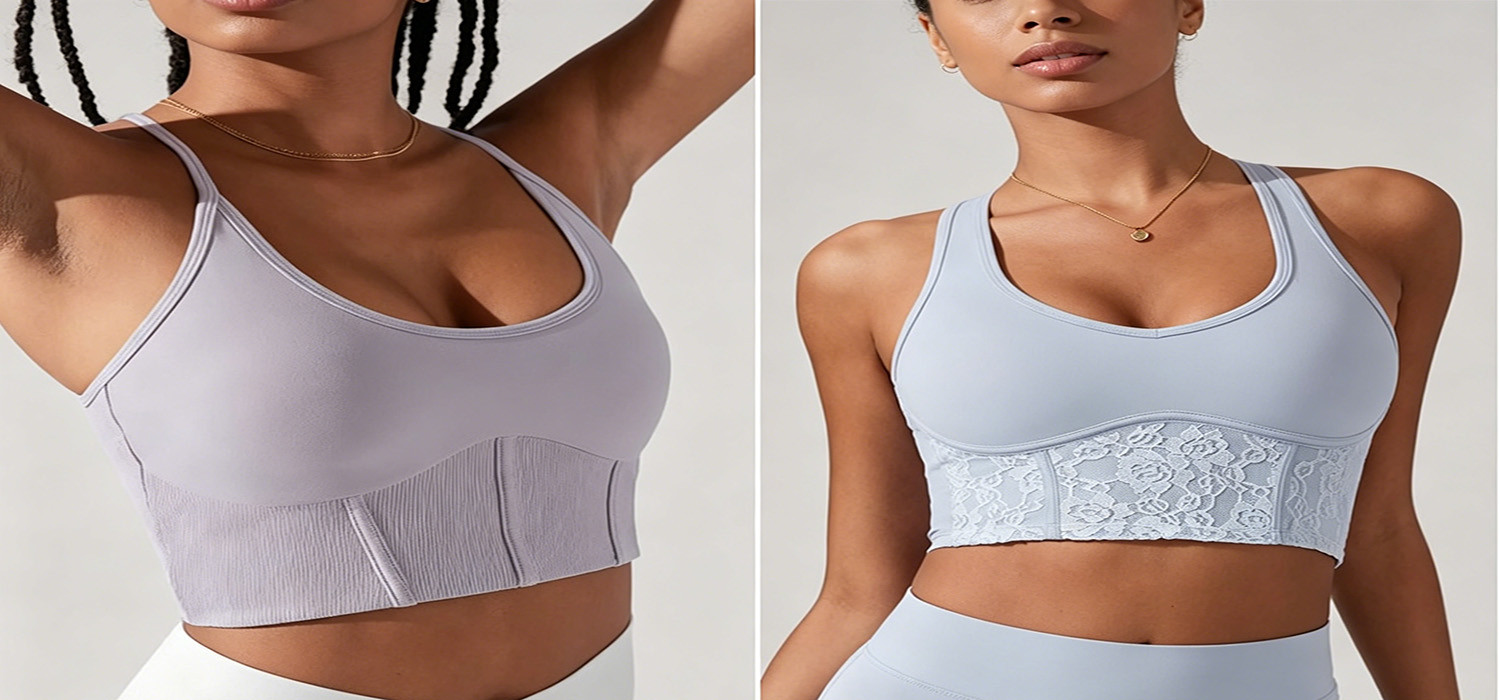
Understanding these fundamental differences is the first step in making an informed choice. It clarifies that the question isn't "which is better?" but rather "which is the right tool for the job at hand?"
The Performance Powerhouse: When a Sports Bra Excels in Support
A sports bra is an indispensable piece of athletic gear, engineered to manage impact and provide stability where it's needed most. Its superiority is categorized by the intensity of the activity, with different designs tailored to high, medium, and low-impact movements. Choosing the correct level of support is crucial for comfort, performance, and long-term breast health.
High-Impact Activities: Uncompromising Stability
For high-impact activities—those that involve running, jumping, or rapid, multi-directional movements—a high-support sports bra is not just a recommendation; it's a necessity. Activities in this category include:
- Running (Treadmill or outdoor)
- High-Intensity Interval Training (HIIT)
- Plyometrics (box jumps, burpees)
- Court sports like tennis, basketball, and volleyball
- Horseback riding
During these activities, the breasts can move several inches in a figure-eight pattern, placing significant strain on the supportive Cooper's ligaments. A high-impact sports bra is designed to drastically reduce this movement, preventing immediate pain and protecting against potential long-term tissue damage.
Essential Features for Maximum Containment
High-impact sports bras are the tanks of the activewear world, built with specific features to lock everything down.
- Encapsulation and Combination Styles: Many high-impact bras use encapsulation (separate cups) or a combination of encapsulation and compression to control movement more effectively than compression alone, especially for C-cups and larger.
- Wide, Adjustable Straps: Wider straps, often with padding, help distribute weight more evenly across the shoulders, reducing pressure and preventing digging. Adjustability allows for a customized, secure fit.
- Firm, Wide Underband: The underband provides the majority (up to 80%) of a bra's support. In a high-impact bra, this band will be wide, strong, and snug to anchor the bra securely to the torso.
- Hook-and-Eye Closures: While many sports bras are pullovers, high-impact models often feature a back closure system similar to a traditional bra. This allows for a more precise, tighter fit around the rib cage and makes the bra easier to put on and take off, especially when sweaty.
- Full Coverage Cups: The cups on a high-impact bra are designed for full containment, preventing spillage from the top or sides during vigorous movement.
Material Innovation for Durability and Support
The materials used in high-impact sports bras are chosen for their strength, structure, and performance. Look for a blend of robust synthetics like nylon and polyester for durability, combined with a significant percentage of spandex or elastane (often 15-30%) for powerful stretch and recovery. These fabrics are engineered to hold their shape under stress. Innovative companies in the activewear space, such as easemotion, are constantly developing fabrics that offer enhanced support, better moisture management, and improved comfort without sacrificing control, pushing the boundaries of what performance apparel can do.
Medium-Impact Activities: Balancing Support and Flexibility
Medium-impact activities involve less jarring motion than high-impact ones but still require significant support to control breast bounce. These activities often involve a greater range of motion for the upper body. Examples include:
- Spinning and indoor cycling
- Power walking and hiking
- Elliptical training and stair climbers
- Strength training
- Ballroom and Latin dancing
A medium-support sports bra strikes a crucial balance, offering substantial motion reduction while providing more flexibility and comfort than a high-impact model.
Considerations for Comfort and Range of Motion
For activities like strength training or hiking, where your arms and torso are moving freely, you don't want a bra that feels like a straitjacket. Medium-support bras are designed with this in mind:
- Design Variations: They are often available in styles like racerbacks, which allow for excellent shoulder blade mobility, or scoop-necks with wider-set straps for a different kind of freedom.
- Softer Fabrics: While still supportive, the fabrics may have a slightly softer hand and more give than their high-impact counterparts, prioritizing all-day comfort during a long hike or gym session.
- Removable Pads: Many medium-support styles come with removable pads, allowing you to customize the level of coverage, shaping, and modesty you prefer.
Moisture Management in Activewear
One of the most critical features in a medium-impact sports bra is its ability to manage sweat. During a vigorous spin class or weightlifting session, you will perspire, and a bra that holds onto moisture will quickly become heavy, clammy, and uncomfortable, potentially leading to chafing. High-quality medium-support bras are made from advanced moisture-wicking fabrics. These materials work by pulling sweat away from the skin and moving it to the outer surface of the fabric, where it can evaporate quickly. This keeps you feeling drier, cooler, and more comfortable throughout your workout. Many also incorporate strategically placed mesh panels in high-sweat zones, like the center front and back, to enhance breathability.
Low-Impact Activities: Gentle Support and Enhanced Comfort
Low-impact activities involve gentle, fluid movements with minimal bouncing or jarring. For these, the primary goal of a bra shifts from high-level containment to comfortable, flexible, and gentle support. Key examples include:
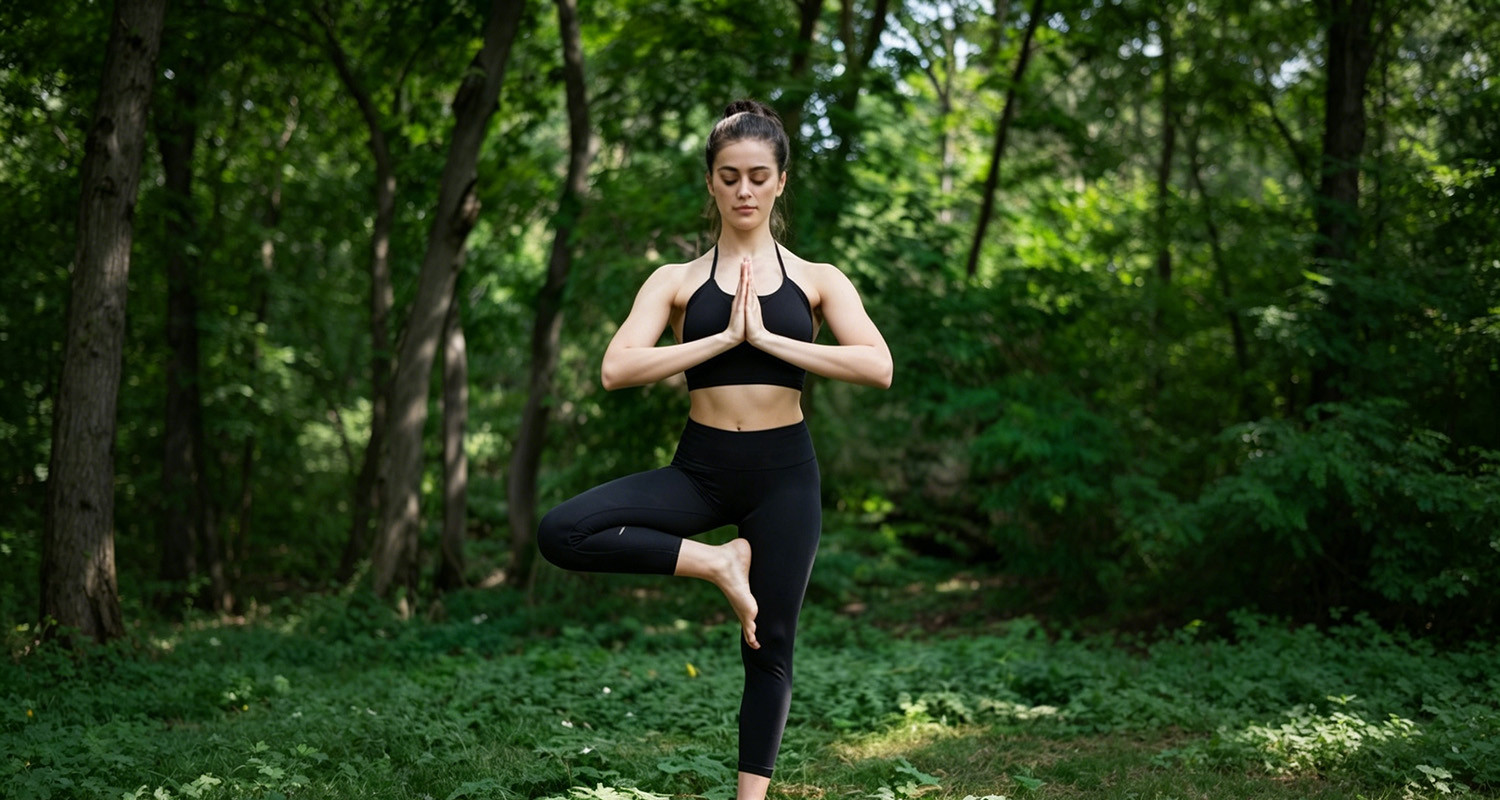
- Yoga (Hatha, Vinyasa, Restorative)
- Pilates
- Stretching and mobility work
- Walking at a relaxed pace
- Barre
For these workouts, a low-support sports bra provides just enough compression to keep you feeling secure without restricting your movement or breathing.
Ideal for Yoga, Pilates, and Stretching
In practices like yoga and Pilates, your body moves through a wide range of C-shaped and S-shaped curves, twists, and inversions. A restrictive bra can hinder your movement and, more importantly, your ability to breathe deeply (pranayama), which is central to the practice. Low-impact sports bras are designed with this in mind:
- Seamless Construction: Many are made using seamless knitting technology to eliminate chafing points, making them incredibly comfortable for floor work.
- Minimalist Straps: Thinner straps, often in decorative arrangements (like strappy-back designs), provide adequate support for low-impact movements while allowing for maximum freedom and airflow across the back and shoulders.
- Soft, Flexible Underbands: The underband is typically softer and less constrictive, designed to move with your body as you bend and stretch.
Breathability and Softness in Low-Support Designs
Comfort is king in low-impact designs. The fabrics are chosen for their soft feel against the skin and their high breathability. Materials like brushed polyester blends, modal, and bamboo are often used. Because the intensity is lower, the need for aggressive moisture-wicking is reduced, and the focus shifts to a softer, more luxurious feel. These bras are designed to feel like a second skin, allowing you to focus on your form and breath without any distracting discomfort.
The Comfort Champion: Embracing the Bralette for Everyday and Light Use
While the sports bra reigns supreme in the world of physical activity, the bralette has carved out its own kingdom built on a foundation of comfort, style, and effortless ease. When the goal is to feel unconstrained and relaxed, the bralette is the undisputed champion.
Everyday Wear and Lounging: Unrestricted Comfort
The primary appeal of the bralette lies in its promise of freedom from the common discomforts of more structured bras. Free from underwires that can dig, padding that feels bulky, and clasps that can irritate, the bralette offers a "barely there" feeling that is perfect for days spent at home, relaxing weekends, or any situation where support is not a primary concern. It is the ultimate loungewear undergarment, providing just enough coverage to feel put-together without any of the restriction.
Prioritizing Softness and Fit for Daily Life
The joy of a good bralette comes from its materials and fit. They are typically crafted from the softest fabrics designed to feel good against the skin.
- Cotton and Modal: These plant-based fibers are known for their exceptional softness, breathability, and gentle feel, making them ideal for all-day wear, especially for those with sensitive skin.
- Microfiber and Nylon Blends: These offer a sleek, smooth feel that disappears under clothing, often with a seamless construction that eliminates visible lines.
- Fit for Comfort: A well-fitting bralette should lie flat against your body. The band should be comfortably snug without being tight, and the cups (or fabric panels) should provide light coverage without gaping or causing spillage. It should move with your body, not against it.
Aesthetic Appeal and Layering Potential
Beyond comfort, bralettes have become a significant fashion statement. Their often delicate and beautiful designs are meant to be seen.
- Layering: A hint of lace from a bralette peeking out from under a low-cut sweater, a sheer blouse, or an off-the-shoulder top can add a touch of intentional, chic detail to an outfit.
- Standalone Piece: In some contexts, like festivals or under a blazer, a more structured and longline bralette can even be worn as a top in its own right.
- Variety of Styles: From intricate lace triangle bralettes to simple, minimalist scoop necks, there is a vast array of styles to suit different tastes and outfits, making them a versatile addition to any wardrobe.
Minimal Activity: When Light Support Suffices
While completely unsuitable for vigorous exercise, a bralette can be a perfectly acceptable choice for periods of minimal physical activity. This includes tasks that are largely sedentary or involve only very gentle movement.
Suitable for Sedentary Tasks and Gentle Movement
A bralette provides adequate coverage and a feeling of being "dressed" for activities such as:
- Working from home at a desk
- Reading, watching movies, or crafting
- Running very light errands, like a quick trip to the mailbox or a drive-through
- Engaging in a very gentle, restorative stretch session
In these scenarios, the body is not subjected to impact or repetitive motion, so the minimal support offered by a bralette is all that is required. The focus remains on maximizing comfort during these low-exertion periods.
Fashion-Forward Design and Material Choices
The fashion-centric nature of the bralette means it excels in aesthetic variety. This allows you to choose a bralette not just for comfort, but as an integral part of your personal style.
- Lace and Mesh: These materials offer a delicate, feminine, and often alluring look. They are more about visual appeal than function.
- Ribbed Knits: Offer a sporty, casual aesthetic that is both comfortable and on-trend, pairing well with loungewear sets or casual tops.
- Bold Colors and Prints: Unlike the often functional colorways of sports bras, bralettes are available in a huge spectrum of colors and patterns, allowing for more personal expression.
Material Selection and Aesthetic Preferences
Choosing a bralette is a highly personal experience, driven largely by your sensory and style preferences. When selecting one, consider what feels best on your skin. Do you prefer the natural breathability of cotton, the intricate beauty of lace, or the smooth, sleek feel of a microfiber blend? Because its role is primarily about comfort and personal expression, there is no wrong answer. The best bralette is the one that makes you feel most comfortable and confident in your own skin during moments of rest and relaxation.
Direct Comparison by Activity Intensity: Sports Bra vs Bralette for Every Need
The decision-making process becomes incredibly clear when you place these two garments side-by-side and evaluate them against the backdrop of activity intensity. This head-to-head comparison removes ambiguity and provides a straightforward guide to choosing correctly every time.
High Intensity: Why the Sports Bra Remains Unrivaled
Activity Examples: Running, HIIT, plyometrics, competitive sports. The Verdict: Sports Bra (High-Impact) - Non-negotiable.
During high-intensity exercise, the primary need is motion control. Research from the University of Portsmouth, a leader in breast health, shows that unsupported breasts can move up to 14cm during running, causing pain and irreversible stretching of Cooper's ligaments. A bralette offers virtually zero protection against these forces. Its soft construction and lack of supportive features make it dangerously inadequate. A high-impact sports bra, with its powerful combination of compression, encapsulation, wide straps, and a firm band, is the only appropriate choice. It is a piece of essential safety equipment designed to protect delicate tissue, reduce pain, and enhance performance.
Moderate Intensity: Assessing the Spectrum of Support Requirements
Activity Examples: Cycling, brisk hiking, strength training, elliptical workouts. The Verdict: Sports Bra (Medium-Impact) - Highly recommended.
In the moderate intensity zone, the body is in motion, but the impact is less jarring than in high-intensity activities. While a bralette might feel tempting for something like a weights session, it still falls short. It lacks the structure to handle the multi-directional movements of lifting and provides no moisture-wicking benefits, which can lead to chafing and discomfort. A medium-support sports bra is the clear winner. It's engineered to provide a robust level of support that controls bounce but offers more flexibility and breathability than a high-impact model, striking the perfect balance for these types of workouts.
Low Intensity and Lounge: Where Bralettes Offer Superior Comfort
Activity Examples: Gentle yoga, stretching, walking, lounging, sleeping. The Verdict: A close race, with different winners for different needs.
This is the only category where the two garments can be considered potential alternatives.
- For Performance and Security: A low-impact sports bra is the superior choice for low-intensity workouts like yoga, Pilates, or barre. Even in a gentle flow, it offers light compression that prevents movement during inversions (like in downward dog) and provides moisture-wicking properties, keeping you comfortable.
- For Ultimate Comfort and Style: A bralette is the champion for activities on the lowest end of the spectrum, like lounging, sleeping, or working from a desk. In these situations, performance features are unnecessary, and the bralette's soft, unrestrictive nature provides unparalleled comfort. It can also be worn for a very leisurely walk, especially for those with smaller cup sizes.
Considering Breast Size and Shape in the Selection Process
While activity level is the primary determinant, breast size and shape are crucial secondary factors.
- Larger Busts (D-cup and up): Individuals with larger busts require more support across the board. They may find that a high-impact sports bra is necessary even for some medium-impact activities to feel secure and comfortable. For low-impact activities, a medium or low-support sports bra is almost always a better choice than a bralette, which may offer insufficient coverage and support. However, many brands now offer bralettes specifically designed for fuller busts with wider bands and more coverage, though these are still intended only for lounging and light wear.
- Smaller Busts (A-C cup): Individuals with smaller busts have more flexibility. They may find that a simple compression-style sports bra is sufficient for high-impact activities. For low-impact exercise, they might feel a bralette provides enough support for a gentle walk, whereas someone with a larger chest would not.
- Breast Shape: The shape of your breasts (e.g., round, teardrop, wide-set) can also influence what feels best. Encapsulation sports bras can be great for separating and defining, while wireless compression styles might be more comfortable for others. Similarly, different bralette cuts (triangle, scoop, longline) will fit and flatter different shapes. Experimentation is key to finding the perfect match for your unique anatomy.
Beyond Activity: Additional Factors in Choosing Your Ideal Sports Bra vs Bralette
While activity intensity is the guiding star for your choice, several other factors contribute to finding the perfect garment that meets your needs for performance, comfort, and longevity. Considering these apects will help you make a truly informed decision.
The Role of Material Composition and Fabric Technology
The fabric of a bra does more than just cover; it performs. The material dictates how a garment feels, supports, and withstands use.
- Sports Bras: These rely on advanced technical fabrics.
- Moisture-Wicking: Synthetics like polyester and nylon are hydrophobic, meaning they repel water. They are engineered to pull sweat from your skin to the fabric's surface, where it can evaporate. This keeps you dry and prevents chafing.
- Stretch & Recovery: Spandex (also known as Lycra or elastane) is blended in to provide powerful, four-way stretch. A higher spandex content typically means more compressive support and excellent shape retention wash after wash.
- Antimicrobial Technology: Many modern activewear fabrics are treated with antimicrobial agents (like silver ions) to inhibit the growth of odor-causing bacteria, keeping your bra fresher for longer.
- Bralettes: The focus is on comfort and feel.
- Natural Fibers: Cotton and modal are prized for their softness and breathability, making them ideal for sensitive skin and all-day comfort.
- Delicate Synthetics: Lace (nylon/spandex) and mesh are used for their aesthetic appeal, offering stretch and intricate designs.
- Silk and Satin: For a luxurious feel, these materials provide a smooth, cool sensation against the skin, though they require more delicate care.
Achieving the Perfect Fit and Sizing
An ill-fitting bra, whether a sports bra or a bralette, is useless. Proper sizing is crucial for both function and comfort.
How to Measure for a Sports Bra:
- Measure Your Band Size: While wearing an unpadded bra, wrap a soft measuring tape snugly around your rib cage, just under your bust. Keep the tape parallel to the floor. Round to the nearest whole number. If the number is even, add 4 inches. If it's odd, add 5 inches. This is your band size. (Note: many modern brands now suggest using the direct rib cage measurement or have their own sizing calculator, so always check the brand's specific guide).
- Measure Your Bust Size: Wrap the tape measure loosely around the fullest part of your bust. Again, ensure the tape is level.
- Calculate Your Cup Size: Subtract your band measurement from your bust measurement. The difference in inches corresponds to your cup size (1"=A, 2"=B, 3"=C, 4"=D, etc.).
Signs of a Good Sports Bra Fit:
- Band: Should be snug but not suffocating. You should be able to fit two fingers underneath it, but no more. It should not ride up in the back.
- Cups: Your breasts should be fully contained within the cups with no spillage at the top, sides, or bottom. There should be no wrinkling or gaping in the fabric.
- Straps: They should be comfortable on your shoulders and not dig in. You should be able to get two fingers under the strap.
For bralettes, sizing is often simplified to XS, S, M, L, etc., corresponding to dress size. The fit should be relaxed. Look for a band that sits flat without digging and fabric that gently hugs your curves without constricting them.
Personal Preference for Style and Aesthetics
Function and comfort are key, but you also have to like how your undergarments look!
- Sports Bra Styles: Your options range from minimalist pullovers and classic racerbacks to intricate strappy-back designs and high-support models that look like crop tops. You can choose from a rainbow of colors and prints to match your workout gear or express your personality.
- Bralette Aesthetics: This is where style truly shines. Do you prefer the romantic look of a lacy triangle bralette, the sporty vibe of a ribbed cotton scoop neck, or the bold statement of a longline bralette with harness details? The choice is entirely yours and allows you to curate an undergarment wardrobe that makes you feel good from the inside out.
Maintenance and Longevity of Your Garments
Proper care is essential to protect your investment and ensure your bras last as long as possible.
- Washing Sports Bras: These are durable but require care to maintain their elasticity. It's best to wash them in cold water on a gentle cycle, preferably inside a lingerie bag. Avoid fabric softeners, as they can clog the technical fibers and inhibit their moisture-wicking properties.
- Caring for Bralettes: Delicate fabrics like lace require a gentle touch. Hand washing in cool water is always the best option. If you must machine wash, use a lingerie bag and the most delicate cycle available.
- Drying: Never put sports bras or bralettes in a high-heat dryer. The heat will destroy the elastic fibers (spandex) and degrade the fabric. Always hang them to air dry or lay them flat.
- When to Replace: A sports bra's lifecycle is finite. Experts recommend replacing it every 6-12 months or after about 30-40 washes. Telltale signs it's time for a new one include a stretched-out band, frayed straps, or a noticeable increase in bounce during your workouts. Bralettes, being subject to less stress, can last longer, but should be replaced when the fabric becomes stretched, faded, or loses its shape.
Frequently Asked Questions (FAQ)
1. Can I wear a sports bra all day, every day?
While sports bras are excellent for exercise, wearing them constantly may not be ideal for everyone. Most sports bras, especially medium to high-impact ones, are designed with compression to minimize movement. Wearing a compressive garment for extended periods every day could potentially feel restrictive to some individuals and may not allow the skin to breathe as well as a softer bra. For daily, non-exercise wear, a comfortable bralette or a well-fitting, non-wired traditional bra is often a better choice for long-term comfort. However, if you have a low-impact, seamless sports bra that feels comfortable and non-restrictive, wearing it throughout the day is generally considered safe and is a matter of personal preference. Listen to your body; if you feel any discomfort, chafing, or excessive pressure, it's best to switch to a less restrictive option.
2. Are bralettes supportive enough for larger chests?
Traditionally, bralettes were designed with smaller chests in mind and offered minimal support. However, the market has evolved significantly. Many brands now offer bralettes specifically designed for fuller busts (D-cup and above). These "full-support" or "busty" bralettes feature clever design elements to provide better support and coverage without using underwires. Look for features like wider bands, side-support slings, slightly wider straps, and more structured fabric panels. While these enhanced bralettes offer a fantastic comfort-focused option for lounging and everyday light wear for those with larger chests, it's crucial to remember they are still not a substitute for a sports bra during exercise. For any activity beyond sitting or gentle walking, a properly fitted sports bra is still necessary to provide the required motion control.
3. How do I know my sports bra is worn out and needs replacing?
A sports bra is a piece of technical equipment, and its supportive properties degrade over time with washing and wear. Recognizing when it's time for a replacement is crucial for continued protection. The general rule of thumb is to replace a sports bra after 30-40 washes, or roughly every 6-12 months, depending on how often you use it. Key signs that your sports bra is at the end of its life include:
- A Stretched Band: If the band feels loose on the tightest hook or rides up your back, it's no longer providing the majority of the support.
- Faded or Worn Fabric: If the material has lost its elasticity (it doesn't snap back when stretched) or is showing signs of thinning or fuzzing, its supportive capability is compromised.
- Increased Bounce: The most telling sign is if you notice more breast movement or discomfort during activities that used to feel secure. If your workouts suddenly feel higher-impact, it's likely your bra's fault, not a change in your activity.
- Chafing or Discomfort: As a bra ages, it can stretch and move more, leading to new and uncomfortable friction points.
4. What is the main difference between an encapsulation and a compression sports bra?
The difference lies in how they control breast movement.
- Compression Sports Bras: This is the more traditional style, often seen in pullover bras. They work by pressing or "compressing" the breasts against the chest wall, treating them as a single unit to limit movement. This method is effective and generally sufficient for smaller cup sizes (A/B) and for low-to-medium impact activities.
- Encapsulation Sports Bras: This style is designed more like a traditional bra, with two separate, structured cups. Each breast is "encapsulated" and supported individually. This method controls movement without compressing the breasts, offering a more natural shape and often superior support, especially for larger cup sizes (C and up) and during high-impact activities. Many of the most supportive sports bras on the market today are combination bras, which use both encapsulation and compression to offer the highest level of motion control.
Conclusion
The debate between the sports bra and the bralette is not about determining a victor, but about understanding their distinct and specialized roles. The decision is ultimately dictated by the intended use, with the intensity of your activity serving as the most reliable compass. Sports bras are feats of engineering, meticulously crafted for robust support, impact reduction, and performance enhancement during physical exertion. Bralettes, in contrast, are an ode to comfort, prioritizing a gentle, unrestricted feeling and aesthetic appeal for everyday wear and moments of tranquil repose.
By grasping the unique characteristics and primary functions of each garment, you empower yourself to make intelligent, informed choices. This knowledge allows you to build a functional undergarment wardrobe that prioritizes both comfort and proper support, thereby enhancing your overall experience, whether you are pushing your limits in a HIIT class or unwinding with a book at home.
Investing in the appropriate undergarment for each occasion is not a trivial matter of style; it is a crucial component of personal well-being, comfort, and performance. Honor your body by giving it the right support for the right C-shaped and S-shaped curves. We encourage you to share this guide with anyone who might be confused about their bra choices and to continue exploring what makes you feel most supported and confident in all aspects of your life.