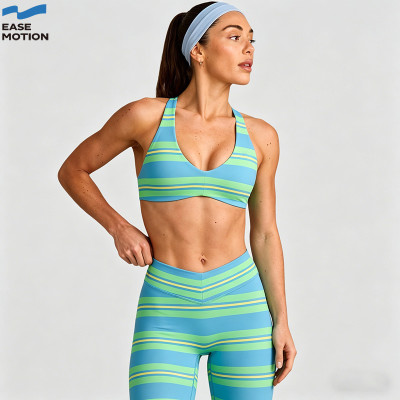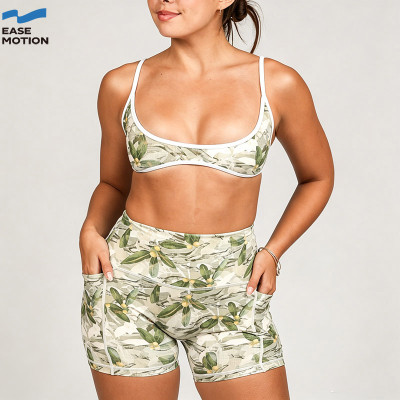
The Essential Guide to Choosing the Best Fabrics for Custom Sports Bras
The selection of appropriate fabrics is a cornerstone in the development of custom sports bras, directly influencing factors such as comfort, performance, and overall brand identity within the dynamic athleisure market. A comprehensive understanding of material science and its application in activewear enables brands to create superior products that genuinely enhance the wearer's experience and adeptly cater to diverse athletic requirements. Delving into the nuances of fabric technology, from moisture management to sustainable sourcing, is not just a technical detail—it's a strategic imperative for any brand looking to make its mark.
The Foundational Role of Performance in Choosing the Best Fabrics for Custom Sports Bras
Performance is the non-negotiable core of any successful sports bra. The fabric chosen is the first point of contact with the skin and the primary barrier against the physical stresses of a workout. It dictates how the garment feels, functions, and endures. A fabric that fails to deliver on key performance metrics will inevitably lead to a product that disappoints the end-user, regardless of its aesthetic appeal. Therefore, an analytical approach to fabric performance is the first and most critical step in the design journey.
Prioritizing Comfort, Support, and Durability in Fabric Selection
The trifecta of comfort, support, and durability forms the bedrock of an effective sports bra. These three pillars are intrinsically linked and heavily dependent on the chosen material. Comfort ensures the wearer can focus on their activity without distraction from chafing or excessive heat. Support is crucial for minimizing breast movement, which prevents pain and potential tissue damage. Durability guarantees that the garment maintains its supportive and comfort properties wash after wash, representing a worthwhile investment for the customer.
The Synergy of Stretch and Recovery: Spandex, Lycra, and Elastane Blends
The ability of a sports bra to provide a secure, body-hugging fit hinges on two critical fabric properties: stretch and recovery. Stretch allows for freedom of movement and makes the garment easy to put on, while recovery—the fabric's ability to snap back to its original shape—ensures the bra doesn't sag or lose support over time.
This dynamic duo is most powerfully delivered by elastomeric fibers. Though often used interchangeably, Spandex, Lycra, and Elastane all refer to the same type of polyurethane synthetic fiber. Spandex is the generic term common in North America, Elastane is the international standard, and Lycra is a specific brand name known for its high-quality production. This fiber is revolutionary because it can stretch up to five to eight times its original length and return to its initial form without deformation.
In practice, these fibers are rarely used alone. Instead, they are blended in small percentages (typically 5% to 25%) with base fabrics like polyester or nylon.
- Low percentages (5-10%) add comfort and a slight give, suitable for everyday wear.
- Higher percentages (15-25%) are essential for medium-to-high impact sports bras, delivering the robust compression and shape retention needed to control bounce effectively.
A fabric with excellent four-way stretch (stretching both crosswise and lengthwise) combined with high recovery is the gold standard for performance activewear, ensuring a supportive fit that moves like a second skin.
Mastering Moisture Management: Wicking and Quick-Drying Properties
Intense workouts inevitably lead to sweat. A fabric that cannot manage this moisture becomes heavy, clammy, and can cause significant discomfort and chafing. This is where moisture management becomes a non-negotiable feature. High-performance sports bra fabrics accomplish this through two related processes: wicking and quick-drying.
Moisture-wicking is the fabric's ability to pull perspiration away from the skin and transport it to the outer surface. This process, known as capillary action, relies on the structure of the fibers to create tiny channels that draw sweat outward. Synthetic fibers like polyester and nylon are "hydrophobic," meaning they naturally repel and do not absorb water, which makes them exceptionally efficient at wicking.
Quick-drying refers to how rapidly the fabric releases the wicked moisture into the air through evaporation. This prevents the garment from becoming saturated. A fabric that wicks but doesn't dry quickly will still feel wet and heavy. Polyester is a champion in this category, prized for its ability to dry fast, keeping the wearer cooler and more comfortable.
Together, these properties prevent the cold, sticky feeling of a sweat-soaked garment, reduce the risk of skin irritation, and even help with odor control since bacteria thrive in damp environments. This makes fabrics with strong moisture management essential for any activity that involves sweating.
Ensuring Optimal Breathability and Temperature Regulation
While often discussed alongside moisture management, breathability is a distinct and equally vital property. Breathability refers to a fabric's ability to allow air to circulate and water vapor (sweat) to pass through it. This airflow is crucial for effective temperature regulation.
A fabric can be moisture-wicking but not very breathable. If air cannot circulate, heat gets trapped against the skin, leading to a stuffy, overheated feeling even if the skin surface is dry. Optimal performance fabrics excel at both. They actively pull liquid sweat away and allow heat and vapor to escape, facilitating the body's natural cooling process.
Key factors influencing breathability include:
- Fiber Type: Synthetic fibers like polyester are inherently breathable. Some natural fibers, like merino wool, are also surprisingly effective.
- Knit or Weave Structure: The construction of the fabric plays a huge role. Looser, more open knits allow more air to pass through compared to dense, tightly woven structures.
- Mesh Panels: The strategic placement of mesh—a fabric with a very open knit—in high-heat zones like the back, center gore, and underarms is a common and highly effective design strategy to enhance ventilation.
By choosing fabrics that offer high breathability, brands can create sports bras that not only manage sweat but also help the wearer maintain a comfortable body temperature, preventing overheating during intense exertion.
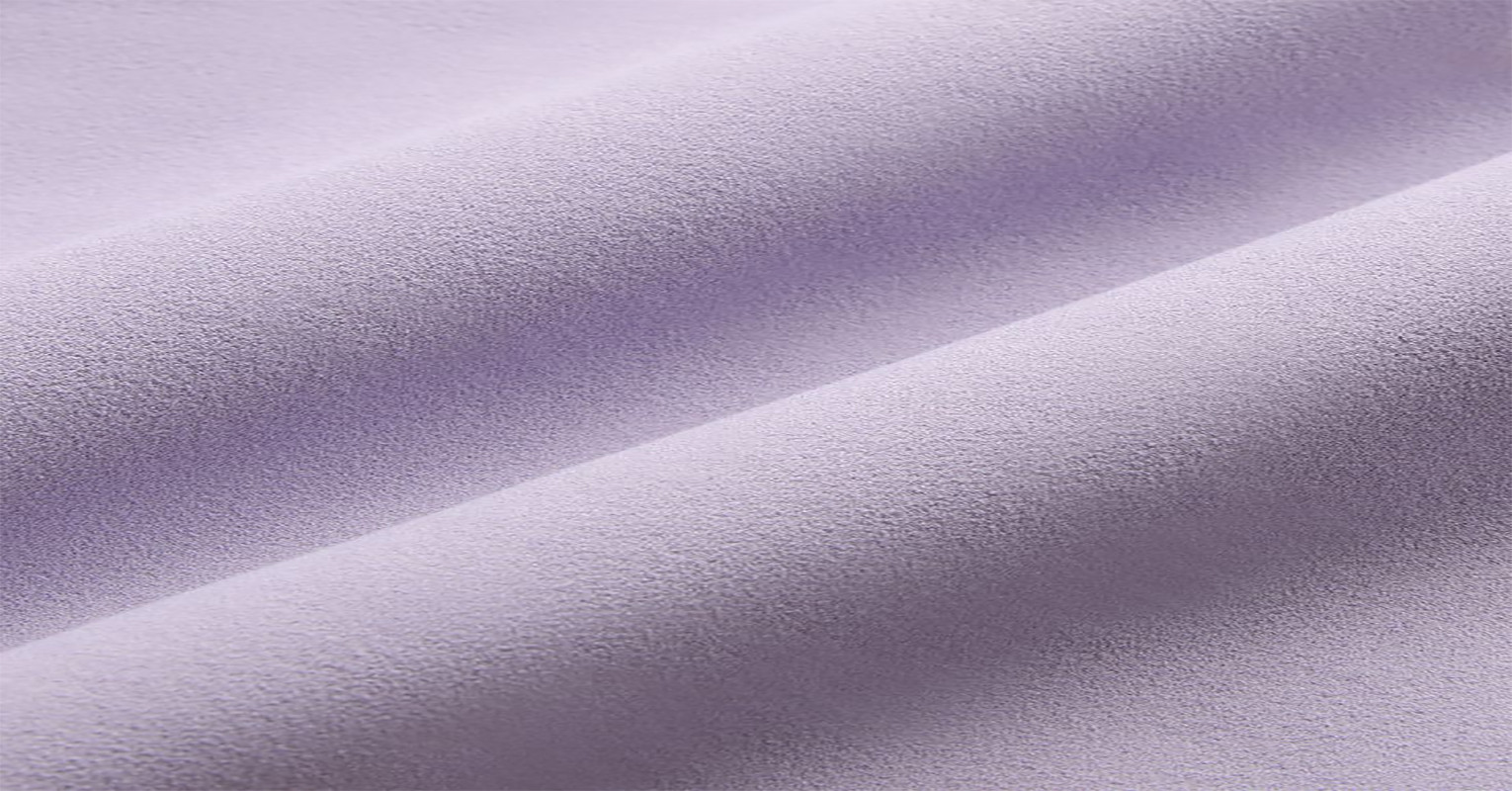
Tailoring Fabric Choices to Various Impact Levels and Activities
Not all workouts are created equal, and neither are sports bras. The intensity of an activity dictates the level of support required, and this directly influences the ideal fabric choice. A flimsy fabric won't suffice for a high-intensity run, just as an overly compressive material might be overkill for a gentle yoga class. Brands must align their fabric selection with the bra's intended use to meet consumer expectations for performance and comfort.
Low-Impact Bras: Emphasizing Freedom of Movement and Softness
For low-impact activities like yoga, Pilates, walking, or simply for comfortable daily wear, the focus shifts from intense compression to softness and flexibility. The primary goal is a garment that feels like a second skin, allowing for a full and unrestricted range of motion.
Key fabric characteristics for low-impact bras include:
- Soft Handfeel: Materials should feel gentle and luxurious against the skin to maximize comfort. Brushed surfaces and seamless constructions are popular for preventing any potential chafing.
- High Stretch: Four-way stretch is crucial for activities like yoga that involve deep bends and twists. The fabric must move with the body without resistance.
- Lightweight Construction: Heavy, rigid fabrics are unnecessary. Lighter materials with a lower GSM (grams per square meter), perhaps around 150-180, are often preferred.
- Breathability: While intense sweating may be less of a concern, good airflow is still important for overall comfort.
Fabric blends ideal for this category often include nylon/spandex for a smooth, sleek feel or even natural fiber blends like organic cotton/spandex or bamboo/spandex, which offer exceptional softness and appeal to eco-conscious consumers. For these low-sweat scenarios, the moisture-retaining properties of cotton are less of a drawback.
Medium-to-High Impact Bras: The Importance of Structure and Compression
As the intensity of an activity increases, so does the need for robust support to minimize bounce and prevent discomfort. For medium-impact activities like cycling or gym training and high-impact activities like running or HIIT, the fabric must provide both structure and compression.
Structure: This refers to the fabric's inherent firmness and ability to hold its shape. A higher fabric weight, measured in GSM (grams per square meter), typically translates to more structure. For medium-to-high impact bras, fabrics in the 220-320 GSM range are common. These heavier, denser knits (like interlock or warp knits) offer stability without being overly rigid.
Compression: This is the fabric's ability to apply a supportive "squeeze," holding breast tissue firmly against the chest to reduce movement. Compression is largely a function of the elastane (spandex) content. A blend with 15-25% spandex is considered ideal for providing the necessary compressive force and powerful recovery to maintain support throughout a workout.
Nylon-spandex blends are a gold standard for this category, prized for their superior strength, durability, and smooth feel. Polyester-spandex blends are also excellent, particularly for their exceptional moisture-wicking and quick-drying capabilities, making them perfect for high-sweat scenarios. The key is a dense, powerful knit that strikes the perfect balance between controlling movement and allowing the wearer to breathe and move comfortably.
Hot Yoga Specifics: Avoiding Cotton and Embracing Synthetics for Enhanced Performance
Hot yoga studios, with temperatures often soaring to 105°F (40°C) and high humidity, represent the ultimate test for activewear fabric. In this extreme environment, fabric choice is not just about comfort—it's about performance and safety.
The cardinal rule of hot yoga is to avoid cotton. While breathable in dry conditions, cotton is highly absorbent. In a hot, sweaty environment, a cotton sports bra acts like a sponge, soaking up moisture and becoming heavy, saturated, and clingy. This trapped moisture prevents the body from cooling down effectively, can lead to chafing, and creates a breeding ground for bacteria.
The clear winners for hot yoga are high-performance synthetics:
- Polyester and Nylon Blends: These fabrics are hydrophobic, meaning they excel at wicking sweat away from the skin to the outer surface where it can evaporate. This process is critical for thermoregulation in a heated room.
- High Spandex Content: A significant spandex percentage (15-25%) ensures four-way stretch, which is essential for the deep and dynamic poses in yoga. It allows for complete freedom of movement without the fabric sagging or losing its supportive shape when wet.
- Lightweight and Breathable Construction: The fabric must be lightweight and allow for maximum airflow to prevent overheating.
For hot yoga, a sports bra made from a high-quality, lightweight, moisture-wicking polyester/spandex or nylon/spandex blend is non-negotiable. It ensures the wearer stays as dry, cool, and comfortable as possible, allowing them to focus on their practice, not their wardrobe malfunction.
Exploring Diverse Material Innovations for the Best Fabrics for Custom Sports Bras
The world of textiles is in a constant state of evolution, with material science continuously pushing the boundaries of what's possible in activewear. Beyond the traditional workhorses, a new wave of innovative fabrics offers enhanced performance, a reduced environmental footprint, and "smart" features that genuinely elevate the user experience. For brands developing custom sports bras, exploring this diverse landscape is key to creating products that are not only effective but also aligned with modern consumer values.
Synthetic Pioneers: Leveraging the Strengths of Polyester and Nylon Blends
Synthetic fibers revolutionized the sportswear industry, and they remain the foundation of most high-performance garments for a reason. Polyester and nylon, when blended with elastane, offer an unparalleled combination of durability, function, and versatility. Their engineered properties are specifically designed to meet the rigorous demands of athletic activity, making them the go-to choice for brands focused on performance.
Polyester Jersey: Unpacking Durability, Wrinkle Resistance, and Print Versatility
Polyester is a workhorse in the activewear world, and polyester jersey is a particularly popular choice for sports bras. This knit fabric, especially when blended with spandex, provides a fantastic balance of performance features that make it a reliable and cost-effective option for many brands.
Durability and Resilience: Polyester fibers are exceptionally strong and resistant to abrasion, stretching, and shrinking. This means a polyester jersey sports bra can withstand the rigors of intense workouts and frequent washing without losing its shape or supportive qualities, offering excellent longevity.
Wrinkle Resistance and Easy Care: One of polyester's key practical advantages is its resistance to wrinkling. This, combined with its quick-drying nature, makes it a low-maintenance fabric that appeals to consumers with active, busy lifestyles.
Print Versatility: Polyester is the ideal canvas for sublimation printing. This digital printing technique uses heat to infuse dye directly into the fabric fibers. The result is stunningly vibrant, full-color designs that are permanent and will not crack, peel, or fade. Because the ink becomes part of the fabric itself, it doesn't compromise the material's breathability or moisture-wicking properties. This opens up unlimited possibilities for brands to create custom sports bras with unique, eye-catching graphics and patterns.
Polyester jersey's blend of strength, performance, and aesthetic flexibility makes it a cornerstone material for creating durable and visually appealing custom sports bras.
Nylon and Polyamide: Renowned for Exceptional Strength and Shape Retention
Often considered the premium choice in synthetic activewear, nylon—also known as polyamide—sets a high bar for performance, especially in garments like sports bras that demand resilience and a superior feel. While polyester is a versatile workhorse, nylon brings a unique combination of strength, softness, and elasticity that is hard to match.
Key attributes of nylon and polyamide blends include:
- Exceptional Strength and Durability: Nylon is renowned for its impressive tensile strength and high resistance to abrasion and tearing. This makes it an incredibly durable choice for activewear that undergoes frequent, high-intensity use and regular laundering. Garments made with nylon are built to last.
- Superior Shape Retention and Elastic Recovery: Perhaps nylon's most celebrated feature is its ability to stretch significantly and then snap back to its original form. This excellent elastic recovery ensures that a sports bra retains its compressive, supportive fit over time, resisting the sagging or bagging that can occur with lesser fabrics. When blended with spandex, this quality is enhanced, creating a fabric that moves with the body without ever losing its shape.
- Soft and Smooth Handfeel: Originally developed as a substitute for silk, nylon has a characteristically smooth, soft texture. This gives it a more luxurious feel against the skin compared to polyester, reducing the potential for friction and chafing during prolonged wear.
While often carrying a higher price point than polyester, the investment in nylon/polyamide fabrics pays dividends in performance, comfort, and longevity. It is the gold-standard material for brands looking to create high-end, high-support sports bras.
Eco-Conscious Comfort: Embracing Sustainable and Natural Alternatives
As consumer awareness of environmental and ethical issues grows, the demand for sustainable activewear has surged. Brands are no longer judged solely on performance but also on their commitment to the planet. This shift has spurred exciting innovations in eco-friendly fabrics, from recycled synthetics that divert waste from landfills to natural, plant-based fibers that offer a unique blend of comfort and conscience.
Recycled Polyesters and Nylons: Paving the Way for a Greener Choice
One of the most significant advancements in sustainable textiles is the rise of recycled synthetic fabrics. Recycled polyester (often called rPET) and recycled nylon offer a compelling way for brands to reduce their environmental footprint without sacrificing the high-performance qualities that consumers expect from activewear.
Recycled Polyester (rPET): This material is most commonly made from post-consumer plastic waste, such as clear water and soda bottles. The process involves collecting, cleaning, and shredding the plastic into flakes, which are then melted down and extruded into new, high-quality polyester fibers. The major environmental benefits are twofold: it diverts plastic from landfills and oceans and significantly reduces energy consumption—up to 59% less than virgin polyester production.
Recycled Nylon: Often sourced from post-industrial waste like fabric scraps and discarded fishing nets (a major source of ocean pollution), recycled nylon undergoes a more complex regeneration process. The result is a fiber that boasts the same strength, elasticity, and durability as virgin nylon. Brands like ECONYL® have pioneered this technology, creating a closed-loop system where nylon can be endlessly recycled without loss of quality.
Crucially, modern recycled synthetics deliver performance that is virtually indistinguishable from their virgin counterparts. They provide the same moisture-wicking, quick-drying, and durable properties essential for sports bras. To ensure authenticity and responsible production, brands should look for fabrics certified by the Global Recycled Standard (GRS). This voluntary international standard verifies the recycled content and tracks it from source to final product, while also ensuring compliance with strict environmental and social criteria. Choosing GRS-certified recycled fabrics allows a brand to tell a powerful and verifiable sustainability story.
Organic Cotton, Bamboo, and TENCEL™: Delivering Softness with a Conscience
For consumers who prioritize natural fibers and sustainability, there is a growing array of plant-based options that deliver exceptional comfort, particularly for low-to-medium impact activities.
Organic Cotton: A significant step up from its conventional counterpart, organic cotton is grown without harmful synthetic pesticides or fertilizers, making it kinder to the environment and safer for sensitive skin. While it still retains more moisture than synthetics, its superior breathability and softness make it a viable option for low-sweat activities like yoga or lounging when blended with spandex for stretch.
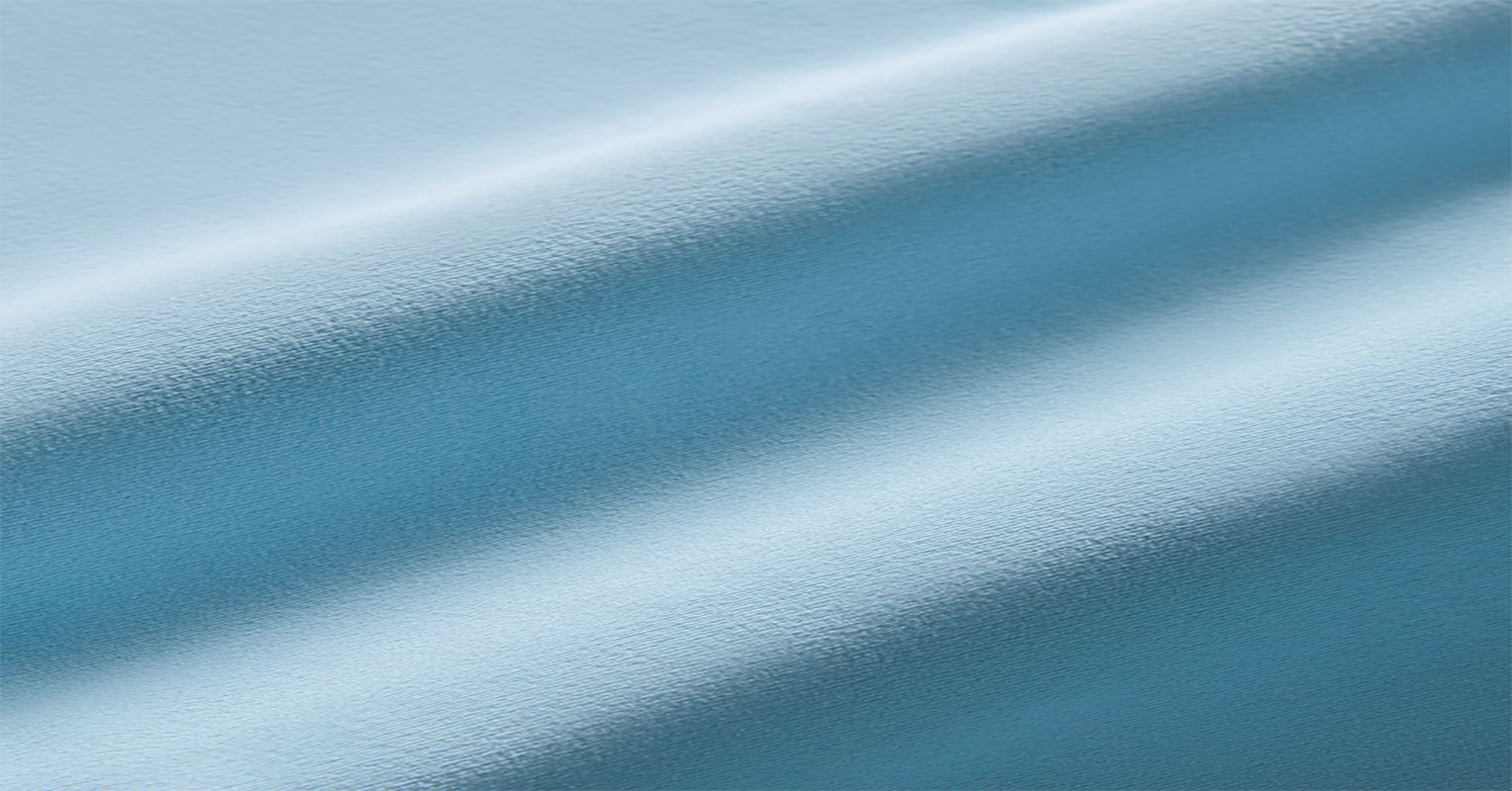
Bamboo: Fabric derived from bamboo is celebrated for its incredible softness, often compared to silk or cashmere. It is naturally hypoallergenic and has some moisture-wicking and antibacterial properties. As a raw material, bamboo is a highly renewable resource that grows quickly with minimal water and no pesticides. The resulting fabric is breathable and temperature-regulating, making it a comfortable choice for a range of activities.
TENCEL™ Lyocell: TENCEL™ is a branded lyocell fiber produced by the company Lenzing AG. It is derived from sustainably sourced wood pulp, primarily eucalyptus, and is manufactured in an award-winning closed-loop process that recycles over 99% of the water and solvents used. The fabric itself is a performance powerhouse:
- It has excellent moisture absorption and wicking capabilities, even more efficient than cotton.
- It is exceptionally soft and smooth, making it gentle on sensitive skin.
- The fiber's structure is naturally unfavorable for bacterial growth, which helps with odor resistance.
- It is strong, durable, and holds its shape well, making it suitable for activewear that needs to perform.
These natural and semi-synthetic fibers offer a compelling blend of eco-conscious production and luxurious comfort, providing excellent alternatives to purely petroleum-based fabrics.
Advanced Fabric Technologies: Harnessing Smart Textiles and Targeted Features
The frontier of fabric innovation extends beyond fiber composition to include specialized treatments and construction techniques. These "smart" technologies add targeted functionality to the base material, addressing specific consumer pain points like odor control and the need for zone-specific support. Integrating these features can significantly enhance a sports bra's performance and perceived value.
Integrating Antibacterial Properties and Effective Odor Control
The combination of sweat and warmth in activewear creates an ideal breeding ground for odor-causing bacteria. While moisture-wicking fabrics help by keeping the skin dry, antimicrobial technologies offer a more direct solution by actively inhibiting or eliminating the growth of these microbes. This keeps the garment smelling fresher for longer, a significant value-add for consumers.
The most common and effective methods involve treating the fabric with antimicrobial agents:
- Silver-Based Technologies: This is one of the most popular and proven methods. Fabrics are infused with silver ions (Ag+), either by coating the surface or embedding them directly into the fibers. When these ions come into contact with moisture (sweat), they are released and work to disrupt the cell walls of bacteria, effectively neutralizing them before they can multiply and produce odors. Brands like Polygiene and Silvadur are well-known providers of durable silver salt treatments.
- Zinc-Based Treatments: Similar to silver, zinc compounds can be applied to fabrics to provide broad-spectrum antimicrobial and antifungal properties, offering another effective route for odor control.
- Natural Alternatives: For brands leaning into natural stories, treatments derived from sources like cinnamon extract or certain minerals are emerging. These technologies aim to neutralize odors or inhibit bacterial growth using less conventional chemical processes.
Integrating a durable antimicrobial treatment, especially a silver-based one, into a sports bra fabric ensures it remains fresh through multiple wears, reducing the need for frequent washing and extending the product's lifespan.
Implementing Strategic Mesh Panels and Innovative Compression Zones
Sophisticated sports bra design goes beyond a single fabric type, employing intelligent construction to maximize both comfort and support. This is achieved by using different materials and structures in specific areas of the garment.
Strategic Mesh Panels: Mesh is a lightweight, open-knit fabric that offers superior airflow. Incorporating mesh panels into a sports bra design is a highly effective way to boost ventilation and accelerate cooling. By strategically placing these panels in high-sweat and high-heat zones, brands can significantly improve thermoregulation. Common and effective placement areas include:
- The center gore (between the breasts)
- Along the sides and under the arms
- Across the upper or entire back
Innovative Compression Zones: Not all parts of the torso require the same level of support. Advanced activewear utilizes the concept of targeted compression or "body mapping," where fabrics with different compressive strengths are used in different areas.
- High-Compression Zones: Firmer, more powerful fabrics can be used in areas that need maximum support to control bounce, such as in the cups or as an internal "sling."
- Lower-Compression/High-Stretch Zones: More flexible materials can be used in areas where freedom of movement is a priority, like around the rib cage or shoulders.
One key material for creating these supportive zones is power mesh. Unlike regular mesh used for ventilation, power mesh is a strong, dense knit (typically a nylon/spandex blend) that provides firm but breathable support. It is frequently used as an internal lining in the cups or wings of a bra to add structure and reinforcement without adding bulk. By combining solid compression fabrics with strategic power mesh and ventilation mesh panels, brands can engineer a sports bra that delivers nuanced, effective support where it's needed most while maximizing comfort and breathability.
Strategic Sourcing and Manufacturing of the Best Fabrics for Custom Sports Bras with easemotion
Selecting the perfect fabric is only half the battle; bringing a custom sports bra to life requires a robust and reliable supply chain. This involves forming a strong partnership with an expert manufacturer who not only understands fabric but also upholds stringent quality and ethical standards. Navigating the complexities of sourcing, from minimum order quantities to sustainability certifications, is a critical strategic step.
At easemotion, we provide a rich and diverse selection of fabrics tailored to meet the varied needs of sportswear brands, addressing performance, comfort, sustainability, and luxury. Whether you are developing yoga bras with different levels of support and intensity, we offer meticulously curated materials known for their soft, skin-friendly feel, high elasticity, moisture-wicking capabilities, supportive compression, breathability, and eco-friendly credentials. Our dedicated team is equipped to guide you through the selection process, recommending the most suitable fabric solutions based on your unique design requirements, market position, and target audience. We are also proud to offer a range of sustainable fabric choices to align with your brand's values.
Collaborating with Expert Manufacturers for Fabric Excellence
The relationship between a brand and its manufacturer is a partnership. A manufacturer isn't just a vendor; they are a crucial collaborator who brings a design vision into tangible reality. Their expertise in material science, construction techniques, and quality assurance is invaluable. Choosing a partner with deep experience in activewear is essential for achieving fabric excellence and creating a product that truly performs.
The Manufacturer's Pivotal Role in Material Selection and Performance Validation
An expert manufacturer is not just a facilitator but a gatekeeper of quality. Their role extends far beyond simply cutting and sewing.
A knowledgeable manufacturing partner will:
- Guide Material Selection: Based on the brand's design, target consumer, and price point, an experienced manufacturer can recommend specific fabrics from their network of trusted mills. They understand the nuanced differences between seemingly similar materials and can guide a brand to the optimal choice.
- Source and Vet Materials: They handle the procurement of fabric samples and bulk orders, ensuring the material that arrives is exactly what was specified.
- Conduct Performance Validation: This is a crucial step where the manufacturer's in-house lab or a third-party service tests the fabric against key performance indicators. Standard tests for sports bra fabrics include:
- Tensile and Tear Strength: Measures the fabric's durability and resistance to breaking under force.
- Stretch and Recovery: Assesses how well the fabric stretches and returns to its original shape.
- Moisture Management: Evaluates the fabric's wicking and quick-drying capabilities.
- Colorfastness: Checks the fabric's resistance to fading or bleeding from washing, sweat, and light exposure.
- Pilling Resistance: Simulates wear to see how an_d tear.
- Abrasion Resistance: Determines how well the fabric can withstand friction and wear.
By validating these properties before full-scale production begins, the manufacturer ensures the final product will perform as expected, preventing costly defects and maintaining the brand's reputation for quality.
Ensuring Rigorous Quality Control from Fiber to Final Product
A meticulous Quality Control (QC) process is not a single event but a continuous system that monitors a product at every stage of its creation. For a custom sports bra, this ensures that the final garment is not only free of defects but also meets the precise performance, fit, and aesthetic standards defined by the brand.
A comprehensive QC framework includes several key stages:
- Incoming Quality Control (IQC): The process begins before production. All raw materials—fabric rolls, elastics, threads, labels, and hardware—are inspected upon arrival. Fabric is checked for correct weight (GSM), color consistency against approved lab dips, and visible defects like stains or weaving faults.
- In-Process Quality Control (IPQC): Quality checks continue on the production line. "Roving" QC inspectors monitor the cutting and sewing stages in real-time. They verify that cut panels are accurate, stitch density is correct, seams are secure, and overall workmanship meets the approved standard. Catching an error at this stage is far more efficient than discovering it in thousands of finished units.
- Final Quality Control (FQC): Once a garment is fully assembled, pressed, and packed, a final inspection is performed. This is often done using a statistical sampling method like the Acceptable Quality Level (AQL) system, which determines how many units in a batch need to be inspected to ensure the entire lot meets the quality standard. This final check verifies measurements, appearance, labeling, and packaging before the order is approved for shipment.
This multi-stage approach, moving from raw fiber inspection to the final packed product, guarantees that every aspect of the sports bra aligns with the brand's specifications, building a reputation for consistency and excellence.
Navigating Sustainable Practices in Fabric Production
In today's market, sustainability is a powerful driver of consumer choice. Brands that demonstrate a genuine commitment to ethical and environmentally friendly practices build stronger connections with their audience. This means going beyond just using eco-friendly materials; it involves vetting the entire supply chain for responsible practices, from water usage and chemical management to fair labor conditions. This commitment to transparency and integrity is a cornerstone of a modern, trustworthy brand.
Understanding Key Certifications and Ethical Sourcing Standards (e.g., GRS, OEKO-TEX®)
Navigating the world of sustainability claims can be confusing. Third-party certifications are essential tools for verifying that a fabric meets specific, measurable standards. For brands creating custom sportswear, two of the most important certifications to understand are:
Global Recycled Standard (GRS): This is a comprehensive, international standard for products made with recycled content. To be GRS certified, a product must contain at least 20% recycled material, and to carry the GRS logo, that threshold rises to 50%. Critically, GRS goes beyond just verifying recycled content. It provides full chain-of-custody tracking, ensuring the material is traceable from its source to the final product. It also sets strict requirements for:
- Social Responsibility: Adherence to fair labor practices.
- Environmental Management: Auditing of water and energy use.
- Chemical Restrictions: Prohibiting the use of certain harmful chemicals in processing. GRS is the gold standard for proving that a recycled product is genuinely sustainable and responsibly made.
OEKO-TEX® STANDARD 100: This is a globally recognized label focused on human-ecological safety. It certifies that every component of a textile product—from the thread to the buttons and dyes—has been tested for a list of over 1,000 harmful substances. If a fabric carries the STANDARD 100 label, consumers can be confident that it is harmless to their health. This is particularly important for next-to-skin garments like sports bras. While OEKO-TEX® does not certify a fabric as "organic" or "recycled," it ensures the final product is free from harmful chemical residues.
These certifications are not interchangeable; they serve different but complementary purposes. GRS verifies recycled content and ethical production, while OEKO-TEX® verifies chemical safety. Sourcing fabrics that hold both certifications offers the strongest possible assurance of a product that is both sustainable and safe for the consumer.
easemotion's Commitment to Responsible Material Chains and Environmental Integrity
At easemotion, our commitment to environmental integrity is woven into the very fabric of our operations. We understand that a truly superior product is one that performs exceptionally without compromising the health of our planet. That is why we have dedicated ourselves to building responsible material chains and championing sustainable solutions for the activewear industry.
We actively partner with mills that prioritize green manufacturing processes and hold globally recognized certifications, including the Global Recycled Standard (GRS) and OEKO-TEX®. This ensures that the fabrics we offer not only meet the highest standards of performance and safety but are also produced with respect for environmental and social ethics. Our selection of recycled polyesters and nylons helps divert waste from landfills and oceans, while our range of plant-based textiles provides comfortable, biodegradable alternatives.
Our team is passionate about guiding our clients toward material choices that align with their brand's sustainability goals. We believe in transparency and work to provide clear documentation and traceability for our eco-conscious materials, empowering brands to tell a compelling and authentic story of environmental stewardship. By choosing to collaborate with easemotion, you are partnering with a manufacturer that is deeply invested in fostering a more sustainable future for fashion.
Practical Considerations for Efficient Fabric Acquisition
Beyond the technical and sustainable properties of a fabric, brands must also navigate the practical realities of sourcing. The business side of fabric acquisition involves understanding key logistical and financial parameters set by manufacturers and mills. Effectively managing these elements is crucial for maintaining production timelines, controlling costs, and achieving the desired level of product uniqueness.
Understanding Minimum Order Quantities (MOQs) and Managing Lead Times Effectively
Two of the most important concepts for brands to grasp are Minimum Order Quantities (MOQs) and lead times.
Minimum Order Quantity (MOQ) is the smallest amount of fabric a mill or manufacturer is willing to produce or sell in a single order. MOQs exist because there are significant fixed costs associated with setting up production, whether it's dyeing a specific color or knitting a particular fabric blend. Producing in larger batches allows these costs to be distributed, making the per-unit price economically viable.
For custom sports bras, you will encounter two main types of MOQs:
- Fabric MOQ: Set by the textile mill, this is the minimum amount of a specific fabric they will produce, often measured in kilograms or meters. This is a primary driver of the overall production quantity.
- Garment MOQ: Set by the clothing factory, this is the minimum number of finished units they require to run a production line efficiently.
For small or startup brands, high MOQs can be a significant barrier. Strategies to manage this include choosing fabrics from a manufacturer's existing stock, using a single versatile fabric across multiple styles in a collection, or partnering with a manufacturer that specializes in low-MOQ production.
Lead Time is the total time elapsed from placing an order to receiving the finished goods. This timeline includes fabric sourcing, sample development and approval, bulk production, quality control, and shipping. Lead times can range from a few weeks to several months, depending on factors like fabric availability (in-stock vs. custom-milled), production complexity, and shipping logistics (air vs. sea).
Effective lead time management requires:
- Clear Communication: Providing detailed tech packs and making quick, decisive approvals on samples.
- Strategic Planning: Sourcing materials early and understanding the production calendar, including potential holidays.
- Strong Supplier Relationships: Building a good rapport with your manufacturer can sometimes lead to prioritized orders.
By understanding and planning for MOQs and lead times, brands can create a more predictable, efficient, and financially sound production schedule.
Leveraging Customization Capabilities for Colors, Prints, and Technical Specifications
Partnering with a capable manufacturer unlocks a world of customization, allowing brands to create truly unique products that stand out in a crowded market. This goes far beyond just the cut and sew of the garment; it extends to the very DNA of the fabric itself.
Custom Colors and Dyeing: A unique color palette is a powerful branding tool. Manufacturers can facilitate custom color development through a process called "lab dipping," where they dye small swatches of the chosen fabric to match a brand's specific Pantone color codes. Once the color is approved, they manage the bulk dyeing of the fabric. Key dyeing methods for sportswear include:
- Disperse Dyeing: The industry standard for polyester, where dye penetrates the synthetic fibers for excellent colorfastness against sweat and washing.
- Reactive Dyeing: Used for natural fibers like cotton, this method forms a strong chemical bond between the dye and the fabric, resulting in deep, vibrant, and durable colors.
- Solution Dyeing: A highly sustainable method where color pigment is added to the synthetic polymer before it's extruded into fiber. This creates exceptional, long-lasting color that won't fade.
Custom Prints and Graphics: Prints offer another layer of brand identity. The most effective method for technical sportswear fabrics is sublimation printing. This process works best on polyester and involves using heat to transfer ink from special paper directly into the fabric fibers.
- Benefits: Sublimation produces incredibly vibrant, detailed, and photorealistic prints that are permanent. Because the ink becomes part of the fabric, it doesn't crack, peel, or add a stiff layer, and it doesn't compromise the fabric's moisture-wicking or breathable properties.
Custom Technical Specifications: Beyond aesthetics, brands can work with manufacturers to customize the technical aspects of their fabric. This can involve:
- Developing a specific blend of fibers (e.g., a unique ratio of nylon to spandex).
- Requesting a specific fabric weight (GSM) or knit structure to achieve a desired level of compression and support.
- Applying special finishes, such as a durable water repellent (DWR) coating, an advanced antibacterial treatment, or a cooling finish.
By leveraging these customization capabilities, brands can move beyond off-the-shelf solutions and engineer a fabric that is perfectly tailored to their product's performance goals and brand vision.
Market Trends and Consumer Demands Shaping the Best Fabrics for Custom Sports Bras
The activewear landscape is not static; it's a dynamic and rapidly evolving market shaped by shifting consumer lifestyles, values, and expectations. To create custom sports bras that resonate, brands must look beyond the technical specifications of fabrics and tune into the broader cultural trends that influence purchasing decisions. Today's consumer is looking for more than just a functional garment; they want products that seamlessly integrate performance, style, and purpose.
The Continuing Rise of Athleisure and Hybrid Activewear
The line between the gym and the street has all but disappeared. Athleisure is no longer a niche trend but a dominant force in the fashion industry, reflecting a fundamental shift in how people dress, work, and live. This has created a demand for hybrid activewear—garments that deliver high-performance functionality during a workout but are stylish and comfortable enough for all-day wear. For sports bras, this means fabric choices must satisfy both athletic needs and aesthetic desires.
Blurring the Lines: The Convergence of Fashion, Function, and Lifestyle Appeal
The athleisure trend is essentially the convergence of three distinct domains: fashion, function, and lifestyle. Today’s consumer expects a sports bra to be a versatile, multi-purpose garment. They want a piece that can provide reliable support during a spin class but is also stylish enough to be worn under a blazer or as a standalone top for a casual outing.
This cultural shift has profound implications for fabric selection:
- Aesthetic and Tactile Qualities Matter More: Fabrics are no longer chosen on performance metrics alone. The "handfeel" (how it feels to the touch), luster, and drape are equally important. Materials with a soft, luxurious texture that look as good as they feel are in high demand.
- Functionality is Still Key: While style is crucial, the garment must still perform. This means fabrics must continue to offer excellent moisture management, breathability, and stretch-and-recovery properties. The challenge for brands is to find materials that don't compromise function for the sake of fashion.
- Versatility Drives Design: The rise of athleisure reflects a desire for a more simplified, adaptable wardrobe. Consumers want pieces that fit their dynamic, modern lifestyles. A sports bra that can seamlessly transition from the gym to the grocery store or a coffee meeting holds immense appeal. This has led to the popularity of longline sports bras and styles that can easily double as crop tops.
This trend forces brands to think holistically. The ideal fabric for a modern, custom sports bra is one that embodies this hybrid identity—offering the technical prowess of activewear with the sophisticated aesthetic of ready-to-wear fashion.
Responding to Consumer Desires for Personalization and Style Integration
In an age of individuality, the "one-size-fits-all" mentality is fading. Today's consumers, particularly in the fashion-forward activewear space, crave products that reflect their personal style and meet their unique needs. This has fueled a powerful trend toward personalization and deep style integration in sportswear. A custom sports bra is no longer just about adding a logo; it's about offering a canvas for self-expression.
Brands are responding to this demand in several innovative ways:
- Aesthetic Customization: Online design tools now empower consumers to become co-creators. They can choose from a wide array of colors, apply bold graphics, select unique patterns, and even add personalized text or monograms. This move towards customizable sportswear transforms a functional item into a personal style statement.
- Functional Personalization: Customization extends beyond visuals. Brands are offering options to tailor the functional aspects of a sports bra. This can include choosing between different strap styles (e.g., racerback, criss-cross), selecting a preferred level of padding, or even opting for specific fabric features like enhanced compression or a softer lining.
- Modular and Coordinated Styles: The "gym-to-street" lifestyle has popularized coordinated sets. Sports bras are designed to be part of a complete look, often matching leggings, shorts, or jackets. This encourages consumers to build a versatile activewear wardrobe where pieces can be mixed and matched, further enhancing personalization and style integration.
By embracing this trend, brands can forge a deeper connection with their audience. Offering a personalized experience makes customers feel seen and valued, turning a simple purchase into a creative and engaging interaction that builds lasting brand loyalty.
The Imperative of Purpose-Driven Product Development
Modern consumers are more informed and discerning than ever before. They are increasingly making purchasing decisions that go beyond price and style, aligning themselves with brands that share their values. This has made "purpose-driven" product development a critical component of a successful business strategy. For sports bra brands, this means creating products that are not only innovative and high-performing but also produced in a way that is ethically sound and environmentally responsible.
Meeting the Growing Demand for Performance-Driven Innovation in Activewear
While the athleisure trend calls for style, the core fitness consumer continues to demand real, measurable performance from their activewear. This has created an arms race among brands to integrate the latest fabric technologies and design innovations. Consumers are increasingly educated about material science and are actively looking for products that offer a tangible performance edge.
This demand manifests in several key areas:
- Advanced Material Science: The market is ripe for fabrics that do more. This includes materials with enhanced moisture management, superior temperature regulation (like phase-change materials that cool the skin), and exceptional durability. Consumers are willing to invest in premium apparel if it delivers on its performance promises.
- Smart Fabrics and Wearable Tech: The integration of technology directly into textiles is a major frontier. This ranges from biometric tracking—with conductive fibers that monitor heart rate or muscle activity—to adaptive fabrics that might change compression levels in response to body temperature. While still an emerging category, the demand for data-driven fitness solutions is pushing brands to explore these "intelligent" materials.
- Engineered Construction: Innovation isn't just about the fabric itself but how it's used. Consumers are responding to products that feature sophisticated design elements like body-mapped ventilation zones and targeted compression, which demonstrate a deep understanding of an athlete's needs.
For brands, meeting this demand requires a commitment to research and development. It means moving beyond basic fabric blends and exploring cutting-edge materials and construction techniques that offer a clear and marketable performance benefit.
Catering to the Sustainable Mindset: Selecting Fabrics that Align with Core Values
Sustainability is no longer a niche concern; it is a core value for a significant and growing segment of the consumer population, especially among Millennial and Gen Z shoppers. These consumers actively seek out brands that demonstrate a genuine commitment to environmental and social responsibility. For them, a purchase is a vote for the world they want to live in, and they are increasingly willing to pay a premium for products that align with their ethical principles.
This "sustainable mindset" impacts fabric selection directly:
- Demand for Eco-Friendly Materials: There is a clear market preference for activewear made from sustainable materials like recycled polyester, regenerated nylon (e.g., ECONYL®), organic cotton, bamboo, and TENCEL™. Using these fabrics allows a brand to tell a powerful story about reducing waste, conserving resources, and protecting ecosystems.
- Transparency is Key: Consumers are wary of "greenwashing" (misleading environmental claims). They demand transparency and proof. This is where third-party certifications like the Global Recycled Standard (GRS) become invaluable. A GRS certification provides verifiable, transparent proof of a fabric's recycled content and its journey through a responsible supply chain.
- Quality and Durability as Sustainability: The sustainable mindset also encompasses a move away from fast, disposable fashion. Consumers see durable, high-quality garments that last for years as an inherently sustainable choice because it reduces consumption and waste.
For a custom sports bra brand, selecting fabrics that are not only high-performing but also verifiably sustainable is a strategic imperative. It demonstrates that the brand's core values are in sync with its target audience, fostering a deeper sense of trust and loyalty.
Key Takeaways
Choosing the best fabrics for custom sports bras is a multilayered decision that profoundly influences a product's performance, comfort, market appeal, and brand identity. Success in this competitive space requires a holistic approach that balances material science with market trends and consumer values. Here are the essential takeaways for any brand embarking on this journey:
Performance is Paramount: The technical qualities of a fabric form the foundation of a successful sports bra. Prioritize materials that excel in four key areas:
- Stretch and Recovery: A high percentage of elastane (like Spandex or Lycra), typically 15-25% for medium-to-high impact activities, is crucial. This provides the necessary four-way stretch for freedom of movement and, more importantly, the "snap-back" recovery that ensures the bra maintains its supportive shape without sagging over time.
- Moisture Management: For any activity involving sweat, moisture-wicking and quick-drying properties are non-negotiable. Hydrophobic synthetic fibers like polyester and nylon are champions here, pulling perspiration away from the skin and allowing it to evaporate quickly. This prevents the clammy, heavy feeling of a saturated garment and reduces chafing.
- Breathability and Temperature Regulation: A fabric must allow air to circulate to prevent overheating. Look for lightweight constructions and consider the strategic use of mesh panels in high-heat zones like the back and underbust to enhance ventilation and keep the wearer cool.
- Durability: The fabric must be resilient enough to withstand repeated stretching, intense activity, and frequent washing. High-quality polyester and nylon blends are known for their excellent durability, abrasion resistance, and colorfastness, ensuring the garment remains a long-lasting, valuable piece of activewear.
Tailor Fabric to Activity Level: There is no single "best" fabric for all sports bras. The choice must be aligned with the intended impact level:
- Low Impact (Yoga, Pilates): Prioritize softness, flexibility, and a lightweight feel. Nylon blends, brushed fabrics, and even natural fibers like organic cotton or bamboo blends work well here, as extreme compression is less important than comfort and freedom of movement.
- Medium-to-High Impact (Running, HIIT): Focus on structure and compression. This requires heavier, denser knits (220-320 GSM) with a high spandex content. Robust polyester and nylon blends provide the necessary power to control bounce and provide unwavering support.
- Hot Environments (Hot Yoga): Emphatically avoid cotton. Opt for lightweight, supreme moisture-wicking synthetics like polyester/spandex blends that can handle extreme sweat and heat without becoming heavy or losing shape.
Embrace Innovation and Sustainability: The modern consumer is savvy and values-driven. A successful brand must cater to these evolving expectations.
- Material Innovation: Go beyond basic blends. Explore advanced technologies like antimicrobial treatments (e.g., silver ions) for odor control, or smart constructions like targeted compression zones and body-mapped ventilation panels.
- Sustainable Sourcing: This is no longer a niche—it's a core expectation. Actively choose eco-friendly alternatives like recycled polyester (rPET) and recycled nylon. Prioritize materials with credible, third-party certifications like the Global Recycled Standard (GRS) to verify recycled content and ethical production, and OEKO-TEX® STANDARD 100 to ensure the final product is free from harmful substances.
- Customization is King: Leverage your manufacturing partnership to create unique products. This includes developing custom brand colors through lab dipping, creating vibrant, permanent designs with sublimation printing, and engineering fabrics with specific technical finishes.
By thoughtfully integrating these principles, brands can develop custom sports bras that not only perform at the highest level but also tell a compelling story of quality, innovation, and purpose.
Frequently Asked Questions (FAQ)
Q1: What is the main difference between Polyester and Nylon for sports bras?
While both polyester and nylon are excellent synthetic choices for sports bras, they have distinct characteristics. Polyester is the champion of moisture management; its hydrophobic fibers repel water, making it exceptionally quick-to-dry and effective at wicking sweat. This makes it ideal for high-sweat activities like running or HIIT. It also holds dye exceptionally well, making it perfect for vibrant sublimation prints. Nylon (also called polyamide) is renowned for its superior softness, smooth "handfeel," and incredible durability and abrasion resistance. It has excellent stretch and recovery, providing a premium, second-skin feel with strong, reliable support. Generally, polyester is more cost-effective, while nylon is considered a more premium and durable option.
Q2: Why is cotton generally not recommended for active sports bras?
Cotton has one major drawback for activewear: it's highly absorbent. When you sweat, cotton fabric acts like a sponge, soaking up and holding onto moisture. This makes the garment heavy, clammy, and slow to dry. The trapped moisture can lead to significant discomfort, painful chafing, and a cold feeling post-workout. Furthermore, a wet cotton bra can stretch out and lose its supportive shape. While cotton blends can be suitable for very low-impact, low-sweat activities like gentle stretching or lounging, it should be avoided for anything that will generate significant perspiration.
Q3: What does GSM mean and why is it important for sports bra fabric?
GSM stands for "Grams per Square Meter." It is a standard unit of measurement for the weight and density of a fabric. A higher GSM indicates a thicker, heavier, and more dense fabric, while a lower GSM indicates a lighter-weight material. GSM is critical in sports bra design because it directly correlates with support and opacity.
- High-Impact Bras: Typically require fabrics with a higher GSM (e.g., 250-320 GSM) to provide the necessary structure and compressive support to control bounce.
- Low-Impact Bras: Can use fabrics with a lower GSM (e.g., 150-220 GSM) for a softer, more flexible feel where intense compression isn't needed.
Q4: Are recycled fabrics like rPET as good as virgin polyester?
Yes. Modern recycling and manufacturing technologies have advanced to the point where high-quality recycled polyester (rPET) and recycled nylon perform virtually identically to their virgin counterparts. They offer the same levels of durability, stretch, moisture-wicking capability, and colorfastness. The primary difference is the source of the raw material. Recycled fabrics utilize post-consumer waste (like plastic bottles) or post-industrial waste (like fishing nets), diverting it from landfills and oceans and using significantly less energy and water in the production process. Choosing fabrics with GRS (Global Recycled Standard) certification ensures the recycled content is verified and produced responsibly.
Q5: What is the difference between breathability and moisture-wicking?
Though related, they are two distinct functions. Moisture-wicking is the ability of a fabric to pull liquid sweat away from your skin to the outer surface of the garment. It's about moving moisture. Breathability is the ability of a fabric to allow air and water vapor (the gaseous form of sweat) to pass through it. A fabric can wick moisture well but still feel stuffy if it's not breathable. For optimal comfort, a sports bra fabric must do both: wick sweat off the skin and allow air to circulate to help that sweat evaporate and regulate body temperature.
Q6: What is a "power mesh" and how is it used in sports bras?
Power mesh is a specific type of mesh fabric that is distinct from the lighter, more open mesh used for ventilation. It is a firm, strong, and stretchy knit—typically a blend of nylon and spandex—engineered to provide support and compression. Unlike ventilation mesh, its holes are much smaller and denser. In sports bra construction, power mesh is a "secret weapon" used as an internal lining or an integrated panel. It adds robust support and stability to key areas (like the cups or side wings) to help control bounce without adding the bulk or heat of another solid fabric layer. It offers the perfect combination of breathable structure.
Conclusion
Successfully selecting the optimal fabrics for custom sports bras is a multifaceted strategic decision that profoundly impacts product efficacy, brand reputation, and ultimate consumer satisfaction. It is a delicate balance of science and style, where technical performance must seamlessly merge with aesthetic appeal and conscious values. The journey from a basic concept to a market-leading product is paved with meticulous choices—from the percentage of spandex that dictates support to the adoption of recycled fibers that speaks to a brand's integrity.
By meticulously evaluating material performance characteristics, committing to sustainable practices through certified fabrics, and collaborating with knowledgeable manufacturing partners like easemotion, brands are empowered to craft sports bras that truly excel. These are the products that not only provide unwavering support during the most intense workouts but also integrate flawlessly into the modern consumer's lifestyle. In a highly competitive market, it is this thoughtful, purpose-driven approach to fabric selection and manufacturing that enables brands to create sports bras that differentiate themselves, build lasting customer loyalty, and ultimately, win. We encourage you to share this guide and continue the conversation on what makes a truly exceptional piece of activewear.