The Ultimate Guide to OEM Yoga Wear Manufacturing: From Concept to Collection
Your Brand, Your Vision: The Ultimate Guide to OEM Yoga Wear Manufacturing
The global yoga apparel market is experiencing explosive growth, with projections showing a significant expansion in the coming years. This boom is fueled by a worldwide focus on wellness and the rise of athleisure. For entrepreneurs and established brands, this presents a golden opportunity to launch a private label yoga wear line. But where do you begin? The answer lies in finding the right Original Equipment Manufacturer (OEM).
An OEM partner is the backbone of your brand, transforming your unique designs into tangible, high-quality garments. Unlike other manufacturing models, OEM gives you complete creative control, allowing you to build a collection that is 100% yours. This guide provides a comprehensive roadmap for navigating the OEM yoga wear manufacturing process, from initial concept to final delivery.

H2: Understanding the Difference: OEM vs. ODM
Before diving in, it's crucial to understand the key manufacturing models. While often used interchangeably, OEM and ODM serve different purposes.
- OEM (Original Equipment Manufacturer): You provide the detailed designs, tech packs, and specifications. The factory produces the garments according to your exact requirements. This model offers full control and brand exclusivity.
- ODM (Original Design Manufacturer): The factory offers pre-designed products that you can brand with your logo. This route is faster and requires less design input but offers limited uniqueness.
For brands committed to a unique vision and building a distinct market identity, OEM is the definitive choice. It empowers you to control every aspect of the final product, from fabric composition to stitching details.
H2: Step 1: Laying the Foundation with a Technical Pack (Tech Pack)
Every successful production run begins with a detailed tech pack. This document is the blueprint your manufacturer will use to bring your vision to life. A comprehensive tech pack prevents guesswork and ensures accuracy.
Key components include:
- Technical Sketches: Flat drawings of the garment from all angles.
- Measurement Specs & Grading: Detailed sizing information for your entire range.
- Fabric Details: Composition (e.g., 80% Nylon, 20% Spandex), weight (GSM), and color codes.
- Construction Details: Instructions on stitching types (like flatlock seams), seam placement, and other techniques.
- Branding Elements: Placement and specifications for logos, labels, and hangtags.
H2: Step 2: Sourcing the Right Fabrics and Materials
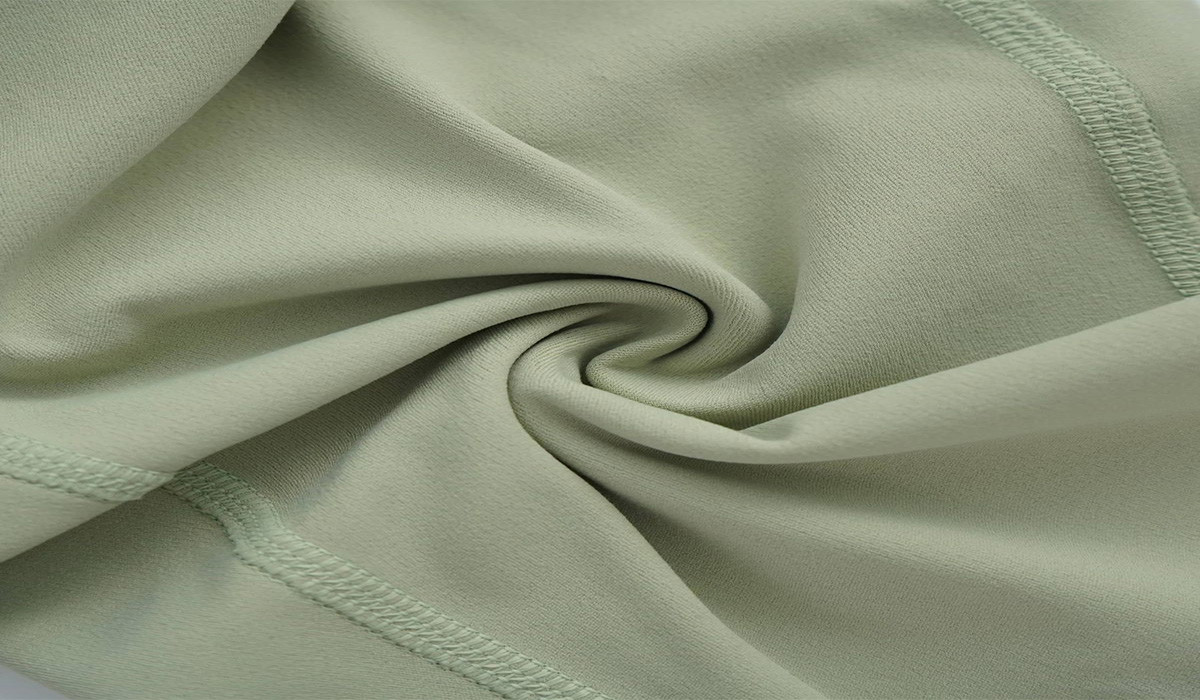
Fabric is the heart of yoga wear; it defines the garment's performance, feel, and durability. A top-tier OEM partner should offer a wide range of innovative and high-performance fabrics.
- Performance Synthetics: Nylon and polyester blends with spandex (Lycra) are staples due to their durability, moisture-wicking properties, and four-way stretch. These are essential for high-intensity yoga.
- Sustainable Options: As consumers become more eco-conscious, offering fabrics like recycled polyester, organic cotton, or bamboo can be a significant brand differentiator. Seek manufacturers with certifications like GOTS (Global Organic Textile Standard) or the Global Recycled Standard.
- Fabric Testing: Ensure the fabric is tested for key performance indicators such as colorfastness, shrinkage, and 'squat-proof' opacity.
H2: Step 3: The Crucial Sampling and Prototyping Phase
Never commit to bulk production without first approving a sample. This stage is your opportunity to test the fit, feel, and construction of your design. The process typically involves:
- Initial Prototype: The first physical version of your design.
- Fit Sample: Worn by a fit model to check measurements, movement, and comfort.
- Revised Samples: Adjustments are made based on your feedback until the garment is perfect.
Clear communication during this phase is vital. A good manufacturing partner will welcome feedback and work collaboratively to perfect the product.
H2: Step 4: From Cutting to Sewing – The Production Process
Once the final sample is approved, bulk production begins. This involves several meticulous stages:
- Fabric Relaxation & Inspection: Fabric is unrolled and allowed to rest to prevent shrinkage after cutting. It's also inspected for defects.
- Cutting: Using your patterns, the fabric is cut into pieces. Advanced factories use automated cutting machines for precision.
- Sewing & Assembly: Skilled workers stitch the pieces together. For yoga wear, specialized techniques like flatlock seams are used to prevent chafing and enhance durability.
- Finishing & Branding: Logos, care labels, and hangtags are attached.
H2: Step 5: Ensuring Excellence with Quality Control (QC)
Rigorous quality control separates reliable manufacturers from the rest. QC checks should happen at multiple stages, but a final inspection is critical before the garments are packaged. Most factories use an AQL (Acceptable Quality Limit) standard to check a random sample of the production run for:
- Measurement Consistency: Ensuring all garments match the graded specs.
- Stitching Quality: Checking for loose threads or weak seams.
- Color & Fabric Consistency: Verifying that there are no shade variations.
- Defect-Free Finish: Inspecting for any flaws in the fabric or construction.
H2: Step 6: Evaluating Ethical and Sustainable Practices
Today’s consumers care about where their clothes come from. Partnering with a factory that prioritizes ethical labor and sustainable production reflects well on your brand. Look for manufacturers with certifications such as:
- WRAP (Worldwide Responsible Accredited Production): Ensures fair labor practices and safe working conditions.
- OEKO-TEX: Certifies that fabrics are free from harmful substances.
- Bluesign: Guarantees environmentally friendly and safe production processes.
Transparency in the supply chain is a powerful indicator of a trustworthy partner.
H2: Step 7: Understanding MOQs and Cost Factors
Minimum Order Quantity (MOQ) is the smallest number of units a factory is willing to produce per style or color. For startups, finding a manufacturer with a low MOQ (e.g., 100-500 pieces) is often a priority.
Several factors influence the final cost:
- Fabric Choice: Premium and sustainable fabrics typically cost more.
- Design Complexity: Intricate designs with more panels or specialized seams require more labor.
- Order Volume: Larger orders generally result in a lower cost per unit.
H2: Step 8: Packaging and Logistics
The final step is getting your products ready for your customers. Most OEM manufacturers offer comprehensive packaging solutions, from basic poly bags to custom-branded, eco-friendly packaging. They will also manage the logistics of shipping your finished collection to your warehouse, ensuring it arrives safely and on time.
H2: Choosing a Long-Term Partner, Not Just a Supplier
Selecting an OEM manufacturer is one of the most important decisions you'll make. View it as a long-term partnership rather than a one-time transaction. A great partner will be communicative, transparent, and invested in your brand's success. They will provide expert guidance, troubleshoot challenges, and deliver a final product that both you and your customers will love.
By following these steps and conducting thorough due diligence, you can build a strong manufacturing foundation and launch a yoga wear brand that thrives in a competitive market.