What Is the Difference Between Easemotion and Traditional Yoga Apparel Factories?
The yoga apparel industry is shifting. As boutique studios, independent instructors, and conscious brands emerge, the demand for agile, transparent, and high-performance manufacturing has never been stronger. Yet, most traditional factories still operate like they did two decades ago: rigid, impersonal, and built for bulk. This is where Easemotion enters as a breath of fresh air.
In this article, we'll dissect the key differences between Easemotion and conventional yoga wear manufacturers — and why forward-thinking yoga brands are making the switch.
1. Minimum Order Quantity & Production Flexibility
Traditional factories: They thrive on massive production runs. MOQs often start at 500 or 1,000 pieces per style per color. For a new yoga brand testing the market, this means heavy upfront investment and deadstock risk.
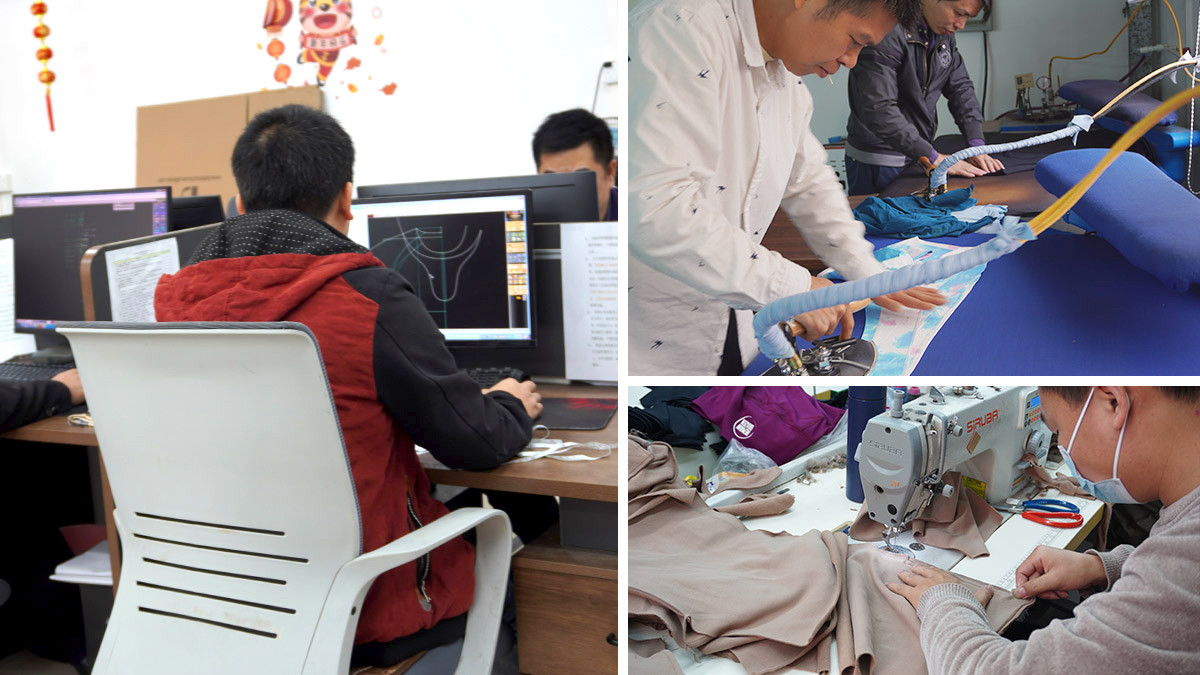
Easemotion: We built our production model around the needs of emerging and mid-sized yoga labels. Our MOQs start as low as 100 pieces per design, with the ability to mix colors and sizes. This allows you to launch a capsule collection without overcommitting. We use lean manufacturing and digital pattern tracking to switch between small batches without sacrificing cost-efficiency.
At Easemotion, we believe your energy should flow into building your brand, not into warehouses full of unsold inventory.
2. Fabric & Material Innovation
Traditional factories: Standard cotton, basic polyester blends, and generic spandex are the norm. Moisture-wicking, antimicrobial, or recycled yarns are often afterthoughts requiring complex sourcing and heavy upcharges. Transparency about chemical use is rare.
Easemotion: We are a fabric-first company. Our in-house R&D team specializes in yoga-specific textiles:
- Four-way stretch buttery-soft fabrics with optimal compression and recovery.
- Moisture-management and odor-control finishes engineered for hot yoga and vinyasa.
- Recycled nylon, recycled polyester, and biodegradable options backed by GRS (Global Recycled Standard) and OEKO-TEX® certifications.
- Naturally dyed and organic cotton blends for the growing slow-fashion yoga niche.
Every fabric we offer is pre-tested for pilling, shrinkage, and colorfastness. We proactively present seasonal fabric innovation kits to our brand partners — something traditional mills rarely do.
3. Customization & Design Collaboration
Traditional factories: Most operate as OEMs — you send a completed tech pack, they execute. Design input is minimal, and any alteration triggers long email chains, sampling delays, and price renegotiations. Smaller brands often feel like an afterthought.
Easemotion: We see ourselves as your extended design team. Our process includes:
- Free design consultation to translate a sketch or mood board into production-ready specs.
- Digital 3D sampling so you can see how the garment drapes and fits before cutting a physical sample.
- Custom print sublimation, laser-cut details, and unique seam-sealing that give your brand an unmistakable identity.
- A dedicated product developer assigned to your account — from first sketch through final shipment.
“Easemotion not only made my designs reality, but the team suggested a crotch gusset reinforcement technique that doubled the durability. That’s expertise I never got from my previous factory.”
— A yoga teacher launching her own chakra-inspired line
4. Transparency, Sustainability & Ethical Production
Traditional factories: Opaque supply chains are standard. You often have no idea where the fabric was spun, who dyed it, or under what conditions the garment workers operate. Greenwashing is rampant.
Easemotion: We own and operate our ISO-certified production facility under strict BSCI and SMETA social compliance audits. We openly share:
- Our factory address and virtual tour.
- Certifications for each fabric batch.
- Documentation of waste reduction (we recycle over 92% of fabric scraps into accessories or insulation).
- Carbon-neutral shipping partnerships for DDP solutions.
This transparency helps our partners build trust with their own end-customers, a pivotal EEAT advantage when selling online through platforms that value authentic storytelling.
5. Communication, Speed & Global Logistics
Traditional factories: Time zones, language barriers, and slow email responses cause weeks of back-and-forth. Lead times stretch to 60–90 days, not including shipping. And when something goes wrong, accountability dissolves.
Easemotion: We rebuilt the communication layer as if we were a SaaS company serving creative brands:
- Under-24-hour response time on all channels (email, WhatsApp, project management boards).
- English-speaking account managers fluent in fashion tech and yoga wear trends.
- 3–5 working days for development samples, 5–7 for size sets.
- Production lead times of 25–35 days for repeat orders, with real-time tracking.
We offer DDP (Delivered Duty Paid) shipping to the US, EU, UK, and Australia, so you know your final landed cost upfront—no customs surprises.
6. Quality Assurance & Certifications
Traditional factories: QC often means a final random check, which misses systematic issues like asymmetric seams or inconsistent sizing. Defect rates of 5–8% are brushed under the rug.
Easemotion: We run a four-stage quality control process:
- Incoming fabric inspection (weight, color continuity, stretch modulus).
- Inline checks during cutting and sewing at every 50 units.
- Pre-wash testing of sewn garments for shrinkage and seam slippage.
- AQL 2.5 final random inspection with full transparency report.
We maintain an average defect rate below 0.8%, and we ship only after the brand’s approval — or we remake. This rigor translates directly to fewer returns and happier yogis.
Frequently Asked Questions
What is the smallest quantity I can order from Easemotion?
You can start with as few as100 pieces per style, with multiple sizes. Ideal for launching your yoga brand or testing new designs.
Can Easemotion help if I only have a rough idea and no tech pack?
Absolutely. We offer full design development — our team can take your concept or mood board and create printable tech packs, 3D mockups, and material recommendations at no extra initial cost.
Which sustainable fabrics can I choose for my yoga line?
We stock GRS-certified recycled nylon, recycled polyester, Tencel blends, organic cotton, and are expanding into bio-based nylon. All with OEKO-TEX certification ensuring skin-safety.
How does Easemotion ensure ethical manufacturing?
Our own audited facility follows BSCI and SMETA guidelines. We provide full documentation, and partners are welcome for virtual or in-person audits.
Do you support private labeling and custom packaging?
Yes. Custom woven labels, hang tags, eco-friendly poly bags, and branding placement are all part of the service. We can even connect you with sustainable packaging designers.
Why Yoga Brands Choose Easemotion – The Final Verdict
The difference isn’t just about sewing pieces of fabric together — it’s about the entire ecosystem surrounding your product. Traditional factories deliver garments; Easemotion delivers brand-building partnerships.
Whether you’re a yoga teacher launching your first eco-legging, or an established studio scaling into retail, we provide the agility, innovation, and integrity modern conscious consumers demand.
Ready to flow differently with your supply chain?
Contact Easemotion for a free consultation & fabric swatch book