What Makes Easemotion Yoga Wear Sustainable? Exploring Recycled Fabrics & Ethical Manufacturing
In an era where consumer choices increasingly reflect personal values, the activewear industry is undergoing a significant transformation. This shift is driven by a heightened awareness of environmental impact and ethical production practices. More than ever, consumers are demanding accountability and environmental stewardship from the brands they support, turning every purchase into a statement.
This blog post delves into how easemotion pioneers sustainable yoga wear, focusing on their commitment to recycled fabrics and ethical manufacturing. We will explore the intricate details that make their garments not just high-performance, but also kind to the planet and its people. By understanding the core principles behind the brand's approach, we can appreciate the profound dedication to both planetary health and social responsibility that is reshaping the fashion supply chain.
Key Takeaways
- Consumer-Driven Change: The activewear market is heavily influenced by a growing number of eco-conscious consumers who prioritize sustainability and ethical transparency, pushing brands like Easemotion to innovate.
- Recycled Fabrics are Key: The use of recycled materials like rPET (from plastic bottles) and regenerated nylon (like ECONYL®) is central to sustainable activewear. These fabrics drastically reduce landfill waste, conserve crude oil resources, and lower the carbon footprint of production.
- Ethical Manufacturing is Non-Negotiable: Sustainability extends beyond materials to people. Easemotion's commitment includes ensuring fair labor practices, safe working conditions, and complete supply chain transparency, often validated by third-party certifications like Fair Trade and SA8000.
- Certifications Matter: Labels such as GOTS, OEKO-TEX®, bluesign®, and the Recycled Claim Standard are not just logos; they are verifiable proof of a brand's commitment to environmental and social standards, empowering consumers to make informed decisions.
- Sustainability equals Durability: High-quality, sustainable yoga wear is designed to last. This focus on durability and performance reduces the need for frequent replacements, combats the "fast fashion" cycle, and ultimately lowers the total cost per wear, making it a wise long-term investment.
- Mindful Care Extends Lifespan: How you care for your garments is a crucial part of sustainability. Simple practices like washing in cold water, using a microfiber filter bag (like a Guppyfriend), and air-drying can significantly extend the life of your yoga wear while minimizing its environmental impact.
The Driving Force Behind Easemotion Sustainable Yoga Wear: Recycled Fabrics and Ethical Manufacturing - Consumer Demand and Environmental Imperatives
The movement toward sustainability in the activewear industry is not a fleeting trend but a fundamental reshaping of market dynamics. It's a response to two powerful, interconnected forces: the vocal demands of a new generation of consumers and the undeniable environmental urgency of our time. Understanding these drivers is essential to appreciating the depth of Easemotion's commitment to creating responsible yoga wear.
The Rise of Eco-Conscious Consumers in Activewear
In recent years, the profile of the typical activewear consumer has evolved dramatically. Today's buyers are more informed, connected, and value-driven than ever before. They are not just purchasing a product; they are investing in a brand's ethos. This "eco-conscious" consumer scrutinizes everything from the origin of the materials to the welfare of the factory workers.
Studies and market trends consistently show that a significant portion of consumers, particularly Millennials and Gen Z, are willing to pay more for products from sustainable brands. They actively seek out companies that demonstrate transparency and a genuine commitment to positive change. This has created a powerful incentive for brands in the highly competitive activewear space to move beyond "greenwashing"—the practice of making misleading claims about environmental benefits—and adopt truly sustainable practices. The demand is clear: consumers want activewear that performs well, looks good, and aligns with their values of protecting the planet and respecting human rights.
Addressing the Environmental Cost of Traditional Yoga Wear Production
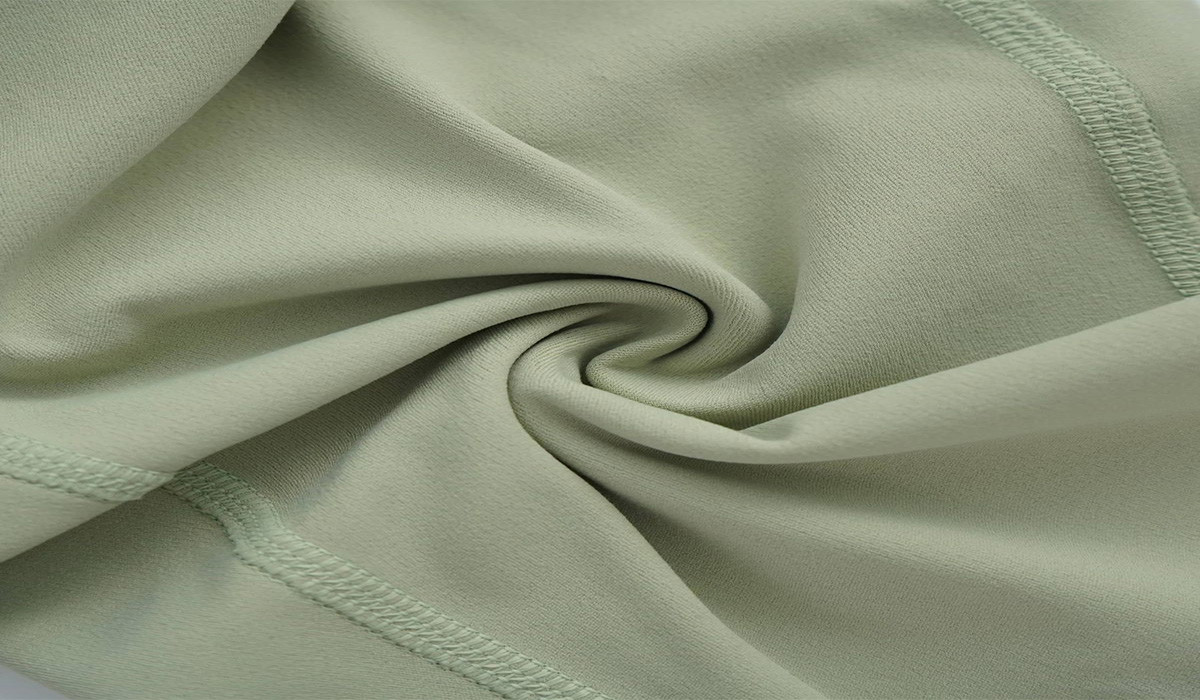
Traditional yoga wear, while functional, comes at a significant environmental cost. The majority of activewear is made from virgin synthetic fibers like polyester and nylon, which are derived from petroleum—a non-renewable resource. The production of these materials is an energy-intensive process that contributes to greenhouse gas emissions.
The problems don't end once the fabric is made. The dyeing and finishing processes in conventional textile manufacturing are notorious for their high water consumption and the use of toxic chemicals, which can pollute waterways if not managed correctly.
Furthermore, a major environmental concern associated with synthetic fabrics is the shedding of microplastics. With every wash, synthetic garments release thousands of tiny plastic fibers that are too small to be filtered by wastewater treatment plants. These microplastics end up in our oceans, rivers, and even our food chain, posing a threat to marine life and ecosystems. The shift toward recycled and more stable fabrics, as championed by Easemotion, is a direct and necessary response to these critical environmental challenges.
Crafting Easemotion Sustainable Yoga Wear: Recycled Fabrics, Ethical Manufacturing, and Innovative Materials
Creating truly sustainable yoga wear requires a holistic and multi-faceted approach. It goes far beyond simply choosing a "green" fabric. For Easemotion, it involves a deep commitment that spans the entire lifecycle of a garment, from ensuring the well-being of the people who make the clothes to pioneering the use of next-generation materials. This section explores the pillars of that commitment: fair labor, transparent certification, and a sophisticated material strategy centered on recycled, regenerated, and innovative fibers.
Prioritizing Fair Labor and Supply Chain Transparency
A garment can only be considered truly sustainable if the human element is treated with as much respect as the environment. The fast fashion industry has long been criticized for exploitative labor practices, including low wages, unsafe working conditions, and excessive hours. Ethical manufacturing stands in direct opposition to this model.
Easemotion places a high priority on supply chain transparency, which means having a clear and communicable understanding of every step of the production process—from the farm or recycling facility where the raw material originates, to the spinning mill, to the dyeing facility, and finally to the assembly factory where the garment is stitched. This transparency is key to accountability.
Core principles of Easemotion's ethical manufacturing include:
- Fair Wages: Ensuring that all workers in the supply chain receive a living wage that allows them to meet their basic needs and have a decent standard of living.
- Safe and Healthy Working Conditions: Adhering to strict safety protocols, providing proper ventilation, and eliminating the use of hazardous chemicals to protect the health of workers.
- No Forced or Child Labor: Implementing a zero-tolerance policy for any form of forced, bonded, or child labor, verified through regular and unannounced audits.
- Reasonable Working Hours: Complying with local laws and international standards regarding working hours, overtime, and mandatory days of rest.
By building long-term relationships with suppliers who share these values, Easemotion helps foster a more equitable and humane fashion industry.
The Role of Certification in Organic and Ethical Textile Integrity
In an industry where "greenwashing" can make it difficult for consumers to distinguish genuine efforts from empty marketing, third-party certifications are the gold standard for trust and verification. These independent audits provide tangible proof that a brand is adhering to specific environmental and social standards.
For consumers, these certifications act as reliable signposts, simplifying the complex task of identifying sustainable products. When you see these labels on an Easemotion garment, you can be confident in the claims being made.
| Certification | What It Guarantees | Relevance to Yoga Wear |
|---|---|---|
| Global Organic Textile Standard (GOTS) | Ensures the organic status of textiles, from harvesting of raw materials through environmentally and socially responsible manufacturing. | Guarantees that any cotton or other natural fiber used is truly organic and processed without harmful chemicals. |
| OEKO-TEX® STANDARD 100 | Tests for harmful substances in textiles. Every component of the article has been tested and is harmless in human ecological terms. | A critical certification for items worn close to the skin, ensuring the fabric is free from a long list of chemicals known to be harmful to health. |
| bluesign® System | A holistic approach that certifies the entire textile production process, eliminating harmful substances from the beginning and setting standards for environmentally friendly and safe production. | Ensures the lowest possible impact on people and the environment, covering everything from water usage to dye chemistry and worker safety. |
| Recycled Claim Standard (RCS) & Global Recycled Standard (GRS) | These standards track and verify the content of recycled materials in a final product. The GRS includes additional social and environmental processing requirements. | Provides certified proof that the yoga wear is made with a specific percentage of recycled materials, like rPET from bottles. |
| Fair Trade Certified™ | Guarantees that factory workers are paid fair wages, work in safe conditions, and that a portion of the product's price goes back to the community via a Community Development Fund. | A powerful indicator of a brand's commitment to social equity and the well-being of its workforce. |
Exploring Recycled and Regenerated Fibers for Enhanced Performance
The cornerstone of Easemotion's sustainable material strategy is the use of recycled and regenerated fibers. These materials offer the same high-performance characteristics expected of premium activewear—such as durability, four-way stretch, and moisture-wicking properties—while providing immense environmental benefits.
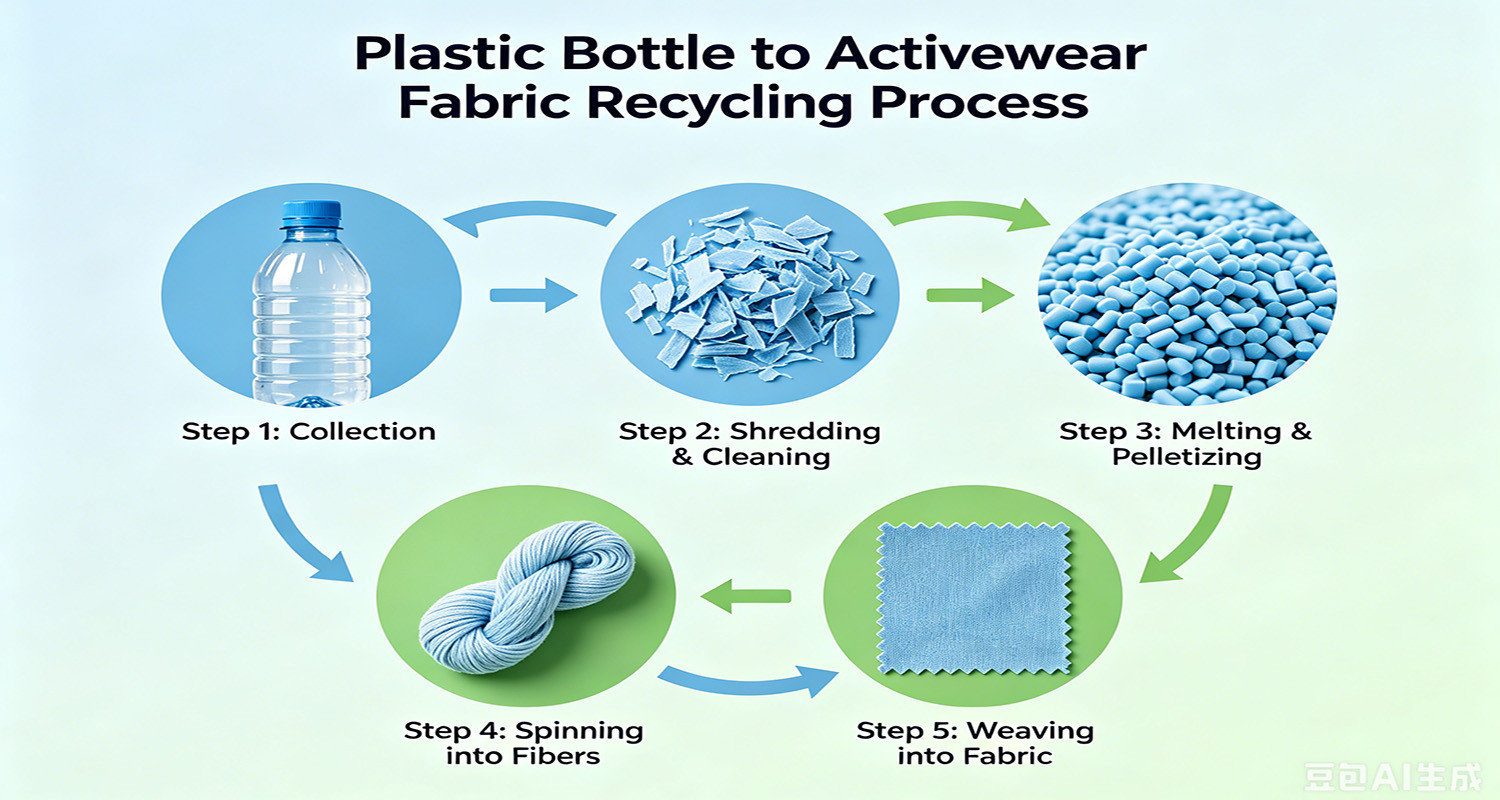
Recycled Polyester (rPET): This is one of the most common recycled materials in activewear. The process typically involves:
- Collection: Post-consumer PET plastic bottles are collected, sorted, and cleaned.
- Processing: The bottles are shredded into flakes.
- Melting & Extrusion: The flakes are melted down and then extruded through tiny holes (a spinneret) to form long filaments of yarn.
- Spinning: This yarn is then spun, textured, and woven or knitted into high-performance fabric.
Using rPET diverts plastic from landfills and oceans, and its production requires significantly less energy (up to 59% less) and generates fewer CO2 emissions compared to virgin polyester.
Regenerated Nylon (e.g., ECONYL®): Regenerated nylon takes the concept of recycling a step further. Instead of just downcycling, it uses a chemical regeneration process to break down nylon waste back to its original monomer, which is identical in quality to virgin nylon. This waste includes things like old fishing nets, carpet flooring, and industrial plastic. The benefits are immense: for every 10,000 tons of ECONYL® raw material, 70,000 barrels of crude oil are saved, and 65,100 tonnes of CO2 equivalent emissions are avoided. The resulting fabric is incredibly durable, resilient, and perfect for high-impact activities, making it an ideal choice for premium yoga wear.
Complementary Sustainable Fibers Enhancing Easemotion Yoga Wear
While recycled synthetics form the core of performance wear, Easemotion also incorporates a range of other sustainable fibers to enhance comfort, breathability, and feel, particularly for loungewear and lower-impact pieces.
- Organic Cotton: Unlike conventional cotton, which is one of an agriculture’s most polluting crops due to its heavy reliance on pesticides and water, organic cotton is grown without toxic chemicals and with farming methods that support soil health and biodiversity. It is known for its softness and breathability, making it ideal for post-yoga relaxation wear.
- TENCEL™ Lyocell & Modal: Produced by the Austrian company Lenzing, TENCEL™ fibers are derived from sustainably sourced wood pulp (typically from eucalyptus, beech, or spruce trees) in a closed-loop production process. This process recycles over 99% of the water and solvent used, making it incredibly eco-friendly. The resulting fabrics are known for their luxuriously soft feel, excellent drape, moisture management, and gentleness on the skin.
- Hemp: A highly sustainable crop, hemp requires very little water to grow, no pesticides, and it actually helps to regenerate the soil. As a fabric, hemp is incredibly durable, breathable, and becomes softer with each wash. It is often blended with other fibers like organic cotton to improve its feel.
Beyond Traditional: Innovative Sustainable Materials Driving Easemotion Sustainable Yoga Wear
The world of sustainable textiles is constantly evolving, and Easemotion remains at the forefront by exploring and investing in next-generation materials. While some of these are still emerging, they point to a future where our clothing can be even more harmonious with nature.
- Bio-Based Polymers: Scientists are developing polymers for textiles that are derived from renewable plant sources like corn starch or sugarcane instead of petroleum. These bio-synthetics can have a significantly lower carbon footprint than their fossil-fuel-based counterparts.
- Algae-Based Fabrics: Algae is a fast-growing, carbon-absorbing organism that can be transformed into foam (for things like yoga mats) and even fiber. These materials are not only renewable but can also be imbued with nutrients that are beneficial for the skin.
- Plant-Based Dyes: Moving away from synthetic, chemical-laden dyes, the industry is seeing a resurgence in the use of natural dyes derived from plants, minerals, and insects. Innovations in this area are making natural dyeing more colorfast and scalable, reducing water pollution and creating beautiful, unique color palettes.
By embracing this comprehensive and forward-thinking material strategy, Easemotion ensures that every piece of yoga wear is a testament to quality, performance, and a deep, unwavering respect for the planet.
Optimizing Production for Easemotion Sustainable Yoga Wear: Recycled Fabrics, Ethical Manufacturing, and Waste Reduction
A sustainable product is not just defined by its materials; it is equally defined by how it is made. The manufacturing phase is where a brand's commitment to its principles is truly tested. For Easemotion, optimizing the production process is a critical part of its sustainability mission, focusing on three key areas: ensuring impeccable quality through sustainable practices, designing processes to minimize waste, and preventing the systemic problem of overproduction.
Embracing Quality Control and Sustainable Practices in Manufacturing
Manufacturing is traditionally a resource-intensive stage of the fashion lifecycle. A commitment to sustainability requires reimagining this process to minimize its environmental footprint while maximizing the quality and longevity of the product.
Sustainable Manufacturing Techniques:
- Waterless or Low-Water Dyeing: Traditional dyeing can consume vast amounts of water. Easemotion prioritizes partners who use innovative dyeing technologies, such as dope dyeing (where pigment is added to the molten polymer before it becomes a fiber) or advanced digital printing, which dramatically reduce water and chemical usage.
- Renewable Energy: The carbon footprint of a garment is significantly impacted by the energy source used in its production. Easemotion seeks out manufacturing partners who are investing in renewable energy sources like solar or wind power to run their facilities.
- Strict Quality Control: Sustainability and durability are two sides of the same coin. A garment that falls apart after a few wears is the antithesis of sustainability, regardless of what it's made from. Rigorous quality control at every stage—from fabric inspection to final seam checks—ensures that each piece of Easemotion yoga wear is built to last. This reduces the overall consumption rate by providing customers with a product they won't need to replace frequently.
Reducing Waste through Optimized Production Processes
Waste is a pervasive issue in the fashion industry. It occurs at every step, from the fabric cutting room floor to the end of a product's life. A core tenet of sustainable manufacturing is to view waste not as an inevitability, but as a design flaw.
- Zero-Waste Pattern Cutting: The design phase plays a crucial role in waste reduction. By using sophisticated software and clever pattern-making techniques, designers can arrange pattern pieces on the fabric like a masterful puzzle, minimizing the amount of unused fabric (known as off-cuts). While achieving true "zero-waste" is challenging, this approach can significantly reduce fabric waste from the typical 15-20% down to just 1-3%.
- Upcycling and Recycling Scraps: Even with the most efficient patterns, some scraps will be left over. A sustainable approach finds a use for this material. These scraps can be collected and upcycled into smaller products like headbands, scrunchies, or parts of other garments. For larger volumes, they can be sent back to textile recyclers to be shredded and turned into new fiber, contributing to a more circular system.
Effective Inventory Management and Low MOQs to Prevent Overproduction
Perhaps the single biggest source of waste in the fashion industry is overproduction. Brands traditionally operate on a model of forecasting trends and mass-producing garments months in advance. When those forecasts are wrong—which they often are—it results in massive quantities of unsold inventory. This deadstock is often incinerated or sent to landfill to protect brand value, creating a catastrophic environmental problem.
Easemotion tackles this issue head-on with a more agile and responsible approach to inventory:
- Low MOQs (Minimum Order Quantities): The brand works with manufacturing partners who are flexible and willing to produce garments in smaller batches. Instead of making tens of thousands of a single style, low MOQs allow the brand to produce what is needed, test new designs with less risk, and respond to actual customer demand rather than speculative forecasts.
- Data-Driven Inventory Management: By leveraging real-time sales data, Easemotion can more accurately predict demand and replenish stock intelligently. This "just-in-time" approach ensures that popular items are available without creating a surplus of unwanted goods.
- Potential for Made-to-Order: For certain premium or customized items, a made-to-order model can eliminate inventory waste entirely. The garment is only produced once a customer has placed an order, representing the ultimate form of responsible production.
By combining these strategies, Easemotion not only reduces its environmental impact but also operates a more efficient and resilient business, proving that sustainability and smart commerce can go hand in hand.
The Impact and Investment of Easemotion Sustainable Yoga Wear: Recycled Fabrics and Ethical Manufacturing
The value of sustainable yoga wear extends far beyond the point of purchase. It represents an investment in superior performance, a commitment to mindful ownership, and a deeper understanding of the true cost of our clothing. With Easemotion, the focus shifts from disposable fashion to durable, high-performance pieces that customers can feel good about wearing for years to come. This section explores the long-term impact of choosing sustainable activewear, from its on-the-mat performance to its place in a more conscious lifestyle.
Durability and Performance: The Hallmarks of Sustainable Yoga Wear
A common misconception is that sustainable or recycled materials might compromise on performance. In reality, the opposite is often true. The technologies used to create high-quality recycled fabrics, like rPET and regenerated nylon, result in yarns that are exceptionally strong, consistent, and pure.
Performance Characteristics of Easemotion Yoga Wear:
- Exceptional Durability: Premium recycled fibers, especially regenerated nylon like ECONYL®, are known for their high tensile strength and resistance to pilling and abrasion. This means your yoga pants won't go sheer after a few stretches and will maintain their smooth, new look for much longer.
- Four-Way Stretch and Shape Retention: The fabrics are engineered to move with your body, offering unrestricted freedom in every pose. Crucially, they also have excellent recovery, meaning they snap back into shape and don't become baggy at the knees or waist over time.
- Moisture Management: The technical structure of these fabrics wicks sweat away from the skin to the surface of the fabric, where it can evaporate quickly. This keeps you dry, comfortable, and focused during your practice.
- Colorfastness: Advanced, eco-friendly dyeing techniques ensure that the vibrant colors of your gear won't fade with washing, keeping your investment looking bright and fresh.
By prioritizing durability, Easemotion actively pushes back against the fast fashion model of "planned obsolescence." The goal is to create a favorite piece of clothing that becomes a reliable partner in your wellness journey for the long haul.
Caring for Your Easemotion Sustainable Garments
The responsibility for sustainability is shared. While Easemotion works to create a durable and eco-friendly product, how you care for it can significantly impact its lifespan and its environmental footprint. Mindful garment care is a simple yet powerful way to participate in the sustainability journey.
Best Practices for Eco-Friendly Garment Care:
- Wash Less Often: Activewear is designed to be resilient. Unless a garment is visibly soiled or odorous, it may not need to be washed after every single wear. Airing it out can often be enough.
- Wash Cold: Washing your garments in cold water (30°C or 86°F) is one of the most impactful changes you can make. It uses significantly less energy than hot water washes and is also gentler on the fabric's fibers and elasticity, preserving the fit and performance of your yoga wear.
- Use a Guppyfriend Washing Bag: To combat the issue of microplastic shedding, place your synthetic garments in a specialized filter bag like the Guppyfriend before putting them in the washing machine. This bag traps the tiny fibers that break off during washing, preventing them from entering the water system. You can then collect and dispose of these fibers in the trash.
- Choose Eco-Friendly Detergents: Opt for concentrated, biodegradable detergents that are free from phosphates and harsh chemicals.
- Avoid Fabric Softeners: Fabric softeners can clog the pores of technical fabrics, hindering their moisture-wicking capabilities.
- Line Dry Whenever Possible: The high heat of a tumble dryer is one of the biggest culprits in damaging synthetic fibers and spandex, leading to a loss of shape and stretch. Air drying your garments not only saves a tremendous amount of energy but also dramatically extends their life.
Understanding the Value: Cost as an Investment in Sustainability
Sustainable yoga wear often comes with a higher price tag than its fast-fashion counterparts, and it’s important to understand why. This price difference isn't about inflated margins; it's a transparent reflection of the true cost of producing a garment responsibly.
What Does the Higher Price Cover?
- Ethical Labor: Paying factory workers a fair, living wage.
- Superior Materials: The cost of collecting, sorting, and processing recycled materials, or the premium for certified organic fibers.
- Research & Development: Investing in new, innovative sustainable technologies and materials.
- Certifications: The cost of undergoing and maintaining rigorous third-party audits for certifications like Fair Trade or GRS.
- Environmental Safeguards: The cost for a factory to invest in water treatment facilities, renewable energy, and safer chemical management.
- Durability: The cost of using higher-quality threads, reinforced seams, and more resilient fabrics that are designed to last for years, not just a season.
When you purchase a piece from Easemotion, you are not just buying a product. You are making an investment. By considering the cost-per-wear—the total price of the garment divided by the number of times you wear it—the value proposition becomes clear. A $100 pair of durable, ethically-made leggings worn 100 times costs just $1 per wear. A $20 pair that falls apart after 10 wears also costs $1 per wear, but with a far greater environmental and social toll. Choosing sustainability is an investment in a better product, a healthier planet, and a more equitable future for fashion.
Frequently Asked Questions (FAQ)
Q: Are recycled fabrics as comfortable and high-performing as virgin fabrics? A: Absolutely. Modern recycling and regeneration technologies produce fibers that are chemically and physically identical to their virgin counterparts. Fabrics made from materials like recycled polyester (rPET) and regenerated nylon (ECONYL®) offer the same, if not better, performance characteristics, including four-way stretch, moisture-wicking properties, and exceptional durability, all while feeling soft and comfortable against the skin.
Q: What is "greenwashing," and how can I avoid it when shopping for activewear? A: Greenwashing is a deceptive marketing practice where a company makes unsubstantiated or misleading claims about the environmental benefits of its products. To avoid it, look for specifics rather than vague terms like "eco-friendly" or "green." The most reliable way to verify a brand's claims is to look for reputable third-party certifications like GOTS, bluesign®, the Global Recycled Standard (GRS), or Fair Trade Certified™. These labels provide independent verification of a product's sustainable and ethical credentials.
Q: Why is it important to wash sustainable yoga wear in cold water? A: Washing in cold water has a dual benefit. Firstly, it significantly reduces energy consumption, as heating water accounts for up to 90% of the energy used by a washing machine. This lowers your home's carbon footprint. Secondly, cold water is much gentler on the synthetic fibers (like spandex) in your yoga wear. Hot water can damage these fibers, causing them to lose their elasticity and shape, which shortens the lifespan of your garment.
Q: Does using recycled plastic for clothing just delay the plastic pollution problem? A: This is a thoughtful question. While it's true that the fabric will eventually reach the end of its life, using recycled plastic addresses several critical issues right now. It directly diverts plastic waste from landfills and oceans, gives a valuable second life to a material that would otherwise be pollution, and significantly reduces the need for new fossil fuel extraction (crude oil) to create virgin polyester. The next frontier, which Easemotion is keenly focused on, is scaling up textile-to-textile recycling to create a truly circular system where old garments become new ones.
In conclusion, Easemotion's dedication to sustainable yoga wear, manifested through its use of recycled fabrics and ethical manufacturing, sets a benchmark for the activewear industry. The commitment is comprehensive, addressing every facet of a garment's life—from the dignity of the person who stitched it to the long-term health of the ecosystems from which its materials are sourced. By prioritizing environmental stewardship and social responsibility, Easemotion not only delivers high-quality, high-performance products but also empowers consumers to make choices that resonate with their deepest values.
The journey towards sustainability in fashion is an ongoing and collective effort. Companies like Easemotion are crucial in carving the path forward, demonstrating that style, performance, and principle can coexist beautifully. They light the way, shaping a more responsible and transparent future for apparel production, one garment at a time. We encourage you to join the movement, ask questions of your favorite brands, and share what you've learned. Together, our choices can weave a new, more sustainable fabric for our world.