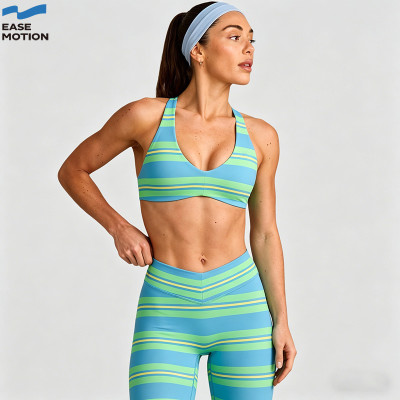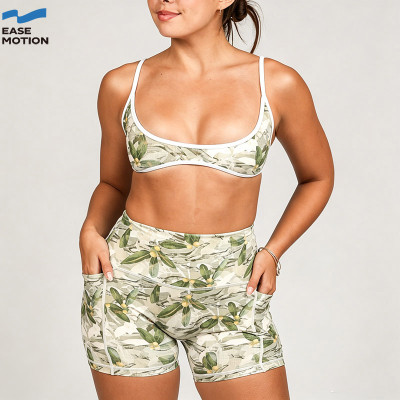
What Makes Easemotion a Leading Professional Yoga Bra Manufacturer from China Against Global Competitors?
In the fiercely competitive global activewear market, and especially within the specialized niche of yoga bras, success demands nothing short of excellence in quality, innovation, and production efficiency. For decades, China has been a global manufacturing powerhouse, offering significant advantages to brands in search of a professional partner. This landscape, however, is constantly evolving, with new challenges and competitors emerging. This article delves into the factors that distinguish a leading professional yoga bra manufacturer from China, like easemotion, and how they maintain their edge against a growing field of global competitors. We will explore their inherent strengths, the challenges they face, and the innovative strategies they employ to remain at the forefront of the industry.
Strengths of a Professional Yoga Bra Manufacturer from China vs. Global Competitors: Scale and Service
China's dominance in apparel manufacturing is not accidental; it is built on a foundation of unparalleled scale, a deeply integrated supply chain, and a commitment to service that is hard to replicate. For brands looking to produce high-quality yoga bras, these strengths translate into speed, efficiency, and access to a world of resources. This established ecosystem provides a significant competitive advantage that keeps many global brands anchored to Chinese manufacturers.
Advanced Manufacturing Ecosystem & Capabilities
One of China's most significant advantages is its complete and mature manufacturing ecosystem. The country has cultivated a vertically integrated supply chain where everything from yarn production, fabric weaving and dyeing, to the manufacturing of accessories like clasps and adjusters happens within a concentrated geographical area. This integration dramatically shortens lead times, enhances quality control, and reduces costs associated with transportation and logistics between different suppliers. You can source raw cotton, have it spun into high-performance yarn, get it woven into technical fabric, and have it assembled into a finished yoga bra, all within a single, streamlined system.
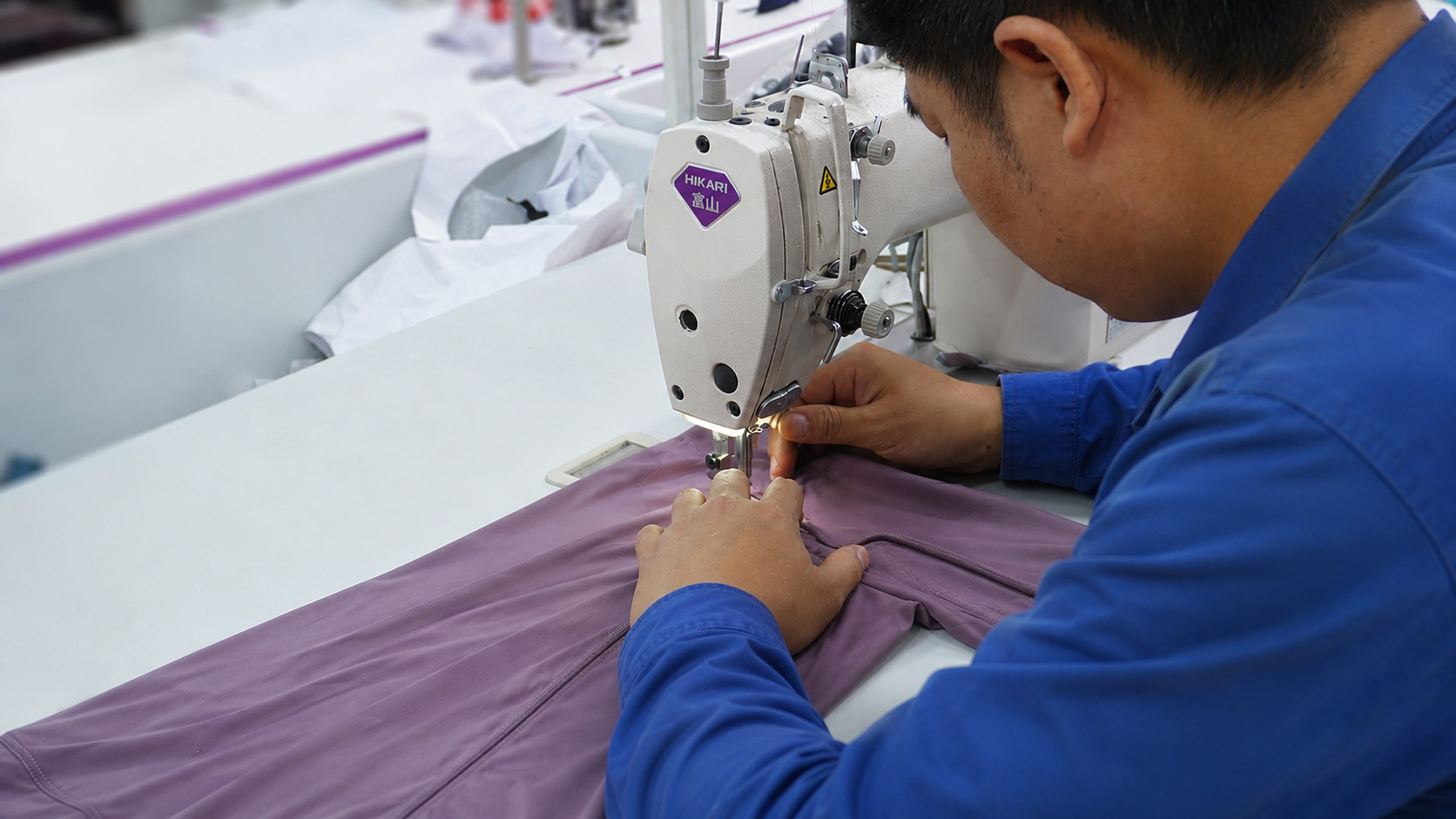
This ecosystem is supported by a massive and highly skilled labor force. China's textile industry has a long history, resulting in a workforce with generations of experience in garment production, from pattern making to intricate stitching techniques required for supportive and comfortable activewear. While labor costs have risen, the efficiency and skill level of Chinese workers often result in a higher output and superior quality that can be difficult to match elsewhere. Furthermore, Chinese factories have been heavily investing in advanced technology, such as automated knitting systems for seamless wear, laser cutting for precision, and 3D digital sampling to accelerate the development process. This technological adoption allows for the production of complex and innovative yoga bra designs with exceptional consistency and at a large scale. Manufacturers offer comprehensive OEM (Original Equipment Manufacturing) and ODM (Original Design Manufacturing) services, enabling brands to either bring their own designs to life or customize pre-existing, market-tested styles.
Flexible MOQs and Comprehensive Offerings
Beyond the sheer scale of production, a key advantage that sets a professional yoga bra manufacturer from China apart is the flexibility and breadth of services they offer. While large-scale production is a hallmark, many leading manufacturers have adapted to the needs of a diverse market, which includes startups and boutique brands that require lower Minimum Order Quantities (MOQs). This flexibility allows emerging brands to test the market with new designs without committing to massive inventory, while also serving large corporations that need to produce millions of units.
Manufacturers like easemotion provide an end-to-end service model that goes far beyond simple production. This comprehensive approach includes:
- Design and Development: Many factories have in-house R&D teams that can assist with everything from initial concept sketches to creating detailed tech packs. They offer expertise in performance features crucial for yoga bras, such as creating the right balance of support, compression, and comfort, and ensuring freedom of movement.
- Fabric Sourcing and Innovation: With direct access to a vast network of textile mills, manufacturers can source a wide array of high-performance fabrics. This includes moisture-wicking and quick-drying materials, four-way stretch fabrics for flexibility, and increasingly, sustainable options like recycled polyester and organic cotton. They can also develop custom fabrics to meet specific brand requirements for texture, weight, and performance.
- Quality Control and Compliance: Reputable manufacturers have robust quality control systems in place, with inspections at every stage of production—from raw material checks to final garment inspection. They are often certified by international standards like ISO 9001 for quality management, ensuring that every yoga bra meets the brand's specifications.
- Customization and Branding: Professional manufacturers offer extensive customization options, including custom color dyeing to match Pantone specifications, various printing techniques for logos (like silicone print or heat transfer), and branded packaging and labels, delivering a retail-ready product.
This full-service package simplifies the supply chain for brands, allowing them to focus on marketing and sales while relying on their manufacturing partner to handle the complexities of production. This combination of a sophisticated ecosystem and client-centric service is a powerful formula that continues to make China a top choice for professional yoga wear production.
Overcoming Challenges: Ethics and Market Dynamics for a Professional Yoga Bra Manufacturer from China vs. Global Competitors
While China's manufacturing prowess is undeniable, partnering with a professional yoga bra manufacturer is not without its complexities. The landscape is fraught with operational hurdles, mounting ethical considerations, and shifting global trade dynamics. For brands, navigating these challenges is crucial to building a resilient and reputable supply chain. For manufacturers, addressing them head-on is essential for survival and continued leadership in a competitive market.
Navigating Operational Complications
The sheer number of factories in China can be overwhelming. A search on any sourcing platform will yield thousands of potential suppliers, but not all are created equal. Vetting a manufacturer to ensure they are a legitimate, capable, and reliable partner requires significant due diligence. Brands must verify business licenses, check for relevant certifications (like ISO), and ideally, conduct on-site factory visits to assess their facilities and production capabilities firsthand.
Once a partner is chosen, communication remains a significant hurdle. While many factory representatives speak English, nuances can easily be lost in translation, leading to costly mistakes in production. Cultural differences also play a major role. For instance, the Chinese cultural concept of "saving face" might lead a supplier to say "yes" to a deadline they know is impossible, simply to avoid conflict. This can cause unexpected delays and frustration. To mitigate this, brands need to establish crystal-clear communication protocols, using simple language, visual aids, and detailed technical packs. Regular check-ins and asking suppliers to relay back their understanding of requirements can help bridge gaps and ensure everyone is aligned.
Ethical Production and Trade Pressures
In recent years, consumer and regulatory scrutiny over manufacturing practices has intensified. Brands are now expected to provide full transparency into their supply chains, ensuring that their products are made under ethical conditions. This means that a professional yoga bra manufacturer in China must be able to demonstrate a strong commitment to labor rights and environmental sustainability.
Key considerations include:
- Labor Standards: Issues such as excessive overtime, inadequate wages, and unsafe working conditions have been reported in parts of the Chinese textile industry. To combat this, brands should seek out manufacturers with certifications like BSCI (Business Social Compliance Initiative), WRAP (Worldwide Responsible Accredited Production), or SA8000. These certifications involve third-party audits that verify fair labor practices and safe working conditions.
- Environmental Impact: Textile manufacturing, particularly dyeing and finishing, is a water and energy-intensive process that can be highly polluting. In response, the Chinese government has enforced stricter environmental regulations, forcing many factories to invest in wastewater treatment and other green technologies. Manufacturers with certifications like OEKO-TEX, which tests for harmful substances, or GRS (Global Recycled Standard) for using recycled materials, are better positioned to meet the demands of eco-conscious brands.
Adding another layer of complexity are the geopolitical trade pressures. Tariffs imposed on Chinese goods by the U.S. and other countries have significantly increased the cost of sourcing from China. These additional costs have forced many brands to reconsider their sourcing strategies, with some diversifying their supply chains to other countries to mitigate financial risks. This trade tension directly challenges Chinese manufacturers, who must now enhance their value proposition beyond just cost. They must compete by offering superior quality, innovation, and ethical assurance to convince brands that the higher price is justified.
The Evolving Competitive Landscape for a Professional Yoga Bra Manufacturer from China vs. Global Competitors
The global manufacturing map for activewear is not static. For decades, China was the default choice, but rising costs, geopolitical tensions, and a strategic push for supply chain diversification have opened the door for other countries to emerge as powerful contenders. This changing landscape forces a professional yoga bra manufacturer from China to innovate and adapt continuously to maintain its leading position. The competition is no longer just about price but also about specialized skills, trade advantages, and a commitment to modern manufacturing principles.
Rise of Alternative Production Hubs
Among the new wave of manufacturing hubs, Vietnam has emerged as a formidable alternative to China for apparel production. The country has successfully cultivated a business-friendly environment and invested heavily in its textile industry, making it an attractive destination for global activewear brands. Several factors contribute to Vietnam's rise:
- Lower Labor Costs: While the wage gap is narrowing, labor costs in Vietnam remain significantly lower than in China's primary manufacturing regions, offering a distinct cost advantage, especially for large-volume orders.
- Favorable Trade Agreements: Vietnam is a member of major free trade agreements like the Comprehensive and Progressive Agreement for Trans-Pacific Partnership (CPTPP) and the EU-Vietnam Free Trade Agreement (EVFTA). These agreements reduce or eliminate tariffs for brands in member countries, making Vietnamese-made goods more financially attractive.
- Skilled Workforce and Quality Focus: Vietnam has developed a skilled workforce with expertise in garment manufacturing, capable of producing high-quality and complex apparel. Many Vietnamese factories have achieved international quality certifications and are known for their consistency and low defect rates, making them reliable partners for performance-oriented activewear.
- Ethical and Sustainable Production: Many Vietnamese manufacturers have proactively adopted ethical and sustainable practices, securing certifications like SA8000 and WRAP to meet the growing demands of Western brands. Full-service manufacturers like Thygesen Textile Vietnam provide comprehensive OEM/ODM solutions focusing on advanced, sustainable fabrics and ethical production, directly competing with top-tier Chinese suppliers.
While Vietnam presents a strong case, it's important to note that its supply chain is not as deeply integrated as China's. Many raw materials, such as specialized yarns and accessories, are still sourced from China, which can sometimes offset the a forementioned advantages. Nevertheless, for many brands, Vietnam offers a compelling balance of cost, quality, and strategic diversification.
Innovation and Resilience within China
Faced with rising competition and a changing market, leading professional yoga bra manufacturers from China are not standing still. Instead of competing solely on price, they are leveraging their deep expertise and resources to pivot towards innovation, quality, and sustainability. This strategic adaptation is ensuring their continued relevance and leadership in the global activewear market.
Key areas of innovation include:
- Advanced Manufacturing technology: Chinese factories are heavily investing in automation and digitalization. Technology like seamless knitting machinery has revolutionized activewear production, allowing manufacturers to create yoga bras and other garments with minimal stitches. This results in a product with superior comfort, a second-skin feel, and enhanced durability—qualities highly valued by consumers. Companies specializing in seamless activewear are using advanced circular knitting machines to produce garments that offer a perfect blend of support and flexibility.
- Sustainable Practices: Recognizing the global shift towards environmental responsibility, top Chinese manufacturers are integrating sustainability into their core operations. This includes sourcing and developing eco-friendly materials like recycled polyester from plastic bottles, organic cotton, and biodegradable fibers. They are also adopting greener production processes, such as waterless dyeing and investing in renewable energy to reduce their carbon footprint. Manufacturers like easemotion are at the forefront of this movement, offering brands a genuinely sustainable supply chain.
- Fabric and Material R&D: China's textile industry is a hotbed of innovation. Manufacturers are developing smart textiles with embedded sensors for health monitoring, nano fabrics that repel water and bacteria, and high-performance blends that offer superior moisture-wicking, breathability, and four-way stretch. This focus on material science allows brands to create truly differentiated products.
By doubling down on technological superiority, sustainability, and high-value services, a professional yoga bra manufacturer from China can offer a proposition that competitors find hard to match. They are evolving from being just a factory to a strategic partner in innovation, helping brands create the next generation of activewear. This resilience and forward-thinking approach are what allow them to thrive even in a fiercely competitive global landscape.
Key Takeaways
To succeed against global competition, a professional yoga bra manufacturer like easemotion must leverage a distinct set of advantages while navigating a complex and evolving market. Understanding these dynamics is crucial for any brand looking to build a successful and resilient activewear line. Here are the essential points to remember:
-
China's Manufacturing Ecosystem Remains a Powerhouse. The primary strength of top Chinese manufacturers lies in their deeply integrated and mature supply chain. This ecosystem offers unparalleled speed, scale, and access to a vast array of materials and technologies. From yarn spinning to final garment assembly, the entire process is streamlined, reducing lead times and logistical complexities. This vertical integration, combined with a highly skilled and efficient workforce, allows manufacturers to produce complex, high-quality yoga bras at a scale that is difficult for other regions to replicate. For brands that prioritize speed-to-market and access to innovation, this remains a compelling advantage.
-
Service and Flexibility Are Key Differentiators. Beyond sheer production capacity, leading manufacturers in China compete on service. They offer comprehensive, end-to-end solutions that include design assistance, fabric R&D, robust quality control, and extensive customization options. Crucially, many have adapted to offer flexible Minimum Order Quantities (MOQs), making them accessible to both large corporations and emerging startups. This willingness to act as a strategic partner, rather than just a supplier, adds significant value and simplifies the production process for brands, allowing them to focus on growth.
-
Ethical and Trade Challenges Cannot Be Ignored. Sourcing from China is not without its difficulties. Brands must navigate potential communication barriers and conduct thorough due diligence to find a reliable partner. More importantly, there is growing pressure from consumers and regulators to ensure ethical and sustainable production. A trustworthy manufacturer must be able to provide transparency and prove its commitment to fair labor and environmental standards through certifications like BSCI, WRAP, and OEKO-TEX. Furthermore, geopolitical tariffs have increased costs, forcing brands to evaluate whether the benefits of manufacturing in China outweigh the added expense.
-
The Rise of Competitors and China's Innovative Response. Countries like Vietnam are emerging as strong alternatives, offering lower labor costs and significant tariff advantages through free trade agreements. This has intensified competition and pushed the best Chinese manufacturers to evolve. Instead of competing on price alone, they are focused on innovation. By investing in advanced technologies like seamless knitting, developing sustainable materials and processes, and pushing the boundaries of fabric science, they are redefining their value proposition. This focus on quality, technology, and sustainability is how leading manufacturers like easemotion maintain their competitive edge and continue to attract discerning global brands.
Frequently Asked Questions (FAQ)
1. What exactly makes a yoga bra "professional" grade? A "professional" grade yoga bra is defined by a combination of high-performance features, superior materials, and thoughtful construction designed specifically for the demands of yoga and other active pursuits. Key characteristics include:
- Fabric Technology: It uses advanced fabrics that are typically a blend of nylon and spandex or recycled polyester. These materials offer four-way stretch for unrestricted movement, excellent moisture-wicking properties to keep you dry, and breathability.
- Support and Construction: The bra provides the right level of support—whether low, medium, or high impact—without restricting movement or breathing. This is achieved through engineered knit structures, strategically placed compression zones, and comfortable, wide underbands. Many professional bras are made using seamless knitting technology to eliminate chafing and provide a second-skin feel.
- Durability: The materials and construction are designed to withstand frequent washing and intense use without losing shape, elasticity, or color. Flatlock seams are often used to enhance durability and comfort.
- Fit and Comfort: A professional yoga bra features an ergonomic design with details like removable pads, adjustable straps, and different back styles (e.g., racerback, cross-back) to cater to various body types and preferences. The goal is a fit that feels supportive yet freeing.
2. Why are Minimum Order Quantities (MOQs) so important when choosing a manufacturer? MOQs are the minimum number of units a factory requires you to order for a specific style and color. This is a critical factor for brands of all sizes, but especially for startups and small businesses.
- For Startups: A manufacturer offering a low MOQ allows a new brand to launch with a smaller initial investment, reducing financial risk. It enables them to test different styles, colors, and sizes in the market to see what sells before committing to a large inventory.
- For Established Brands: While larger brands often meet high MOQs easily, flexible MOQs are still valuable for testing new or niche products. A lower MOQ allows them to launch capsule collections or experimental designs without the risk of being left with a large volume of unsold stock. A manufacturer's willingness to offer flexible MOQs demonstrates their understanding of market dynamics and their commitment to supporting brands at different stages of growth.
3. How can a brand verify the ethical standards of a yoga bra manufacturer in China? Verifying ethical standards is crucial for brand reputation and responsible sourcing. Here are practical steps:
- Request Certifications: Ask potential manufacturers for internationally recognized social and environmental compliance certifications. Key ones to look for are BSCI (Business Social Compliance Initiative), WRAP (Worldwide Responsible Accredited Production), SA8000 (Social Accountability), and Sedex/SMETA. For materials, look for OEKO-TEX® (tests for harmful substances), GOTS (Global Organic Textile Standard), and GRS (Global Recycled Standard).
- Conduct Factory Audits: Don't just rely on paperwork. It is highly recommended to either visit the factory in person or hire a reputable third-party auditing firm to conduct an on-site inspection. Audits assess real-world working conditions, safety protocols, and employee welfare.
- Ask for a Code of Conduct: A professional manufacturer should have a clear supplier code of conduct that outlines their commitment to fair labor, anti-discrimination, and safe working hours.
- Build a Transparent Relationship: Engage in open dialogue about their ethical practices. A manufacturer who is proud of their standards will be transparent and willing to answer your questions.
4. Is manufacturing in China still cost-effective with all the tariffs? This is a complex question with a nuanced answer. While U.S. tariffs have undeniably increased the landed cost of goods from China, it often remains a cost-effective option for many brands, especially when considering the total value. Here's why:
- Economies of Scale: China's massive production capacity and hyper-efficient supply chains often result in a lower per-unit cost on the manufacturing side, which can partially offset tariff costs.
- Total Value Proposition: The cost calculation isn't just about the unit price. China's advantages in speed-to-market, access to a vast range of innovative materials, advanced technology, and high-quality finishes provide a value that may be worth the extra tariff cost. Delays or quality issues from a cheaper, less experienced supplier in another country could end up costing more in the long run.
- Strategic Balancing: Many brands find that for complex products requiring specialized technology (like seamless yoga bras) or a wide variety of custom components, China's manufacturing ecosystem is still the best and most reliable choice. For simpler, high-volume basics, they may diversify to countries like Vietnam to take advantage of lower costs and tariffs.
Conclusion
The decision of where to source professional yoga bras is a strategic one, requiring a careful balance between the immense production capabilities of China and the growing complexities of the global market. A professional yoga bra manufacturer from China offers unparalleled advantages in its sophisticated, vertically integrated ecosystem, providing access to innovation, scale, and comprehensive services that are hard to replicate. This foundation allows them to produce high-quality, technically advanced garments with speed and efficiency.
However, brands must also navigate the challenges of communication hurdles, geopolitical tariffs, and the increasing demand for ethical and sustainable production. The rise of compelling alternative manufacturing hubs, most notably Vietnam, has intensified competition, pushing the best Chinese manufacturers to evolve beyond just cost. In response, they have embraced innovation, investing in cutting-edge technologies like seamless knitting and pioneering sustainable practices to enhance their value proposition.
Ultimately, success in the dynamic world of activewear production hinges on forging strategic partnerships. Choosing a manufacturer is about more than just finding the lowest price; it's about finding a partner like easemotion that aligns with your brand's values on quality, transparency, and innovation. By prioritizing these elements, brands can build a resilient supply chain and create products that truly stand out in a competitive global market.