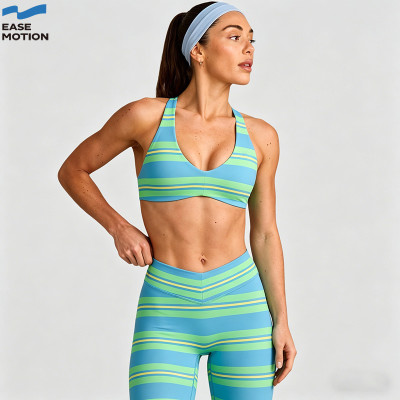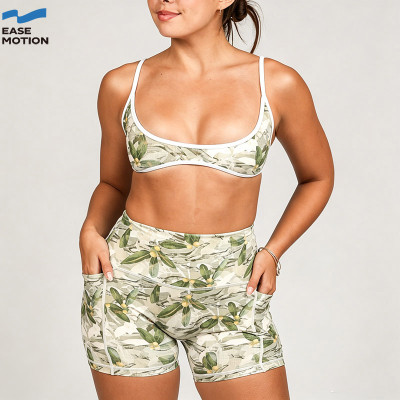
What Makes Easemotion the Ideal Partner for Yoga Wear OEM/ODM?
In the burgeoning global yoga wear market, selecting the right manufacturing partner is paramount for any brand's sustained success. This crucial decision directly impacts product quality, speed to market, cash flow efficiency, and ultimately, a brand's reputation and growth trajectory. Understanding the key criteria for evaluating potential partners becomes essential for transforming innovative designs into high-performance, desirable activewear collections.
Why Choose Easemotion as Your Yoga Wear OEM/ODM Partner for Unparalleled Flexibility, Partnership, and Robust Product Development?
Choosing a manufacturing partner is not merely a transactional decision; it's about forging a strategic alliance that can adapt and grow with your brand. For both emerging and established yoga wear lines, the ideal partner offers a blend of flexibility, deep-seated expertise, and a collaborative spirit. They function as an extension of your team, providing the foundational support necessary to navigate the complexities of apparel production. This partnership is defined by its ability to accommodate the unique needs of a brand, from initial order sizes to the intricate process of transforming a creative vision into a tangible, market-ready product. It's this synergy that allows a brand to focus on its core strengths—marketing, community building, and design innovation—while trusting the manufacturing process to a capable and aligned partner.
Empowering Emerging Brands with Flexible Minimum Order Quantities (MOQs)
For new and emerging brands, one of the most significant barriers to entry in the fashion industry is the high Minimum Order Quantity (MOQ) demanded by many manufacturers. High MOQs can be financially crippling, forcing brands to invest a substantial portion of their capital into a large inventory of a single style or size run before they have even validated the market demand. This ties up cash flow, increases the risk of deadstock, and limits a brand's ability to offer a diverse range of products to its first customers. A partner that offers flexible and low MOQs fundamentally changes this dynamic, providing a launchpad for growth and innovation.
A manufacturer with a low MOQ empowers brands in several critical ways:
- Market Testing and Risk Mitigation: Brands can test new designs, colors, or fabric variations with a smaller initial investment, gathering real-world sales data before committing to a larger production run. This agile approach significantly reduces the financial risk associated with launching new products.
- Enhanced Cash Flow: With less capital tied up in inventory, brands can allocate resources to other crucial areas such as marketing, branding, and customer acquisition, fueling a more sustainable growth cycle.
- Greater Product Diversity: Lower order minimums allow brands to introduce a wider variety of styles and options in their collections from the outset. This caters to a broader customer base and enables the brand to tell a more compelling and diverse story.
- Sustainable Inventory Management: By producing closer to demand, brands can avoid the waste and financial loss associated with excess inventory, aligning with more sustainable and responsible business practices.
easemotion recognizes that today's most influential brands often start small. By offering adaptable MOQs, we position ourselves as a true partner in growth, enabling emerging yoga wear companies to enter the market with confidence, agility, and financial prudence.
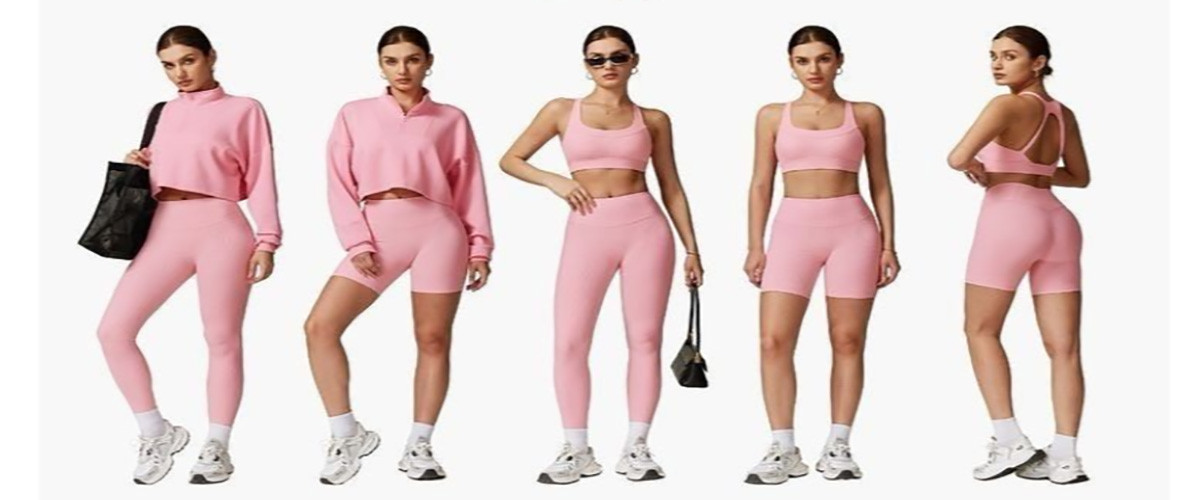
Bridging Conceptual Designs to Production-Ready Solutions with Expertise
The journey from a simple sketch or a mood board to a fully-realized, production-ready garment is complex and fraught with potential pitfalls. A great design idea is only as good as its execution, and this is where the expertise of an experienced OEM/ODM partner becomes invaluable. A partner who can bridge this gap acts as both a consultant and an executor, ensuring that the final product is not only true to the original vision but is also functional, manufacturable, and cost-effective.
This process involves several key stages where expert guidance is crucial:
- Concept Refinement: An experienced partner can review initial designs and provide feedback on their feasibility, suggesting modifications to improve fit, function, or production efficiency without compromising the design intent.
- Material Sourcing and Selection: They can recommend the ideal fabrics and trims from their extensive network of suppliers that match the performance, aesthetic, and price point requirements of the design.
- Technical Specification (Tech Pack) Development: This is the blueprint for manufacturing. A comprehensive tech pack details every single component of the garment, including measurements, materials, stitch types, label placements, and colorways. A skilled partner collaborates with the brand to create a robust tech pack, which is essential for ensuring consistency and accuracy during sampling and mass production. Any ambiguity in the tech pack can lead to costly errors and delays.
- Prototyping and Sampling: They manage the creation of initial samples, allowing the brand to review the fit, construction, and overall look and feel of the garment before committing to a full production run. This iterative process of feedback and refinement is critical to achieving the perfect product.
By skillfully managing this transition from abstract concept to a detailed technical plan, a partner like Easemotion de-risks the product development process. We help brands avoid common mistakes, save time and resources, and ultimately create a superior product that resonates with their target audience.
| Development Stage | Brand's Vision | Easemotion's Expertise |
|---|---|---|
| 1. Ideation | A unique design concept, sketch, or mood board. | Consultation on design feasibility, functionality, and manufacturability. |
| 2. Material Choice | Desired feel, performance, and sustainability. | Sourcing and recommending ideal technical fabrics and trims from a vetted supplier network. |
| 3. Specification | A clear idea of the final product's look and fit. | Creation of a detailed, professional Tech Pack that serves as the blueprint for production, minimizing errors. |
| 4. Validation | The need to see and feel the physical product. | Management of a multi-stage sampling process for fit, construction, and quality approval before mass production. |
Why Choose Easemotion as Your Yoga Wear OEM/ODM Partner for Superior Quality Assurance and Efficient Time-to-Market?
In the fast-paced activewear market, quality and speed are not just advantages; they are necessities for survival and growth. Customers expect high-performance yoga wear that is durable, comfortable, and flawlessly constructed. Simultaneously, brands are under constant pressure to align with seasonal trends and consumer demand, making the time-to-market a critical factor for success. An ideal manufacturing partner excels on both fronts, implementing rigorous quality control systems while optimizing production workflows for maximum efficiency. This dual focus ensures that the final products not only meet but exceed customer expectations and that they arrive in the market when they are most relevant.
Implementing a Multi-Stage Systematic Quality Control Protocol
Delivering a consistently high-quality product is the bedrock of building brand trust and customer loyalty. A single quality issue—a poorly sewn seam, a fabric that loses its shape, or an inconsistent fit—can lead to negative reviews, costly returns, and irreparable damage to a brand's reputation. To prevent this, a world-class manufacturing partner moves beyond a simple final inspection and integrates quality control throughout the entire production lifecycle. This systematic, multi-stage approach ensures that potential issues are identified and rectified early, minimizing waste and guaranteeing the integrity of the final output.
A comprehensive quality control protocol in garment manufacturing typically includes several key inspection points:
- Pre-Production Inspection: This begins before production even starts. It involves the thorough inspection of all raw materials, including fabrics, threads, trims, and accessories. This stage checks for defects, verifies color consistency (lab dips), and confirms that all materials meet the specifications outlined in the tech pack.
- In-Process Quality Control (IPQC): During production, quality checks are conducted at critical assembly stages. For yoga wear, this could include inspecting the cutting of fabric panels for accuracy, monitoring the stitching of complex seams like flatlock or overlock stitches, and ensuring the correct application of logos or heat transfers. This is often referred to as "inline inspection" and helps catch errors before they are replicated across thousands of units.
- Final Quality Inspection: Once the garments are fully assembled, a final, thorough inspection is performed. This is typically done using a statistically-driven method like the Acceptance Quality Limit (AQL), where a random sample of the finished goods is inspected based on a pre-determined standard. Inspectors check for any defects in workmanship, verify final measurements against the tech pack, perform fit tests, and ensure all packaging and labeling requirements are met.
By embedding these checkpoints throughout the manufacturing process, easemotion creates a culture of quality, ensuring that every piece of yoga wear we produce is a testament to our client's commitment to excellence.
Optimizing Production Schedules with Rapid Sampling and Transparent Communication
Speed to market is a crucial competitive advantage in the fashion industry. The ability to move quickly from an approved design to having inventory ready for sale allows brands to capitalize on trends, restock popular items efficiently, and optimize their sales cycles. Two of the most critical elements in accelerating this timeline are a rapid sampling process and a commitment to clear, constant communication.
Rapid Sampling: The sampling phase is often one of the most time-consuming parts of product development. Each round of samples—from initial prototypes to fit samples, and finally to pre-production samples—can take weeks to produce and ship. A partner that has optimized its sampling process can significantly shorten this phase. This might involve:
- Having a dedicated sampling room with expert technicians.
- Using advanced technology for pattern making and cutting.
- Prioritizing efficient logistics for shipping samples back and forth. A faster sampling process allows brands to iterate on their designs more quickly, approve the final product sooner, and move into bulk production with minimal delay.
Transparent Communication: Delays and misunderstandings in manufacturing are often a result of poor communication. A proactive and transparent partner provides regular updates on production status, immediately flags potential issues or delays, and offers solutions to keep things on track. This transparency builds trust and allows the brand to make informed decisions. It involves:
- A dedicated account manager or point of contact.
- A clear understanding of production milestones and timelines.
- The use of project management tools or communication platforms to provide real-time visibility.
Easemotion prioritizes an efficient and transparent workflow, understanding that our clients' success depends on our ability to deliver high-quality products on a predictable and optimized schedule. We invest in both the technology and the people required to make rapid sampling and clear communication cornerstones of our service.
Why Choose Easemotion as Your Yoga Wear OEM/ODM Partner for Cutting-Edge Material Science and Innovative Custom Designs?
In the premium activewear space, the product itself is the hero. Consumers are more knowledgeable than ever, demanding yoga wear that not only looks good but also performs at a high level. They seek out garments made from advanced technical fabrics that offer specific benefits like moisture-wicking, four-way stretch, and compression. Furthermore, they are drawn to brands with a unique and authentic design identity. The right manufacturing partner, therefore, must be more than just a production facility; they must be a hub of innovation in both material science and design application. They act as a catalyst, providing brands with access to the latest fabric technologies and the design expertise to transform those materials into a distinctive and desirable collection.
Harnessing Advanced Technical Fabrics for Peak Performance and Comfort
The "feel" of a yoga garment—its softness, stretch, and how it handles sweat—is arguably the most critical factor in a customer's purchasing decision and long-term satisfaction. The choice of fabric dictates the performance, comfort, and durability of the final product. A forward-thinking OEM/ODM partner invests heavily in research and development, maintaining a deep and current knowledge of material science and cultivating relationships with the world's leading textile mills.
A partner at the forefront of fabric innovation can provide access to materials with a wide range of performance characteristics:
- Moisture Management: Fabrics that pull sweat away from the skin and allow it to evaporate quickly (moisture-wicking) are essential for comfort during intense workouts.
- Exceptional Stretch and Recovery: High-performance yoga wear requires fabrics, typically containing spandex or elastane, that offer significant four-way stretch for unrestricted movement while retaining their original shape after repeated use and washing. The percentage of spandex is a critical factor in determining the fabric's elasticity.
- Breathability and Thermal Regulation: Materials that allow air to circulate help regulate body temperature, keeping the wearer cool during a hot yoga session or providing warmth for outdoor activities.
- Sensory Experience: Beyond technical performance, the handfeel of the fabric is paramount. Innovations in finishing and fiber technology have led to fabrics that are buttery-soft, compressive without being restrictive, and feel luxurious against the skin.
- Sustainable and Eco-Conscious Options: A growing number of consumers are demanding products made from recycled materials (like rPET from plastic bottles) or bio-based fibers. An innovative partner will have a robust library of these sustainable options.
easemotion's commitment to material innovation means our clients are not limited to standard off-the-shelf fabrics. We proactively source and develop new textiles, giving brands the tools to create genuinely superior products that deliver on the promise of peak performance and unparalleled comfort.
Crafting Unique Brand Identities Through Thoughtful Design and Customization
While fabric provides the function, design creates the emotional connection. In a crowded marketplace, a unique and consistent brand identity is what sets a yoga wear line apart. This identity is expressed through every detail of the garment—from the silhouette and color palette to the branding elements and custom trims. An ODM partner with a strong design sensibility can be instrumental in helping a brand translate its core identity into a cohesive and impactful collection.
This goes far beyond simply manufacturing a pre-existing design. A truly collaborative partner offers a suite of customization options that allow brands to infuse their unique DNA into every piece:
- Custom Color Development: Moving beyond a standard color card, a partner can develop custom dye lots to perfectly match a brand's specific color palette, ensuring brand consistency across seasons.
- Branding Applications: This includes a wide array of techniques to apply a logo or brand mark, such as high-density screen printing, reflective heat transfers, custom-molded zipper pulls, and intricately woven labels. The method chosen can dramatically affect the premium feel of the garment.
- Unique Design Details: Small details can make a big impact. This can involve custom-designed mesh panels for ventilation, unique seam placements that are both functional and flattering, or specialized trims like branded elastic bands.
- Proprietary Silhouettes: For brands looking to create truly unique pieces, an ODM partner can assist in developing proprietary cuts and silhouettes that are exclusive to their line, providing a significant competitive advantage.
By offering a comprehensive toolkit of customization options, Easemotion empowers brands to move beyond generic, white-label solutions. We collaborate with our clients to craft apparel that is a true reflection of their brand's vision, creating a memorable and authentic identity that resonates deeply with their target customers.
Why Choose Easemotion as Your Yoga Wear OEM/ODM Partner for Verified Credibility, Ethical Practices, and Sustainability?
In today's conscious consumer landscape, a brand is judged not only by the quality of its products but also by the integrity of its supply chain. Consumers and investors alike are demanding greater transparency, holding brands accountable for the environmental and social impact of their manufacturing processes. Choosing a partner with verifiable certifications, a commitment to ethical labor practices, and a proactive stance on sustainability is no longer a "nice-to-have"—it's a fundamental requirement for building a modern, resilient, and respected brand. A partnership built on this foundation of trust and responsibility provides a powerful narrative and a competitive edge in the market.
Upholding Trust and Reliability Through Certifications and Openness
Trust is the currency of long-term business relationships. For a yoga wear brand, placing a substantial order with a new manufacturing partner requires a significant leap of faith. How can you be sure they will deliver on their promises of quality, on-time delivery, and ethical conduct? This is where internationally recognized third-party certifications become invaluable. These certifications are not just logos on a website; they are proof that a factory has been audited against rigorous global standards and has demonstrated its commitment to best practices.
Key certifications that provide this assurance in the apparel industry include:
- ISO 9001: This is the international standard for a Quality Management System (QMS). A factory with ISO 9001 certification has proven that it has robust systems in place for consistently providing products and services that meet customer and regulatory requirements. It demonstrates a commitment to process optimization, risk management, and continuous improvement.
- BSCI (Business Social Compliance Initiative): This is a leading supply chain management system that supports companies in driving social compliance and improvements within their global supply chains. A BSCI-audited factory is monitored for fair labor practices, including no child labor, fair wages, safe working conditions, and the right to freedom of association. This is critical for brands committed to ethical sourcing.
- WRAP (Worldwide Responsible Accredited Production): WRAP is one of the world's largest independent factory-based social compliance certification programs. It focuses specifically on the sewn products sector and certifies facilities for compliance with 12 core principles related to lawful, humane, and ethical manufacturing.
By actively seeking and maintaining these certifications, partners like easemotion provide tangible evidence of their reliability and commitment to ethical standards. This transparency removes much of the uncertainty for brands, allowing them to partner with confidence and proudly share their supply chain story with their customers.
Championing Sustainable and Environmentally Responsible Manufacturing
The fashion industry is one of the most resource-intensive industries in the world, and the activewear segment is no exception. From water usage in dyeing processes to the reliance on petroleum-based synthetic fibers, the environmental footprint can be significant. However, a wave of innovation is transforming the industry, and a forward-thinking manufacturing partner is one that actively embraces and invests in sustainable practices. This commitment is not only ethically sound but also strategically brilliant, as it aligns with the values of a rapidly growing segment of environmentally conscious consumers.
A manufacturer's commitment to sustainability can be seen in several key areas:
- Sustainable Material Sourcing: This involves offering a wide range of eco-friendly fabrics. This includes textiles made from recycled content, such as rPET (recycled polyester from plastic bottles), recycled nylon, and bio-based polymers derived from renewable sources. An advanced partner should be able to provide certifications like the Global Recycled Standard (GRS) to verify the recycled content in their materials.
- Eco-Conscious Production Processes: This focuses on minimizing the environmental impact of manufacturing itself. Key initiatives can include investing in waterless dyeing technologies, using renewable energy sources to power the factory, implementing comprehensive waste reduction and recycling programs, and treating all wastewater to remove harmful chemicals before it is discharged.
- Reducing Carbon Footprint: This involves optimizing logistics to reduce shipping distances, using consolidated shipping methods, and exploring carbon-offsetting programs to mitigate the environmental impact of transportation.
Easemotion is dedicated to being a leader in an environmentally responsible manufacturing. We believe that it is our responsibility to minimize our ecological footprint and to help our client brands build sustainability into the very fabric of their products. By championing these practices, we help create yoga wear that not only feels good to wear but that customers can also feel good about buying.
Key Takeaways
Choosing the right OEM/ODM partner is a strategic decision that can define the trajectory of your yoga wear brand. This article has highlighted the multifaceted criteria that distinguish a truly valuable partner from a mere supplier. The ideal partner functions as a strategic extension of your brand, enabling growth, ensuring quality, and upholding the values that resonate with today's conscious consumers.
Here are the essential qualities to look for in a manufacturing partner:
- Flexibility and Support for Growth: A crucial attribute, especially for emerging brands, is a flexible Minimum Order Quantity (MOQ). Partners offering lower MOQs empower brands to test the market, manage cash flow effectively, and offer a diverse product range without the crippling risk of excess inventory. This flexibility demonstrates a partner's investment in a brand's long-term success, not just a single large order.
- Deep Product Development Expertise: The ability to bridge the gap from a creative concept to a production-ready garment is a hallmark of a superior partner. This involves expert guidance in refining designs, sourcing the perfect materials, and, most importantly, creating detailed, professional tech packs. This expertise de-risks the development process, saving brands time and money while ensuring the final product is both visionary and manufacturable.
- Unyielding Commitment to Quality: Brand reputation is built on the consistent delivery of high-quality products. Look for a partner who implements a multi-stage, systematic quality control protocol. This system should include rigorous inspections of raw materials (pre-production), monitoring during the assembly process (inline inspection), and a statistically significant final inspection (like AQL) before shipment. Quality should be woven into every step of the process, not just checked at the end.
- Efficiency and Transparent Communication: Speed to market is a critical competitive advantage. A top-tier partner optimizes production schedules through a rapid and efficient sampling process. Equally important is a commitment to proactive and transparent communication. Regular updates, a dedicated point of contact, and clear timelines build trust and allow for agile decision-making, ensuring your products launch on schedule.
- Innovation in Materials and Design: In the performance-driven activewear market, the materials matter immensely. An innovative partner will provide access to a library of advanced technical fabrics—offering features like moisture-wicking, four-way stretch, and unique handfeels. They also provide extensive customization options (custom colors, branding techniques, unique trims) that allow a brand to craft a distinct identity and stand out in a crowded market.
- Verifiable Credibility and Ethical Practices: Trust must be earned and verified. The most reliable partners substantiate their claims with internationally recognized certifications like ISO 9001 (for quality management), BSCI (for social compliance), or WRAP (for ethical production). These certifications provide independent, third-party assurance that the partner adheres to the highest standards of quality and ethical labor practices.
- Proactive Stance on Sustainability: Modern brands and consumers demand environmental responsibility. A forward-thinking partner actively champions sustainability by offering eco-friendly materials (like recycled or bio-based fabrics) and implementing green production processes, such as water-saving dyeing techniques and waste-reduction programs. This commitment is not just good for the planet; it's a powerful and essential part of a contemporary brand's story.
Ultimately, partnering with a manufacturer like easemotion means choosing a collaborator who provides a comprehensive ecosystem of support, ensuring confidence at every stage from launch to scaling.
Frequently Asked Questions (FAQ)
1. What is the fundamental difference between an OEM and an ODM partner, and which is right for my yoga wear brand?
OEM stands for Original Equipment Manufacturer, and ODM stands for Original Design Manufacturer. Understanding the distinction is crucial for choosing the right partnership model.
- OEM (Original Equipment Manufacturer): In an OEM model, you (the brand) are responsible for the vast majority of the design, product development, and technical specifications. You provide the manufacturer with a complete and detailed tech pack, and their primary role is to execute your design and manufacture the product exactly to your specifications. This model is ideal for brands that have in-house design and product development teams and want to create completely unique products from scratch. You retain full control over the intellectual property of the design.
- ODM (Original Design Manufacturer): In an ODM model, the manufacturer already has existing product designs and molds that you can choose from. You select a "white-label" or "private-label" product from their catalog and then customize it with your own branding, colors, and minor modifications. This model is much faster and requires less upfront investment in R&D, making it an excellent choice for new brands looking to get to market quickly or for those who want to add proven designs to their collection without a lengthy development process.
Many partners, like Easemotion, offer a hybrid approach. They can function as a pure OEM if you have a full design, or they can act as a collaborative ODM, using their design expertise and base models to help you create a semi-custom line. The right choice depends on your brand's resources, timeline, and desire for design exclusivity.
2. How does a low MOQ directly impact my brand's profitability and ability to scale?
A low Minimum Order Quantity (MOQ) has a profound and direct positive impact on both profitability and scalability.
- Profitability: High MOQs force you to buy large amounts of inventory, leading to high upfront costs and significant storage fees. If a particular style doesn't sell well, you are forced to heavily discount it, which erodes your profit margins, or even write it off as a loss. With a low MOQ, you can place smaller initial orders. This allows you to price your products based on their true value, not out of a desperate need to clear deadstock. Your initial investment is smaller, risk is lower, and your capital is free to be used for marketing, which drives profitable sales.
- Scalability: It might seem counterintuitive, but starting small with low MOQs is one of the best ways to scale sustainably. It allows you to adopt an agile "test and re-invest" strategy. You can launch multiple styles or colors in small batches, see what sells best, and then quickly place larger re-orders for the winning products. This data-driven approach ensures you are scaling what the market actually wants, leading to exponential growth built on a solid foundation of proven sellers, rather than a risky gamble on a single large-volume product.
3. What specific sustainability certifications should I look for to ensure my manufacturer is truly "eco-friendly"?
"Eco-friendly" can be a vague marketing term, so backing it up with legitimate, third-party certifications is key. For a yoga wear manufacturer, look for these specific, credible standards:
- Global Recycled Standard (GRS): This is one of the most important certifications for activewear. It verifies that the fabrics used contain a specific percentage of recycled material (like polyester from recycled bottles). More than that, it's a "full product standard" that also audits the social and environmental practices at every stage of production, including chemical restrictions and water treatment.
- bluesign® Approved: This standard focuses on the inputs of the manufacturing process. A bluesign® Approved fabric means that the chemical components and raw materials used are safe for the environment, workers, and customers. It's a holistic system that ensures a safer and more sustainable environment for people to work in and for everyone to live in.
- OEKO-TEX® STANDARD 100: While primarily a safety standard, this is a fundamental certification to look for. If a textile article carries the STANDARD 100 label, you can be certain that every component—from the fabric and thread to the buttons and zippers—has been tested for harmful substances and that the article is therefore harmless for human health. It's a baseline indicator of a responsible manufacturer.
A truly sustainable partner won't just claim to be green; they will be able to provide documentation and certificates for these rigorous, globally recognized standards.
Conclusion
Opting for a manufacturing partner like easemotion is a strategic decision that fortifies a brand's journey in the highly competitive yoga and activewear market. This choice transcends a simple transaction, maturing into a collaborative alliance that champions a brand's vision from concept to consumer. A partner's role is to provide the foundational pillars of success, allowing brands to innovate and grow with confidence.
Their comprehensive support—from the critical flexibility of low MOQs and the deep expertise of advanced product development to the unwavering assurance of stringent, multi-stage quality control and a verifiable commitment to sustainable and ethical practices—ensures a secure and reliable pathway for launching and scaling products. By prioritizing a partner with deep, multifaceted expertise, brands can significantly minimize financial risks, dramatically accelerate their entry into the market, and build the lasting customer trust that is born from consistent quality and shared values. This reflects the immense value of a true collaborative environment, where a manufacturer's success is intrinsically linked to the success of the brands they serve.
We encourage you to think deeply about your supply chain as a core component of your brand identity. What values are most important to you, and how can your manufacturing partner help you bring those values to life? Share this article with your team and start the conversation about what you should demand from your ideal partner.