What is the Best Fabric for Custom Yoga Leggings: Nylon Spandex or Polyester Spandex?
With the burgeoning popularity of yoga, there has been a parallel surge in demand for specialized apparel designed to support practitioners in achieving optimal flexibility and comfort. For both burgeoning and established activewear brands, selecting the paramount material for custom yoga leggings is a critical decision that impacts performance, durability, and personal expression. This choice is not merely about aesthetics; it's about creating a product that enhances the yoga experience.
This comprehensive guide meticulously examines the attributes of two of the most popular fabric blends in the activewear industry: Nylon Spandex and Polyester Spandex. We aim to delineate the unique characteristics, advantages, and potential drawbacks of each, providing a clear framework to determine which stands as the optimal choice when developing the best fabric for custom yoga leggings. This is especially crucial for brands like easemotion, which prioritize exceptional quality and functionality in their apparel lines.
Key Takeaways
For those seeking a quick overview, here are the essential points to consider when choosing between nylon and polyester blends for custom yoga leggings:
- Primary Use Case is Key: The decision heavily depends on the intended use. Nylon Spandex, with its exceptionally soft, smooth feel and luxurious appearance, is often favored for studio yoga, pilates, and everyday wear where comfort and a premium hand-feel are paramount. Polyester Spandex shines in high-intensity scenarios like hot yoga, running, and intense gym sessions due to its superior moisture-wicking, quick-drying properties, and UV resistance.
- Feel and Comfort: There's a distinct difference in texture. Nylon blends are renowned for their silky, buttery-soft texture that feels incredibly gentle against the skin. Polyester, while also soft, generally has more of a synthetic, slightly less "natural" feel, though modern fabric technology has significantly improved its texture. For a second-skin sensation, nylon often has the edge.
- Moisture Management: This is Polyester's standout feature. Polyester fibers are hydrophobic, meaning they naturally repel water. Instead of absorbing sweat, they pull it away from the skin to the fabric's surface where it can evaporate quickly. While nylon is also moisture-wicking, it can absorb more water and takes longer to dry, which might feel heavy during extremely sweaty workouts.
- Durability and Longevity: Both fabrics are highly durable synthetic fibers. However, nylon generally exhibits superior abrasion resistance and is less prone to pilling (the formation of tiny fiber balls on the surface) over time. This makes it a robust choice for garments that will see frequent use and washing. Polyester is also very durable but can be more susceptible to pilling compared to high-quality nylon.
- Color, Customization, and Printing: Polyester is the champion for vibrant, detailed, and long-lasting prints. It is the ideal fabric for sublimation printing, a process where dye is turned into a gas and permanently bonds with the fibers. This results in incredibly sharp, vivid graphics that won't crack, peel, or fade. Nylon does not accept sublimation dyes as effectively and can be more challenging and expensive to print on, often requiring specialized acid dyes.
- Care and Maintenance: Both fabrics are relatively easy to care for, but there are differences. Polyester is highly resistant to shrinking and wrinkles. Nylon is also wrinkle-resistant but can be more sensitive to high heat, so it's crucial to wash in cold water and avoid high-heat dryers. Odor retention can be a concern for both, but more so with polyester; however, many polyester fabrics now come with antimicrobial treatments to combat this.
- Cost: Generally, nylon is a more expensive fiber to produce than polyester. This price difference is often reflected in the final cost of the leggings. Polyester's lower cost, combined with its excellent performance and ease of printing, makes it a very popular choice for a wide range of activewear. The premium price of nylon is often justified by its superior feel and durability.
Understanding these key differences allows brands and consumers to make a more informed decision, aligning the fabric choice with the specific performance needs, aesthetic goals, and budget constraints of their custom yoga leggings project.
Understanding the Foundational Criteria for the Best Fabric for Custom Yoga Leggings
Before diving into a direct comparison between Nylon and Polyester blends, it’s essential to establish the fundamental characteristics that define a high-quality yoga fabric. These criteria form the bedrock of performance apparel, directly impacting comfort, confidence, and the longevity of the garment. For any brand creating custom yoga leggings, mastering these elements is non-negotiable.
The Indispensable Role of Flexibility and Stretch in Yoga Apparel
Yoga is a practice defined by dynamic movements, deep stretches, and sustained postures. The apparel worn must act as a 'second skin,' moving with the body without restriction. This is where the concept of stretch becomes paramount.
Four-Way Stretch: A Prerequisite for Unrestricted Movement
The gold standard for yoga fabric is "four-way stretch." This means the fabric can extend and recover both crosswise and lengthwise.. Unlike two-way stretch fabrics, which only stretch in one direction, four-way stretch provides unparalleled freedom of movement, crucial for poses ranging from a simple downward dog to a complex Eka Pada Koundinyasana.. This multidirectional elasticity ensures that the leggings conform perfectly to the body's contours, offering support without ever feeling constrictive. It prevents the fabric from binding, pulling, or limiting the range of motion, allowing the practitioner to focus entirely on their alignment and breath. If a fabric doesn't offer robust four-way stretch, it simply isn't suitable for high-performance yoga leggings.
Spandex, Lycra, and Elastane Blends: The Elasticity Foundation for easemotion leggings
The magical stretch in yoga leggings comes from a specific type of synthetic fiber known by several names: Spandex (in the US), Lycra (a brand name for spandex made by the Lycra Company), or Elastane (the international term).. These terms are often used interchangeably to describe a polyurethane-polyurea copolymer with exceptional elasticity.. This fiber can be stretched to over 500% of its original length without breaking and will immediately return to its original size, a property known as "recovery.".
For high-performance leggings, the fabric is never 100% spandex. Instead, spandex is blended with other fibers, like nylon or polyester, to combine the best properties of both. The percentage of spandex in the blend is a critical factor; typically, yoga leggings contain between 10% and 25% spandex.. A higher spandex content generally results in greater compression, stretch, and shape retention, which are hallmarks of quality apparel from brands like easemotion.
Moisture Management and Breathability for Focused Practice
An intense yoga session, particularly in styles like Vinyasa, Power Yoga, or Hot Yoga, can generate significant heat and sweat. A fabric's ability to manage this moisture is crucial for maintaining comfort and focus. This is where moisture-wicking and breathability come into play.
- Moisture-Wicking: This is the fabric's ability to pull sweat away from the skin and move it to the outer surface of the fabric, where it can evaporate more easily.. This process helps keep the wearer dry and comfortable, preventing the chilling effect that can occur when sweat sits on the skin..
- Breathability: This refers to the fabric's capacity to allow water vapor (from sweat) and air to pass through it.. A breathable fabric helps regulate body temperature by preventing heat from being trapped against the skin.
Fabrics that lack these properties, like cotton, become saturated with sweat, feeling heavy, clammy, and cold. High-performance synthetics like nylon and polyester are specifically engineered for superior moisture management, making them the industry standard for activewear.
Durability and Shape Retention: Ensuring Longevity and Aesthetic Integrity
Yoga leggings are an investment, and consumers expect them to withstand repeated stretching, washing, and wear without losing their shape, color, or integrity.
- Shape Retention (Recovery): Linked directly to the spandex content and quality, this is the fabric's ability to return to its original shape after being stretched.. Poor recovery leads to sagging, bagging at the knees and seat, and a loss of the supportive, compressive fit.
- Durability and Pilling Resistance: The main fiber (nylon or polyester) plays a huge role in the overall durability of the leggings. The fabric must be resistant to abrasion from sitting, lying on a yoga mat, and the friction of movement. Pilling, the formation of tiny balls of fiber on the surface, is a common issue with lower-quality fabrics and can make leggings look old and worn prematurely..
- Opacity (Squat-Proof): A critical aspect of durability and fabric quality is its opacity. The fabric must be dense enough to remain non-see-through even when stretched to its limit during deep bends and squats. This is a primary concern for consumers and a key indicator of quality construction..
Ultimately, the best fabrics for custom yoga leggings excel in all these foundational areas, creating a garment that is not just a piece of clothing but a vital tool for the practice.
Nylon Spandex Blends: A Contender for the Best Fabric for Custom Yoga Leggings
Nylon, a synthetic polyamide, was the first commercially successful synthetic thermoplastic polymer. When blended with spandex, it creates a fabric that has long been a favorite in the premium activewear market. Its unique combination of softness, strength, and elasticity makes it a powerful contender for the title of "best fabric for custom yoga leggings."
Material Characteristics and Performance Advantages
The appeal of nylon spandex lies in a set of characteristics that directly translate to a superior wearing experience, particularly for lower-impact activities like studio yoga, Pilates, and everyday lifestyle wear.
Smooth Texture and Superior Hand Feel for easemotion Wearers
Perhaps the most celebrated quality of nylon spandex is its exceptional "hand feel.". The fabric is renowned for its incredibly smooth, soft, and often "buttery" or "silky" texture that feels luxurious against the skin.. This tactile quality provides an immediate sense of premium comfort from the moment you put the leggings on. For wearers of brands like easemotion that prioritize a second-skin feel, this attribute is a significant advantage. The smooth surface of the fibers also means less friction, creating a feeling of effortless movement and glide.
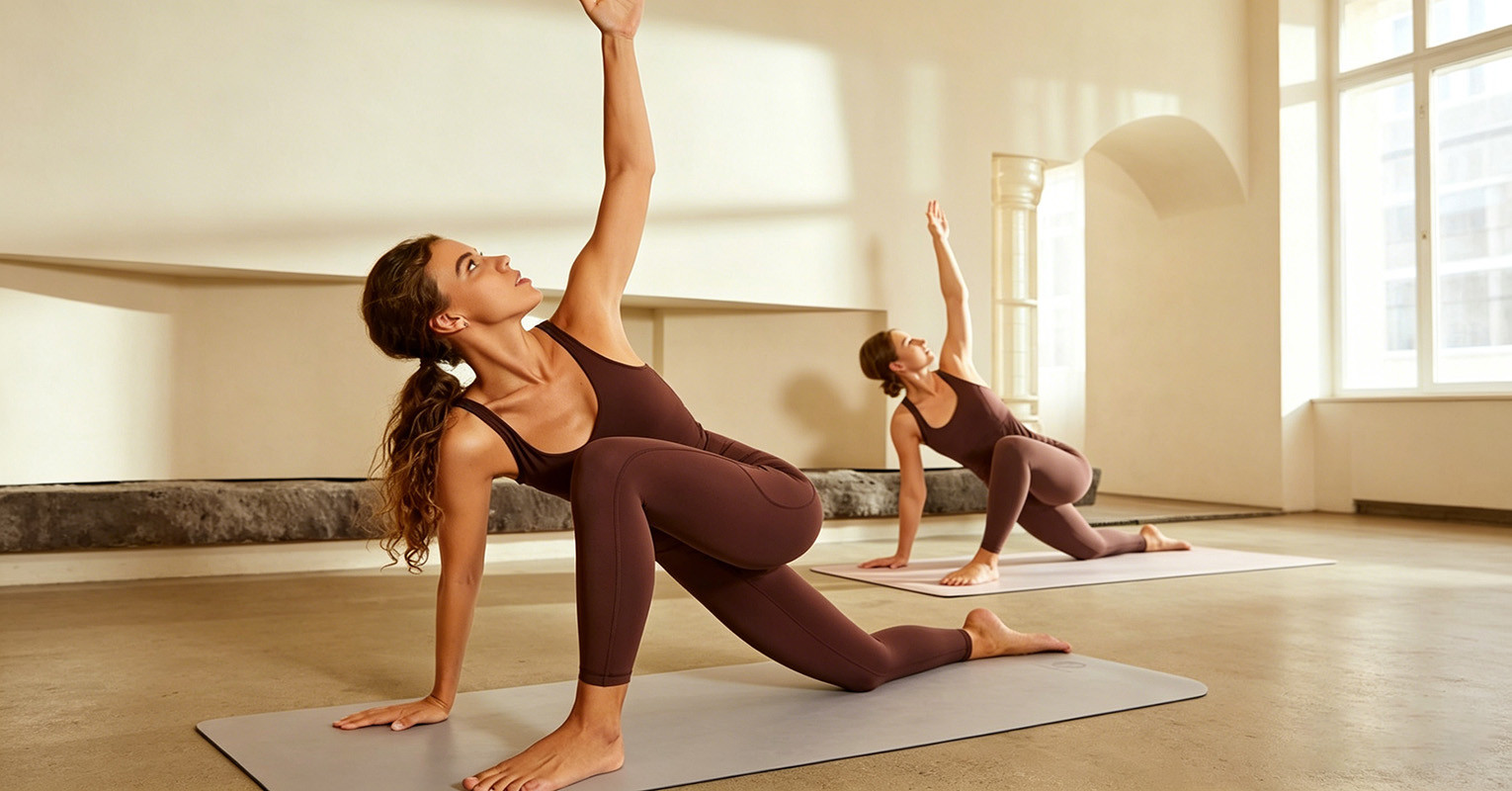 Alt text: Close-up of soft nylon spandex fabric texture for custom yoga leggings.
Excellent Durability and Resistance to Pilling
Nylon is an exceptionally strong and durable fiber.. It boasts high tenacity and excellent abrasion resistance, meaning it can withstand friction and rubbing without easily showing wear. This makes nylon spandex leggings a long-lasting investment. They are less likely to snag or tear compared to many other fabrics. Furthermore, high-quality nylon blends are generally more resistant to pilling than their polyester counterparts.. This ensures that the leggings maintain their smooth, new appearance for a longer period, even after many cycles of wear and washing.
Suitability for Various Legging Types, Including Compression and Seamless Designs
The inherent properties of nylon make it incredibly versatile for different types of legging construction.
- Compression Leggings: The combination of nylon's strength and spandex's elasticity makes it an ideal base for compression leggings. The fabric can be engineered to provide a firm, supportive hug to the muscles, which can help improve blood flow, reduce muscle vibration, and potentially aid in recovery..
- Seamless Designs: Nylon is a popular choice for seamless activewear. In seamless manufacturing, garments are knitted in a circular fashion, creating a tube-like garment with minimal or no seams.. Nylon's smooth fibers and flexibility are perfectly suited for this process, resulting in leggings that offer unparalleled comfort, no chafing points, and a body-hugging fit that moves with you..
Considerations for Customizing Nylon Spandex Yoga Leggings
While nylon spandex offers many advantages, it also presents some specific considerations when it comes to customization, particularly with color and printing.
- Dyeing: Nylon takes dye very well, capable of achieving deep, rich, and vibrant colors. However, it requires a specific type of dye (acid dyes) and a carefully controlled process to ensure colorfastness and consistency..
- Printing: Customizing nylon with prints can be more challenging and expensive than with polyester. The most common and vibrant printing method for activewear, sublimation, does not work well on nylon.. Sublimation requires the fabric to be heated to a high temperature, which can damage or melt nylon fibers. Therefore, printing on nylon typically requires other methods like screen printing (with specialized inks) or direct-to-garment printing, which may not offer the same level of detail or permanence as sublimation on polyester.
This printing challenge is a key factor for brands to consider. If the design strategy relies heavily on complex, all-over graphics, polyester may be a more practical choice. However, for solid-colored leggings or designs with simpler logos, nylon's superior feel and durability remain highly attractive.
Polyester Spandex Blends: An Alternative Perspective on the Best Fabric for Custom Yoga Leggings
Polyester, another workhorse of the synthetic fiber world, has become the most widely used fabric in activewear for a reason. When blended with spandex, it creates a high-performance material that excels in challenging conditions. While it may differ from nylon in feel, its functional benefits offer a compelling alternative for what constitutes the best fabric for custom yoga leggings, especially for performance-focused applications.
Inherent Properties and Functional Benefits
Polyester's core strengths are rooted in its chemical composition. As a hydrophobic fiber, it inherently repels water, which is the key to its exceptional moisture management capabilities. This makes it a go-to choice for high-sweat activities.
Lightweight Nature and Advanced Moisture-Wicking Capabilities
Polyester fibers are naturally lightweight and strong. When woven or knitted into fabric, they produce a garment that feels light and unencumbering. However, its standout feature is its superior moisture-wicking ability. Because the fibers themselves absorb very little moisture (around 0.4% of their own weight), sweat is not held within the fabric.. Instead, the capillary action of the knit structure pulls sweat from the skin and transports it to the outer surface of the leggings.. This process keeps the practitioner feeling significantly drier and more comfortable, even during the most intense sessions, like hot yoga or high-intensity interval training (HIIT).
Rapid Drying and Resilience to Environmental Factors, ideal for easemotion's active line
The direct result of polyester's moisture-wicking capability is its incredibly fast drying time.. Once sweat is on the surface of the fabric, it evaporates quickly, preventing the leggings from becoming saturated and heavy. This is a huge advantage for athletes who train frequently, as their gear will be dry and ready for the next session in a short amount of time.
Furthermore, polyester exhibits excellent resilience to various environmental factors:
- UV Resistance: Polyester naturally provides better protection from the sun's ultraviolet rays compared to nylon, which is a key benefit for outdoor yoga or any activity under the sun..
- Chemical Resistance: It is highly resistant to chemicals, including chlorine, making it a durable option for those who might wear their leggings for aqua-aerobics or post-workout swims..
- Wrinkle and Shrink Resistance: Polyester has excellent dimensional stability, meaning it strongly resists wrinkling and shrinking, making it exceptionally easy to care for.
These properties make it an ideal choice for a versatile and robust active line from a brand like easemotion{:target="_blank"}, designed for a wide range of activities beyond the yoga studio.
Application in Performance-Driven Yoga Wear and Activewear Sets
Given its properties, polyester spandex is the undisputed champion for performance-driven activewear. It is the fabric of choice for:
- Hot Yoga: Where profuse sweating is a given, polyester's ability to manage moisture and dry quickly is essential for comfort and safety (preventing a slippery grip in certain poses).
- Running and CrossFit: Its durability, light weight, and moisture management are perfect for high-impact, high-sweat activities.
- Activewear Sets: Its versatility and ease of printing make it perfect for creating matching sets of sports bras and leggings, a popular trend in the activewear market.
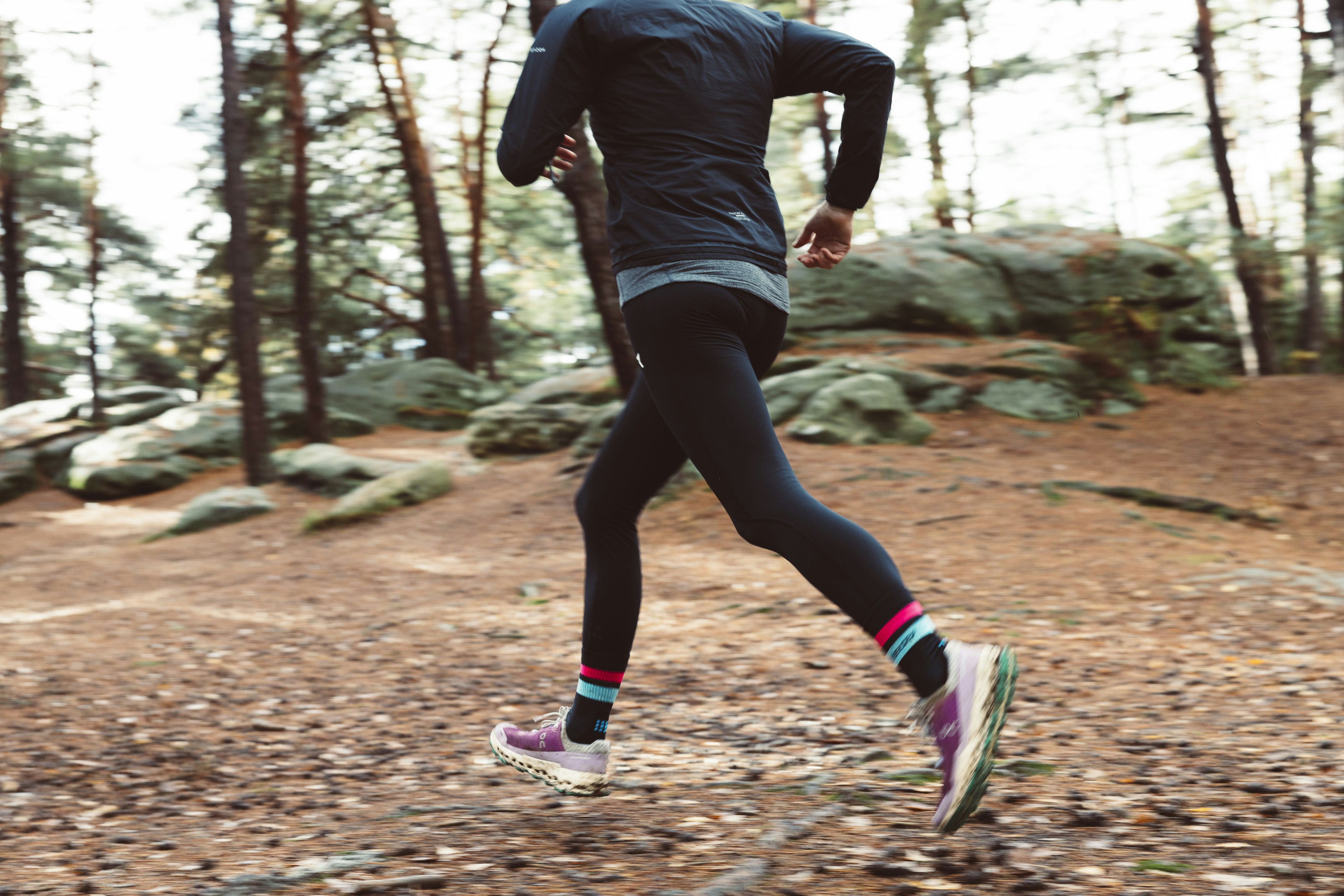 Alt text: Woman in performance polyester spandex leggings running outdoors.
Challenges and Opportunities in Customizing Polyester Spandex Garments
The customization landscape for polyester is where it truly shines and presents vast opportunities for brands.
- Sublimation Printing: Polyester is the perfect medium for dye-sublimation printing.. This digital printing process uses heat to transfer dye onto the fabric, turning it from a solid to a gas that permeates the polyester fibers and then solidifies.. The result is a permanent, photorealistic print with incredibly vibrant colors and sharp details that won't crack, peel, or fade over time. The design becomes part of the fabric itself, without affecting its breathability or feel. This opens up unlimited possibilities for custom graphics, patterns, and branding.
- Odor Retention: The main challenge historically associated with polyester is its tendency to retain odor-causing bacteria more than natural fibers or nylon. The hydrophobic nature that makes it great for wicking moisture also makes it attractive to oil-based compounds (like those in sweat), which bacteria feed on. However, this challenge has been largely mitigated by modern fabric technology. Many polyester fabrics are now treated with antimicrobial finishes (using silver ions or other technologies) that inhibit the growth of bacteria and keep the garments smelling fresh for longer..
For brands focused on customization and graphic-heavy designs, polyester spandex presents an unparalleled opportunity to create unique and visually stunning yoga leggings without compromising on core performance features.
Comparative Analysis: Determining the Best Fabric for Custom Yoga Leggings
Choosing between Nylon Spandex and Polyester Spandex isn't a matter of one being definitively "better" than the other; instead, it's about understanding the trade-offs and aligning the fabric's strengths with the intended purpose, brand identity, and target consumer. A side-by-side comparison across key metrics reveals a clearer picture.
| Feature | Nylon Spandex Blend | Polyester Spandex Blend |
|---|---|---|
| Feel & Comfort | Exceptional. Buttery soft, silky, smooth, luxurious hand-feel. | Good to Very Good. Soft, but typically more synthetic-feeling than nylon. Modern blends are greatly improved. |
| Moisture-Wicking | Good. Wicks moisture away from the skin. | Excellent. The industry leader. Keeps skin drier due to hydrophobic fibers. |
| Drying Speed | Slower. Absorbs a small amount of water, extending drying time. | Very Fast. Repels water, allowing for rapid evaporation. |
| Durability | Excellent. Very high abrasion resistance, strong and resilient. | Very Good. Durable and resistant to many chemicals and environmental factors. |
| Pilling Resistance | Good to Excellent. Generally superior to polyester in preventing pilling. | Fair to Good. Can be more prone to pilling, although quality varies. |
| Stretch & Recovery | Excellent. Provides fantastic four-way stretch and shape retention. | Excellent. Offers comparable stretch and recovery, essential for activewear. |
| Print & Color | Limited. Does not work well with sublimation printing. Best for solid colors. | Excellent. Ideal for vibrant, detailed sublimation printing with endless design possibilities. |
| Odor Retention | Moderate. Better than polyester, but can still harbor bacteria. | Higher. Historically a drawback, but now often mitigated with antimicrobial treatments. |
| Cost | Higher. More expensive raw material, leading to a higher final product cost. | Lower. More cost-effective to produce, offering a better price-performance ratio. |
| Best For | Studio yoga, pilates, everyday wear, luxury activewear, seamless garments. | Hot yoga, running, HIIT, outdoor activities, graphic-heavy custom designs. |
Flexibility and Comfort: A Direct Comparison
When it comes to pure tactile sensation, nylon often wins. Its molecular structure results in a smoother, finer filament, creating a fabric that many describe as "buttery soft." This unmatched hand-feel provides a sense of luxury and supreme comfort, making it a favorite for those with sensitive skin or for less intense activities where comfort is the absolute priority.
Polyester, while soft, can't typically replicate that same silky, second-skin feel. However, what it may slightly lack in luxurious texture, it makes up for in performance comfort. In a high-sweat situation, the feeling of a dry polyester legging against the skin is far more comfortable than a damp nylon one. So, comfort becomes subjective: is it the tactile feel against dry skin or the feeling of staying dry during a workout?
Durability and Maintenance: Long-Term Performance of easemotion Leggings
Both fabrics are workhorses designed for longevity. Nylon's superior abrasion resistance gives it a slight edge in resisting physical wear and tear and pilling. This means leggings from a quality-focused brand like easemotionmade from a nylon blend might look new for a slightly longer period under heavy friction.
In terms of maintenance, polyester is arguably easier. Its resistance to wrinkles, shrinking, and many chemicals makes it a "wash-and-wear" champion. Nylon requires a bit more care, specifically avoiding high heat in the washer or dryer, which can damage the fibers over time. As for odors, while untreated polyester is more prone to bacterial buildup, the prevalence of antimicrobial treatments has leveled the playing field, though it's still a point to consider.
Aesthetic Appeal and Customization Considerations
This is where the two fabrics diverge most significantly for a custom apparel brand.
- Polyester is a blank canvas for creativity. The success of sublimation printing on polyester allows for infinite design possibilities. Brands can create leggings with photorealistic images, intricate patterns, gradients, and logos that are incredibly sharp and permanent. This is a massive advantage for brands wanting to stand out with unique, eye-catching visuals.
- Nylon offers an aesthetic of understated luxury. While it's not the choice for complex graphics, its ability to take on deep, rich, solid colors is unparalleled. The slight sheen and smooth drape of nylon fabric give it a premium, high-end look. It excels in creating classic, elegant activewear where the quality of the material itself is the main design feature.
Cost-Effectiveness and Manufacturing Implications
From a purely financial standpoint, polyester is the more cost-effective option. The raw materials are less expensive to produce, which translates to a lower cost per yard of fabric. This allows brands to offer performance leggings at a more accessible price point or to achieve higher margins. The efficiency and reliability of sublimation printing on polyester also streamline the manufacturing process for custom designs.
Nylon's higher cost positions it as a premium material. Manufacturing with nylon implies a decision to prioritize its unique feel and durability, which will be reflected in the final price of the garment. For a brand targeting the luxury activewear segment, this higher cost is often a justified investment.
Conclusion: Making the Definitive Choice
The quest for the best fabric for custom yoga leggings doesn't culminate in a single, universal answer. Instead, it leads to a more nuanced understanding: both Nylon Spandex and Polyester Spandex offer distinct and compelling advantages, each uniquely suited to specific priorities in performance, aesthetics, and brand positioning. The true "best" choice is the one that aligns perfectly with the intended experience of the end-user.
For brands creating custom apparel, the decision is a strategic one. If the goal is to produce the ultimate performance legging for high-intensity workouts, hot yoga, and outdoor activities, with a focus on vibrant, limitless customization through graphics and prints, then Polyester Spandex is the clear frontrunner. Its superiority in moisture-wicking, quick-drying, and printability is undeniable.
Conversely, if the brand's identity is rooted in luxury, unparalleled comfort, and a focus on studio-based practices or lifestyle wear, Nylon Spandex is an exceptional choice. Its buttery-soft hand-feel, superior durability against pilling, and elegant appearance in solid colors create a product that feels like a premium indulgence.
Ultimately, for a brand like easemotion that stands for quality and versatility, the definitive choice for the optimal fabric hinges on a deliberate balancing of these desired characteristics. It requires a clear vision: weighing unparalleled flexibility against advanced moisture management, long-term durability against endless customization possibilities. There is no wrong answer, only a strategic choice that will define the look, feel, and function of your custom yoga leggings.
We encourage you to consider what you value most in your activewear. Is it the feel, the function, or the fashion? Share this article with fellow yoga enthusiasts and apparel designers, and let us know your fabric preference in the comments below!
Frequently Asked Questions (FAQ)
Which fabric is better for hot yoga, nylon or polyester?
For hot yoga, a Polyester Spandex blend is almost always the superior choice. The primary challenge in hot yoga is managing extreme sweat and heat. Polyester is a hydrophobic fiber, meaning it repels water. It excels at wicking sweat away from your skin to the fabric's surface, where it can evaporate very quickly. This keeps you feeling drier and prevents your leggings from becoming heavy and saturated. While nylon is also moisture-wicking, it absorbs a small amount of water and takes longer to dry, which can lead to a heavy, clammy feeling in the super-heated environment of a hot yoga studio.
Which fabric is less likely to be see-through or more "squat-proof"?
The "squat-proof" quality of a legging is less about the fiber type (nylon vs. polyester) and more about three key factors: fabric density (or weight, often measured in GSM - grams per square meter), knit construction, and color. A tightly knitted, high-GSM fabric is less likely to be see-through, regardless of whether it's made from nylon or polyester. A double-knit construction offers more opacity than a single-knit. Darker colors also naturally provide more coverage than lighter colors. When purchasing, look for brands that specifically market their leggings as "squat-proof" or "opaque," as this indicates they have likely used a denser fabric designed to prevent sheerness when stretched.
How does the percentage of Spandex (or Lycra/Elastane) affect the leggings?
The percentage of spandex is critical to the legging's performance. Typically ranging from 10% to 25%, the spandex content dictates the stretch, compression, and shape retention.
- Low Spandex (around 10%): Provides basic stretch for comfort. These leggings might feel softer and less restrictive but may offer less support and could lose their shape more quickly.
- Mid-Range Spandex (15-20%): This is the sweet spot for most high-quality yoga leggings. It offers an excellent balance of four-way stretch for total freedom of movement, gentle compression for support, and strong recovery (snap-back) to prevent sagging.
- High Spandex (20-25%+): Found in compression or shaping leggings. This higher percentage provides a very firm, supportive fit that can help enhance circulation and reduce muscle vibration during high-impact activities. They will feel more restrictive than a lower-spandex legging.
Is nylon or polyester more eco-friendly?
This is a complex question. Both nylon and polyester are synthetic fibers derived from petroleum, a non-renewable resource, and their production is energy-intensive. Neither is biodegradable. However, the industry is making significant strides in sustainability. You can now find recycled polyester (rPET), often made from post-consumer plastic water bottles, and recycled nylon (such as ECONYL®), which is made from waste like old fishing nets and fabric scraps. These recycled versions significantly reduce the environmental impact by diverting waste from landfills and using less energy and water in production. When choosing, look for leggings made from these recycled materials as the more eco-conscious option.
How can I make my yoga leggings last longer?
Proper care is key to extending the life of your leggings, regardless of the fabric.
- Wash in Cold Water: Hot water can degrade the spandex fibers over time, reducing their elasticity. It can also cause colors to fade.
- Wash with Like Colors and Fabrics: Avoid washing your delicate activewear with heavy items like jeans or towels, which can cause abrasion and pilling.
- Use a Gentle Detergent: Avoid fabric softeners, as they can coat the fibers and impair the fabric's moisture-wicking capabilities.
- Turn Them Inside Out: This protects the outer surface of the fabric from friction and helps preserve any prints or a smooth finish.
- Air Dry Whenever Possible: The high heat of a tumble dryer is the number one enemy of spandex. It can damage and even melt the delicate fibers, causing the leggings to lose their shape and stretch. Lay them flat or hang them to dry. If you must use a dryer, use the lowest heat setting.