2027 Activewear Trends: Light Training, Quiet Luxury and the Future of Everyday Sportswear
From trending colors and innovative fabrics to relaxed silhouettes and studio-to-street styling, discover how activewear brands can develop their next collection.
Activewear is entering a new phase of design.
A pair of leggings is no longer intended only for a yoga class. A sports bra can be styled beneath a casual jacket, while a relaxed pair of training pants may become part of a travel or everyday outfit.
For activewear brands, this evolution is changing the way products are designed, marketed and presented.
As we look toward 2027, several style directions deserve attention: light training, quiet luxury, relaxed sportswear, modern outdoor utility and craftsmanship-inspired details.
These influences share an important characteristic. They bring sportswear closer to everyday fashion without necessarily removing the functional qualities consumers expect from active clothing.
What does this mean for brands planning new yoga wear and activewear collections?
The opportunity lies in understanding which colors, fabrics and silhouettes are worth developing—and how to turn them into distinctive, commercially practical products.
1. Light Training: An Emerging Direction in Activewear Design
High-performance sportswear has traditionally emphasized compression, support, moisture management and technical construction.
These qualities remain important, particularly for running, high-intensity training and other demanding activities.
However, not every activewear customer is looking for the same level of performance.
Yoga, Pilates, mobility exercises, stretching and everyday walking create opportunities for clothing designed around a different balance of comfort, support and appearance.
This is where light-training activewear becomes particularly relevant.
What Does Light-Training Style Look Like?
Light-training style typically combines understated athletic design with comfortable, versatile silhouettes.
Common characteristics include:
- Soft-touch, four-way-stretch fabrics
- Lightly brushed or smooth fabric surfaces
- Clean necklines and minimal decorative seams
- Comfortable waistbands and considered fit
- Subtle neutral and nature-inspired colors
- Coordinated tops, bottoms and lightweight layers
Rather than appearing overly technical, these garments are designed to feel natural in both movement and everyday settings.
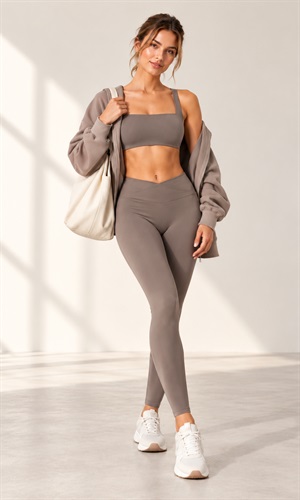
A matching Pilates set in warm taupe, for example, may consist of a square-neck sports bra and high-rise leggings. With the addition of a cropped jacket or oversized shirt, the same outfit can transition into casual daily wear.
How Does Light Training Differ From Performance Training and Casualwear?
Use the intended activity to write the product brief. A minimalist appearance or soft fabric alone does not establish a garment’s support or performance.
| Product direction | Typical use | Development priorities | What to check in samples |
|---|---|---|---|
| Light-training activewear | Yoga, Pilates, stretching and everyday walking | Comfortable movement, suitable support, coverage and soft-touch finishes | Reach, bend and squat movements; waistband stability; seam comfort |
| Demanding training apparel | Running or high-intensity sessions | Support and security appropriate to movement; moisture handling and durable construction | Activity-specific wear trials; garment movement; seams and recovery |
| Relaxed lifestyle sportswear | Travel, errands and pre- or post-workout wear | Drape, layering, pocket placement and everyday comfort | Sitting and walking comfort; garment shape after care; compatibility with base layers |
This comparison defines development priorities, not certified support levels or a universal performance standard.
Product Opportunities for Activewear Brands
Light-training collections can be developed around several core styles:
Low-impact sports bras: Refined square necklines, scoop necklines, wide underbands and comfortable stretch materials.
High-rise yoga leggings: Soft-touch fabrics, reliable stretch recovery, appropriate coverage and flattering waist construction.
Fitted studio tanks: Clean silhouettes, comfortable armholes and options for integrated support.
Flared yoga pants: Stretch performance materials combined with a more casual fashion silhouette.
Lightweight layering pieces: Zip-up jackets, fitted long-sleeve tops and soft pre- or post-workout layers.
For brands, the challenge is to maintain suitable performance while introducing a softer and more sophisticated visual identity.
When planning a coordinated capsule, compare silhouettes in the women’s yoga sets and women’s sports bras categories, then define the fit and support required for your own customers.
2. Quiet Luxury and Relaxed Sportswear: Why Simplicity Matters
Another important design direction is the continuing influence of quiet luxury and refined casualwear.
Rather than depending on prominent logos, complicated patterns or excessive decoration, this approach emphasizes material quality, proportion, restrained colors and carefully considered details.
Within activewear, this aesthetic can be translated into understated matching sets, fitted jackets, relaxed trousers and minimalist studio essentials.
Brand Inspiration: lululemon and the Align Collection
lululemon's Align collection demonstrates how a relatively simple product silhouette can build a strong identity around comfort and fabric performance.
The collection uses the brand's Nulu fabric, known for its buttery-soft, lightweight feel.
Selected Align leggings also feature practical details such as high-rise waistbands, four-way stretch and discreet waistband pockets.
Colors such as Espresso show how a dark brown shade can make a familiar yoga silhouette feel more refined and versatile.
For an activewear brand developing its own collection, the lesson is not to reproduce the Align product.
It is to understand the value of developing a recognizable core silhouette, selecting suitable materials and continuously refining the product through fit, color and construction.
A brand can establish its own identity through a distinctive waistband, carefully developed fabric, considered seam placement or a signature color palette.
Brand Inspiration: Varley and the DoubleSoft Collection
Varley provides another perspective on elevated everyday activewear.
Its DoubleSoft collection features comfortable, coordinated pieces such as half-zip sweatshirts, wide-leg trousers and relaxed pants.
The brand describes DoubleSoft as a viscose-rich fabric with a smooth, soft and cool-to-the-touch feel.
Its product range also makes extensive use of versatile colors including Ivory Marl, Taupe Marl, Black and Coffee Bean.
The overall aesthetic relies on balanced proportions, comfortable fabrics and understated styling rather than dramatic technical features.
For activewear brands, this creates an opportunity to expand beyond sports bras and leggings into a more complete lifestyle wardrobe.
Design takeaway: Premium activewear can be differentiated through fabric texture, refined proportions, consistent colors and purposeful details—not simply through additional decoration.
To translate this aesthetic into a product brief, explore custom and private label yoga wear development for fabric, branding and collection customization options.
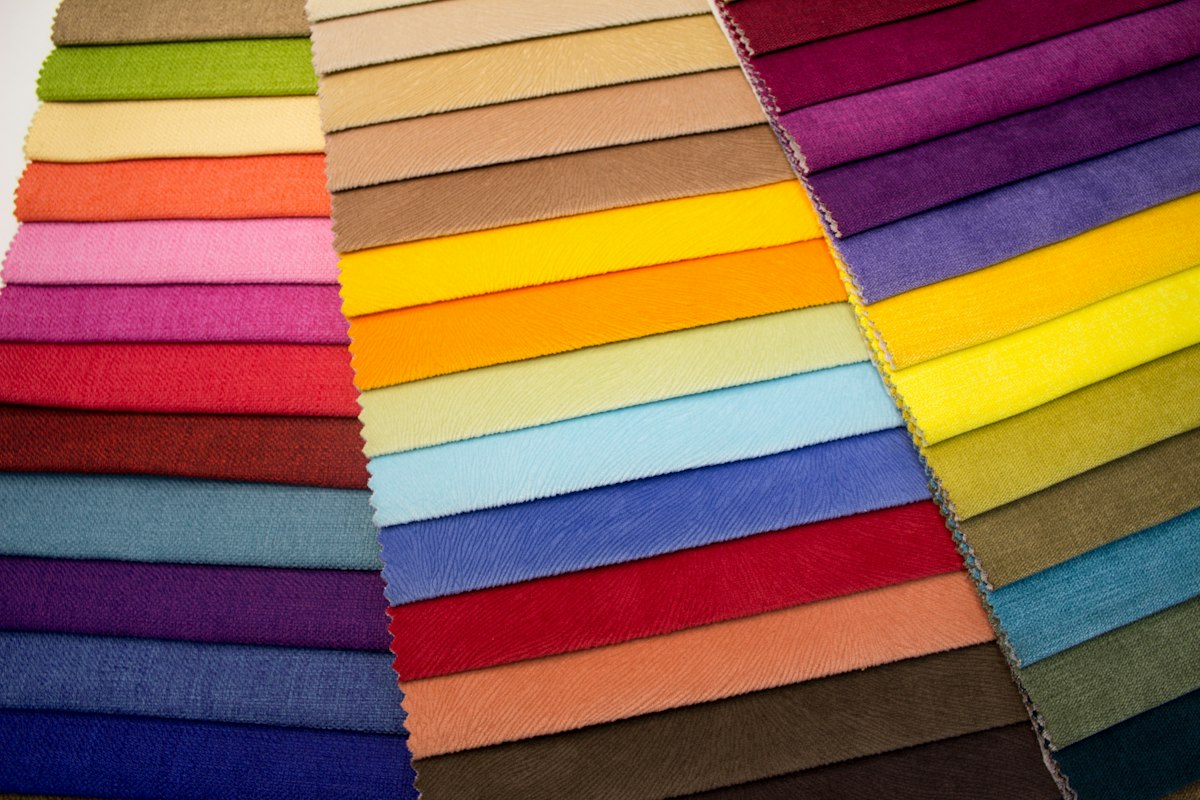
3. Activewear Color Trends for 2027: Building a Cohesive Brand Palette
Color is one of the most effective ways to create collection recognition without fundamentally changing the product structure.
As activewear becomes more closely connected to everyday dressing, versatile neutral shades and softer natural colors offer a useful direction for future product development.
Rather than interpreting every seasonal color as a potential bestseller, brands should consider how new shades work with their existing assortment and visual identity.
Warm Neutrals: The Foundation of Refined Activewear
Ivory, oatmeal, beige, taupe, chocolate brown and charcoal can form the foundation of a minimalist activewear collection.
These colors work particularly well across yoga bras, leggings, fitted tanks and coordinated sets.
They also make it easier to develop complementary lifestyle products.
Earthy Greens and Outdoor-Inspired Tones
Sage, muted olive, moss and stone introduce a connection to nature without requiring obvious outdoor graphics.
They can be especially effective for lightweight outerwear, relaxed sportswear and studio-to-street capsules.
Soft Accent Colors
Muted rose, dusty blue and subdued peach can provide contrast within a predominantly neutral collection.
These shades are worth exploring through selected seasonal products instead of replacing the entire core color assortment.
Suggested Color Palette for a 2027 Light-Training Collection
The following colors represent a proposed design palette, not an official color forecast.
| Color Direction | Suggested HEX | Product Application |
|---|---|---|
| Soft Ivory | #EFEAE2 | Studio tops, sports bras, lightweight layers |
| Warm Taupe | #A69B8C | Leggings, flared pants, matching sets |
| Espresso Brown | #49382F | Premium yoga sets |
| Muted Olive | #858E78 | Lightweight jackets, relaxed pants |
| Charcoal Grey | #575B5C | Core training essentials |
| Dusty Rose | #BF9792 | Seasonal Pilates capsules |
| Mist Blue | #A6B6C3 | Studio tops and seasonal coordinated sets |
For brands with established bestsellers, the most practical strategy may be to retain core colors while introducing two or three carefully selected seasonal additions.
Color selection should also consider fabric dyeing consistency, colorfastness and the way different materials reproduce the same shade.
A matching sports bra and leggings set, for example, may require additional color-matching work if the garments use different fabric constructions.
4. Fabric Trends: From Soft Performance Knits to Premium Lifestyle Materials
Fabric is central to the customer experience of modern activewear.
As consumers increasingly expect garments to work across different activities and settings, brands need to consider both technical performance and tactile comfort.
Soft Nylon-Elastane Fabrics
Nylon-elastane blends remain a practical choice for many fitted yoga and training garments.
Depending on the fabric construction and finishing, they can provide:
- Four-way stretch
- Soft surface texture
- Comfortable body movement
- Stretch recovery
- Suitable coverage and support
These fabrics can be developed for yoga leggings, low-impact sports bras and fitted studio tops.
Double-knit interlock fabrics and brushed surface treatments are worth exploring for brands seeking a more premium hand feel.
However, fabric weight, elasticity, opacity and durability should be evaluated according to the intended garment.
For a comparison of two common stretch-blend options, read nylon-spandex vs polyester-spandex for custom yoga leggings. Review the actual construction and finish alongside the fiber composition when shortlisting samples.
Recycled Performance Fabrics
Recycled nylon and recycled polyester blends provide additional options for activewear brands incorporating responsibly sourced materials into their collections.
Different fiber compositions are suitable for different end uses.
Recycled nylon blends may be considered for fitted stretch garments, while selected recycled polyester constructions can be used in comfortable performance jerseys and relaxed athletic apparel.
Any recycled-content claims should be supported by documentation relevant to the specific product and supply chain.
Explore sustainable yoga wear and recycled-fabric sourcing when evaluating recycled-material options for the collection.
Brand Inspiration: Vuori and DreamKnit
Vuori's Halo collection provides an example of combining soft performance fabrics with relaxed everyday styling.
The Halo Essential Wideleg uses DreamKnit, a brushed stretch fabric offered in a composition of 89% recycled polyester and 11% elastane for this style.
The product combines an easy wide-leg silhouette with stretch performance and everyday comfort.
It is positioned for daily wear, travel and use before or after workouts.
This approach shows that fabric development does not need to be limited to traditional fitted gym clothing.
A comfortable material can also be used to create relaxed pants, casual layers and coordinated travel pieces.
Textured and Ribbed Fabrics
Fine ribs, interlock structures and subtle surface textures are additional options for brands seeking differentiation.
They can introduce depth into otherwise simple garments and support a premium visual identity.
However, designers should evaluate how fabric structure affects stretch, recovery, transparency and garment support.
Modal and Lyocell Blends
For lounge-oriented products and pre- or post-training clothing, modal and lyocell blends can offer softness and fluid drape.
These materials may be suitable for relaxed tops, travel pieces and lifestyle layers.
They should not automatically be treated as substitutes for performance stretch fabrics, especially when a garment requires substantial recovery or support.
The best fabric choice depends on the intended activity, silhouette, target consumer and desired product experience—not simply on the popularity of a material.
Which Fabric Specifications Should Be Agreed Before Sampling?
Convert “soft,” “premium” and “squat-proof” into a brief that the development team can evaluate. The table below lists fields to agree for the actual garment; it does not prescribe one fabric weight or composition for every collection.
| Specification | What to record | How to review it |
|---|---|---|
| Material identity | Fiber percentages, knit or woven construction, finish and fabric reference | Match each sample and supplier document to the selected material |
| Fabric weight | Finished-fabric target in g/m² (GSM), tolerance and measurement method | Compare measured samples with the agreed target; assess coverage separately |
| Stretch and recovery | Direction, extension, recovery conditions and acceptance criteria | Use the agreed test procedure and check the garment during intended movements |
| Coverage and fit | Colorway, garment size, wearer measurements, stretch and viewing conditions | Review solid coverage panels in the finished garment; include relevant dry, damp and washed conditions |
| Color matching | Approved shade reference, lab dip and fabric combinations within a set | Compare the bra, leggings and layers under consistent lighting |
| Care and appearance | Wash-and-dry procedure, cycle count, dimensional tolerances and appearance criteria | Record dimensional change and check pilling, seams, finish and shape after care |
| Recycled-material claims | Claimed fiber content and documentation for the selected material and supply chain | Check that documentation applies to the actual material and order before making a claim |
For a fuller coverage assessment, see the leggings fabric GSM and squat-proof testing guide. Agree the target, test conditions and approval reference before bulk production.
5. Studio-to-Street: When Activewear Becomes Everyday Fashion
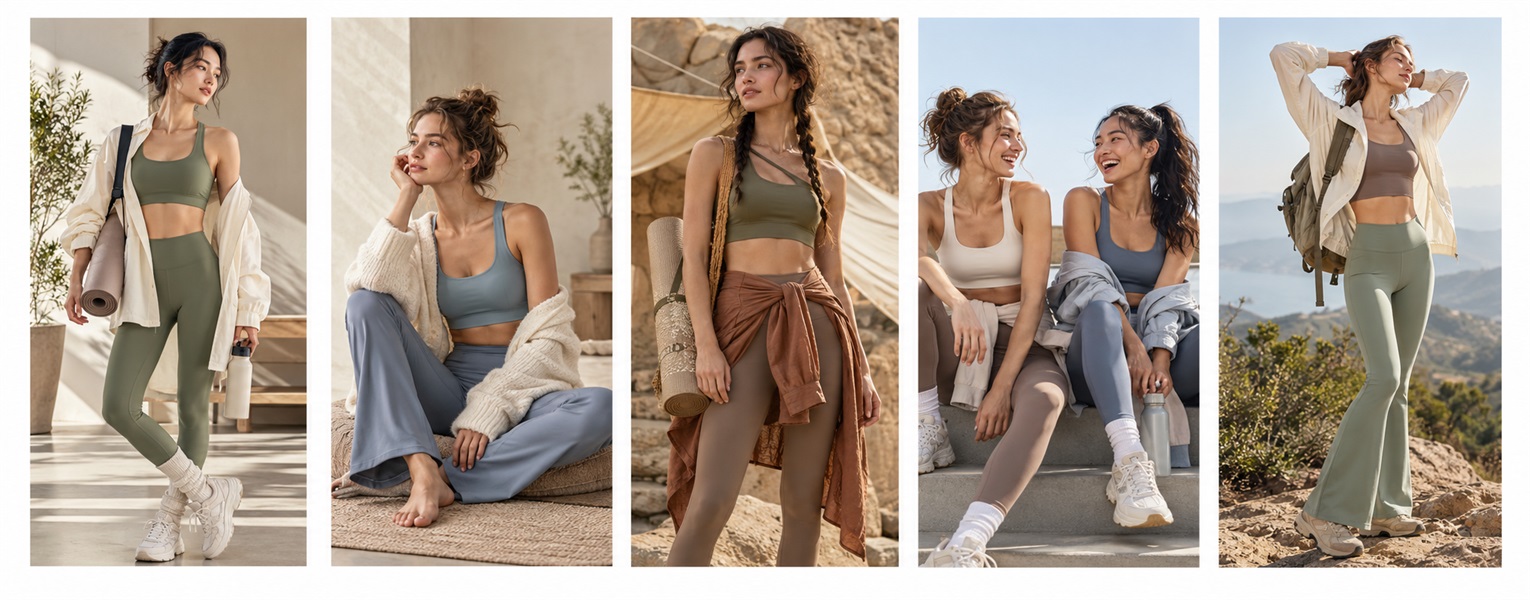
One of the most practical developments in contemporary activewear is the growing importance of versatile styling.
Consumers may wear the same base outfit for Pilates, running errands, traveling or meeting friends.
This does not mean every garment must perform equally well in every setting.
Instead, brands can build collections in which individual pieces have different functions but work together visually.
A fitted sports bra and leggings can provide the performance foundation, while a relaxed jacket or wide-leg pant adds versatility outside the studio.
Three Product Combinations Worth Exploring
Look 1: Minimalist Pilates
A square-neck bra, high-rise leggings and lightweight cropped jacket in coordinated neutral shades.
Look 2: Relaxed Studio-to-Street
A fitted tank, soft wide-leg pants and an oversized zip-up layer.
Look 3: Modern Outdoor Casual
A stretch training top, relaxed utility-inspired trousers and a lightweight vest.
For brands, coordinated collection development can also create opportunities for complementary purchases.
Instead of launching unrelated individual products, designers can consider how each piece contributes to a complete wardrobe.
For the outer layer, compare custom yoga jackets for studio-to-street layering with the proportions of the selected bra, tank and pants.
6. Modern Outdoor and Craftsmanship-Inspired Details
Outdoor-influenced fashion continues to provide design inspiration, but brands should be careful about producing collections that look interchangeable.
Utility pockets, oversized technical jackets and familiar outdoor color palettes are no longer sufficient on their own to create a distinctive identity.
A more considered direction is to combine selected outdoor influences with softer silhouettes and refined detailing.
Inspiration from Barbour's Heritage Outerwear
Barbour's Classic Beadnell jacket demonstrates how recognizable design details can create a consistent brand identity.
Its waxed cotton construction, olive color palette, corduroy collar and practical pocket details communicate a traditional outdoor aesthetic.
For yoga and activewear brands, the opportunity lies in adapting appropriate aspects of this design language—not directly reproducing the garment.
A lightweight activewear jacket might incorporate understated pocket construction, a refined stand collar or subtle utility detailing while using a stretch woven fabric more suitable for the intended activity.
Craftsmanship as a Point of Differentiation
As minimalist styles become more widespread, construction and finishing details can help distinguish one brand from another.
Potential directions include tonal embroidery, refined topstitching, carefully positioned panels, textured fabrics and subtle asymmetry.
Some brands may also explore modern interpretations of Eastern-inspired design elements, such as wrap-front construction, restrained stand collars or thoughtfully placed closures.
These details should be aligned with the brand's cultural identity and customers rather than adopted simply because they appear fashionable.
For performance garments, decorative treatments must also preserve comfort and movement.
The strongest approach is to use a few recognizable details consistently throughout a collection.
7. Which Activewear Styles Should Brands Consider Developing for 2027?
Rather than relying on a single trend, brands can build their next assortment around proven categories with selected new additions.
| Product Style | Design Direction | Potential Fabric |
|---|---|---|
| High-rise yoga leggings | Minimal seams, refined waistband, soft finish | Nylon-elastane interlock |
| Low-impact sports bras | Square neck, scoop neck, clean back details | Stretch performance knit |
| Flared yoga pants | Flattering fit, comfortable movement | Soft stretch interlock |
| Studio tank tops | Fitted silhouette, minimal details | Nylon-elastane or ribbed knit |
| Lightweight zip jackets | Clean lines, modern layering | Stretch knit or lightweight woven |
| Relaxed wide-leg pants | Soft drape, everyday versatility | Brushed jersey or suitable soft blends |
| Utility-inspired active jackets | Streamlined pockets, subtle functional details | Lightweight stretch woven |
| Textured matching sets | Tonal rib, subtle surface interest | Structured stretch knit |
Each product should be evaluated against the brand's actual customers, price positioning and established bestsellers.
A premium Pilates label may prioritize soft matching sets and refined studio layers.
A lifestyle activewear brand may place greater emphasis on relaxed pants, layering pieces and coordinated everyday outfits.
There is no universal assortment that is suitable for every brand.
8. A Practical Product Development Strategy: 60% Core, 20% Current Trends, 20% Future Exploration
Activewear brands need to balance product stability with newness.
Launching too many experimental designs can create inventory and development risks. However, relying entirely on established products may make it difficult to maintain a distinctive collection.
One approach worth considering is a 60/20/20 assortment-planning framework.
60% — Develop and Improve Core Bestsellers
Prioritize established products with demonstrated customer demand.
This may include yoga leggings, sports bras, classic matching sets and frequently purchased tops.
Development efforts can focus on improving fit, fabric performance, color selection and production consistency.
20% — Respond to Current Style Opportunities
Introduce selected products connected to visible fashion directions.
Examples include flared yoga pants, soft-touch matching sets, relaxed studio trousers and lightweight zip jackets.
Newness can also come from seasonal colors and subtle design updates rather than completely new garment structures.
20% — Explore Future Collection Concepts
Reserve a limited portion of development resources for emerging design opportunities.
These might include new stretch fabrics, craftsmanship-inspired detailing, refined utility garments or fresh interpretations of studio-to-street dressing.
Initial sampling and smaller production runs can help evaluate these ideas before expanding the assortment.
The 60/20/20 framework is a suggested planning tool rather than a fixed industry standard. The appropriate proportions depend on each brand's sales data, inventory strategy and growth stage.
Before expanding the experimental portion, review this guide to reducing yoga apparel product development risk for market validation, sampling and small-launch considerations.
9. How Easemotion Helps Brands Translate Trends Into Custom Activewear
Understanding fashion trends is only one part of building a successful activewear collection.
Turning those ideas into finished garments requires suitable fabrics, technical development, sampling, fit refinement and consistent manufacturing.
At Easemotion, we support international activewear brands with OEM, ODM and private label manufacturing services.
Established in 2015 and based in Dongguan, China, Easemotion specializes in custom yoga wear, sports bras, leggings, activewear sets, tops, shorts and related sportswear categories.
Our role is to help brands translate their design direction and product requirements into manufacturable collections.
Custom Fabric Sourcing
Different activewear styles require different performance characteristics.
We work with brands to explore suitable materials, including nylon-elastane blends, recycled fabric options, textured knits and other materials appropriate to the product.
Fabric decisions can be guided by the desired hand feel, stretch, support, weight, appearance and intended use.
OEM and ODM Product Development
Brands with established technical designs can provide tech packs and specifications for OEM development.
For ODM projects, we can discuss available product constructions and customization options, including adjustments to fabrics, colors, fit, design details and private label branding.
Whether a project involves a minimalist Pilates capsule or a broader lifestyle activewear collection, product development begins with the brand's own requirements.
Sampling and Fit Development
Sampling allows brands to review garment construction, fit, comfort and fabric behavior before approving bulk production.
Our typical sampling lead time is approximately 7–15 days, depending on design complexity and material availability.
Product specifications and fit adjustments can be reviewed during development.
Flexible Minimum Order Quantities
For growing brands testing new products or developing seasonal collections, order flexibility is an important consideration.
Easemotion offers a standard starting MOQ of 100 pieces per style per color, covering up to five sizes.
This can help brands plan focused product launches and evaluate selected collection ideas without necessarily committing to very large initial volumes.
Manufacturing and Quality Support
Our manufacturing operations support custom sportswear development and production, with a typical bulk production lead time of approximately 30–35 days after the relevant approvals, subject to order requirements.
Our compliance and quality framework includes ISO 9001:2015 certification, an amfori BSCI audit, GRS and OCS certification, and PFAS-related testing documentation.
The applicability of specific certifications, recycled material claims and test reports should be confirmed for each product and order.
Our goal is to help brands connect their creative direction with practical development, material selection and reliable manufacturing.
10. Final Thoughts: The Next Activewear Collection Should Begin With the Customer
The most promising activewear opportunities for 2027 are not necessarily the most dramatic trends.
Light-training clothing, quiet luxury, relaxed sportswear, subtle craftsmanship and modern outdoor influences all point toward a shared idea: consumers want clothing that supports movement while fitting naturally into everyday life.
For activewear brands, this creates opportunities to rethink familiar products.
A bestselling yoga legging might be refreshed through a better fabric or a more considered color.
A sports bra collection might incorporate new necklines or support constructions for different activities.
A brand focused on studio essentials might expand into lightweight jackets, relaxed trousers and coordinated lifestyle pieces.
The key is to identify which directions genuinely fit the brand's customers and translate them into commercially relevant products.
Planning Your Next Custom Activewear Collection?
Easemotion provides OEM, ODM and private label manufacturing support for yoga wear and activewear brands.
From fabric sourcing and sampling to customization and bulk production, we help brands develop collections aligned with their design requirements, product positioning and business goals.
Compare custom yoga sets for coordinated activewear collections when defining the product scope for your next launch.
Frequently Asked Questions
What are the main activewear trends to watch for 2027?
Key design directions worth exploring include light training, quiet luxury, relaxed studio-to-street dressing, nature-inspired colors, soft performance fabrics and refined utility details. Their relevance will vary by brand and target consumer.
What is light-training activewear?
Light-training activewear generally refers to clothing designed for lower-impact activities such as yoga, Pilates, stretching and mobility work. It typically balances movement comfort, suitable support, versatile styling and softer performance materials.
Which fabrics work best for premium yoga and Pilates clothing?
Nylon-elastane stretch knits, selected recycled performance blends and appropriately constructed textured fabrics can be suitable. The best choice depends on the garment's support, opacity, stretch recovery, moisture management and comfort requirements.
How can brands develop a recognizable activewear color palette?
Start with colors that suit the brand's positioning and established products. Build a consistent core palette, then introduce selected seasonal shades. Color matching across different fabrics should be evaluated before production.
Can Easemotion manufacture custom light-training and studio-to-street clothing?
Easemotion provides OEM, ODM and private label development and manufacturing services for custom yoga wear and activewear. Brands can discuss fabric selection, product design, sampling, fit requirements and customization options based on their collection plans.
What GSM should a brand specify for light-training leggings?
There is no single GSM that guarantees comfort or squat-proof coverage. Compare candidate fabrics in the intended garment, then agree a finished-fabric weight and tolerance. Review coverage separately for the selected colors, sizes, stretch and care conditions.
How many new colors should a small activewear collection introduce?
Start with the core colors that already sell, then test a small number of seasonal shades across compatible styles. Two or three additions can be a useful planning starting point, but the decision should follow customer demand, color minimums, budget and the number of resulting style-color-size combinations.
What should an activewear sampling brief include?
Include the intended activity, target customer, reference styles or tech pack, size chart, fabric preferences, color references, support and coverage requirements, branding, estimated quantity and target launch date. Agree sample-review criteria before development so feedback can identify specific fit, material or construction changes.
Ready to discuss your custom activewear collection? Share your reference styles, fabric preferences, size range, quantities and target launch date. Contact us through the Easemotion custom activewear contact page to discuss your product brief and sampling requirements.